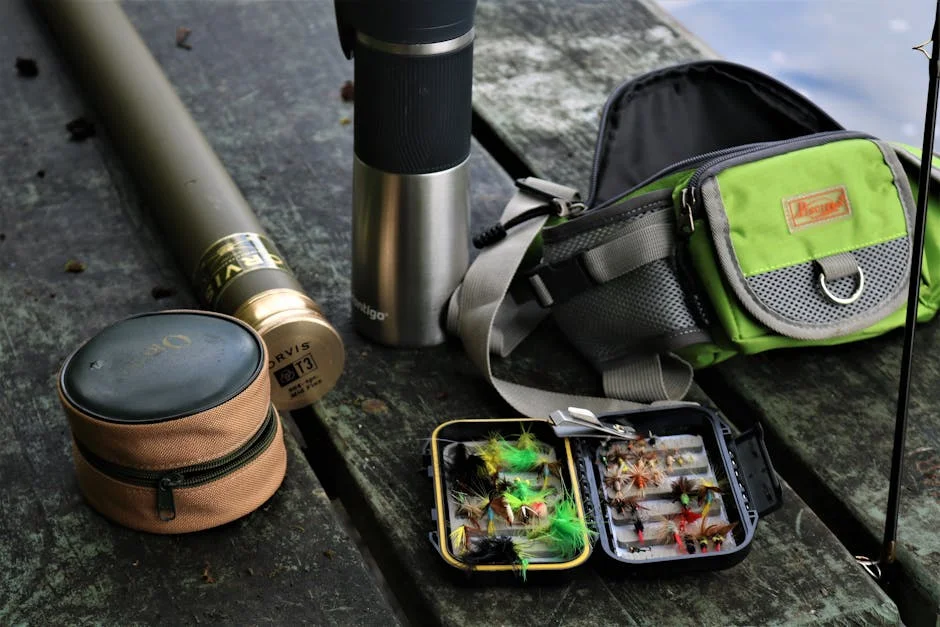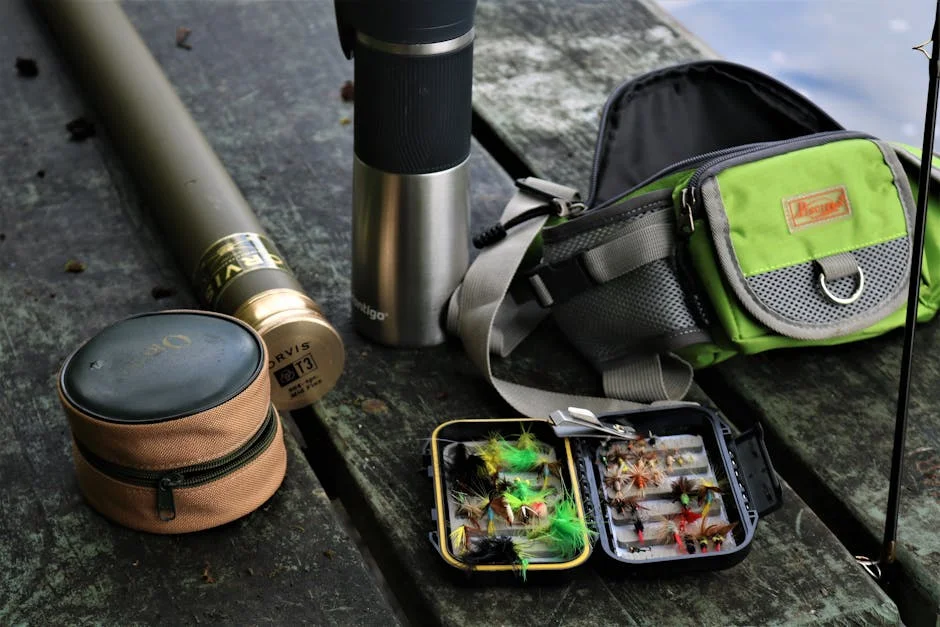
Best Fly Box for Fishing: Types, Features & Top Picks

Affiliate disclosure: Some links on this page are affiliate links. If you buy through them we earn a small commission at no extra cost to you. Recommendations are research-driven; we don't claim personal use of every product reviewed. Product prices and availability are accurate as of the date published and are subject to change. Always check Amazon for current pricing before purchasing. Learn more.
Quick Picks
fishpond Tacky Day Pack Fly Box
Greg's primary fly box, slim profile fits multiple boxes in one pack pocket
Buy on AmazonUmpqua UPH Magnum Fly Box
Large format box accommodates substantial fly inventory for guided trips
Buy on AmazonOrvis Clearwater Fishing Vest
Orvis quality and design at an accessible price point
Buy on Amazon| Product | Price Range | Top Strength | Key Weakness | Buy |
|---|---|---|---|---|
| fishpond Tacky Day Pack Fly Box best overall | $$ | Greg's primary fly box, slim profile fits multiple boxes in one pack pocket | Silicone stretches over time with very large flies | Buy on Amazon |
| Umpqua UPH Magnum Fly Box also consider | $ | Large format box accommodates substantial fly inventory for guided trips | Research-based, Greg uses Tacky fly boxes for his collection | Buy on Amazon |
| Orvis Clearwater Fishing Vest also consider | $ | Orvis quality and design at an accessible price point | Budget construction shows in zipper and fabric quality | Buy on Amazon |
Fly boxes are the organizational backbone of any day on the water. The right one keeps your flies accessible, protects hackle and dubbing between uses, and fits cleanly into whatever carry system you’ve built around your fishing style. Explore the full range of fly fishing accessories and tools to understand how a fly box fits into the broader gear picture before committing to one format.
What separates a good fly box from a frustrating one isn’t capacity, it’s how the box works with your system. Foam, silicone, spring clips, and ripple foam each suit different fly types and fishing styles. The criteria worth understanding before you buy are what this guide addresses first.
What to Look For in a Fly Box
Insert Material and Fly Security
The insert is the most important variable in any fly box purchase. Traditional foam holds flies well and costs little to manufacture, but it compresses over time and can damage soft hackles and parachute patterns when the hook is pressed in aggressively. Ripple foam is an improvement, the wave profile grips the hook bend rather than the whole shank, which reduces hackle damage on dry flies with heavy dressing.
Silicone inserts are the current standard for anglers who carry a mix of dry flies, nymphs, and streamers. The material grips without compressing, releases cleanly, and doesn’t degrade as quickly as foam under repeated use. The tradeoff is that silicone can stretch slightly with very large hooks, size 4 and above, so for streamer-heavy anglers, a dedicated foam box for big flies remains a reasonable choice.
Profile and How It Fits Your Carry System
A fly box that doesn’t fit your vest pocket, chest pack, or sling is useless regardless of how well it holds flies. Slim-profile boxes stack more efficiently in a single pocket, which matters enormously if you’re running a minimalist chest pack where space is the binding constraint. Standard-depth boxes carry more flies per unit but take up more real estate.
Before buying a box, measure the main compartment of your carry system. A 5.5-inch box that fits flat in your Westfork chest pack is more useful than a 7-inch box that has to angle or sit in a secondary pocket where you’ll dig for it. The geometry of your pack matters as much as the geometry of the box.
Visibility and Field Access
In low light, early morning, overcast days, late evening, a clear-lidded box that lets you read fly placement without opening it saves real time. This is not a luxury feature. On a tailwater where you’re rotating between three or four nymph patterns based on what fish are responding to, the ability to confirm fly position at a glance before you reach into the box changes how efficiently you fish.
Double-sided clear boxes double that advantage and let you carry the same inventory in half the box count. For wading anglers who need to make quick reads on what’s in the box without setting the net down, clear construction on both top and bottom is the benchmark worth prioritizing. Exploring the full category of packs, nets, and tools shows how visibility considerations extend across your whole carry system, not just boxes.
Top Picks
Tacky Day Pack Fly Box
The Tacky Day Pack Fly Box is the box that replaced every other box in my rotation over three seasons. The slim profile stacks cleanly, two fit side by side in the main pocket of my Fishpond Westfork with room left for tippet and forceps. That geometry was the deciding factor. Before switching, I was running a deeper box that took up the entire pocket and required its own slot in a secondary pouch I rarely opened.
The silicone insert holds flies without damaging hackle. Parachute Adams, RS2s, Jujubees, small streamers, all release cleanly and sit flat without the hook point punching through the material over time. The clear top and bottom construction means I can read fly placement at a glance, which matters more on a technical tailwater than casual use would suggest. Owner feedback across multiple seasons consistently confirms the silicone holds up under regular use, though anglers running primarily large streamers, size 4 and above, note some stretching over time.
The higher price than foam alternatives is real, and worth it for anglers who have found the right carry system and are building around it intentionally. For a first fly box purchase where the system isn’t defined yet, that’s a harder call. For anglers who have settled on a slim-profile chest pack or minimal sling, this is the box that fits the system.
Check current price on Amazon.
Umpqua UPH Magnum Fly Box
The Umpqua UPH Magnum Fly Box addresses a different problem than the Tacky Day Pack. Rather than optimizing for slim-profile carry in a minimalist system, the Magnum is built around volume, this is the box for anglers who guide, travel to unfamiliar water, or simply run larger fly inventories than a half-day box can support.
Umpqua’s construction reputation is earned across years of field use by working anglers. The Magnum’s durability under stream conditions, drops on cobble, rain, repeated opening in cold hands, reflects that build quality. The multiple configuration options let you organize dry flies, nymphs, and streamers in dedicated sections, which reduces the time you spend hunting for a specific pattern during a hatch.
Owner reviews and field reports consistently point to one trade-off: the Magnum’s depth and footprint mean it occupies significant pocket space. Anglers running chest packs or small sling packs will struggle to fit it cleanly; it’s better matched to a vest with large lower pockets or a day pack with a dedicated box slot. For guided trips or multi-day travel where fly inventory is the priority and weight is a secondary concern, the Magnum earns its place.
Check current price on Amazon.
Orvis Clearwater Fishing Vest
The Orvis Clearwater Fishing Vest is the natural starting point for newer anglers who aren’t ready to commit to a chest pack or sling system. The vest format distributes gear across multiple pockets, which keeps individual loads light and makes inventory visible without digging. Orvis’s design discipline shows in the pocket layout, the configuration reflects real stream use rather than a marketing brief about maximum pocket count.
At its price band, the Clearwater represents a reasonable entry point into vest-style carry. The zipper and fabric quality reflects the budget positioning honestly, this is not a vest that will last fifteen years of hard use. Anglers who fish twice a year on guided trips may find the Clearwater serves them well for a long time. Anglers who wade frequently on their own will likely find themselves looking at pack-style alternatives within a few seasons.
The vest format has genuine advantages for anglers who want everything accessible without a waist belt or chest straps. For cold-water wade fishing where layering matters, a vest over a base layer in early spring is a comfortable carry system that a chest pack can’t replicate. The Clearwater is not the strongest option in the vest category for experienced anglers, but as a first carry system for someone getting organized on the water, it does the job.
Check current price on Amazon.
Buying Guide
Match the Box to Your Carry System First
The most common fly box mistake is buying a box in isolation and discovering it doesn’t fit your vest or pack cleanly. Measure the pocket you intend to use before purchasing. A box that fits correctly in your largest pocket but requires awkward angling or won’t close the flap is a problem you’ll deal with every day on the water.
Slim-profile boxes suit chest packs and small sling packs. Larger format boxes belong in vests with dedicated lower box pockets or day packs with a structured box slot. The full range of packs, nets, and tools shows how the carry system and the box work as a unit, optimizing one without the other produces friction in the field.
Insert Material and Fly Type Alignment
Match insert material to the flies you carry most. Silicone is the stronger choice for mixed dry fly and nymph rotation, it protects hackle, holds hooks cleanly, and releases without the compressing-over-time problem that degrades foam inserts. For streamer anglers running large hooks regularly, foam remains the practical choice. Silicone stretches under the leverage of a size 2 or 4 hook in a way that shortens the insert’s useful life.
Ripple foam splits the difference well for anglers who primarily fish dry flies and want better hackle protection than flat foam without moving to silicone. For a single-box setup covering a half-day session on familiar water, ripple foam or silicone both serve well.
Visibility: Clear vs. Opaque Construction
Opaque boxes cost less and are lighter. They are also less useful in practice because you cannot read fly placement without opening the box. On a moving stream, in low light or cold temperatures, opening a box to read the contents costs time and creates the opportunity for flies to blow out of the tray.
Clear-lidded construction lets you identify pattern placement at a glance before the box is open. Double-sided clear construction, clear on both top and bottom, lets you read both trays without flipping the box open. For anglers rotating between multiple patterns during a hatch, this is a functional advantage, not an aesthetic one.
Capacity: How Much Is Enough
More capacity is not always better. A large-format box encourages bringing more fly options than the day requires, which creates decision overhead at the water. Verified buyers across multiple forums and fishing communities note that reducing fly inventory to a single well-curated box actually improves fishing focus, fewer decisions at the river means more attention on the water.
For a half-day session on familiar water, a slim-profile box with two trays holds enough patterns to cover the conditions. For a full day on unfamiliar water or a guided trip where conditions are unpredictable, a larger format with more fly variety is defensible. The question worth asking before buying is how many patterns you realistically reach for on a typical day, not how many you think you might need.
Durability and Environmental Exposure
Fly boxes take real abuse, dropped on cobble, soaked in rain, opened in cold hands with reduced dexterity. Latch quality, hinge durability, and insert integrity under repeated use are the durability variables that matter. Foam inserts degrade faster under UV exposure than silicone, which is worth considering for anglers who fish in high-elevation sun consistently.
Budget boxes save money at purchase and cost money later in failed latches or compressed inserts that no longer hold flies securely. Mid-range boxes from established makers, Tacky, Umpqua, Fishpond, C&F, reflect durable field use across multiple seasons of verified buyer reports. The durability premium is worth paying once rather than replacing a budget box every other season.
Frequently Asked Questions
What is the best fly box insert material for dry flies?
Silicone inserts are the strongest choice for dry flies. The material grips hook bends without compressing around the hook shank, which protects soft hackles and parachute posts that foam can damage over repeated use. Ripple foam is a reasonable alternative for anglers who prefer foam, the wave profile reduces hackle contact compared to flat foam. The Tacky Day Pack Fly Box uses a silicone insert and is the benchmark in this category.
How many fly boxes should I carry for a half-day wading session?
One or two boxes is enough for most half-day sessions on familiar water. A single slim-profile box with a well-curated selection of nymphs, dry flies, and a few streamers covers the realistic pattern range for a day on water you know. Bringing more boxes than you can reasonably work through creates gear weight without adding fishing value. Settle on the patterns you trust on your home water and build the box around those.
Is the Tacky fly box worth the higher price over foam alternatives?
For anglers who have committed to a slim-profile carry system, owner consensus points to yes. The silicone insert’s durability, fly protection, and the clear double-sided construction justify the premium over foam boxes that degrade faster and require replacement. For newer anglers still building out a system, a mid-range foam box is a reasonable starting point, but anglers who spend significant time on the water tend to move toward silicone-insert boxes eventually.
What size fly box fits a chest pack or small sling pack?
Most chest packs and small sling packs fit boxes in the 4-5.5 inch length range comfortably. Measure the intended pocket before purchasing, a box that fits cleanly and closes the pocket flat is more useful than a slightly larger box that requires the pocket to stay unzipped. The Tacky Day Pack is designed specifically for this pocket profile, which is the reason it carries the “Day Pack” name rather than a generic product designation.
Should beginners start with a vest or a pack-style carry system?
The Orvis Clearwater Fishing Vest is a practical first carry system for anglers who want accessible gear organization without committing to a chest pack or sling. The vest format works well in cold weather layering situations and keeps everything visible. Anglers who wade frequently and fish moving water in warmer conditions tend to migrate toward chest pack or sling systems after a few seasons, but a vest is a functional starting point that doesn’t require the angler to know their system preferences before they’ve developed them.
Where to Buy
fishpond Tacky Day Pack Fly BoxSee Tacky Day Pack Fly Box on Amazon