Best Fly Fishing Chest Packs Reviewed: Top Picks

Affiliate disclosure: Some links on this page are affiliate links. If you buy through them we earn a small commission at no extra cost to you. Recommendations are research-driven; we don't claim personal use of every product reviewed. Product prices and availability are accurate as of the date published and are subject to change. Always check Amazon for current pricing before purchasing. Learn more.
Quick Picks
Fishpond Westfork Wading Pack
Greg's daily driver pack, carries everything needed for a full day on the South Platte
Umpqua Overlook ZS2 Sling Pack
ZS2 zipper system allows quick one-hand access while wading
Buy on AmazonOrvis Clearwater Fishing Vest
Orvis quality and design at an accessible price point
Buy on Amazon| Product | Price Range | Top Strength | Key Weakness | Buy |
|---|---|---|---|---|
| Fishpond Westfork Wading Pack best overall | $$ | Greg's daily driver pack, carries everything needed for a full day on the South Platte | Smaller capacity than full sling or chest pack systems | — |
| Umpqua Overlook ZS2 Sling Pack also consider | $$ | ZS2 zipper system allows quick one-hand access while wading | Research-based, Greg uses Fishpond packs | Buy on Amazon |
| Orvis Clearwater Fishing Vest also consider | $ | Orvis quality and design at an accessible price point | Budget construction shows in zipper and fabric quality | Buy on Amazon |
Choosing a chest pack or wading pack for fly fishing comes down to one question: how much do you actually need on the water? Most anglers overpack. The right pack is the one that carries a day’s worth of gear without becoming the gear problem itself. Covering the full range of packs, nets, and tools for wade fishing is worth doing before you commit to a carry system, these choices interact with your wading depth, your fishing style, and how far you walk from the truck.
The strongest options in this category balance access and profile. A pack that sits too high rides up under your chin at waist-deep; one that’s too loose shifts when you’re picking a mend off the water. Owner reports and field consensus point to a few clear choices across different carry systems and experience levels.
What to Look For in a Fly Fishing Chest Pack
Pack Profile and Wading Depth
Profile is the criterion most anglers learn too late. A chest pack worn high and tight stays dry in waist-deep water. A vest or sling pack with straps that ride across the shoulders and back can waterlog quickly in deep runs, the water wicks into the fabric and doesn’t dry out between casts. For anglers who wade deep on tailwaters or wade aggressively on freestone rivers, pack placement relative to the waterline matters as much as any organizational feature.
Chest packs typically sit lower on the torso than traditional vests, which keeps the main compartment above the waterline in most wading situations. Sling packs offer a different trade-off: more capacity on one side, but the single-strap design can shift during wading. Neither is wrong, the right choice depends on how deep you wade and how far you move between spots.
Access and One-Hand Operation
The ability to open a pocket and grab a tippet spool without sitting down on a rock is not a luxury feature. It’s a practical requirement. Zipper placement, pull-tab size, and the ability to access pockets while wearing gloves or in cold conditions all matter. Some zipper systems are designed for one-hand access; others require two hands and a stable footing you may not have.
Look at where the tippet holder and fly box pockets sit relative to your dominant hand. Access patterns that require you to unclip, unzip, and re-clip add minutes and frustration to a session where fish are actively rising. The best systems are intuitive after one or two outings, you reach for things without looking.
Organizational Fit Versus Capacity
Capacity numbers are marketing. Organizational fit is the actual variable. A pack with three fly box pockets in the wrong configuration is less useful than one with two pockets positioned well. The question is whether the layout matches your system, how many fly boxes you carry, whether you use a tippet spool holder or clip spools to a D-ring, whether you need a net clip and where it sits relative to your dominant hand.
Anglers fishing familiar water with a refined kit need less capacity than those running new water with multiple rigs. Before buying, itemize what you actually carry on an average outing, then evaluate packs against that list, not against the maximum capacity listed in the spec sheet. Browsing the full range of fly fishing accessories and carry systems before committing to a category is useful context for this decision.
Top Picks
Fishpond Westfork Wading Pack
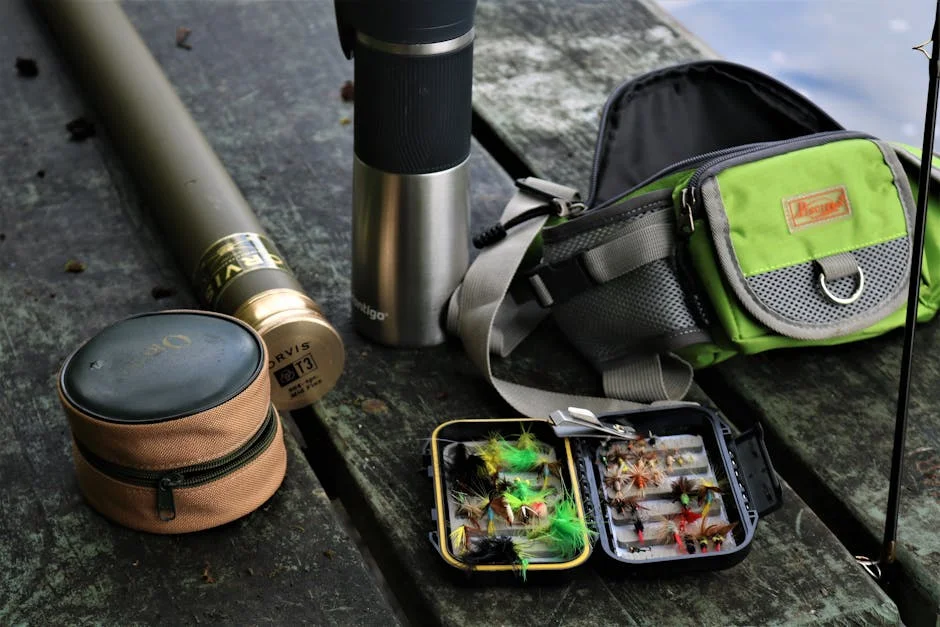
The Fishpond Westfork Wading Pack is what the Westfork does best: it makes the gear decisions before you get to the water. The chest-facing profile sits below the chin in waist-deep water, the main compartment holds two slim fly boxes and a spare spool without strain, and the integrated net clip keeps a rubber net accessible without a lanyard system that tangles in brush. Recycled mesh exterior construction cleans up after muddy days, run it under a faucet and it’s ready the next morning.
The organizational layout is specific rather than generous. There’s a tippet holder, two fly box pockets, a clip for forceps, and a small zippered front pocket for a phone or car keys. Owner reviews consistently note that it’s tight for anglers who carry more than two or three fly boxes, that’s an accurate read. For a half-day session on familiar water with a refined kit, it has everything. For a long day on new water where you want to carry multiple nymph setups and dry fly options, the capacity ceiling is real.
What field reports confirm is the vest-to-pack conversion story: anglers who switched from vests to the Westfork after wading deep runs note that the pack profile is dramatically better in the water. The Fishpond Westfork is the right answer for most wade fishers running a focused kit on familiar water.
Check current price on Amazon.
Umpqua Overlook ZS2 Sling Pack
The Umpqua Overlook ZS2 Sling Pack takes a different carry approach. Where chest packs sit centered and low, the Overlook’s sling configuration positions the main compartment on one side, which gives more raw capacity than a chest pack and makes larger items easier to access, at the cost of the centered stability that chest packs offer in deep water. The ZS2 zipper system is the differentiating feature: owner reports consistently describe one-hand access as genuinely functional, not just a marketing claim on the hang tag.
The layout is designed around fly fishing-specific organization, tippet holder, fly box slots, and net clip placement reflect actual field use rather than generic outdoor pack configuration. Verified buyers note that the Overlook competes directly with Fishpond sling options on features while landing at a competitive mid-range price point. For anglers who wade shallower water or fish smaller streams where deep wading isn’t the norm, the sling carry trades some wet-water profile for meaningful organizational space.
The honest trade-off versus the Westfork: the Overlook has more room, and Fishpond has stronger brand recognition and a longer track record in the premium fishing pack category. Both are legitimate options. Anglers who need more than two fly boxes and primarily fish water where wading depth stays moderate will find the Overlook’s capacity advantage meaningful.
Check current price on Amazon.
Orvis Clearwater Fishing Vest
Vest-style carry still has a place, and the Orvis Clearwater Fishing Vest is the clearest entry point for new anglers figuring out their system. Orvis brings genuine fly fishing-specific design thinking to the pocket layout, this is not a repurposed hunting vest or a generic multi-pocket utility garment. The configuration reflects how trout anglers actually use storage: front pockets for frequently accessed items, smaller interior pockets for backup leaders and tippet, a rear pouch for a rain jacket or waders.
The honest constraint is construction quality. Zipper and fabric durability at the budget price band does not match what Fishpond or Simms deliver at the mid-range and premium tiers. Owner reviews note zipper wear after one to two seasons of regular use, that’s consistent with what the price band supports. For an angler buying their first vest to learn whether vest-style carry works for them before committing to a premium pack, the Clearwater vest is a reasonable starting point. For anglers who’ve already decided vest carry is their system and fish multiple days per week, the investment in a more durable pack pays off quickly.
The deeper issue is that vests don’t interact well with wading in deep water. Straps waterlog, the rear D-ring for a net lanyard sits low enough to dip in waist-deep runs, and the layering-over-rain-jacket problem is real. The Clearwater is the right answer for bank fishing, small stream work, or newer anglers still building their kit.
Check current price on Amazon.
Buying Guide
Chest Pack Versus Sling Pack Versus Vest
These three carry systems solve different problems. Chest packs offer the best profile for deep wading, centered weight, low torso placement, minimal strapping that can waterlog. Sling packs offer more capacity and easier access to a larger main compartment, but the single-strap design can shift during active wading and the off-center weight is noticeable on long hikes between access points. Vests distribute weight across the shoulders, which some anglers find more comfortable for all-day use, but they waterlog easily and don’t layer well over rain jackets.
The most important factor is where you fish and how deep you wade. Waist-deep tailwater work points toward a chest pack. Moderate-depth freestone fishing with variable access and longer hikes may favor a sling pack. Bank fishing or small streams where you’re not wading past your knees opens the vest back up as a viable option.
How Much Capacity Do You Actually Need?
Before choosing a pack size, make a gear list. Not a theoretical maximum gear list, an honest inventory of what ends up in your pack after a full day on the water. For most anglers fishing familiar water, that list is shorter than expected: one or two fly boxes, two pre-tied leaders, spare tippet in two sizes, forceps, and a net. That kit fits in a chest pack without straining the zippers.
The capacity trap is buying for the exceptional day rather than the typical one. A large sling pack that can carry six fly boxes is useful for guide clients and destination trips with unfamiliar hatches. For regular outings on home water with a refined kit, that extra capacity becomes dead weight and organizational noise. Buy for the typical day. For the exceptional day, add a small hip belt bag.
Organizational Features Worth Paying For
Tippet holders that actually retain the spool tension are worth the upgrade. D-rings positioned for a right-handed angler’s net clip matter if you’re right-handed. Zipper pull tabs large enough to operate with cold or wet hands separate functional field design from desk design. These details are clearest in hands-on comparison and in owner reviews from anglers who fish in similar conditions, not in spec sheets.
The full range of fishing pack options and accessories is worth browsing before settling on a specific configuration. Pack systems within the same brand often share organizational principles, which makes upgrading within a lineup easier than switching between manufacturers.
Durability and Material Construction
Pack durability in a wade fishing context means resistance to UV degradation, abrasion from rock and brush, and the repeated wet-dry cycling that happens on every outing. Recycled mesh construction resists mildew and dries quickly. Nylon shell materials vary significantly in denier, heavier denier fabrics resist abrasion better on brushy approaches and rocky banks.
Zipper quality is the most predictable failure point across pack price bands. Owner reports on lower-budget packs consistently cite zipper wear within one to two seasons. YKK zippers with generous pull tabs are the baseline worth requiring at any price band. Inspect zipper quality before purchase, or read field reviews from anglers who’ve owned the pack through multiple seasons.
Fit and Layering Compatibility
A pack that fits well over a single fleece layer may not adjust to fit over a rain jacket or a puffy mid-layer in November. Chest pack and sling pack strap systems with meaningful adjustment range solve this problem; minimally adjustable systems don’t. Before committing, verify that the strap system accommodates the range of layering you actually fish in, early-season cold weather through summer shirtsleeves.
For anglers fishing in shoulder season conditions, this is a real constraint. Packs sized for a single layer become uncomfortable over insulated layers, and a pack that sits wrong affects casting mechanics after a few hours on the water.
Frequently Asked Questions
Is a chest pack or a sling pack better for wading deep water?
For deep wading, a chest pack is the stronger choice. The centered low-torso profile keeps the main compartment above the waterline in waist-deep conditions, and the symmetric strap design doesn’t shift during active wading. Sling packs carry more, but the off-center weight and higher strap profile both create problems in deep runs. The Fishpond Westfork Wading Pack is built specifically around this trade-off.
How many fly boxes should I plan to carry in a chest pack?
Most chest packs in the mid-range tier carry two slim fly boxes comfortably, with room for tippet, forceps, and a spare spool. For anglers who carry three or more fly boxes regularly, a sling pack with more capacity, like the Umpqua Overlook ZS2, is the more practical option. The honest answer is to count what you actually use versus what you pack out of habit and plan capacity around the real number.
Should a beginner start with a vest or a pack?
Vest-style carry is intuitive and gives new anglers easy access to many small pockets, which helps while still building a system. The Orvis Clearwater Fishing Vest is a low-commitment entry point that covers the basics without requiring a large investment before an angler knows what carry system suits their fishing style. If deep wading is part of the plan from the start, however, a chest pack from the beginning saves a conversion later.
Can I use a fly fishing chest pack over a rain jacket?
It depends on the strap adjustment range. Most quality chest packs in the mid-range and premium tiers have enough adjustment to layer over a rain jacket or light softshell. Budget packs with minimal strap adjustment often don’t. Check owner reviews specifically from anglers who fish in cold or variable conditions, strap range limitations show up clearly in field reports from shoulder-season fishing rather than in manufacturer specifications.
What’s the difference between the Fishpond Westfork and the Umpqua Overlook ZS2?
The Westfork is a chest pack: centered, low profile, best for deep wading, more limited capacity. The Overlook ZS2 is a sling pack: more capacity, one-hand ZS2 zipper access, better for anglers who carry more gear or fish moderate-depth water. Fishpond carries stronger brand recognition and a longer track record in the premium fishing pack category. The Overlook competes on features at a competitive price point and is the stronger option for anglers who consistently run out of room in chest pack configurations.