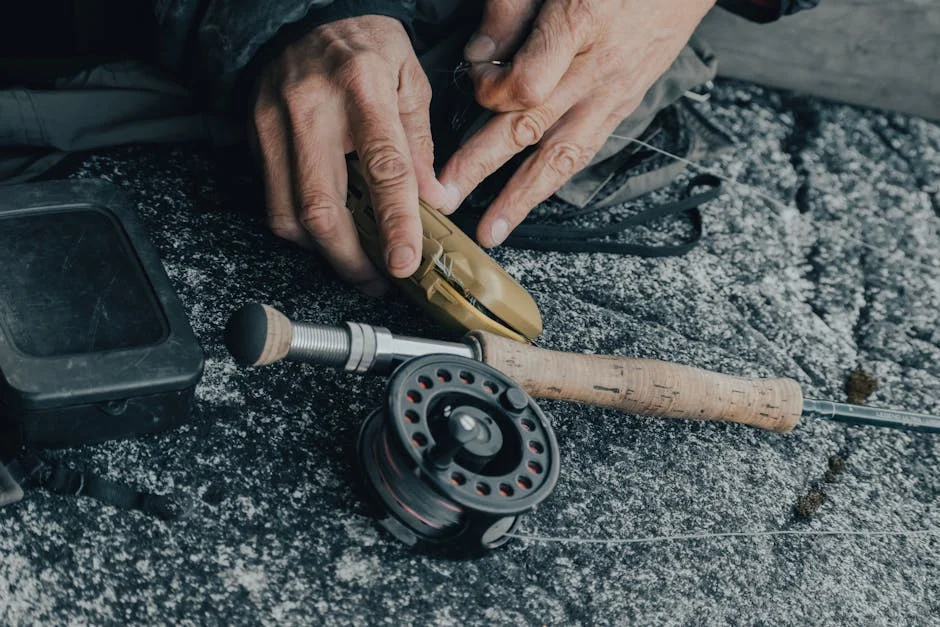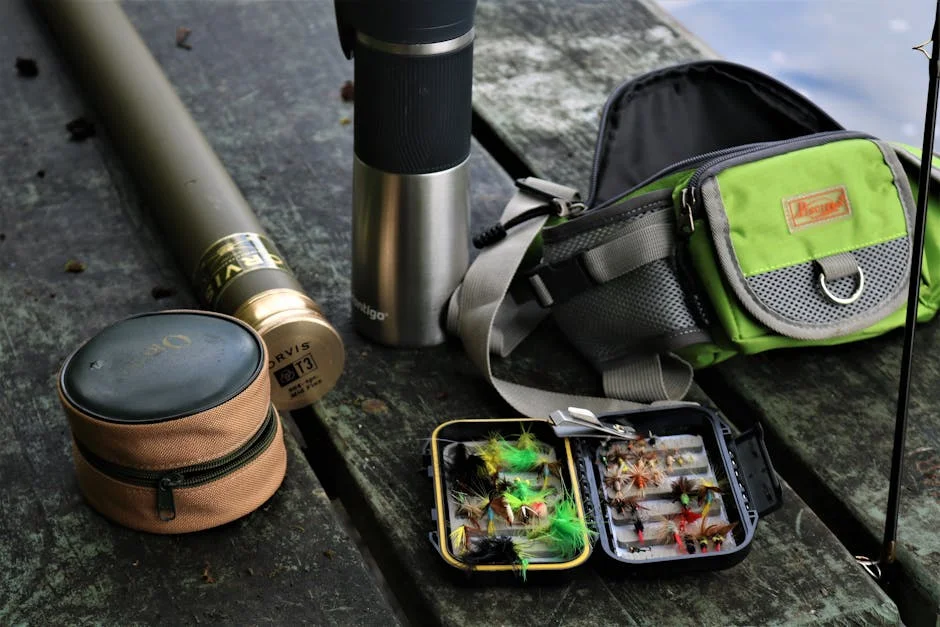
Best Saltwater Fly Reels: Top Picks for Demanding Fish

Affiliate disclosure: Some links on this page are affiliate links. If you buy through them we earn a small commission at no extra cost to you. Recommendations are research-driven; we don't claim personal use of every product reviewed. Product prices and availability are accurate as of the date published and are subject to change. Always check Amazon for current pricing before purchasing. Learn more.
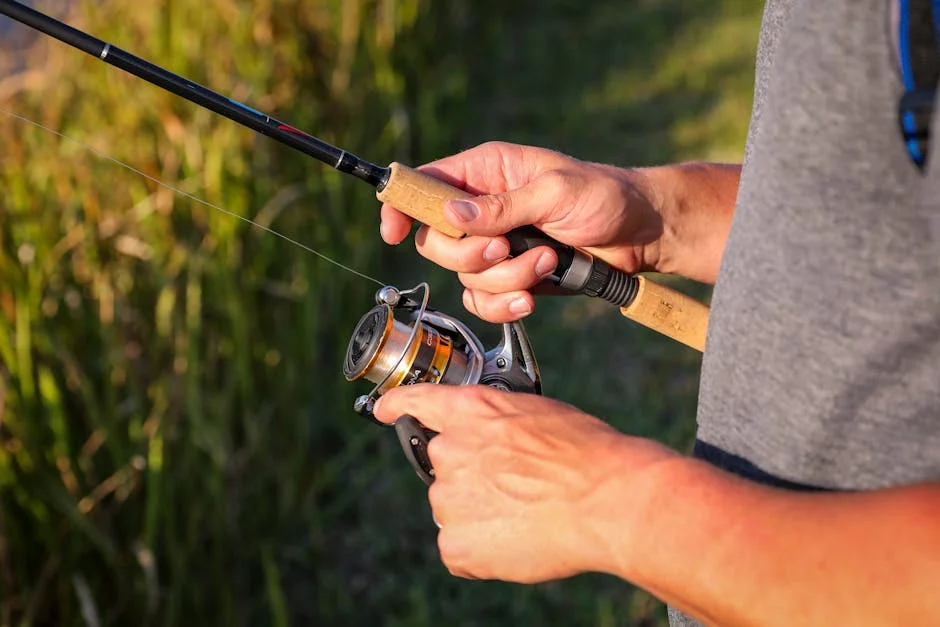
Quick Picks
Hatch Finatic 9 Plus Fly Reel
Proven Hatch Finatic reliability in a large arbor saltwater configuration
Tibor Everglades Fly Reel
Legendary status in Florida saltwater fly fishing, synonymous with tarpon reels
Buy on AmazonRedington Zero Fly Reel
Extremely lightweight click-pawl design, ideal for small streams where drag rarely matters
Buy on Amazon| Product | Price Range | Top Strength | Key Weakness | Buy |
|---|---|---|---|---|
| Hatch Finatic 9 Plus Fly Reel best overall | $$$ | Proven Hatch Finatic reliability in a large arbor saltwater configuration | Research-based, Greg defers to saltwater specialists | — |
| Tibor Everglades Fly Reel also consider | $$$ | Legendary status in Florida saltwater fly fishing, synonymous with tarpon reels | Research-based, Greg defers entirely to saltwater specialists for this category | Buy on Amazon |
| Redington Zero Fly Reel also consider | $ | Extremely lightweight click-pawl design, ideal for small streams where drag rarely matters | Click-pawl drag unsuitable for larger fish or fast runs | Buy on Amazon |
Saltwater fly fishing demands more from a reel than most freshwater applications ever will. Bonefish, tarpon, and permit don’t give you time to compensate for a drag that stutters, a single bad run can end the fight in seconds. If you’re researching fly reels for marine use, the stakes are high enough that the reel selection matters as much as the rod.
The category spans a wide range of construction philosophies and price tiers, and the right choice depends on what species you’re targeting and how seriously you pursue saltwater fishing. The three reels below represent distinct positions in that range, from a legendary American-made tarpon reel to a research-backed premium option to a click-pawl design that deserves an honest placement in this discussion.
What to Look For in a Saltwater Fly Reel
Drag System Construction
The drag is the most consequential component on any saltwater reel. Bonefish routinely strip 100 feet of line on the first run. Tarpon can run 200 feet in seconds and jump repeatedly under load. A drag system that performs flawlessly when cold, before any friction heat builds, is the baseline requirement.
Sealed drag systems matter here in a way they simply don’t on freshwater trout reels. Saltwater intrusion into a drag stack degrades performance over time, and corrosion can seize components if a reel isn’t rinsed properly after every use. The best saltwater reels use fully sealed cork or carbon fiber drag stacks with no exposure to salt, sand, or debris. Mid-range options use partially sealed designs that perform well with consistent maintenance.
Drag onset smoothness is a separate quality from maximum drag pressure. A drag that grabs hard at startup, then smooths out, will break tippet on the initial run of a fast-moving fish, exactly when the tippet is most stressed. Owner reports consistently identify drag startup as the point of failure on cheaper reels.
Large Arbor Design and Line Management
Every serious saltwater reel uses a large arbor design. The physics are straightforward: a larger diameter spool picks up line faster per revolution and maintains more consistent drag pressure as backing depletes. When a fish reverses direction after a long run, the speed at which you can recover line is the difference between maintaining tension and having a slack-line tangle.
Saltwater species also demand substantial backing capacity, commonly 200 to 300 yards of 30-pound Dacron for tarpon work. The spool must accommodate that backing plus the fly line without crowding. Reels rated for line weights appropriate to your target species will specify backing capacity in the manufacturer’s data; take that specification seriously rather than estimating by eye.
Corrosion Resistance
Aluminum construction is standard across the premium saltwater tier, but the grade, heat treatment, and anodizing process vary significantly between manufacturers. Marine-grade hard-anodized aluminum resists pitting from saltwater exposure. Stainless steel hardware throughout, screws, drag knobs, and the spool release mechanism, prevents the galvanic corrosion that occurs when dissimilar metals contact in a saltwater environment.
Rinsing a saltwater reel with fresh water after every session is non-negotiable regardless of construction quality. No reel is immune to salt damage without that maintenance step. Reels with tighter tolerances can actually trap salt in small gaps if not rinsed thoroughly, a genuine trade-off that experienced saltwater anglers manage by rinsing under running fresh water, not just wiping down.
Matching Reel to Species and Line Weight
Saltwater fly fishing covers an enormous range of applications. Fishing for redfish in shallow marsh with an 8-weight rod is a different proposition than pursuing tarpon in open water with a 12-weight. The reel must be matched to the rod’s line weight, which determines the spool size, drag range, and backing capacity needed.
Most manufacturers offer saltwater reels across a size range, a given model might come in configurations covering 7/8 through 11/12 weight lines. Buying the right size matters. Undersizing a reel for the application is a common mistake among anglers transitioning from freshwater to saltwater for the first time. The full range of fly reels appropriate for different applications is worth reviewing before committing to a size.
Top Picks
Tibor Everglades Fly Reel
Florida’s flats guides have been recommending the Tibor Everglades for decades, that consensus carries weight that no amount of spec-sheet reading can replicate. Built in Florida by Ted Juracsik, the Everglades is the reel that serious tarpon anglers name when the conversation turns to what they’d trust on a 150-pound fish.
The drag system is the defining characteristic. Tibor’s design uses a disc drag with a reputation for smooth onset and sustained performance under the kind of prolonged stress that big tarpon fishing produces. Verified buyers and Florida guides consistently note that the drag holds its calibration over a full season of hard use without the adjustment creep that affects some competing designs. For fish that can run 200 feet and jump six times, that reliability is not a minor point.
The Everglades is an American-made reel built to a standard that justifies its premium price band, but only for anglers genuinely committed to saltwater fishing at a serious level. Owner reports from the Florida flats fishing community are uniformly strong. For recreational anglers making one saltwater trip per year, the case for this price tier is harder to make. For guides and dedicated saltwater fly fishers, field evidence strongly favors this reel.
Check current price on Amazon.
Hatch Finatic 9 Plus Fly Reel
Hatch builds its reels in California, and the Finatic series has accumulated a strong ownership record across both freshwater and saltwater applications. The Hatch Finatic 9 Plus sits below the Iconic series in Hatch’s lineup while sharing the same core design philosophy: machined aluminum frame and spool, sealed drag system, and the tolerance standards that Hatch is known for.
The sealed drag is the key specification for saltwater use. Based on owner reports and the Finatic’s established reputation in the guide community, the drag onset is smooth and the system handles the heat generated by long runs without degrading. The large arbor configuration at this size is appropriate for 9- through 11-weight applications, covering the most common saltwater rod weights used for permit, bonefish, and smaller tarpon.
For anglers who want Hatch quality at a somewhat more accessible price than the Iconic series, the Finatic 9 Plus represents a logical choice. The engineering approach and construction quality are consistent across the Finatic and Iconic lines. Owner consensus across multiple saltwater applications points to a reel that performs reliably and holds up to the maintenance demands of marine use. This is a research-based assessment, saltwater specialists with direct ownership experience are the right voice for long-term durability comparisons.
Check current price on Amazon.
Redington Zero Fly Reel
The Redington Zero is not a saltwater reel, and placing it here requires explaining why it appears in this discussion at all. The Zero is a click-pawl reel designed for small-stream dry fly fishing, ultra-light, minimalist, and deliberately simple.
The Hardy Marquis sitting in the collection here sees use on the Cortland Competition Nymph rod when the fishing is small fish and the point is simplicity, no drag adjustment, no carbon stack, just a pawl and a spool. The Zero occupies the same philosophical space at a more accessible price. On a 14-inch tailwater brown, the click-pawl drag is entirely adequate, and the lightweight design keeps the rod balanced beautifully. The aesthetic is genuinely lovely.
In a saltwater context, a click-pawl drag is not a compromise, it’s a mismatch. A bonefish run will overrun the spool before a palming hand can respond. A tarpon will straighten tippet against the drag before meaningful resistance builds. The Zero earns its place in the click-pawl category for small-stream specialists. It earns no place in a saltwater bag. If the Zero is what your budget allows, the stronger choice is saving longer and buying a sealed-drag reel appropriate for marine use.
Check current price on Amazon.
Buying Guide
Understanding Why Reel Quality Matters at the Extremes
The reel is the component most freshwater trout anglers undervalue, and the component saltwater anglers cannot afford to undervalue. A stuttering drag on a tailwater brown is a story about the one that got away. A stuttering drag on a tarpon is a broken tippet, a lost fly line, or a backing knot failure under sudden load. The species you target determines how much performance margin you actually need.
Running a budget reel on a quality rod for years and assuming drag quality is irrelevant is easy to do in contexts where fish rarely get into the backing. Then a fish changes that assumption once, and the lesson costs more than the price difference between a mediocre reel and a reliable one.
Premium vs. Mid-Range, Matching Investment to Commitment
Both the Tibor Everglades and Hatch Finatic 9 Plus sit in the premium price band. That price tier is justified for anglers who guide, fish saltwater multiple times per year, or target species like tarpon where the drag faces genuinely extreme loads. For the angler making one annual saltwater trip, a mid-range sealed-drag reel from a reputable manufacturer may serve well enough, provided it has a fully sealed drag and marine-grade construction.
The mistake to avoid is buying a freshwater reel for a saltwater trip on the assumption that one trip won’t matter. Salt exposure during a single day of fishing is enough to begin corrosion on unsealed components. The construction standard, not the price point, is the threshold question.
Line Weight and Species Matching
The practical decision tree for most buyers starts with the rod already owned or planned, then selects a reel appropriate to that line weight. An 8-weight setup for redfish and snook needs a reel in a different size range than a 12-weight tarpon outfit. Most premium saltwater reels are sold in size configurations covering two or three line weights, choose the configuration that matches your rod.
Backing capacity is the secondary specification. Tarpon and large bonefish can run 200 yards. If the reel’s backing capacity falls short of what the species demands, the physics of the situation don’t negotiate. Manufacturer specifications for backing capacity are reliable guides; size up rather than squeeze in minimum backing.
Drag Calibration and Maintenance
A sealed drag system requires less maintenance than an unsealed design, but it still requires some. Fresh water rinse after every saltwater session is the minimum. Periodic drag service, the interval varies by manufacturer, keeps the system performing to its calibration. Some premium reels allow owner-serviceable drags; others are designed for factory service. Knowing which applies to your reel before you need service is the practical preparation that prevents a failed drag mid-trip.
Drag calibration also changes when a drag is cold versus warm. Set your drag before fishing, not by cranking it down tight. The standard guideline from guide communities is to set drag at approximately one-third of your tippet’s breaking strength, tight enough to tire the fish, loose enough that a fast run doesn’t snap the tippet at startup. Reviewing how the fly reels you’re considering are serviced and calibrated is worth the research time before purchase.
The Click-Pawl Question
Click-pawl reels have a genuine place in the fly fishing world. For small-stream fishing with light tippet and fish that rarely exceed 15 inches, the simplicity and weight savings are real advantages. The Hardy Marquis, the Redington Zero, and similar designs serve that application well.
The hard line is this: click-pawl drag is not suitable for saltwater fishing. No amount of palming skill fully compensates for the drag limitation when a fast-moving saltwater fish makes its first run. Buying a click-pawl reel for saltwater, even as a budget measure, is a decision owner reports consistently identify as regretted. Set that category aside when selecting a saltwater reel and focus on sealed-drag designs matched to your target species.
Frequently Asked Questions
Is the Tibor Everglades worth the price for a first saltwater fly reel?
The Tibor Everglades is built to a standard that serious saltwater anglers trust for tarpon, permit, and bonefish. For a first saltwater reel, the answer depends on commitment level, guides and dedicated saltwater fly fishers consistently justify the premium tier based on reliability under extreme loads. For anglers making one or two annual saltwater trips, a quality mid-range sealed-drag reel may be the more practical entry point. The Everglades earns its reputation, but the price tier demands genuine saltwater fishing frequency to justify.
How does the Hatch Finatic 9 Plus compare to the Tibor Everglades?
Both reels sit in the premium tier with sealed drag systems designed for serious saltwater use. The Hatch Finatic 9 Plus offers Hatch’s precision-machined California construction at a somewhat more accessible price than the top Tibor configurations. The Tibor Everglades carries Florida flats heritage and a drag system specifically proven on large tarpon. For anglers without a strong regional connection to Florida flats fishing, owner consensus suggests both reels perform reliably, the Tibor’s edge is its long record in the most demanding tarpon applications specifically.
Can I use the Redington Zero for saltwater fly fishing?
No. The Redington Zero uses a click-pawl drag designed for small-stream trout fishing where fish rarely exceed 15 inches and backing runs are uncommon. A saltwater fish’s first run, even a modest bonefish, will overpower a click-pawl drag before a palming hand can respond. The Zero is an excellent reel for its intended application and a poor choice for any saltwater species.
What line weight reel do I need for tarpon fly fishing?
Tarpon fishing typically uses 10- to 12-weight fly rods, and the reel must be matched to that line weight range with substantial backing capacity, commonly 200 to 300 yards of 30-pound Dacron. Both the Tibor Everglades and Hatch Finatic 9 Plus are available in configurations covering this range. Confirm the specific size configuration before purchasing, most saltwater reels are offered across multiple size variants, and selecting the variant matched to your rod’s line weight is the critical step.
How do I maintain a saltwater fly reel after fishing?
Rinse the reel thoroughly with fresh water after every saltwater session, running water is more effective than wiping. Pay attention to the drag knob, spool release, and any gaps in the frame where salt can accumulate. Allow the reel to dry completely before storing. Most premium saltwater reels are designed for periodic professional drag service; consult the manufacturer’s recommended service interval and follow it.