Cortland Competition Nymph Rod Review: 7 Seasons Tested

Affiliate disclosure: Some links on this page are affiliate links. If you buy through them we earn a small commission at no extra cost to you. Recommendations are research-driven; we don't claim personal use of every product reviewed. Product prices and availability are accurate as of the date published and are subject to change. Always check Amazon for current pricing before purchasing. Learn more.
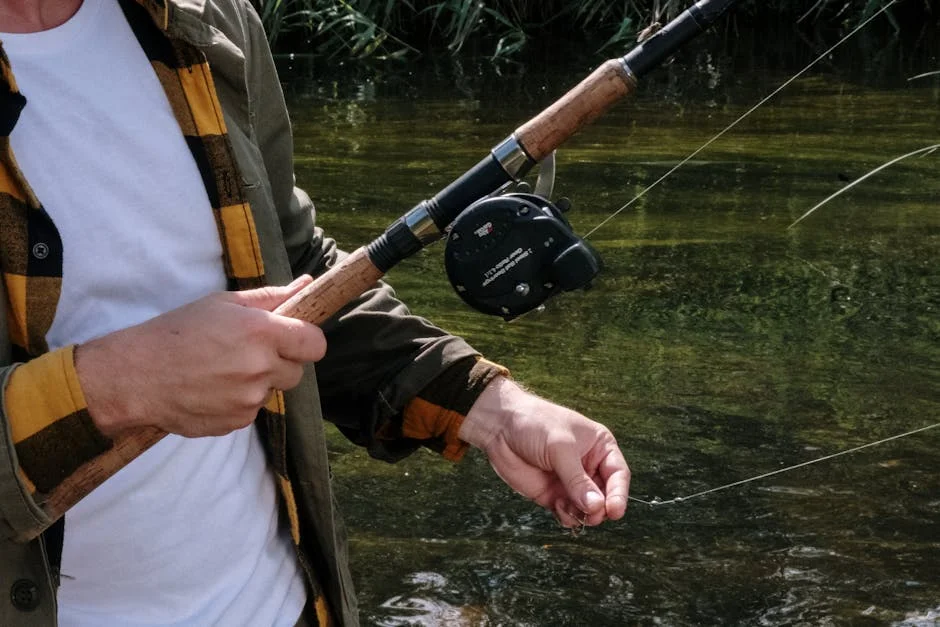
Greg's dedicated Euro nymphing tool , 10-foot 3wt geometry perfect for high-stick technique
See Cortland Competition Nymph 10' 3-Weig… on AmazonEuro nymphing has a technique problem before it has a gear problem , most anglers who struggle with tight-line contact are fighting their casting stroke, not their equipment. But once the technique is in place, the right rod makes a genuine difference. The Cortland Competition Nymph is the rod that’s been in my hand for that work since 2018. This review covers what seven seasons of use on Colorado tailwaters and beyond has taught me about it.
The fly rods market is full of Euro-specific blanks now , the category has exploded. The Cortland Competition Nymph was an early serious option, and it remains one of the strongest mid-range arguments in a field that includes rods costing twice as much.
What to Look For in a Euro Nymphing Rod
Length and Leverage
Euro nymphing technique is built on keeping line off the water. Longer rods extend your reach, let you high-stick more effectively, and give you more control over drift angle without moving your feet. Ten feet is the practical floor for serious tight-line work. Some dedicated Euro anglers run 10’6” or even 11-foot blanks, trading some casting versatility for additional reach at the far edge of their drift.
The 10-foot geometry hits a workable balance. It’s long enough to control drifts at 20 to 30 feet without over-mending, but it still handles the rare moment you want to make a short dry fly cast to rising fish. Anything longer than 10’6” starts to feel unwieldy on smaller water , the Arkansas above Salida, for instance, where a lot of your casting is 15 to 20 feet.
Line Weight and Sensitivity
Euro nymphing rods are typically built in 2- or 3-weight. The light designation isn’t about fighting fish , a 3-weight blank will handle any trout you’re realistically targeting in this technique. It’s about sensitivity. A 3-weight blank built specifically for tight-line work has a delicate tip section that transmits strike information through the rod to your hand, rather than absorbing it. On pressured tailwater fish that mouth a fly and eject it in under a second, that transmission matters.
The 3-weight is the more versatile choice for someone who wants to use the same rod for occasional indicator nymphing or light dry fly work. The 2-weight is for specialists who will never use the rod for anything but Euro nymphing and who fish primarily small flies in gentle currents. For most technical nymph anglers, the 3-weight is the right call.
Action and Blank Construction
Standard action ratings don’t apply cleanly to Euro nymphing rods. A “medium-fast” Euro nymphing blank behaves differently from a medium-fast 5-weight trout rod because the intended use case is different. What you’re looking for in a Euro blank is a progressive tip section that loads under the weight of a heavy nymph at short range, combined with a reasonably stiff mid-section that provides strike feedback without excessive wobble.
A fast-action Euro blank is not an advantage. Fast blanks are designed to load under a weighted fly line , Euro nymphing uses a thin leader and fly weight to load the rod. A blank that’s too stiff at the tip won’t telegraph take information. The engineer in me thinks about this as signal-to-noise: a well-designed Euro blank lets the signal (the take) reach your hand, while dampening the noise (current turbulence, wind drift). Exploring the full range of fly rods purpose-built for nymphing before buying is worth the effort , the performance variation is wide.
Value Relative to Specialty Price Premium
Euro nymphing rods command a price premium in most brands’ lineups because the category is specialized and the market is smaller. A mid-range Euro nymphing blank often competes directly with premium all-purpose trout rods on price. The case for spending premium-rod money on a specialty nymphing blank is strong if Euro nymphing is your primary technique , which it is for me. If you nymph occasionally and dry fly fish as much or more, a versatile 10-foot 3-weight from a general trout lineup may serve you better than a dedicated Euro blank.
Top Picks
Cortland Competition Nymph 10’ 3-Weight Fly Rod
The Cortland Competition Nymph has been my dedicated tight-line rod since 2018 , eight full seasons on the South Platte at Cheesman Canyon, the Arkansas through Salida, the Bighorn in Montana, and the Madison. It replaced a heavier 9-foot 4-weight I was running with a long leader, and the difference in technique feedback was immediate.
The 10-foot 3-weight geometry does exactly what Euro nymphing demands. High-stick position at 25 to 35 feet , the range where most of my tailwater nymphing happens , keeps nearly all the leader off the surface, and the blank’s tip section is sensitive enough to register takes that wouldn’t have registered through my old setup. On Cheesman fish, where a trout will mouth a size 20 zebra midge and spit it in under half a second, that sensitivity is the difference between a catch and a missed take.
The blank construction is not exotic by flagship standards , Cortland isn’t Sage or G. Loomis in carbon layup sophistication, and there’s no point pretending otherwise. What the blank is, though, is well-tuned for the application. The progressive tip loads under the weight of a tungsten bead nymph at 20 feet, and the mid-section recovers cleanly without the tip-wobble that plagues cheaper nymphing blanks in the same price band. Seven seasons of use and it still tracks straight and casts true. The cork grip shows wear. The rod does not.
Owner reviews and field reports from the Euro nymphing community are consistent on this point: the Cortland Competition Nymph holds its own against rods at significantly higher price points. The Sage ESN is a better rod , cleaner tip recovery, more refined feedback , but the performance gap is narrower than the price gap suggests. For most technical nymph anglers who fish 20 to 40 days a year and aren’t competing in formal Euro nymphing tournaments, the Cortland delivers the technique benefit without the flagship premium.
Check current price on Amazon.
Buying Guide
Matching the Rod to Your Technique Level
A dedicated Euro nymphing rod is a commitment to the technique. It’s a narrow-purpose tool , the Cortland Competition Nymph does one category of fishing extremely well and other categories adequately at best. Before buying, the honest question is whether Euro nymphing is your primary method or a technique you deploy occasionally.
If it’s primary , if you’re spending the majority of your river time with a tight-line leader and tungsten bead nymphs , a dedicated blank is the right call. If you nymph maybe a third of the time and fish dries and streamers the rest, a versatile 10-foot 3-weight from a general trout lineup will serve better.
Rod Length: 10-Foot vs. Longer Options
The 10-foot length on the Cortland is the right choice for most Western tailwater and freestone fishing. For Colorado water specifically , the South Platte, the Arkansas, the Frying Pan , 10 feet gives adequate reach without becoming awkward on streams with tight bankside vegetation.
Anglers targeting wide, slow spring creeks or competing in formal Euro nymphing events sometimes prefer 10’6” or 11-foot blanks. The additional reach extends drift control. But for the majority of technical nymph anglers fishing accessible Western trout water, the 10-foot geometry hits the right balance between reach and manageability. A longer rod is not inherently better , it’s better for specific water types.
Line Weight: 2- vs. 3-Weight
The 3-weight configuration is the more practical choice for most buyers. It handles the Euro nymphing application fully , sensitive enough for the technique, with enough backbone to fight fish in moderate current without excessive rod bend.
The 2-weight is a specialist option for anglers who never stray from pure tight-line work and fish primarily small flies in gentle conditions. It offers marginally more sensitivity at the cost of versatility. If there’s any chance you’ll use the rod for occasional dry fly fishing or light streamer work, the 3-weight is the right answer.
Comparing Mid-Range and Premium Euro Rods
The performance difference between a mid-range Euro rod like the Cortland and a premium blank like the Sage ESN is real. The ESN has a more refined tip recovery, cleaner feedback, and a lighter overall swing weight. Whether that difference justifies the price gap depends on your use case.
For a dedicated Euro nymph angler fishing 30 or more days a year on heavily pressured tailwaters, the premium blank is worth considering , marginal improvements in take detection add up over hundreds of drifts. For an angler transitioning to Euro nymphing from indicator methods, or fishing 10 to 20 days a year on mixed water, the Cortland delivers the technique benefit at a mid-range price point. The full landscape of fly rods purpose-built for Euro nymphing is worth reviewing before committing , the category has expanded significantly and the right choice depends heavily on how often and where you fish.
Leaders and Setup: The Rod Is Only Part of the System
The rod is the easy part of the Euro nymphing setup. Leader construction is where most anglers lose technique benefit. A poorly designed leader , wrong taper, wrong length, wrong sighter placement , will cost you more in drift quality and take detection than any rod upgrade.
The Cortland Competition Nymph performs best with a purpose-built Euro nymphing leader in the 15- to 20-foot range, with a high-visibility sighter section above the tippet. The thin running line diameter of a proper Euro leader is what allows the blank’s sensitivity to translate into detectable feedback. Running a standard leader on this rod won’t deliver the technique benefit the blank is designed to provide.
Frequently Asked Questions
How does the Cortland Competition Nymph compare to the Sage ESN?
The Sage ESN is the more refined blank , lighter in hand, with cleaner tip recovery and marginally better take feedback. The Cortland Competition Nymph delivers comparable technique performance at a mid-range price point. Owner consensus in the Euro nymphing community consistently positions the Cortland as the strongest value in the category, particularly for anglers who don’t compete formally and fish 10 to 30 days per year. The ESN earns its premium for daily-use specialists; the Cortland earns its place for everyone else.
Is the Cortland Competition Nymph too specialized for general trout fishing?
Yes, with one qualification. The Cortland Competition Nymph is a purpose-built Euro nymphing blank and handles dry fly fishing and streamer work only adequately. It’s not a rod to buy if tight-line nymphing is one of three techniques you use equally. If Euro nymphing is your primary method , as it has been for me since 2018 , the specialization is a feature, not a limitation.
What leader should I run on the Cortland Competition Nymph?
A purpose-built Euro nymphing leader in the 15- to 20-foot range, with a high-visibility sighter and a long fine tippet section. The blank is designed to transmit take information through a tight-line system , that transmission only works with a proper Euro leader. Running a standard 9-foot tapered leader loses most of the technique benefit. Leader construction has a larger impact on tight-line performance than most new Euro nymph anglers expect.
What size flies work best with the 3-weight configuration?
The 3-weight blank handles size 8 tungsten bead nymphs down to size 22 micro nymphs effectively. Most tailwater Euro nymphing falls in the size 14 to 20 range , that’s the core use case, and the Cortland excels there. For heavier rigs with large tungsten anchors and a dropper, the 3-weight manages comfortably. For very heavy streamer-nymphing hybrids with large lead-eye flies, a heavier blank is the better tool.
Is this rod appropriate for someone new to Euro nymphing?
Owner reports and field consensus suggest the Cortland Competition Nymph is a strong entry point into dedicated Euro nymphing blanks. It’s forgiving enough in tip action that technique errors don’t punish as harshly as on stiffer rods, and the mid-range price point reduces the commitment risk for someone transitioning from indicator methods. The larger investment for a new Euro nymph angler isn’t the rod , it’s the time spent learning leader construction and drift technique, which no blank can substitute for.
Cortland Competition Nymph 10' 3-Weight Fly Rod: Pros & Cons
- Greg's dedicated Euro nymphing tool , 10-foot 3wt geometry perfect for high-stick technique
- Excellent value in the Euro nymphing category compared to Sage ESN
- Highly specialized , limited versatility outside Euro nymphing
Where to Buy
Cortland Competition Nymph 10' 3-Weight Fly RodSee Cortland Competition Nymph 10' 3-Weig… on Amazon