Felt vs Rubber Wading Boots: Which Sole Grip Better

Affiliate disclosure: Some links on this page are affiliate links. If you buy through them we earn a small commission at no extra cost to you. Recommendations are research-driven; we don't claim personal use of every product reviewed. Product prices and availability are accurate as of the date published and are subject to change. Always check Amazon for current pricing before purchasing. Learn more.
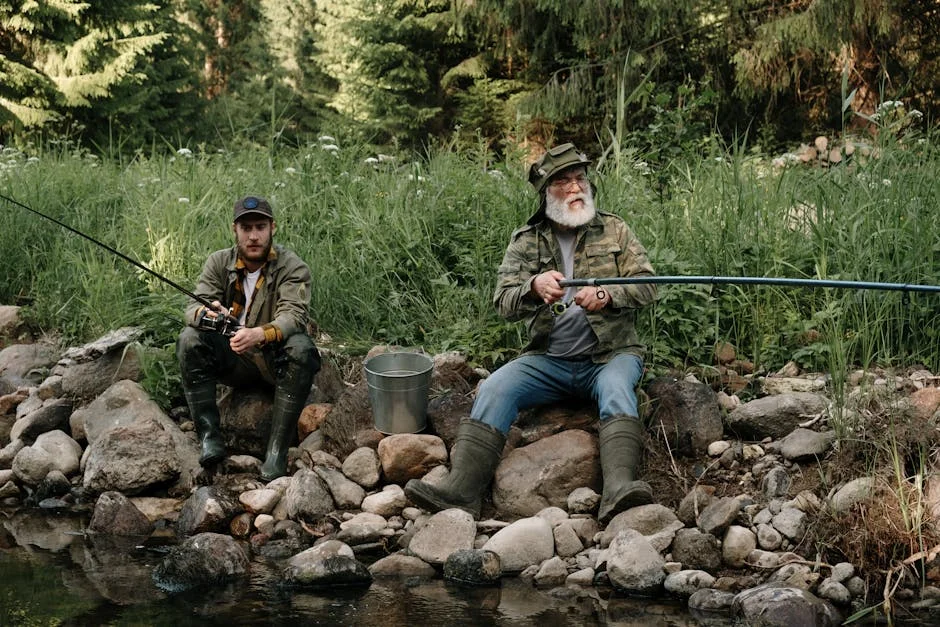
Choosing between felt and rubber wading boot soles is one of those decisions that looks simple until the river makes it complicated. Both grip differently depending on substrate, water temperature, and whether you’re crossing algae-slicked bedrock or loose freestone cobble. The answer that works on one stretch of water can get you into trouble on another. Head over to the full Waders & Wading Boots hub for context on how sole choice fits into the broader wading system.
The performance gap between felt and rubber has narrowed considerably as rubber sole technology has improved. The decision now hinges on where you fish, what those waters allow, and how much you’re willing to pay attention to conditions underfoot.
What to Look For in Wading Boot Soles
Sole Material and Traction Mechanism
Felt works the way it does because the dense fibers conform to irregular rock surfaces and create friction across a wide contact patch. On algae-covered bedrock, the kind of substrate common on high-pressure tailwaters, felt’s conforming surface grips where rubber would skate. The performance difference is real and felt advocates are not wrong to defend it.
Rubber outsoles rely on tread pattern, compound hardness, and, critically, whether metal studs are present. A plain rubber lug sole performs well on dry rock and reasonable on dry grass, but it loses grip quickly on wet, algae-slicked stone. Add aluminum studs to a quality rubber compound and the equation changes substantially. The studs bite through the slick layer and anchor against the rock beneath. On the Colorado tailwaters where felt has been banned for years, studded rubber is the practical solution that closes most of the performance gap.
Regulatory Compliance
Felt is banned in a growing number of states and river systems because the dense fiber matrix can retain water and mud for extended periods, making felt soles an effective vector for transporting aquatic invasive species, particularly New Zealand mudsnail and whirling disease spores, between watersheds. Colorado, Alaska, Maryland, Nebraska, and parts of the Pacific Northwest have either restricted or outright banned felt soles on public water.
Before purchasing wading boots with felt soles, verify what your target waters allow. If you fish across multiple states, rubber is the only choice that travels without regulatory complications. The felt ban on many Western tailwaters is warranted, and buying rubber now avoids a replacement purchase later.
Stud Compatibility and Underfoot Terrain
Some rubber-soled boots ship with studs already installed; others are stud-ready with threaded inserts. A boot with quality threading and compatible stud geometry gives you the option to add traction on slick water without buying a second pair. If the boot doesn’t accept studs, you’re limited to whatever grip the bare rubber provides.
Terrain matters too. On loose cobble rivers, the kind of freestone water common on the upper Arkansas, large metal studs can catch between rocks and create a tripping hazard rather than a traction solution. A smooth or lightly lugged rubber sole often performs better on tumbled rock than a heavily studded one. Understand your substrate before committing to a stud pattern.
Fit, Weight, and Wade Stability
A wading boot that fits poorly contributes more to falls than a moderate sole disadvantage. The boot should hold the heel firmly without slipping, wrap the ankle with lateral support, and leave enough room in the toe box for neoprene socks without cramping. Wading places specific loads on the ankle, lateral pressure from current, uneven surface transitions, sustained standing on canted rock, and a boot that shifts or compresses unevenly under those loads becomes unstable regardless of sole choice.
Weight matters on long wade-access days. Heavier boots cause fatigue, and fatigue causes sloppy footwork. Exploring the full range of wading boot options by category and weight class is worth the time before settling on a sole material.
Top Picks
Paramount Outdoors Deep Eddy Wading Boots Felt and Rubber Cleated Outsole
The Paramount Outdoors Deep Eddy occupies a useful middle position: it ships in both felt and rubber cleated configurations, which means buyers can choose sole type without switching boot models. Owner reports consistently note the felt version performs well on smooth river rock, with the felt density holding up through a full season of moderate use. The rubber cleated version gets stronger marks than plain lug soles of comparable price, particularly on mixed-surface water where the cleat profile gives it an edge over softer compounds.
The build quality sits solidly in the mid-range. The rand construction around the toe and heel shows reasonable durability in field reports, and the lacing system, a combination of traditional eyelets and speed hooks, draws consistent praise for staying secure through full wade days. The sole bonding on early production runs drew some criticism in owner reviews, but more recent reviews suggest the adhesion issue has been addressed.
For buyers who want the option to fish both felt-legal and felt-banned water with different boot setups rather than a modular sole system, the Deep Eddy offers that choice within a single model line at a mid-range price point.
Check current price on Amazon.
FROGG TOGGS Men’s Hellbender Waterproof Fishing Wading Boot
The FROGG TOGGS Hellbender is one of the longer-tenured designs in the felt wading boot category, it has been in production long enough to accumulate a substantial owner review base, and that history shows in consistent feedback patterns. Verified buyers on moderate freestone and tailwater applications report the felt sole holds grip well on the surfaces it was designed for, with no unusual wear rate at the mid-range price point.
The waterproof upper draws more mixed feedback. The construction uses a synthetic overlay with internal waterproofing treatment rather than a true membrane upper, and in extended wade sessions or deep crossings, some owners report moisture intrusion at the seam lines over time. On typical wade-access days with normal crossings, the boot performs as expected.
Fit runs slightly narrow through the midfoot in owner consensus, which matters if you’re pairing these with thick neoprene booties. Size up half a size if your neoprene socks run 3mm or heavier. The Hellbender is a credible felt option for buyers who fish felt-legal water regularly and want a proven design without moving into premium price territory.
Check current price on Amazon.
Paramount Outdoors Slate Cleated Wading Boot Rubber Bottom Wading Shoe With Metal Wading Studs
The Paramount Outdoors Slate ships with metal wading studs already installed, that’s the differentiating specification at this price point. Most mid-range rubber wading boots leave stud installation as an aftermarket upgrade; the Slate includes them from the factory, which matters for buyers who know they need studded traction on algae-slicked rock but don’t want to source and install studs separately.
Owner field reports on the stud retention are generally positive. The studs are threaded into a rubber compound that holds them without the loosening-over-time complaints that show up in lower-end studded designs. The cleated sole pattern beneath the studs provides baseline grip on dry rock and gravel, so the boot performs across a wider range of surfaces than stud-only designs.
The Slate’s upper construction parallels the Deep Eddy, synthetic overlays with drainage ports and a lacing system suited to a full day’s use. The overall weight sits in the heavier end of mid-range, which is noticeable on longer approach walks. For buyers fishing hard-bottomed tailwater that has banned felt, the factory-studded Slate is a straightforward solution without the premium price of purpose-built technical alternatives.
Check current price on Amazon.
Foxelli Wading Boots, Lightweight Fly Fishing Boots for Men, Rubber Sole Wading Shoes
The Foxelli Wading Boots make a clear design trade-off: weight is prioritized over maximum structural rigidity. The result is a boot that owner reviews describe as noticeably lighter than comparable mid-range wading boots, a meaningful advantage on long approach hikes or when wading miles of water in a single day. Fatigue reduction is a real traction benefit; an angler moving confidently on lighter feet makes fewer missteps than one grinding through miles on heavy boots.
The rubber sole is a plain lug design without factory stud installation or stud-ready inserts in the standard configuration. On dry rock and gravel bars the grip is adequate. On wet algae-covered bedrock, owner consensus is clear: the plain rubber performs below felt and below studded rubber. The Foxelli is not the right choice for high-pressure tailwater with heavy algae load on smooth rock.
Where the Foxelli earns its place is on freestone rivers with tumbled cobble and gravel substrate, warm-weather wading where quick-dry properties matter, and walk-in fishing where the weight savings translate directly into less fatigue. For buyers who primarily fish moving water with textured rock and want the lightest capable boot at this price point, the field evidence supports it as a credible option.
Check current price on Amazon.
Paramount Outdoors Stonefly Cleated and Felt Sole Wading Shoe
The Paramount Outdoors Stonefly takes a hybrid approach: a felt sole surrounded by rubber cleating along the perimeter. The design intent is to combine felt’s grip on algae-slicked flat rock with rubber’s edge protection and lateral stability on uneven terrain. Owner reports on that combination are genuinely positive on mixed-substrate water, situations where a pure felt sole would be vulnerable on the rock-to-gravel transitions common on natural rivers.
The felt pad on the Stonefly is smaller in contact area than a full felt sole by design, which means the peak grip on smooth algae-covered rock is somewhat below what a full felt sole provides. On water with predominantly smooth bedrock, a full felt sole outperforms it. On water with varied substrate, which describes most productive trout water, the hybrid holds up well.
Regulatory note: hybrid designs with any felt component are typically treated as felt soles under state regulations. Verify your target water’s specific rules before fishing a hybrid sole. If your home water permits felt, the Stonefly’s hybrid construction is a practical design that covers more ground than either material alone. For buyers already committed to felt-legal rivers, it’s the most versatile option in this group.
Check current price on Amazon.
Buying Guide
The Case for Rubber, and When It’s Not Enough
Rubber has become the default sole material on most new wading boot designs, and the regulatory pressure driving that shift isn’t going away. For buyers who fish across multiple states or plan to wade any Western tailwater system, rubber is the only practical choice. Felt bans are expanding, and a felt-soled boot purchased today may be unusable on significant water within a few seasons.
Plain rubber, however, is not a direct felt replacement on slick rock. Without studs or a high-grip compound, rubber performs poorly on algae-covered bedrock. The performance gap between felt and rubber narrows with quality studs and a hard rubber compound designed for wet rock, it doesn’t close entirely on the worst substrate, but it closes enough for most fishing situations.
Studs: Factory-Installed vs. Aftermarket
A boot that ships with studs already installed is immediately fishable on hard tailwater. A stud-ready boot without factory studs requires sourcing compatible hardware, typically Korkers, Orvis, or generic aluminum studs, installing them yourself or having a shop do it, and confirming thread pitch compatibility. That process adds time and cost but gives more control over stud pattern and density.
Aftermarket stud installation also allows targeted placement: heavier stud density in the forefoot and heel where load is highest, lighter density in the arch. Factory stud patterns are a reasonable compromise for most conditions. If you fish one type of water consistently, custom stud placement gives a meaningful advantage. Review the full range of boot and accessory options in the Waders & Wading Boots category if you’re building a studded setup from scratch.
Felt’s Actual Performance Range
Felt performs at its best on smooth, hard, algae-covered bedrock in moderate current, the substrate profile of high-gradient tailwaters and spring creeks with cobble floors. On dry rock, felt provides less grip than rubber. On sand and fine gravel, felt wears faster than rubber. On loose cobble with gaps, felt provides no particular advantage.
The honest conclusion is that felt is a specialist tool optimized for one substrate type that happens to be common on the most productive trout water in the American West. If that describes your home water and local regulations permit it, felt remains the stronger choice on that specific substrate. For buyers who fish varied water, rubber with studs covers the full range at an acceptable performance level.
Fit and Sizing for Wading Applications
Wading boots size differently from trail running shoes or hikers because they’re designed to be worn over neoprene booties or thick socks. Most manufacturers recommend sizing up one full size from street shoe size when pairing with neoprene booties. The practical test: put on the exact booties you’ll fish in, then fit the boot. The heel should lock with no slip, the toe box should have a half-inch of clearance, and the midfoot wrap should feel secure without pressure points.
Lateral ankle support matters more in wading boots than in most footwear because current loads push laterally against the ankle in ways that walking on flat ground doesn’t replicate. A boot that allows heel lift or lateral shift under current pressure is a fall waiting to happen regardless of sole traction quality.
Durability Expectations by Price Band
Mid-range wading boots, the tier all five boots here occupy, typically deliver one to three seasons of regular use before sole separation, rand delamination, or upper failure becomes an issue. The variance within that range is large. Boots with better adhesive systems and full rubber rand construction trend toward the longer end; boots with exposed seam lines and thinner overlay construction trend shorter.
The failure mode to watch is sole delamination, which typically begins at the toe or heel and progresses inward. Catching early delamination with boot adhesive extends useful life significantly. Owner reviews are a reliable leading indicator here, consistent reports of early sole failure in a specific model are a stronger signal than manufacturer warranty language.
Frequently Asked Questions
Is felt really better than rubber for wading traction?
On smooth, algae-covered bedrock in moderate current, felt provides superior grip to plain rubber, that’s a fair and honest performance claim. The gap narrows significantly with quality aluminum studs on a rubber sole, and on dry rock, gravel, and loose cobble, rubber outperforms felt. The substrate on your home water is the deciding variable. For most mixed-terrain trout rivers, studded rubber provides adequate traction across the full range of conditions.
Are felt wading boots banned in my state?
Felt is banned or restricted in Colorado, Alaska, Maryland, Nebraska, Missouri, and several Pacific Northwest systems, with the list expanding as invasive species pressure increases. The felt fiber matrix retains moisture and biological material long enough to transport aquatic invasives between watersheds. Before purchasing felt soles, verify current regulations for every water body you plan to fish, state fish and wildlife agency websites maintain current sole restriction lists.
Can I add metal studs to rubber wading boots after purchase?
Most rubber-soled wading boots designed for serious use accept aftermarket metal studs through pre-threaded inserts in the sole. Confirm that the boot you’re considering has compatible threading before purchasing studs separately. The Paramount Outdoors Slate ships with studs already installed, which removes the aftermarket step entirely. Generic aluminum studs are available from multiple manufacturers, but thread pitch varies, match stud to boot threading specifications.
How should I size wading boots relative to my regular shoe size?
Size up one full size from your street shoe size when pairing wading boots with neoprene booties. The extra volume accommodates the booty thickness without compressing the toe box or restricting circulation. The FROGG TOGGS Hellbender runs narrow through the midfoot, owner consensus recommends sizing up half a size beyond the standard neoprene allowance if your feet are wide or your booties are 3mm or heavier.
What’s the difference between a hybrid sole and a full felt sole?
A hybrid sole like the one on the Paramount Outdoors Stonefly combines a felt pad in the central contact area with rubber cleating around the perimeter. The rubber edges provide lateral stability and protection on uneven rock; the felt center provides grip on smooth substrate. Peak grip on pure algae-covered bedrock is somewhat below a full felt sole. On mixed substrate, the profile of most natural trout rivers, the hybrid performs across a broader range of conditions than either material alone.
Where to Buy
Paramount Outdoors Deep Eddy Wading Boots Felt and Rubber Cleated OutsoleSee Paramount Outdoors Deep Eddy Wading B… on Amazon