Hatch Iconic Review: Is This Premium Reel Worth It?

Affiliate disclosure: Some links on this page are affiliate links. If you buy through them we earn a small commission at no extra cost to you. Recommendations are research-driven; we don't claim personal use of every product reviewed. Product prices and availability are accurate as of the date published and are subject to change. Always check Amazon for current pricing before purchasing. Learn more.

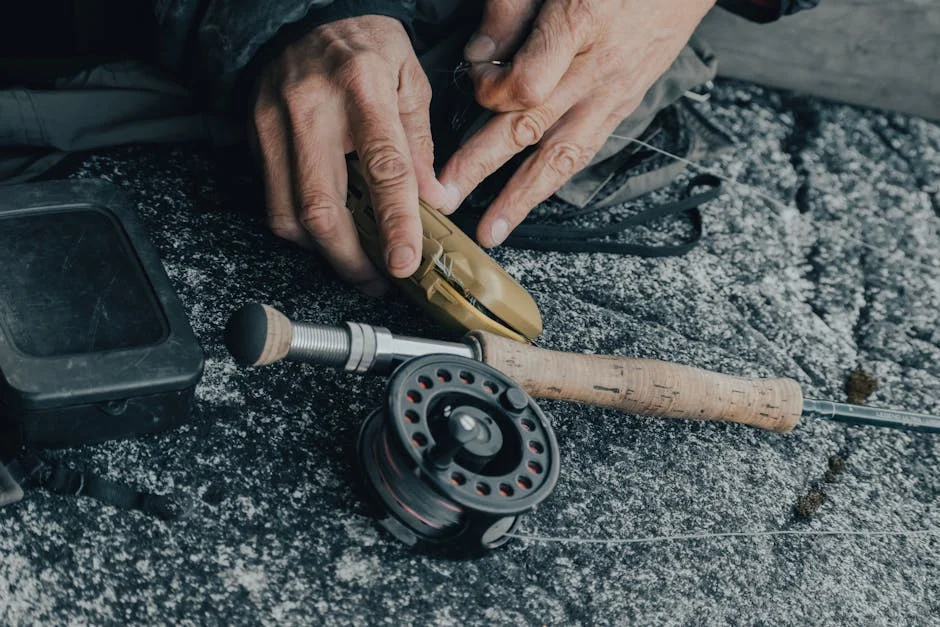
Greg's primary trout reel, American-made in Carlsbad, California
See Hatch Iconic 5 Fly Reel on AmazonHatch Iconic Review: Is This Premium Reel Worth the Price?
The Hatch Iconic 5+ is the reel on my Sage X right now, has been for five years. For buyers serious about premium fly reels, the Iconic gets mentioned in every conversation, and the question is always the same: does a reel this expensive actually fish differently than something half the price? The honest answer is complicated.
Premium reel buyers deserve a direct answer, not a gear-worship writeup. What follows is what five years of tailwater and freestone use actually reveals.
What to Look For in a Premium Fly Reel
Drag System Quality
The drag is the mechanical heart of a fly reel, and the range of quality across price points is wider than most buyers expect. At the premium end, you’re looking for a sealed, multi-disc system, typically carbon fiber or cork stacked against stainless, that delivers consistent pressure across the full range of adjustment with zero startup inertia. That last detail matters more than most buyers realize.
Startup inertia is the brief resistance spike before a drag system reaches steady running pressure. On a cheap reel, that spike can snap light tippet in the first foot of a run. On a well-engineered drag, pressure builds smoothly from zero. At the premium level, the distinction between “good drag” and “exceptional drag” is mostly felt in edge cases, a 20-inch fish turning hard in fast current, a long tailwater run where the fish never pauses.
For most Rocky Mountain trout fishing, this level of precision is genuine overkill. A fish that runs into the backing on a Colorado tailwater is an event, not a routine. Where drag quality genuinely earns its price: saltwater, steelhead, and large migratory fish in current that won’t let you follow the fish downstream.
Arbor Size and Line Recovery
Large-arbor design has become the standard in serious fly fishing over the past two decades, and for good reason. A larger arbor maintains a more consistent effective drag pressure as line comes off, a smaller spool diameter means higher drag pressure per unit of resistance as backing depletes. Large arbor also means faster line recovery on the retrieve, which matters when a fish turns and runs toward you.
The tradeoff is weight. A larger arbor requires more material, and premium reels manage this through CNC-machined aluminum frames cut to reduce mass while maintaining structural rigidity. The engineering in this category is genuinely impressive, the tolerances on a quality machined reel are tighter than most buyers will ever appreciate or need.
Material and Manufacturing Origin
Most premium fly reels are machined from bar-stock aluminum, 6061 or 7075 alloy, on CNC equipment. What separates the premium tier from the mid-range isn’t just the raw material; it’s the tolerances, the anodizing depth, and the finishing work. American-made reels in this category typically carry longer warranties and tighter fit between the frame and spool than import alternatives.
For a complete look at how premium options compare across the market, the full fly reels hub is worth browsing before committing to one category.
The case for paying premium here isn’t about performance at the 50th percentile of your fishing, it’s about performance at the 95th percentile, when the fish is large and the situation is demanding. How often that scenario occurs in your actual fishing is the honest question every buyer needs to answer before opening their wallet.
Finish Durability and Long-Term Value
Anodized aluminum holds up well in fresh water. The question is whether the finish resists salt, grit, and the mechanical wear of line contact over years of use. On quality premium reels, the finish should remain functional, not just cosmetically intact, for a decade of regular use.
The value argument for premium reels is often framed as cost-per-year. A reel that lasts fifteen years with zero maintenance issues carries a different calculus than a mid-range reel replaced every four. That argument is real, but only holds if you fish enough to justify the original outlay.
Top Picks
Hatch Iconic 5+
Five years on the Sage X, and the Hatch Iconic 5+ has never required a single thought. That’s the most accurate summary of what premium buys you: a reel that disappears from your awareness. No drag inconsistency, no corrosion, no adjustments mid-season. It simply works, every time, under any condition the South Platte or the Bighorn can produce.
The drag on the Iconic is built around a sealed multi-disc system machined in Carlsbad, California. The adjustment range runs from genuinely featherlight, appropriate for 6X tippet on a technical tailwater, to a resistance level that would stop something considerably larger than a trout. For most trout situations, the upper end of that range is never touched. The drag is overbuilt for the fishing most of us do in Colorado, Montana, and Wyoming. That overkill is a feature, not a waste: it means the system runs at a fraction of its capacity, which translates to smooth, consistent pressure for its entire working life.
The moment the Iconic’s drag earns its reputation is the one big fish per season that runs hard and fast. Owner reports from tailwater anglers consistently describe the same experience: the drag engages without a stutter, the pressure stays even, and the sound of the system under load, that deep, authoritative click, is deeply satisfying even when it happens twice a year. Before I owned the Iconic, a cheap reel’s stuttering drag cost me a 22-inch brown on the Bighorn. The drag spiked on the first run and the tippet broke clean. The reel matters less on small fish, but on the one fish per season that demands it, the difference between a precise drag and an adequate one is the fish.
The Iconic 5+ is machined from 6061 aluminum bar stock at Hatch’s Carlsbad facility. The anodized finish on mine has been in and out of water across five seasons with no meaningful wear. The spool seats with zero wobble and no play, the tolerances here are tighter than anything in the mid-range. At the premium price level, buyers are paying for American manufacturing, a drag system engineered far beyond what most trout fishing requires, and a reel that the field evidence suggests will outlast several rod generations without service issues.
The honest limitation: the price requires serious justification. For a wading angler whose typical day involves 12-inch fish and no backing, a mid-range reel with a reliable drag performs identically in practical terms. The Iconic’s premium is paid for the edge cases, the big fish, the demanding conditions, the long-term durability that makes replacement costs irrelevant. For buyers who fish those conditions regularly or simply want the best tool available, the case is strong. For casual trout anglers, the same money invested in a quality rod and quality lines returns more fishing improvement per dollar.
Check current price on Amazon.
Buying Guide
Matching Reel Size to Rod Weight
Reel sizing exists on a spectrum, and manufacturers publish recommended line weight ranges for each model. The general principle: reel weight should balance the rod at or slightly forward of the grip, and the arbor diameter should accommodate enough backing for the fish species and water type you’re fishing.
For a 5wt trout rod used on moving water, a reel in the 5/6 weight range with 50, 75 yards of 20-pound backing is adequate for the vast majority of situations. Where sizing becomes critical is at the extremes, undersized reels on heavy rods create fatigue, oversized reels on light rods kill the feel of the cast.
The Iconic 5+ is sized for 5/6 weight lines and fits the Sage X 5wt with near-ideal balance.
Click-Pawl vs. Disc Drag
The choice between click-pawl and disc drag systems is genuinely a philosophical one for trout fishing. A quality click-pawl reel, the Hardy Marquis is the classic example, provides minimal resistance, relies on the angler’s palm against the spool for any serious braking, and produces the vintage sound that many experienced anglers prefer. The system is simple, durable, and appropriate for fish that rarely run into the backing.
Disc drag systems, sealed cork or carbon stacks, provide adjustable resistance from light to heavy and are the correct choice for any situation where a fish can run far or fast enough that palming the spool becomes impractical. Steelhead, large browns in fast current, and saltwater species all argue for disc drag.
For most Colorado and Wyoming trout fishing, either system works. The click-pawl camp is not wrong. For browse of the full range of options in both categories, the fly reel hub covers the current market across price tiers.
Sealed vs. Non-Sealed Systems
Sealed drag systems matter most in saltwater and in dirty-water freshwater environments where grit, sand, or fine sediment can infiltrate unsealed components. In clean tailwater environments, the South Platte, the Bighorn, the Missouri, non-sealed drags perform well with routine maintenance.
For a reel used exclusively in clean freshwater, the sealed versus non-sealed distinction is largely academic. The real benefit of sealed systems is reduced maintenance frequency and protection against conditions outside normal trout fishing. Buyers who fish multiple environments, trout in spring, saltwater in late summer, should prioritize sealed construction for versatility.
The Iconic’s sealed drag is one reason five years of use has required zero service.
Used Market and Long-Term Value
Premium reels hold resale value better than almost any other fly fishing gear category. A ten-year-old Hatch or Abel reel with documented service history commands serious value on the used market. The Ross Animas currently on my streamer rod came used from the shop at a fraction of retail, the drag had been serviced, the function was flawless, and the only evidence of prior ownership was cosmetic.
Buyers considering premium reels should research the used market before buying new. The service interval on a quality disc drag reel is measured in years, not months, and a properly serviced used reel carries minimal additional risk compared to new. The savings can redirect toward quality lines, which affect casting performance more than any reel decision.
When the Reel Actually Matters
The reel matters least in the scenario most trout anglers face most often: moderate-sized fish on manageable water. It matters most in the narrow band of situations where something goes wrong, a large fish, fast current, light tippet, no room to follow the fish. That’s worth keeping in perspective when evaluating price tiers.
The field evidence is clear: a drag that stutters or spikes on the first run costs fish. How often those situations arise in your actual fishing determines whether premium drag performance is a meaningful purchase or a satisfying luxury.
Frequently Asked Questions
Is the Hatch Iconic worth the premium price for trout fishing?
For most Rocky Mountain trout fishing, the Iconic is genuine overkill, and that’s not a dismissal. The drag system runs at a fraction of its capacity on typical trout, which means smooth, consistent performance for the life of the reel. The price is justified by long-term durability, American manufacturing, and the assurance that the one large fish per season demanding precision drag will not expose a weakness. Buyers who fish tailwaters occasionally and keep expectations modest may find mid-range options equally practical.
What size Hatch Iconic should I buy for a 5wt rod?
The Iconic 5+ is the correct match for a 5wt rod. Hatch’s sizing convention corresponds to line weight range, the 5+ covers 5/6 weight lines and balances well with rods in the 9-foot 5wt category. The Iconic 4 is sized for lighter rods in the 3/4 weight range and holds less backing. For a standard trout setup on moving water, the 5+ is the appropriate choice and the most commonly paired size with 5wt rods like the Sage X.
How does the Hatch Iconic compare to a click-pawl reel for trout?
The comparison is more philosophical than practical for most trout anglers. A quality click-pawl reel handles the majority of trout situations with zero issues, when a fish runs into the backing, palming the spool provides all the resistance needed. The Iconic’s disc drag earns its price in edge cases: large fish, fast current, light tippet. If your fishing is primarily small-stream or light tailwater work, a click-pawl reel is a legitimate and capable alternative at a fraction of the cost.
Does the Hatch Iconic require regular maintenance?
The sealed drag system on the Iconic significantly reduces maintenance requirements compared to non-sealed alternatives. Owner reports consistently describe years of use without service issues under normal freshwater conditions. Hatch recommends periodic cleaning with fresh water and occasional inspection of the drag mechanism. For freshwater-only use on clean tailwaters and freestone rivers, annual rinsing and visual inspection is generally sufficient.
Can the Hatch Iconic handle species beyond trout?
The Iconic 5+ is rated for species well beyond typical trout. The drag adjustment range covers light trout work through moderately sized saltwater species, and the sealed construction handles saltwater exposure with proper rinsing. Verified buyers and field reports from bonefish and small tarpon applications confirm the drag performs under that level of pressure. For dedicated saltwater or large steelhead use, matching reel size to species, and consulting a specialist, is the right approach rather than pressing a trout-sized reel into service on demanding fish.
Hatch Iconic 5 Fly Reel: Pros & Cons
- Greg's primary trout reel, American-made in Carlsbad, California
- Ultra-smooth drag system handles everything from 6-inch brookies to 20-inch tailwater browns
- Extremely expensive, price requires serious justification beyond casual fishing
Where to Buy
Hatch Iconic 5 Fly ReelSee Hatch Iconic 5 Fly Reel on Amazon