Lamson Liquid Review: Mid-Range Reel for Technical Water

Affiliate disclosure: Some links on this page are affiliate links. If you buy through them we earn a small commission at no extra cost to you. Recommendations are research-driven; we don't claim personal use of every product reviewed. Product prices and availability are accurate as of the date published and are subject to change. Always check Amazon for current pricing before purchasing. Learn more.
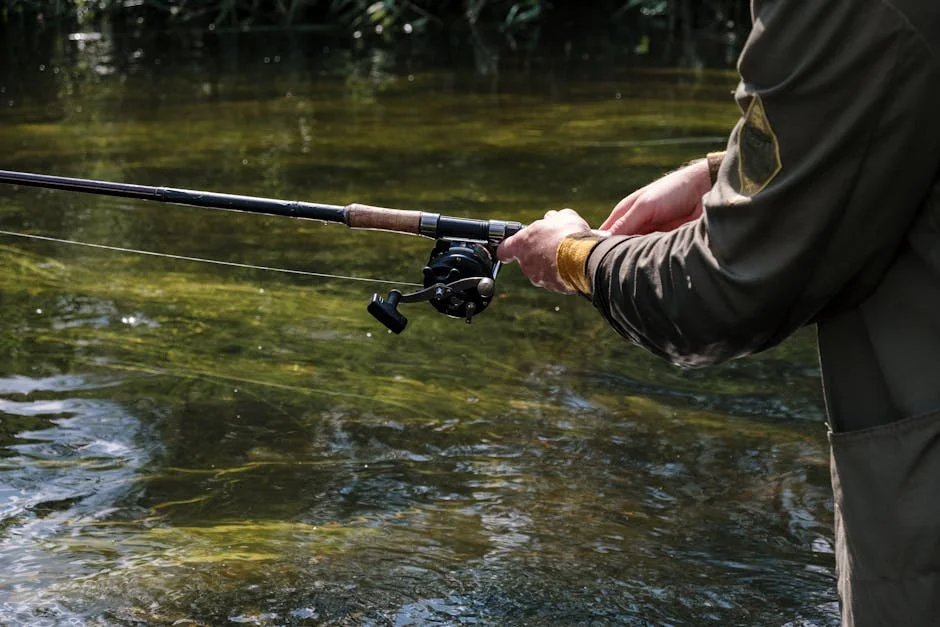
Size 3 is perfect for 3-4wt nymphing and small stream rods
See Lamson Liquid 3 Fly Reel on AmazonLamson Liquid Review: A Reel Worth Knowing
The Lamson Liquid has a reputation that punches above its price band, a mid-range reel that consistently earns praise from anglers fishing light rods on technical water. That reputation is earned, and the size 3 version deserves particular attention from anyone building a dedicated nymphing or small stream setup. For context on how the Liquid fits into the broader fly reel landscape, it’s worth understanding what makes a reel worth carrying before diving into specifics.
The case for a purpose-built light-tackle reel is stronger than most anglers assume. A reel matched to the rod and the fishing, not just the line weight, changes how a setup performs over a full day on the water.
What to Look For in a Fly Reel for Light Tackle and Nymphing
Drag System: How Much Do You Actually Need?
This question generates more debate than it deserves. The honest answer: for most Rocky Mountain trout fishing, a modest drag is enough. The fish you’re targeting on small streams and moderate tailwaters, trout running 10 to 16 inches, rarely take line against the drag. The drag is there as a backup, not as the primary fish-fighting tool.
That said, drag quality still matters. A drag that stutters or grabs instead of releasing smoothly can break light tippet on the initial run. The distinction isn’t between “good drag” and “great drag”, it’s between smooth and inconsistent. Even on small fish, an inconsistent drag costs you more than a humble but reliable one.
For 3 and 4 weight applications, the conical drag design Lamson uses, a machined conical interface rather than cork or carbon stack, provides smooth, consistent resistance across its adjustment range without the maintenance demands of other designs. Owner reports consistently point to long-term reliability without regreasing or resetting.
Arbor Size and Line Retrieval
Large-arbor design has become standard across mid-range and premium fly reels for good reason. A larger arbor reduces line memory, picks up slack quickly when a fish turns and runs toward you, and keeps the effective retrieve rate consistent as backing depletes. For Euro nymphing specifically, where you’re managing a lot of slack line and making frequent short-range adjustments, fast pickup matters.
The Liquid’s large-arbor design reflects this priority. Verified buyers note that the retrieve rate stays predictable throughout a session, which matters more for technical nymphing than most anglers realize until they’ve fished a smaller-arbor reel back-to-back.
Weight and Balance on Light Rods
Reel weight is underappreciated as a variable. A heavy reel on a 3 weight shifts the balance point of the rod toward the grip, making it feel tip-heavy during the repetitive short-cast cycles that define Euro nymphing. That fatigue compounds over four or five hours.
The Lamson Liquid 3 is machined aluminum, not the lightest material theoretically possible, but executed here with enough material removed that the finished reel is genuinely light. For 10-foot rods and longer, where balance matters most, owner feedback consistently notes that the Liquid doesn’t pull the rod out of balance. That’s the right result for exploring the range of fly reels available in this class.
Durability and Finish Quality for Everyday Use
A reel that lives in a bag, gets set on riverbank rocks, and goes out in every weather condition needs a finish that holds up without constant attention. Anodized aluminum is the standard, and not all anodizing is equal. Budget reels sometimes show wear at contact points within a season.
The Liquid’s finish holds up well by owner reports, no unusual wear at the foot, frame, or spool edges reported across multiple seasons of regular use. This matters for a reel that serves as a daily driver on a dedicated nymphing setup rather than a rotation piece.
Top Picks
Lamson Liquid 3 Fly Reel
The Lamson Liquid 3 is the reel currently on the Cortland Competition Nymph rod, paired with a size 3 for the 3 weight setup that gets the most time on Colorado tailwaters and small freestone streams. The match makes sense: a 10’6” 3 weight needs a reel that doesn’t tip the balance forward, and the Liquid 3 sits at the grip end of that range without fighting the rod.
The drag is Lamson’s conical design, which has been refined across multiple generations of their reel lineup. The range on the size 3 is narrower than on larger Liquid models, that’s expected physics, not a design flaw. For the fish this reel is designed for, the drag does exactly what it needs to: releases smoothly on the strike, holds consistent pressure through the fight, and doesn’t grab. On 5X and 6X tippet fishing deep Euro nymphing rigs to pressured South Platte fish, a drag that grabs is a drag that breaks tippet. This one doesn’t.
Line capacity is the honest limitation to understand upfront. The size 3 Liquid holds a 3 weight line and appropriate backing for small-stream and tailwater trout. Sizing up to a 5 weight is not this reel’s purpose, the capacity simply isn’t there, and the drag range reflects lighter applications. That’s the right tradeoff for a purpose-built light-tackle reel. Anglers who want one reel for everything from a 3 weight to a 5 weight should look at the Liquid 4/5 instead.
The finish on the Liquid 3 has held up to regular use without notable wear. The arbor retrieves line fast enough for nymphing situations where a fish turns toward you and slack management becomes urgent. Build quality at this price band is genuinely good, this is not a reel that requires apology when placed alongside mid-range competition. Owner consensus across verified reviews backs that assessment consistently.
Check current price on Amazon.
Buying Guide
Matching Reel Size to Rod and Line Weight
Reel sizing errors are common and consequential. A reel that’s too large for the rod throws off balance and adds unnecessary weight. A reel that’s too small creates line-capacity problems on longer fights. For a 3 weight rod, whether a 9-foot dry fly rod or a 10’6” Euro nymphing setup, a size 3 reel is the correct match. The Lamson Liquid sizes are designated to match line weights directly, which removes guesswork.
The size 3 Liquid is the correct choice for dedicated 3 weight and 4 weight light applications. If your primary rod is a 5 weight, size up to the 4/5. The platform performs consistently across sizes, the choice is about matching capacity and drag range to the fishing, not about one size being superior.
Understanding Drag Requirements by Fishing Type
For small streams and moderate tailwaters targeting trout under 18 inches, drag precision is less critical than drag consistency. The conical drag system in the Liquid provides reliable, smooth resistance without the maintenance complexity of cork or carbon stack systems. The drag range on the size 3 is appropriate for 3X through 6X tippet, which covers virtually all light-tackle trout applications in Colorado, Wyoming, and Montana.
Where the Liquid’s drag range reaches its limits: large tailwater fish in fast current, steelhead, or any situation where a fish can make a sustained run against pressure. For those applications, the Hatch Iconic or a larger-framed reel with a wider drag range is the correct answer. The Liquid is honest about its category, it doesn’t pretend to be a reel for every situation.
New Versus Used Reel Market
The used market for quality fly reels is worth considering. A reel with a sealed or conical drag system, like the Lamson design, holds up well through years of use without internal degradation, provided it hasn’t been abused. Reels with cork drag systems require closer inspection used, since cork wears and can develop flat spots.
The Liquid new is mid-range in price, not a sacrifice purchase and not a premium commitment. The used market for Lamson reels is active, and a well-maintained Liquid at a discount is a legitimate option for anglers who want to allocate budget toward rods and lines instead. Checking the drag for smooth operation and the spool for true spin covers the inspection basics. More context on what to evaluate is available in the broader fly reel guide.
Balancing a Euro Nymphing Setup Specifically
Euro nymphing rods are longer and typically lighter-actioned than standard dry fly or streamer rods. The extended reach, 10 to 11 feet is common, means the reel’s position at the butt creates a meaningful lever effect on overall balance. A heavy reel makes the rod feel tip-heavy on the forward reach; a properly matched light reel lets the rod balance closer to the grip.
The Liquid 3’s machined aluminum construction keeps weight low without sacrificing the stiffness needed for reliable drag operation. For anglers building a first Euro nymphing setup or adding a dedicated nymph reel to an existing rod, the Liquid 3 is among the most practical mid-range options available in that line-weight class.
What the Reel Doesn’t Change
A reel is not the limiting factor in most trout-fishing outcomes. Tippet selection, fly choice, presentation, and reading water matter more than the reel brand for the vast majority of sessions. The failure case worth understanding is not “this reel isn’t premium enough”, it’s “this reel isn’t appropriate for this application.” A size 3 Liquid on a 5 weight streamer rod is the wrong tool. A size 3 Liquid on a 3 weight nymphing rod is the right one.
Buy the reel that matches the fishing, not the reel that impresses at the shop counter. The Liquid earns its place in a practical rotation because it does its job without demanding attention.
Frequently Asked Questions
Is the Lamson Liquid good enough for serious fly fishing?
Owner reports and field use support a clear answer: yes, for the applications it’s designed for. The conical drag system is the same design philosophy Lamson uses across more expensive models, the Liquid line isn’t a budget compromise, it’s a deliberate category. For trout fishing in the small-stream to moderate tailwater range, the drag is smooth, the build quality holds up, and the reel doesn’t limit the fishing. It’s not the right reel for saltwater or steelhead, but those aren’t its intended applications.
What size Lamson Liquid should I buy for a 5 weight rod?
The size 3 is designed for 3 and 4 weight applications, line capacity is the limiting factor. For a 5 weight, the Lamson Liquid 4/5 is the correct size. The 4/5 provides the backing capacity and drag range appropriate for larger-arbor 5 weight fishing, including moderate tailwater fish that might run into the backing. Matching reel size to line weight is the most important sizing variable, and Lamson’s size designations map directly to line weight ranges.
How does the Lamson Liquid compare to a click-pawl reel for nymphing?
Both work for small-stream and light tailwater trout, the practical difference is drag adjustment. A click-pawl reel like the Hardy Marquis offers no drag adjustment; you palm the spool to add pressure. The Lamson Liquid 3 gives you adjustable drag range, which is more relevant when fishing light tippet and needing consistent tension on the initial strike. For technical nymphing on pressured water with 5X or 6X tippet, adjustable drag reduces break-off risk enough to matter.
Does the Lamson Liquid hold up to regular use?
Verified owner reports consistently note durable finish and reliable drag performance across multiple seasons of regular fishing. The anodized aluminum construction resists wear at contact points better than budget alternatives, and the sealed conical drag system doesn’t require annual regreasing. The reel is a daily driver, not a showcase piece, the design reflects that priority. Field reports across several seasons of tailwater and stream use don’t surface recurring durability complaints at this size and price tier.
Can I use the Lamson Liquid 3 for anything besides nymphing?
The size 3 is a capable reel for any 3 or 4 weight application, dry fly fishing, small stream work, and light nymphing all fall within its range. The limiting factors are line capacity (not suitable for 5 weight lines) and drag range (appropriate for trout, not steelhead or large saltwater fish). For a dedicated light-tackle trout reel that covers nymphing, dries, and small stream fishing on the same rod, the Liquid 3 handles all three without asking for a compromise.
Lamson Liquid 3 Fly Reel: Pros & Cons
- Size 3 is perfect for 3-4wt nymphing and small stream rods
- Same proven conical drag in a compact, lightweight package
- Size 3 limits line capacity, not suitable for 5wt or larger applications
Where to Buy
Lamson Liquid 3 Fly ReelSee Lamson Liquid 3 Fly Reel on Amazon