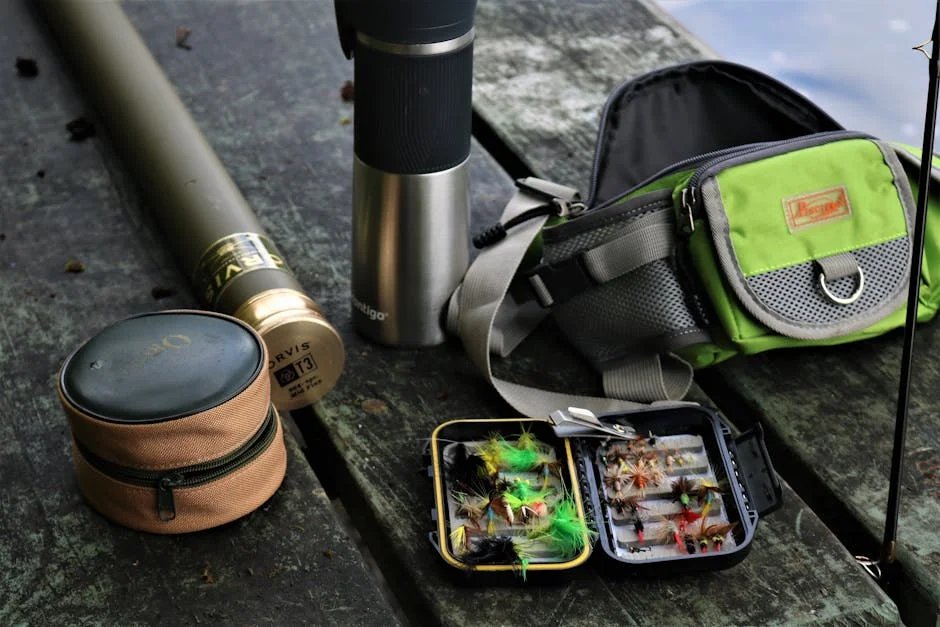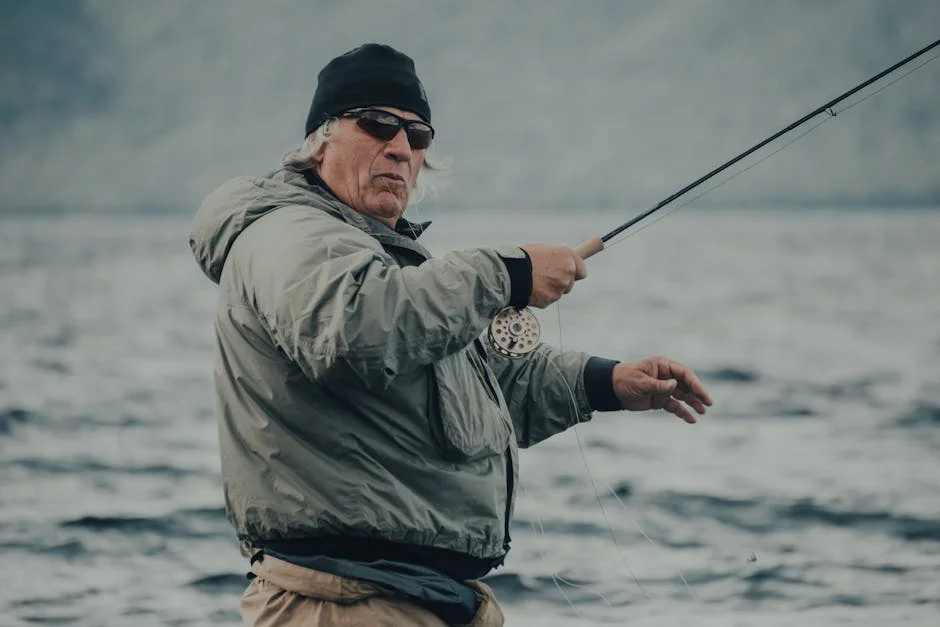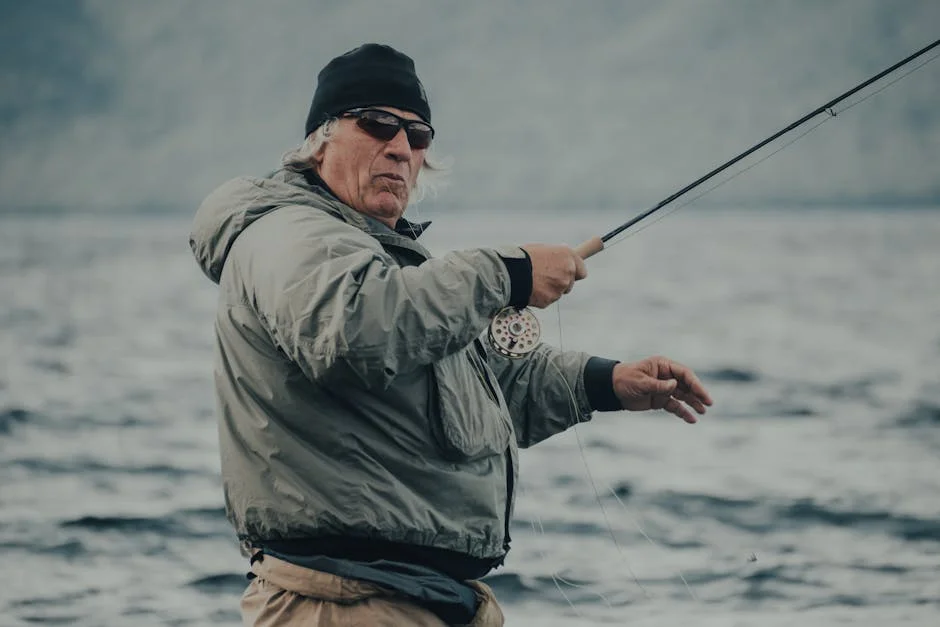
Helios 3D vs 3F Fly Rod Comparison: Which Suits Your Casting?

Affiliate disclosure: Some links on this page are affiliate links. If you buy through them we earn a small commission at no extra cost to you. Recommendations are research-driven; we don't claim personal use of every product reviewed. Product prices and availability are accurate as of the date published and are subject to change. Always check Amazon for current pricing before purchasing. Learn more.
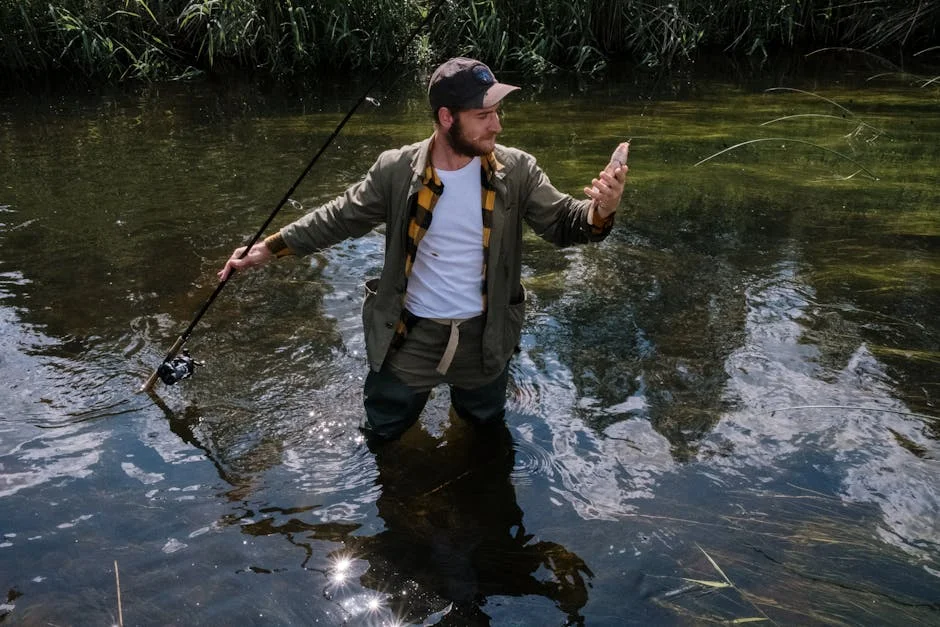
The Helios 3D and 3F are the same blank, the same guarantee, and very nearly the same rod, until they’re not. Orvis built them to serve different casting styles and different fishing priorities, and choosing between them is one of the more genuinely interesting equipment decisions in the premium 5-weight market. The answer depends less on which rod is “better” and more on what kind of fishing you actually do most.
This comparison draws on owner reviews, community field reports, and direct familiarity with the Helios 3 platform, including the Orvis Helios 3D 4-weight, which has been part of a regular small-stream rotation for several seasons. The fly rods category has a lot of strong competitors at this price level, so the distinction that matters here is specifically within the Helios 3 line.
What to Look For in a Premium 5-Weight Fly Rod
Rod Action and Casting Range
Action is the single most consequential variable in a fly rod purchase, and it’s also the variable most aggressively misrepresented in marketing. “Fast action” has become synonymous with “high performance” in the industry, but that framing mostly serves tournament casters and guides fishing big water at long distances. For the majority of trout anglers, professionals who fish 20 to 30 days a year, working tailwaters and freestone rivers at 30 to 55 feet, action is a fit problem, not a prestige hierarchy.
Fast-action rods require precise loop formation to load properly at short range. The blank wants to bend near the tip and demands that the caster provide the energy to move that stiffness. For an angler with a well-grooved casting stroke, that translates to tight loops and genuine distance. For an angler who’s still building mechanics, or who’s tired at the end of a long day, that same stiffness punishes mistakes.
Medium-fast or “feel-biased” actions load more naturally at 30 feet and telegraph the line’s weight more readily back through the cork. That feedback loop makes the rod more forgiving across a wider range of conditions. The first rod purchase that didn’t work out, a stiff blank bought on the assumption that more speed meant more distance, is a common enough experience to be almost a rite of passage. It took two seasons of fighting that rod before a medium-fast action finally made casting feel natural.
Versatility Across Presentations
A 9-foot 5-weight is the most versatile fly rod configuration in freshwater. It’s supposed to handle dry flies, nymphs, and light streamers without asking the angler to change rods between setups. The question is whether a given blank actually delivers that versatility or whether it’s optimized for one presentation and merely adequate at the others.
Distance-biased fast-action blanks are at their best throwing a dry-dropper rig into a headwind or mending line at 60 feet on a broad spring creek. They can throw a small dry, but the casting feel is clinical, less tactile feedback on the load, less sensitivity to the subtle weight of a size 18 Adams. Feel-biased actions give up a little at distance but return that sensitivity. A delicate presentation at 35 feet is a meaningfully different experience on a medium-fast blank.
If the bulk of your fishing involves indicator nymphing at medium distances and dry fly work on pocket water, the feel-biased blank will fish better more often. If you spend significant time on big rivers where 60-plus-foot casts are common, or where wind is a persistent variable, the distance-biased blank earns its specialization.
The Guarantee and Support Ecosystem
The Orvis 25-year guarantee is genuinely unusual in the premium rod category. It covers breakage under normal fishing conditions for a quarter-century without the registration friction or coverage exclusions that characterize most manufacturer warranties. For a rod at this price point, that guarantee has real financial value, it shifts the total-cost calculation meaningfully over a decade of ownership.
The support ecosystem matters beyond the warranty. Orvis retail locations offer casting instruction programs, rod demos, and in-store staff who can actually answer technical questions. That’s not nothing for a buyer evaluating a premium investment without the benefit of a local fly shop comparison cast. Community field reports and owner reviews can fill part of that gap, but handling both rods on water is worth arranging if at all possible.
Exploring the full range of fly rods at this tier before committing to a specific action bias is time well spent, the Helios 3 platform competes against strong alternatives, and the right choice for a given angler’s casting style may not be either version.
Top Picks
Orvis Helios 3D 9’ 5-Weight Fly Rod
Owner consensus on the Orvis Helios 3D places it firmly in the distance-biased, wind-capable end of the premium 5-weight market. Verified buyers on big Western rivers, the Madison, the Missouri, the larger spring creeks, note that the 3D handles the conditions those rivers impose. The blank is stiff enough to drive tight loops through a headwind, load a long leader with enough line speed to turn over a heavy dry-dropper, and hold accuracy at the distances where serious wade fishing on open water actually happens.
The trade-off is measurable and worth naming plainly. At 30 feet, the bread-and-butter distance for pocket water and many tailwater situations, the 3D requires a caster who has enough loop discipline to make the blank work. The blank doesn’t load easily at short range; it wants line speed before it gives back energy. Working backward from familiarity with the Helios 3D platform on a 4-weight: the action characteristics carry across the line. The 4-weight 3D on smaller water requires active attention to casting stroke. That observation is consistent with what owner reviews report about the 5-weight.
The 3D is the right answer for anglers who cast at or beyond 55 feet regularly, fish large rivers where wind is a variable, throw weighted dry-dropper rigs, or want a rod with enough reserve authority to handle larger fish in bigger current. It is a specialist with broad capabilities rather than a generalist. The Orvis 25-year guarantee applies, and that matters at this price band. Orvis retail support, demos, casting programs, in-store staff, is part of what the premium buys.
Check current price on Amazon.
Orvis Helios 3F 9’ 5-Weight Fly Rod
The Orvis Helios 3F is the more interesting rod for most anglers reading this comparison. The “F” designation signals feel, Orvis’s language for a medium-fast action that emphasizes load feedback and presentation sensitivity over raw distance. Verified buyers describe it as the rod that casts more naturally at the distances most trout fishing actually requires, loads willingly at 30 feet, and communicates the line’s weight back through the grip in a way that fast-action blanks don’t.
That tactile feedback matters more than it sounds in marketing copy. A rod that loads naturally at short range and telegraphs what the line is doing rewards every caster, from someone still building mechanics to a competent intermediate-advanced angler who simply wants a rod that works without demanding constant attention to stroke timing. Owner reports from tailwater anglers specifically note that the 3F handles the switch from indicator nymphing to dry fly work without asking the caster to adjust technique. The blank is forgiving enough to absorb small errors and responsive enough to reward clean loops.
Where the 3F gives ground is at distance and in heavy wind. Owner consensus and field reports are consistent: at 60-plus feet, or casting into a strong downstream wind, the 3D’s stiffer blank is the superior tool. For anglers who spend most of their time on technical tailwaters or smaller freestone rivers, that limitation rarely surfaces. The case for the 3F as the better all-around 5-weight is strong, for anglers whose fishing is mostly mixed presentations at medium distances, the feel-biased action fishes better across more of those situations than a distance-optimized blank.
Check current price on Amazon.
Buying Guide
Matching Action to Your Actual Fishing
The most common misalignment in premium rod purchases is buying the action suited for conditions that appear in fishing photography rather than the conditions you actually encounter. Big river, long cast, authoritative presentation, that’s what premium rod marketing shows. If that’s genuinely how most of your fishing goes, the 3D is the stronger tool. If most of your fishing looks like 35-foot nymph drifts on a Colorado tailwater, or dry fly work on a freestone river where the average cast is under 45 feet, the 3F fishes better on more days.
The question worth answering honestly: what is your realistic casting range on the water you fish most? Not your maximum cast, not your best cast of the day, your median cast, when you’re tired, when the wind is shifting, when you’ve been on the water for five hours.
Casting Style and Skill Level
Fast-action blanks reward casters who have built consistent loop discipline. They’re unforgiving when a casting stroke breaks down, and casting strokes break down when anglers are fatigued, in uncomfortable wading positions, or transitioning between presentations quickly. The 3D is not punishing the way an ultra-stiff tournament blank is, but it is less forgiving than the 3F in marginal casting conditions.
Medium-fast blanks like the 3F provide a wider casting window. The load telegraphs more readily, and the blank is more tolerant of timing variations. For an angler at the intermediate-advanced level who knows their mechanics but doesn’t want to manage the rod on top of reading water, the 3F reduces that cognitive load.
Presentation Type Weighting
A useful mental model: if you could only fish one presentation type for the rest of the season, which would it be? Dry fly anglers and nymphers who value tactile feedback will reach for the 3F on most days. Anglers who throw heavy dry-droppers, weighted articulated streamers on a floating line, or full indicator rigs with split shot at distance will find the 3D’s reserve power useful.
Most anglers fish all three at various points. The tiebreaker in mixed-use situations tends to be the condition that’s hardest to compensate for, and it’s much easier to cast a feel-biased rod on a big river day than to cast a distance rod delicately on technical water. That asymmetry favors the 3F for genuinely mixed fishing.
The Role of the 25-Year Guarantee
Both rods carry the Orvis 25-year guarantee. This is not a minor footnote. At the premium price band, rod breakage risk is a real consideration, premium graphite blanks are strong but not indestructible, and high-modulus carbon is more brittle than lower-modulus alternatives. The guarantee converts that risk into a known quantity. Over a decade of regular fishing, the probability of at least one tip break or section failure is meaningful. Knowing that event is covered without a significant out-of-pocket expense changes the total-cost calculation.
Considering the Broader Market
Both Helios 3 variants compete against strong alternatives in the premium fly rod tier, rods from Sage, Scott, Winston, and G. Loomis at comparable price points with their own action profiles. The case for staying within the Helios 3 platform rests partly on the guarantee, partly on the Orvis retail support ecosystem, and partly on the platform’s track record in the owner community. Those are real advantages. The case for comparing across brands before committing rests on the fact that casting feel is highly individual, and the rod that loads best for one angler’s stroke may not be the same rod that works best for another’s.
Frequently Asked Questions
What is the main difference between the Helios 3D and the Helios 3F?
The core distinction is action bias. The Orvis Helios 3D is distance-biased, a fast action optimized for generating line speed, handling wind, and casting at long range. The Orvis Helios 3F is feel-biased, a medium-fast action that loads more readily at short range and gives more tactile feedback through the grip. Both use the same blank platform and carry the Orvis 25-year guarantee.
Which rod is better for dry fly fishing?
Owner consensus and field reports favor the 3F for most dry fly situations. The feel-biased action loads naturally at the distances typical dry fly presentations require, usually 30 to 50 feet, and communicates line weight in a way that helps with delicate turnover. The 3D can throw dry flies accurately, but its fast action requires more precise stroke timing to achieve the same delicacy at short range.
Which rod handles nymphing better?
For indicator nymphing at medium distances, the 3F is the stronger choice. The medium-fast action loads willingly under the weight of a split-shot-and-indicator rig and is forgiving when the caster is managing a tight drift rather than focusing on stroke mechanics. For Euro nymphing specifically, neither 9-foot 5-weight is purpose-built, a longer, lighter rod designed for contact methods is a better tool, but between the two, the 3F’s feel feedback is more useful for sensing the subtle load changes that Euro technique depends on.
Is the Helios 3D worth choosing over the 3F if I fish big Western rivers?
The field evidence supports the 3D on large rivers where wind, distance, and heavy rigs are regular variables. Verified buyers fishing the Madison, Missouri, and similar water report that the 3D’s reserve power is genuinely useful in those conditions, not just a marketing distinction. If the majority of fishing trips involve open water, consistent wind exposure, and casts routinely beyond 55 feet, the distance-biased action earns its specialization.
Should I cast both rods before buying?
Yes, if at all possible. Orvis retail locations offer casting demos, and the difference between the 3D and 3F is real enough that it should be felt before committing at this price band. If an in-store cast isn’t accessible, owner reviews from anglers fishing similar water types and casting at similar distances are the next best proxy. The action distinction is consistent enough across reports that community consensus is a reliable guide when direct handling isn’t an option.
Where to Buy
Orvis Helios 3D 9' 5-Weight Fly RodCheck availability at Orvis →