Best 4 Weight Fly Rod: Top Picks Reviewed for Stream Fishing

Affiliate disclosure: Some links on this page are affiliate links. If you buy through them we earn a small commission at no extra cost to you. Recommendations are research-driven; we don't claim personal use of every product reviewed. Product prices and availability are accurate as of the date published and are subject to change. Always check Amazon for current pricing before purchasing. Learn more.
Quick Picks
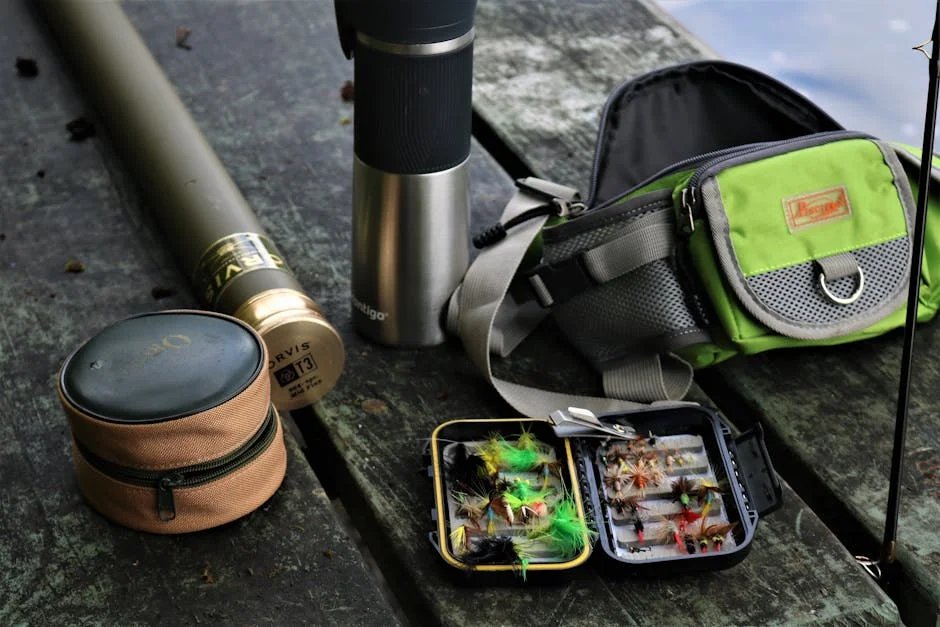
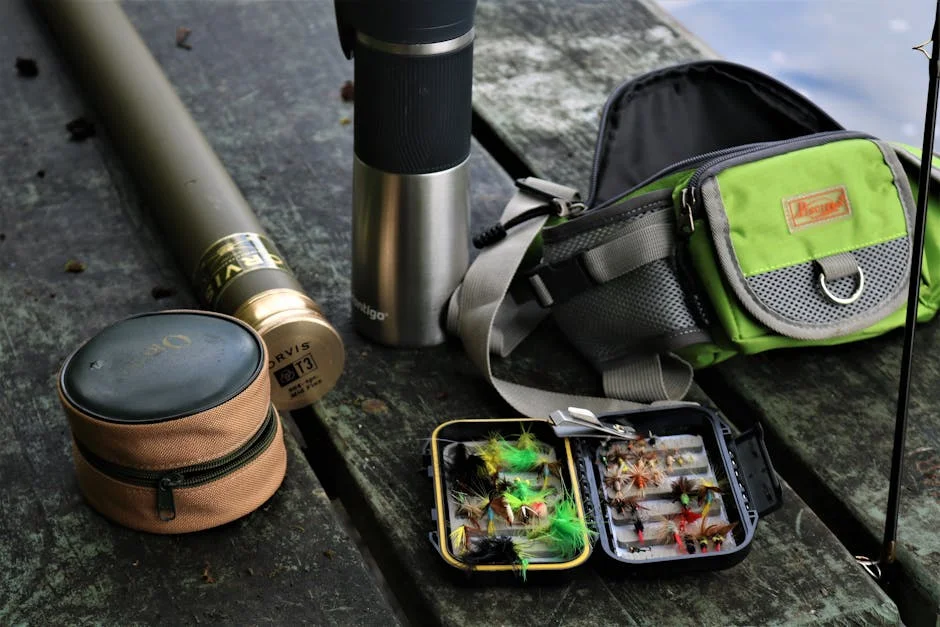
ODDV Orvis Helios 3D 9' 4-Weight Fly Rod
Distance-focused blank in a 4wt delivers impressive reach on small mountain streams
Sage X 9' 4-Weight Fly Rod
KonneticHD blank offers superb feel and sensitivity for technical presentations
Winston Air 2 9' 4-Weight Fly Rod
American-made 4wt with moderate-fast action ideal for technical presentations
Buy on Amazon| Product | Price Range | Top Strength | Key Weakness | Buy |
|---|---|---|---|---|
| ODDV Orvis Helios 3D 9' 4-Weight Fly Rod best overall | $$$ | Distance-focused blank in a 4wt delivers impressive reach on small mountain streams | D (distance) designation feels stiff for very close-range technical presentations | — |
| Sage X 9' 4-Weight Fly Rod also consider | $$$ | KonneticHD blank offers superb feel and sensitivity for technical presentations | Premium price for a specialized weight | — |
| Winston Air 2 9' 4-Weight Fly Rod also consider | $$$ | American-made 4wt with moderate-fast action ideal for technical presentations | Greg defers to ownership reviews, research-based content only | Buy on Amazon |
The 4-weight sits at an interesting crossroads in the fly fishing lineup, light enough for delicate dry fly presentations, capable enough to handle technical nymphing on pressured water. For anglers fishing fly rods in the small-to-medium stream range, the 4-weight often becomes the rod they reach for most. Getting the choice right means understanding what the blank is actually doing at the distances most of us fish.
The 4-weight market has consolidated around a handful of premium blanks that compete closely on feel, action, and execution. The differences are real but narrow, and which rod earns its place in your bag depends on your casting style, your home water, and how you weight precision versus forgiveness.
What to Look For in a 4-Weight Fly Rod
Rod Action and the Short-Range Reality
Action is the spec that fly fishing marketing pushes hardest, and it’s also the most misunderstood. Fast-action rods bend primarily in the upper third of the blank; moderate-fast rods recruit more of the mid-section. On paper, fast sounds better, more power, more distance, crisper loops. The reality is more conditional.
Fast-action 4-weights reward precise loop formation. At 50-plus feet in open water, a well-formed loop on a fast blank covers distance efficiently. At 20 to 35 feet, the range where most small-stream and tailwater fishing actually happens, a moderate-fast blank loads more naturally and tolerates imperfect timing better. The first rod bought without guidance here was a stiff fast-action blank, on the assumption that faster meant farther. It did the opposite. Two seasons of fighting a blank that wouldn’t load at short range is the kind of tuition nobody needs.
For most anglers fishing technical water at close to medium range, moderate-fast is the more useful action. Fast blanks reward skilled casters and punish everyone else.
Blank Sensitivity and Feel
Sensitivity in a fly rod blank is the ability to transmit what’s happening at the end of the line, the tick of a nymph on bottom, the pause that signals a subtle take. In a 4-weight, this matters more than in heavier rods because the flies are smaller and the takes are softer.
High-modulus carbon construction generally transmits more information than lower-modulus alternatives, but the engineering relationship isn’t linear, stiffness and sensitivity interact with taper design in ways that make a single “higher is better” heuristic unreliable. What matters in practice: whether you can feel the difference between a fly ticking off a rock and a fish picking it up. Cast the rod with a nymph rig before buying if you can. Field reports from owners who nymph regularly are more useful than spec sheets.
Warranty and Long-Term Value
In the premium 4-weight category, the warranty conversation is worth having directly. Two manufacturers offer lifetime or near-lifetime guarantees that meaningfully change the total-cost calculation on a premium-priced blank.
Orvis backs their rods with a 25-year guarantee. Winston backs theirs with a lifetime guarantee. Sage’s warranty is also strong. A rod at this price band that breaks in a streamside fall or a car door moment is a real financial event, knowing the manufacturer will rebuild or replace it changes how you think about the rod as a long-term investment rather than a one-time purchase.
Fit to Home Water
The 4-weight is a specialist’s rod, and the fit-to-water question is more important here than at 5-weight. On tight, brushy mountain streams where casts top out at 25 feet, a short 7’6” or 8’ rod in softer action makes sense. On open tailwaters with longer drifts and technical presentations, a 9-foot blank gives you more mending reach and aerial line control.
Exploring the broader range of fly rod options by line weight and length before committing to a 4-weight is worth doing deliberately, anglers who buy a 4-weight before understanding where a 5-weight ends and the 4-weight begins sometimes end up with a rod that doesn’t fit their primary water.
Top Picks
Orvis Helios 3D 9’ 4-Weight
The Orvis Helios 3D 4-Weight is the rod that gets the most time on Colorado mountain streams above Salida. The “D” in Helios 3D stands for distance, this is the stiffer, faster-loading of the two Helios 3 configurations (the “F” designation is the finesse build). In a 4-weight, that distance orientation produces a blank that tracks exceptionally straight under load and carries line efficiently at 40 to 55 feet.
On the South Platte at Cheesman, where fish see heavy pressure and presentations need to be exact, the Helios 3D 4-weight earns its place through accuracy rather than raw distance. The blank is forgiving enough at close range for tight-loop dry fly work but rewards good casting form when the drift requires a 50-foot reach. Owner reviews and field reports from Rocky Mountain tailwater anglers consistently note the rod’s tracking precision, it’s a technically demanding blank that returns what you put into it.
The 25-year Orvis guarantee matters on a rod at this price band. Mountain creek fishing involves the kind of stream falls and streamside brush encounters that test equipment. Knowing the rod is covered for a generation of fishing changes the value equation meaningfully.
Check current price on Amazon.
Sage X 9’ 4-Weight
The Sage X 4-Weight is the 4-weight version of the blank that’s been the daily driver 5-weight for years, fished on the South Platte, the Bighorn, the Madison, the Arkansas. Casting the 4-weight version at shows and through the shop confirms that Sage’s KonneticHD construction translates across line weights in a consistent way: it tracks straight, loads predictably, and doesn’t develop wobble under load.
What KonneticHD achieves mechanically is reduced resin content relative to older construction methods, which keeps the blank light in hand without sacrificing structural integrity. The 4-weight build takes that a step further, it’s a noticeably light rod for a full 9-foot blank, which matters on long days covering small-stream water where fatigue accumulates through the wrist and forearm. Verified buyers on technical dry fly water, particularly anglers fishing mountain streams in the West, consistently note that the X 4-weight handles delicate presentations well without feeling like a noodle at the 45-foot mark.
The trade-off is the same one that shows up on the 5-weight version: this is a fast-action blank, and at very close range on tight brushy water, it can feel like it wants more line in the air than you have room to put there. For open tailwaters and accessible mountain streams where casts reach into the 35-to-55-foot range, that characteristic is an asset.
Check current price on Amazon.
Winston Air 2 9’ 4-Weight
The Winston Air 2 4-Weight has a reputation among dry fly specialists that the show-casting experience and owner consensus support: this is the benchmark moderate-fast 4-weight for technical presentations. Winston builds the Air 2 in Twin Falls, Idaho, with the kind of proprietary Boron III+ construction that keeps the blank extremely light while producing a feel that most fast-action rods don’t offer.
The moderate-fast action is the key differentiator from the Helios 3D and the Sage X. Where those blanks load in the upper section and perform best when the caster is working at 40 feet or more, the Air 2 recruits the mid-section earlier, making it more forgiving at 20 to 30 feet and more comfortable for anglers whose technique is still developing precision at distance. Owner reports from small-stream dry fly anglers consistently describe it as the rod that “disappears” during fishing, it doesn’t fight you, it doesn’t demand perfect loop formation, it just delivers the fly where you’re pointing it.
For a research-based assessment here: George Daniel and other technical dry fly voices have cited the Air 2 class as a benchmark for presentation-oriented fishing. Winston’s lifetime guarantee from an American manufacturing facility adds long-term confidence. For buyers whose home water is tight, pressured, and rewards feel over distance, the field evidence favors this blank.
Check current price on Amazon.
Buying Guide
Match the Rod Action to Your Casting Level
The most consequential buying decision in the 4-weight market isn’t brand, it’s action relative to your current casting ability. Fast-action blanks like the Sage X require well-formed loops to load efficiently at short range. If your casting is still developing, a fast blank will fight you at 25 feet and produce frustration rather than accuracy. Moderate-fast blanks load more of the mid-section and tolerate imperfect timing better. Honest self-assessment here saves real money. If you’re fishing fewer than 20 days a year and haven’t worked on your cast, the moderate-fast blank is the stronger choice.
Understand the Waters You’re Fishing
A 9-foot 4-weight is not a universal small-stream tool. On tight mountain creeks where casts rarely exceed 20 feet, the length works against you, mending becomes awkward, back-casting room disappears, and a shorter rod in softer action would serve better. On open tailwaters and accessible meadow streams where 35-to-50-foot presentations are standard, the 9-foot blank earns its place through mending reach and aerial control. Know your primary water before committing. The 4-weight category in the broader fly rod lineup includes options from 7’6” to 9’ that exist precisely because small-stream fishing conditions vary this much.
The Warranty Calculus
At the premium price band, warranty terms are a legitimate decision factor, not an afterthought. Orvis offers 25 years; Winston offers lifetime. Both are meaningful on a rod that will see decades of streamside use. A rod destroyed in a car door or snapped in a stream crossing is a real loss at this price. Manufacturers that stand behind the rod long-term are accounting for that reality. Factor warranty terms into the cost-per-year math, not just the sticker price.
Fast vs. Moderate-Fast: What the Field Evidence Shows
The fly fishing marketing industry has settled on “faster is better” as its default message, and the 4-weight category is where that framing does the most damage. For working anglers fishing 20 to 30 days a year and maxing out at 50-foot casts, moderate-fast rods are objectively better fishing tools on most trout water. Fast blanks were designed for conditions that most 4-weight users rarely encounter, tournament casting distances, heavy wind, very large flies. On a 35-foot drift to a rising trout, the action difference is nearly irrelevant. At 20 feet in a headwater pocket, moderate-fast wins clearly.
When the Premium Price Band Makes Sense
The performance gap between a quality mid-range rod and a premium flagship 4-weight is real but narrower than the price gap implies. For most anglers fishing familiar water at 30 to 50 feet, both rods deliver the fly accurately. The premium blank earns its cost at the margins, exceptional wind-cutting ability, greater accuracy under fatigue, finer feel on subtle takes. If those conditions describe your fishing regularly, the case for the premium blank is strong. If you’re fishing sheltered tailwater water on calm mornings and aren’t yet casting consistently past 45 feet, a mid-range rod delivers nearly identical results.
Frequently Asked Questions
Is a 4-weight fly rod good for beginners?
A 4-weight can work for beginners, but it’s a specialist tool that rewards casting skill more than a 5-weight does. Fast-action 4-weights in particular are unforgiving at short range when loop formation isn’t yet consistent. Beginners who start on a 4-weight often fight the rod rather than learn from it. The stronger starting choice for most new anglers is a 5-weight in moderate-fast action, then move to a 4-weight once casting fundamentals are solid.
What’s the difference between the Helios 3D and the Winston Air 2 in a 4-weight?
The Orvis Helios 3D 4-Weight is a fast-action, distance-oriented blank that performs best in the 35-to-55-foot range on open water. The Winston Air 2 4-Weight is a moderate-fast blank that loads earlier, tolerates shorter-range casting better, and is widely regarded as the benchmark dry fly presentation rod in the class. If your home water is open tailwater, the Helios 3D is the stronger tool. If it’s tight, technical, and rewards feel over reach, the Air 2 has the field evidence behind it.
Should I get a 4-weight or a 5-weight as my primary trout rod?
For most trout anglers whose home water is medium-sized rivers and tailwaters, a 5-weight is the more versatile daily driver. It handles a broader range of fly sizes, turns over larger nymphs and indicators more easily, and performs better in wind. The 4-weight excels on smaller streams, for technical dry fly fishing, and anywhere delicate presentation matters more than fly turnover. Many anglers own both, the 5-weight as the workhorse and the 4-weight as the specialist.
How does the Sage X 4-weight compare to the Sage X 5-weight?
The blanks share the same KonneticHD construction philosophy and produce a very similar feel, straight tracking, predictable loading, light in hand. The 4-weight is noticeably lighter and is optimized for smaller flies and delicate presentations; it doesn’t carry the same range of fly sizes that the 5-weight handles comfortably. Anglers familiar with the Sage X 5-Weight will find the 4-weight immediately familiar in hand, but narrower in its practical application to smaller water and lighter rigs.
Does rod length matter for a 4-weight?
Yes, more than in heavier line weights. A 9-foot 4-weight is well-suited for open tailwaters and meadow streams where mending reach matters. On tight headwater creeks and brushy mountain streams, a shorter blank, 7’6” to 8’6”, often performs better because back-casting room is limited and presentation angles are tighter. Most of the premium 4-weights above are offered in a standard 9-foot four-piece configuration, which suits a wide range of open-water conditions but isn’t always the right call on very small streams.