Best Wading Boots Reviewed: Sole Types, Support & Regulations

Affiliate disclosure: Some links on this page are affiliate links. If you buy through them we earn a small commission at no extra cost to you. Recommendations are research-driven; we don't claim personal use of every product reviewed. Product prices and availability are accurate as of the date published and are subject to change. Always check Amazon for current pricing before purchasing. Learn more.
Quick Picks
Korkers Devils Canyon Wading Boots
Greg's boot choice, interchangeable soles are genuinely useful across different Colorado rivers
Buy on AmazonSimms G3 Guide Wading Boots
Premium wading boot construction to match the G3 Guide wader quality
Buy on AmazonPatagonia Foot Tractor Wading Boots
Premium wading boot designed to pair with Patagonia's wader systems
| Product | Price Range | Top Strength | Key Weakness | Buy |
|---|---|---|---|---|
| Korkers Devils Canyon Wading Boots best overall | $$ | Greg's boot choice, interchangeable soles are genuinely useful across different Colorado rivers | Interchangeable sole system adds weight compared to single-sole boots | Buy on Amazon |
| Simms G3 Guide Wading Boots also consider | $$$ | Premium wading boot construction to match the G3 Guide wader quality | Research-based, Greg wears Korkers Devils Canyon | Buy on Amazon |
| Patagonia Foot Tractor Wading Boots also consider | $$$ | Premium wading boot designed to pair with Patagonia's wader systems | Research-based, Greg wears Korkers Devils Canyon boots | — |
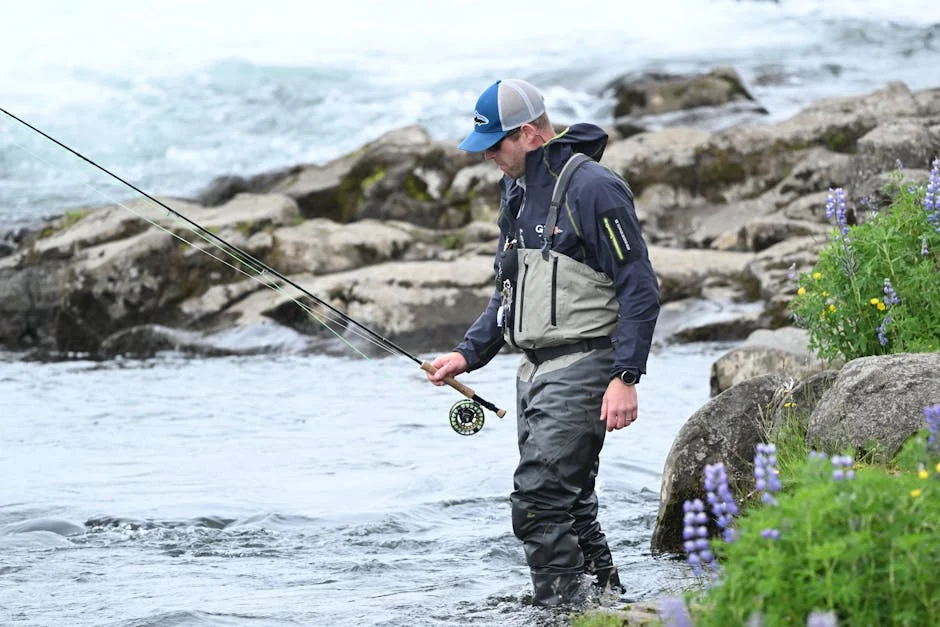
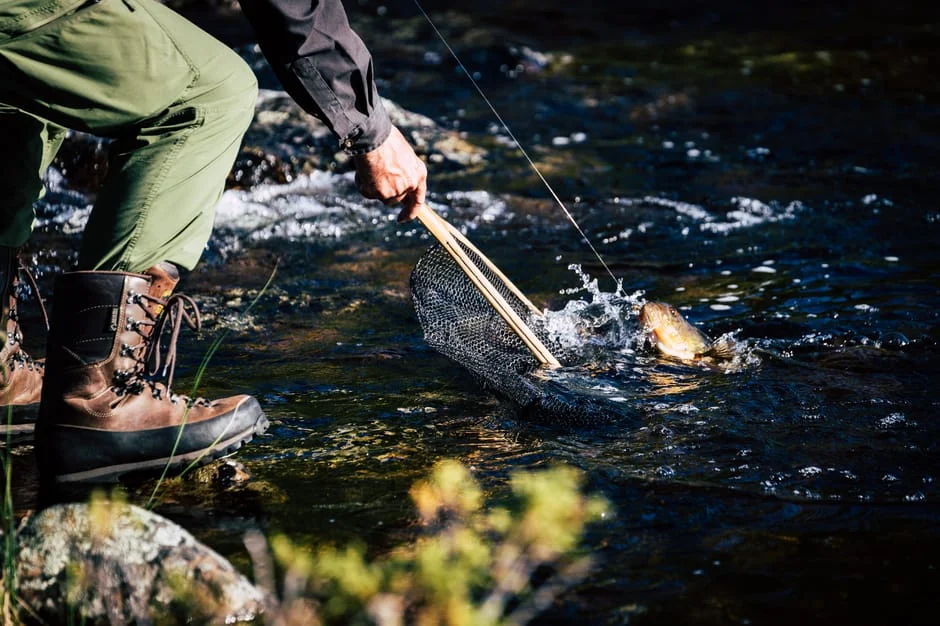
Wading boots are the part of your kit that actually touches the river, they determine whether you’re fishing confidently or white-knuckling every step across slick cobble. Choosing the right pair means understanding sole options, ankle support, and how your local water type should drive the decision. Serious buyers also need to know which state and watershed regulations apply before committing to felt. The full picture on Waders & Wading Boots is worth reviewing before you buy.
The boot market has consolidated around a few proven designs, but the variables inside those designs matter. Sole material alone can make or break a day on technical water.
What to Look For in Wading Boots
Sole Material and Traction System
This is the single most consequential decision in the wading boot category. Felt soles grip algae-covered bedrock in a way rubber simply cannot replicate, the fibers conform to microscopic surface texture and create friction where rubber slides. On a tailwater like the South Platte’s Cheesman Canyon section, that grip differential is real and meaningful.
The problem is ecological. Felt retains moisture long enough to harbor aquatic invasive species, specifically whirling disease spores, didymo, and New Zealand mudsnails, and transport them between watersheds. Colorado, along with a growing list of Western states, has restricted or outright banned felt soles on specific waters. Verify current regulations for every watershed you fish before purchasing.
Rubber soles with aluminum studs close the performance gap substantially. The studs bite into hard, slick rock in ways that plain rubber cannot, and they outperform felt on dry rock and loosely packed gravel. The Korkers OmniTrax rubber-with-studs configuration performs reliably on Colorado tailwaters, not identical to felt, but close enough to fish confidently if your technique is sound. Walking more deliberately and reading current seams before committing weight to a step covers most of the remaining difference.
Ankle Support and Boot Construction
Wading in moving water over uneven substrate puts lateral forces on your ankle that no trail shoe is designed to handle. A river crossing on Arkansas freestone with loose, rolling cobble demands a stiffer ankle chassis than a flat-water wade across gravel bars. Look for boots with reinforced ankle collars, external heel counters, and lacing systems that lock down without creating pressure points over long days.
Sole thickness matters here too. A thicker midsole absorbs impact from sharp cobble and reduces foot fatigue on multi-mile wade trips. Thin soles that prioritize packability sacrifice exactly what you need on technical water. If you’re wading more than a few hours at a stretch, fatigue compounds the risk of a misstep.
Fit and Compatibility with Wader Stocking Feet
Wading boots are sized to accommodate neoprene stocking feet, which run 3-5mm thick. Buying in your street shoe size typically means buying too small. Most manufacturers recommend sizing up one full size, though fit varies by boot last and brand. The Simms last, for example, runs narrower than some alternatives, wider-footed anglers should try before committing.
Compatibility between boot gravel guards and wader cuff design affects both comfort and debris ingestion. A poor seal at the boot-wader interface lets in gravel and grit that abrades stocking feet and shortens wader life. Check that your boot and wader brands are designed to work together, or at minimum that the boot’s gravel guard sits flush against your wader cuff. Exploring the full range of wading gear options before committing to a system saves money and frustration downstream.
Durability and Long-Term Value
Budget wading boots exist. Some of them last two seasons on light use. For anglers fishing 20 or more days a year on technical water, the math shifts. Construction quality at the sole bond, rand materials, and lacing hardware determines whether a boot reaches its third season or fails at the seam during your best fishing week of the year. Stitched and glued sole attachments outlast glue-only construction in most field reports. Metal hardware outlasts plastic. This is a category where paying for quality once is materially cheaper than replacing budget alternatives repeatedly.
Top Picks
Korkers Devils Canyon Wading Boots
The Korkers Devils Canyon boots are what’s on my feet most days on Colorado water, and the reason is the OmniTrax interchangeable sole system. Felt soles on the South Platte where algae-covered bedrock demands them, rubber with aluminum studs on the Arkansas where loose freestone cobble punishes felt and rewards grip. Switching takes under two minutes. No other boot in this category solves the multi-water problem as cleanly.
Ankle support on the Devils Canyon is legitimately stiff. The external heel counter and reinforced collar hold position on uneven substrate in ways that softer designs don’t. Owner field reports consistently flag durability as a strength, the rand construction and sole attachment hold up across multiple seasons of hard use. The interchangeable system does add some weight compared to single-sole boots, which matters if you’re covering long mileage on access trails. It’s a real trade-off, not a hypothetical one.
The felt restriction caveat is worth stating plainly. If you fish primarily in states or watersheds where felt is banned, the value of the interchangeable system drops, though you still get a high-quality rubber sole platform with the option to run studs. For anglers covering diverse Western water with varying regulations, the flexibility is the whole point. After several seasons in these boots, the case for them is strong for that audience.
Check current price on Amazon.
Simms G3 Guide Wading Boots
The Simms G3 Guide Wading Boots are designed to sit at the top of Simms’ wading system, matched in quality to the G3 Guide waders that serious anglers fish hard for multiple seasons. Verified buyers consistently note the fit as a distinguishing feature. The Simms last rewards anglers who’ve found previous wading boots too wide or too shapeless, it holds the foot securely through technical wading without creating the pressure points that looser designs produce on long days.
Available in rubber or felt sole configurations, the G3 Guide boots allow buyers to select the appropriate sole for their primary water type. The rubber sole construction is dense and well-bonded; field reports indicate it holds up through the kind of multi-season hard use that separates premium wading footwear from mid-range alternatives. For anglers who’ve already committed to the G3 Guide wader system, completing the setup with matched boots makes practical sense, the wader-boot interface is designed around Simms’ own fit dimensions.
The honest comparison with the Devils Canyon is this: the Simms G3 Guide boots are a premium single-sole platform. The Korkers offers comparable construction quality with the added flexibility of interchangeable soles, which matters for anglers who fish diverse water types. For anglers fishing one primary water type, a single tailwater, for example, the Simms system is the stronger choice on fit and finish. The premium price reflects genuine quality, not marketing.
Check current price on Amazon.
Patagonia Foot Tractor Wading Boots
The Patagonia Foot Tractor Wading Boots occupy a specific position in the market: premium rubber-soled wading boots built to complete Patagonia’s wader system and carry the brand’s environmental commitments into the footwear tier. The sticky rubber compound Patagonia uses on the Foot Tractor is purpose-formulated for wet rock grip, owner reviews report confident traction on basalt and granite substrate in moderate current, which covers most of what Western trout fishing demands.
Construction materials align with Patagonia’s sustainability sourcing standards, which is a genuine differentiator for buyers who weight that factor in purchasing decisions. The boot is designed to pair with Patagonia waders, and the wader-boot interface reflects that, anglers already fishing Patagonia’s wader lineup report a better overall system fit than mixing brands.
The durability trade-off is worth understanding before purchase. Sticky rubber compounds optimized for grip sacrifice some of the abrasion resistance that harder rubber or studded configurations provide. Field reports and owner consensus point to the Foot Tractor performing well on rock but showing more wear than studded alternatives on gravel access trails and parking lots. For anglers whose fishing involves substantial off-river hiking, that wear pattern matters. For those who wade-fish from access points with minimal dry-land travel, the grip performance warrants consideration.
Check current price on Amazon.
Buying Guide
Sole Choice Is a Regulatory Decision First
Before evaluating grip performance, identify what soles are legal on your primary water. Felt bans have expanded steadily across Western states over the past decade, and enforcement has tightened on high-traffic tailwaters. Colorado has restrictions on specific regulated waters; other states have broader prohibitions. The relevant regulations are posted by state wildlife agencies and are updated periodically, check before purchasing and re-check before every trip to an unfamiliar watershed.
If felt is unavailable to you legally, concentrate your evaluation on rubber sole quality and stud options. The performance gap between felt and quality studded rubber is real but manageable with technique. The gap between quality studded rubber and plain budget rubber on slick tailwater rock is larger than most buyers expect.
Match Boot Construction to How Hard You Wade
Not all wading situations demand the same boot. An angler who fishes manicured tailwater stretches with gravel bars and predictable footing needs less ankle reinforcement than one crossing braided freestone channels with loose rolling rock. Honest self-assessment here matters. If you regularly wade water that would make a less experienced angler turn back, prioritize stiff ankle chassis construction and robust sole attachment over weight savings. Lighter, more flexible designs serve anglers who wade conservatively on easier water without sacrificing capability they don’t need. Reviewing the range of options across the wading boot and wader category with your specific water type in mind clarifies the decision.
Sizing: Always Account for Stocking Foot Thickness
Wading boot sizing is not street shoe sizing. Neoprene stocking feet add thickness that collapses fit in a boot sized true to foot length. Most manufacturers publish a one-size-up recommendation. That guidance is correct for average stocking foot thickness, but 5mm neoprene feet in a technical wading boot may warrant going up a full size and a half. The better approach is to size with your waders on if your retailer allows it, or to understand the return policy before ordering online.
Fit at the heel is the critical measurement. A boot that allows heel lift on the draw stroke of a step will cause blisters and fatigue long before it causes a fall. Lock down the heel first, then adjust the forefoot lacing for comfort.
System Compatibility: Boot, Wader, and Gravel Guard
Wading boots and waders work as a system. The gravel guard on a wading boot is designed to sit flush against a wader cuff and create a seal that blocks grit and river debris. When boot and wader brands are mismatched, that seal is often imperfect, grit enters, abrades the stocking foot, and shortens wader life measurably. This is not a hypothetical concern. It’s the kind of degradation that’s invisible until you notice your stocking feet thinning at the sole after a season of fishing.
The practical solution is to buy boots and waders from the same manufacturer where possible, or to verify compatibility before purchase. Simms boots with Simms waders, Patagonia boots with Patagonia waders, these pairings are engineered to work together. Korkers boots pair well with multiple wader brands given the boot’s gravel guard geometry, but verify the specific pairing.
Stud Maintenance and Sole Longevity
Aluminum studs wear. The rate depends on how much off-river walking you do in wading boots, parking lots and paved access roads eat studs faster than river cobble. Carry replacement studs and a hex key on extended trips. Most stud systems accept standard replacement hardware and the swap takes minutes in the field.
Sole delamination is the failure mode to watch on any wading boot after two or more seasons. Inspect the sole bond at the rand and toe box annually. A boot that’s delaminating mid-sole can be field-repaired temporarily with Aquaseal or equivalent, but the structural integrity is compromised. Replace before the failure happens on a technical crossing.
Frequently Asked Questions
Are felt soles legal on Colorado trout streams?
Felt sole regulations in Colorado apply to specific designated waters, not statewide. Several high-traffic tailwaters, including portions of the South Platte, have prohibited felt to reduce aquatic invasive species transport. Colorado Parks and Wildlife publishes current restrictions by water body, and regulations are updated periodically. Verify before every trip to a new watershed, as enforcement has tightened on popular fisheries.
How much should I size up for wading boots?
One full size up from your street shoe size is the standard recommendation and is correct for most wading stocking feet running 3-4mm thick. Anglers using 5mm neoprene stocking feet may need to size up a full size and a half. The critical fit point is heel lock, if your heel lifts during normal walking, the boot is too large. Try sizing with waders on when possible before committing to a purchase.
How do the Korkers Devils Canyon and Simms G3 Guide boots compare?
The Korkers Devils Canyon advantage is the OmniTrax interchangeable sole system, which lets a single boot run felt, rubber, or studded rubber depending on water type and local regulations. The Simms G3 Guide Wading Boots offer a premium single-sole platform with a notably precise fit that rewards anglers who’ve found other designs too loose. For anglers fishing one primary water type, Simms’ fit and finish is the stronger argument. For anglers covering diverse water, Korkers’ flexibility is difficult to match.
Do wading boot studs damage river rock or fish habitat?
Aluminum studs cause measurably less substrate disturbance than the falls and scrambling that result from inadequate traction on slick rock. Responsible wading, minimizing time in vegetated margins, avoiding spawning redds, staying on established lines through pools, matters far more for habitat protection than stud material. Studs on soft silt substrates do disturb surface material, which argues for removing them or switching sole configurations when wading fragile tailwater substrate rather than hard bedrock runs.
Can I use wading boots with any brand of waders?
Cross-brand compatibility usually works, but the gravel guard seal between boot and wader cuff is the variable to check. A poorly fitted seal allows grit ingestion that abrades stocking feet and shortens wader life. Simms boots are engineered to seal against Simms wader cuffs; Patagonia boots pair cleanly with Patagonia waders. Korkers’ gravel guard geometry fits a wider range of wader cuffs, but verify the specific combination before relying on it for a full season of fishing.
Where to Buy
Korkers Devils Canyon Wading BootsSee Korkers Devils Canyon Wading Boots on Amazon