Fly Fishing Gear Checklist: Essential Tools and Accessories

Affiliate disclosure: Some links on this page are affiliate links. If you buy through them we earn a small commission at no extra cost to you. Recommendations are research-driven; we don't claim personal use of every product reviewed. Product prices and availability are accurate as of the date published and are subject to change. Always check Amazon for current pricing before purchasing. Learn more.
Quick Picks
HOOK-EZE Fly Fishing Zinger Retractor for Anglers Vest, Pack of 3 - Fishing Gear and Equipment for Nippers, Forceps, Fly Float Ant, Belt Loops & Backpack
Buy on AmazonCling Fishing Products Mag Grab® Mini – Compact Magnetic Fly Holder/Fly Patch & Organizer for Fly Fishing Vest, hat, Waders and Fishing Packs (Rising Dun, Orange)
Buy on AmazonFly Fishing Tools Kit and Accessories Combo Kits, Fishing Quick Nail Knot Tying Tool, Hook Remover Forceps and Pliers, Stainless Steel Salmon and Trout Multiple Fishing Set Gear Tool Assortment
Buy on Amazon| Product | Price Range | Top Strength | Key Weakness | Buy |
|---|---|---|---|---|
| HOOK-EZE Fly Fishing Zinger Retractor for Anglers Vest, Pack of 3 - Fishing Gear and Equipment for Nippers, Forceps, Fly Float Ant, Belt Loops & Backpack also consider | $ | Buy on Amazon | ||
| Cling Fishing Products Mag Grab® Mini – Compact Magnetic Fly Holder/Fly Patch & Organizer for Fly Fishing Vest, hat, Waders and Fishing Packs (Rising Dun, Orange) also consider | $ | Buy on Amazon | ||
| Fly Fishing Tools Kit and Accessories Combo Kits, Fishing Quick Nail Knot Tying Tool, Hook Remover Forceps and Pliers, Stainless Steel Salmon and Trout Multiple Fishing Set Gear Tool Assortment also consider | $ | Buy on Amazon |
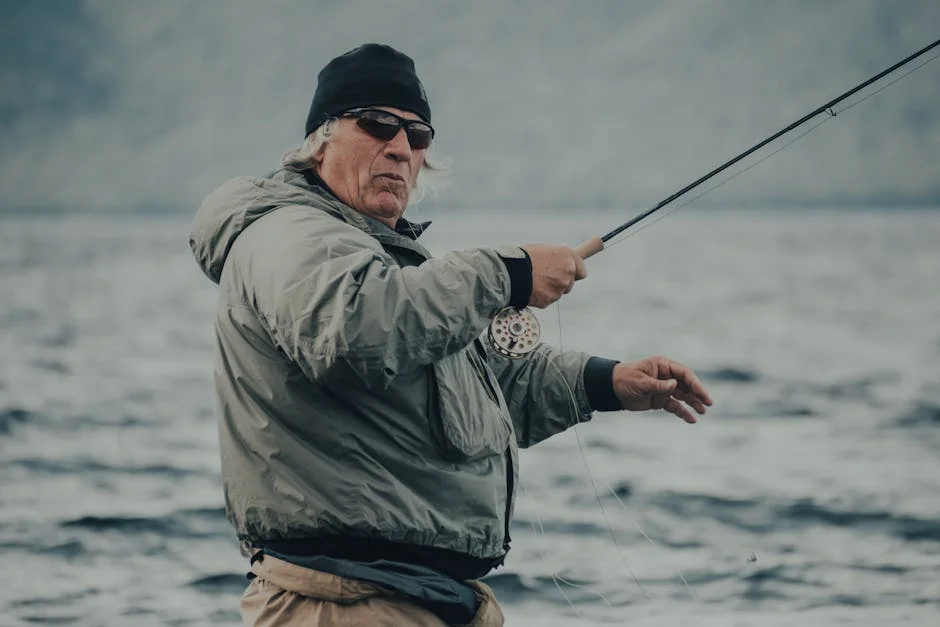
Wade fishing has a way of distilling gear decisions down to what actually matters. You can’t carry a tackle shop on your back through a strong current, and after twenty years of figuring that out the hard way, I’ve landed on a fly fishing gear checklist that covers what you actually need, organized by how and where you fish.
The checklist framework below covers the core categories: tools, accessories, and the small items that seem minor until they’re missing. I’ve also pulled in three budget-friendly picks worth knowing about, all reviewed through owner feedback and spec data. Gear decisions should be made before you reach the water, not on the bank.
The Core Fly Fishing Gear Checklist
Before getting into specific products, it helps to think about gear in functional tiers. The Packs, Nets & Tools hub is a good reference point for how these categories connect, because the pack you choose shapes almost every other item on this list.
Tier 1: Non-Negotiables
These are the items that end your day if they’re missing.
Rod, reel, and line. Match these to the water type. For Colorado tailwaters like Cheesman Canyon or Eleven Mile, a 9-foot 5-weight with a quality dry/dropper line covers most situations. Freestone water on the Arkansas is more forgiving, but you still want the right grain weight for the presentations you’re making.
Leaders and tippet. Verified buyers across most fly fishing communities note that carrying at least two pre-tied leaders and tippet in two sizes is the minimum for a day trip. On the South Platte, 5X and 6X handle the bulk of nymph and dry fly work. For big streamers on the Scott Centric, I’ll drop to 3X. The point is: decide before you leave the truck.
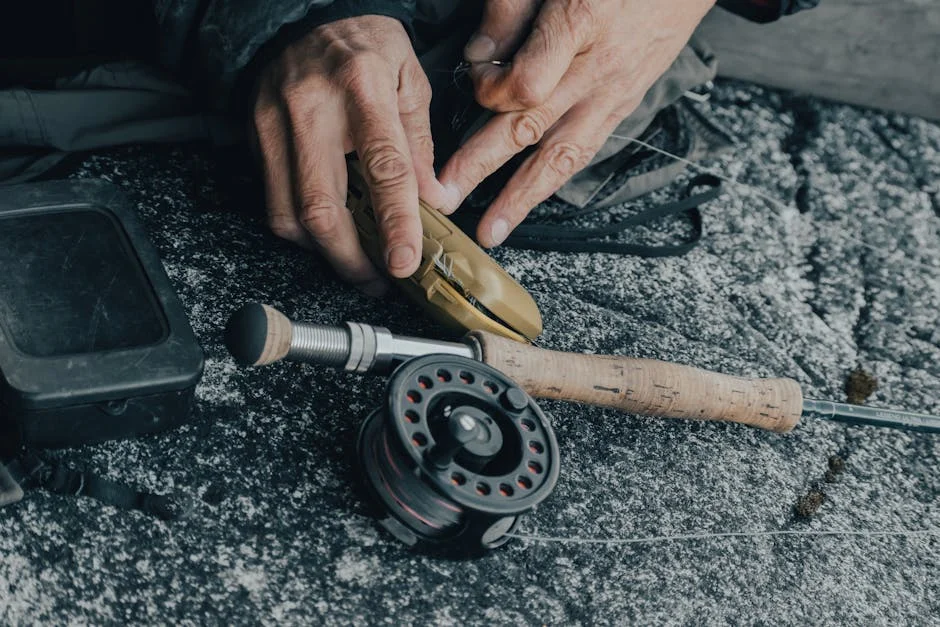
Forceps and nippers. These are not optional. A fish on the ground while you dig through a pack for forceps is a fish that suffers longer than it needs to. Keep forceps clipped and accessible. More on a kit option below.
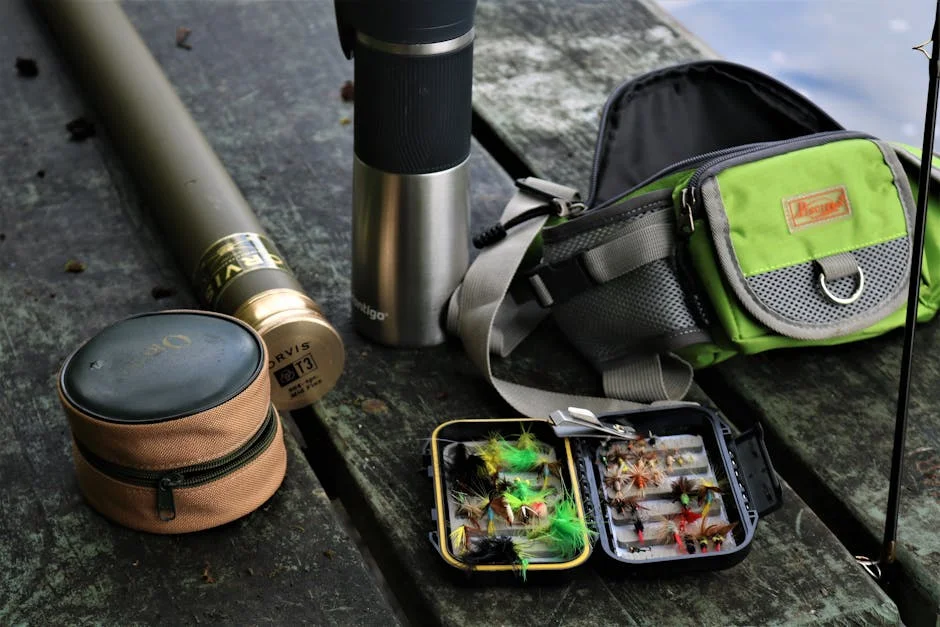
Flies. One box. Seriously. The fishing is easier when the gear decisions are already made before you get to the water. For a half-day on familiar water, one well-organized box outperforms three disorganized ones every time.
Tier 2: Strong Recommends
These items won’t end your day, but their absence creates friction.
Polarized sunglasses. Optical quality matters more than most newer anglers realize. Cheap polarized lenses cut glare but don’t always transmit the right wavelengths for spotting subsurface fish. On the South Platte, where water shifts between green-gray melt and clear spring water, lens color choice (copper or amber) makes a real difference in fish visibility.
Net. Rubber mesh, appropriately sized for your target species. A trout net for tailwater rainbows, a larger hoop for big Bighorn browns if you’re making that trip. Field reports from wade fishing communities consistently show rubber mesh reduces fin and slime coat damage compared to cotton.
Zingers and retractors. More on this in a moment, but the principle is simple: anything you reach for mid-stream should be attached and immediately accessible.
Fly patch or magnetic holder. When you’re switching flies in a current and need somewhere to park the one you just pulled off, a dedicated holder is faster and safer than stabbing it into your pack strap.
Tier 3: Situational but Worth Carrying
Thermometer. Water temperature below 55 degrees Fahrenheit changes trout behavior significantly. Above 68 on a warm freestone day in August, catch-and-release ethics argue for stopping. A small thermometer takes up almost no space.
Strike indicators. If you euro nymph on a Cortland Competition Nymph setup, you may not need these for most runs. But on wide, slow-moving water like the lower Spinney area sections, a traditional indicator rig often outperforms tight-line contact nymphing.
Spare spool. Pre-spooled with your alternate line. Swapping in the field takes 90 seconds and converts a frustrating limitation into a non-issue.
Headlamp. Early starts and late finishes happen. A compact lamp in the bottom of your pack costs almost nothing in weight.
Rain jacket. This one surprises newer anglers: a chest pack works with a rain jacket in a way a vest often doesn’t. If you run a chest pack, there’s no excuse not to have a packable rain shell available.
Buying Guide: What to Actually Think About
Water Type Shapes Every Decision
The single most important variable in any fly fishing gear checklist is whether you’re fishing tailwater or freestone. Tailwaters like Cheesman Canyon or the Missouri in Montana reward precision: smaller flies, lighter tippet, more deliberate presentations. Freestone water like the Arkansas is more forgiving of heavier tippet and bigger flies, but it demands better reading of variable flows. Your gear should reflect the water, not just your preferences.
The Packs, Nets & Tools section breaks out specific product categories if you need to build up one area in particular, whether that’s landing nets, pack systems, or tools.
Pack System Drives Organization
After my third summer of wading deep runs where pack straps got waterlogged, I switched from a vest to a chest pack. The profile sits lower and stays out of the water when you’re in to your waist. It’s tighter on organization for a full day, but for familiar water and a half-day session, it holds everything on this list comfortably. The pack you choose determines how accessible every other item is. Poor organization costs you time and sometimes costs fish. Build the pack system first, then fit the accessories to it.
Tools: Durability Over Feature Count
Forceps, nippers, and knot tools take real abuse. They get dropped on cobble, dunked in cold water, and clipped and unclipped hundreds of times per season. Budget tools can work fine if they’re constructed from stainless steel rather than aluminum or coated steel. Field reports on several budget kits indicate that the weakest point is usually the hinge or locking mechanism on forceps, not the cutting edge on nippers. Prioritize solid construction at the hinge before worrying about brand name.
Accessibility vs. Capacity
This is a real trade-off in pack and accessory selection. A vest carries more, but a chest pack keeps your most-used items within arm’s reach without digging. Zingers and magnetic patches solve the mid-stream accessibility problem for your two or three most frequently swapped items. The principle: the items you reach for most often should require the fewest steps to access. Everything else can be deeper in the bag.
Checklists Work Best When They’re Stable
Owner reviews across fishing communities consistently show that anglers who run the same core kit every trip make faster decisions on the water. When you know exactly where your forceps are and exactly which fly box is in your pack, you spend more time fishing and less time managing gear. Build a stable checklist, resist the urge to add items every season, and only update it when something genuinely fails you on the water.
Top Picks for Your Fly Fishing Gear Checklist
HOOK-EZE Fly Fishing Zinger Retractor
The HOOK-EZE Fly Fishing Zinger Retractor addresses one of the more practical problems in wade fishing: keeping tools accessible without dedicating mental energy to their location. This is a pack of three zingers, which means you can outfit forceps, nippers, and a third tool simultaneously. Spec data shows a retractable cord design compatible with vest D-rings, belt loops, chest packs, and sling pack attachment points.
Verified buyers note that the retractor tension is appropriate for tool weight: firm enough to stay taut against a pack strap, light enough that it doesn’t pull the tool upward when you’re trying to use it. Owner reviews from fishing communities flag the value of getting three per pack at a budget price point, since zingers wear out and having a spare on hand avoids a mid-season scramble.
The limitation noted by some buyers is that the clip hardware can show wear after extended use in heavy moisture environments. Saltwater anglers in particular flag corrosion on the clip mechanism after repeat exposure. For Colorado wade fishing, this is a minor concern but worth knowing if you’re planning a Keys or Belize-style trip and want to use the same retractors.
Check current price on Amazon.
Cling Fishing Products Mag Grab Mini
The Cling Fishing Products Mag Grab Mini is a compact magnetic fly holder designed to attach to a vest, hat brim, wader bib, or pack strap. The concept solves a specific problem: you pull a fly off your tippet, need somewhere to park it quickly while you re-rig, and you don’t want to stab it into your sleeve or drop it in the current.
Verified buyers report that the magnet strength is well-calibrated for standard trout hook sizes, holding flies securely without requiring force to retrieve them. Owner reviews note it handles size 14 through size 22 patterns reliably, which covers the bulk of South Platte tailwater work. Some reports indicate size 8 or larger streamers can move around on the magnetic surface, so it’s better suited to smaller nymph and dry fly patterns than to big articulated ties.
The profile is genuinely compact. Field reports from fishing communities note it doesn’t snag on wading jackets or create interference with pack straps the way some larger fly patches can. At a budget price point and with multiple color options, this is a low-risk addition to any vest or pack setup.
Check current price on Amazon.
Fly Fishing Tools Kit and Accessories Combo
The Fly Fishing Tools Kit and Accessories Combo bundles a quick nail knot tying tool, hook remover forceps, and pliers into a single set. For anglers building out a kit from scratch, buying these tools together at a budget price point is more practical than sourcing each individually, and spec data confirms the construction is stainless steel throughout, which is the right material call for sustained wet-environment use.
Verified buyers note the nail knot tool performs reliably for attaching leaders to fly lines and for building tippet connections in the field. Owner reviews flag the forceps as effective for standard hook removal on trout, with a locking hemostat design that most experienced anglers will recognize immediately. The pliers add utility for crimping or adjusting split shot, which comes up more often on freestone water than on tailwaters where you’re typically running unweighted or lightly weighted nymph rigs.
Field reports do note that the grip texture on the forceps handle is less refined than premium-tier equivalents, which can matter in cold weather when dexterity is reduced. That said, at a budget price point, this kit delivers the core tools most wade anglers use every trip in a single purchase. For someone new to the sport building a first kit, or for a seasoned angler wanting a spare set for a secondary pack, it’s a practical choice.
Check current price on Amazon.
Frequently Asked Questions
What should a beginner’s fly fishing gear checklist include?
A solid starting checklist covers rod, reel, line, one or two leaders, tippet in two sizes, a fly box with a modest selection matched to your local water, forceps, nippers, and polarized sunglasses. Add a net with rubber mesh and a small pack to carry it all. Keep the list tight until you identify specific gaps on actual water, then add items based on real experience rather than pre-trip anxiety. Most experienced anglers agree that beginners over-buy before they know what they actually need.
How do I keep fly fishing tools accessible while wading?
Zingers and retractors are the standard solution. Clip forceps and nippers to a zinger attached to your pack strap or vest D-ring, and they stay accessible without dangling loose. Magnetic fly patches handle the frequently-swapped-fly problem by giving you a quick-release parking spot for patterns you’re cycling through. The goal is to reach the right tool without unzipping anything or taking both hands off the rod during a drift.
Is a chest pack or vest better for wade fishing?
It depends on how deep you wade and how much gear you carry. Vests carry more volume and distribute weight across the shoulders, but they can get partially submerged on deep wading. Chest packs sit lower and stay out of the water, and they work better with rain jackets. The trade-off is reduced capacity.
Do I need different gear for tailwater versus freestone fishing?
The core kit stays the same, but several items shift. Tailwaters typically call for lighter tippet, smaller flies, and more precise presentations, so having 6X and even 7X tippet available matters more. Freestone rivers are more forgiving of heavier tippet and reward faster reading of variable flows. Some anglers carry two separate pre-rigged leaders so they can swap quickly between water types without building new connections streamside.
What fly fishing tools are worth buying at a budget price point?
Zingers, retractors, magnetic fly patches, and basic nail knot tools are all categories where budget options perform at a level close to premium equivalents. The variables to check are materials (stainless steel for anything in sustained wet contact) and hinge construction on forceps. Nippers are one area where a mid-range or premium option pays off over time, since cutting quality degrades faster on cheaper alloys. A budget combo kit that includes forceps, a knot tool, and pliers is a practical entry point for a new angler or a spare pack.
<script type="application/ld+json">
{
 "@context": "https://schema.org",
 "@type": "FAQPage",
 "mainEntity": [
 {
 "@type": "Question",
 "name": "What should a beginner's fly fishing gear checklist include?",
 "acceptedAnswer": {
 "@type": "Answer",
 "text": "A solid starting checklist covers rod, reel, line, one or two leaders, tippet in two sizes, a fly box with a modest selection matched to your local water, forceps, nippers, and polarized sunglasses. Add a net with rubber mesh and a small pack to carry it all. Keep the list tight until you identify specific gaps on actual water, then add items based on real experience rather than pre-trip anxiety. Most experienced anglers agree that beginners over-buy before they know what they actually need."
 }
 },
 {
 "@type": "Question",
 "name": "How do I keep fly fishing tools accessible while wading?",
 "acceptedAnswer": {
 "@type": "Answer",
 "text": "Zingers and retractors are the standard solution. Clip forceps and nippers to a zinger attached to your pack strap or vest D-ring, and they stay accessible without dangling loose. Magnetic fly patches handle the frequently-swapped-fly problem by giving you a quick-release parking spot for patterns you're cycling through. The goal is to reach the right tool without unzipping anything or taking both hands off the rod during a drift."
 }
 },
 {
 "@type": "Question",
 "name": "Is a chest pack or vest better for wade fishing?",
 "acceptedAnswer": {
 "@type": "Answer",
 "text": "It depends on how deep you wade and how much gear you carry. Vests carry more volume and distribute weight across the shoulders, but they can get partially submerged on deep wading. Chest packs sit lower and stay out of the water, and they work better with rain jackets. The trade-off is reduced capacity. For a half-day on familiar water with a simplified kit, a chest pack is hard to beat. For full days covering new water, a vest or sling pack with more pocket space may serve better."
 }
 },
 {
 "@type": "Question",
 "name": "Do I need different gear for tailwater versus freestone fishing?",
 "acceptedAnswer": {
 "@type": "Answer",
 "text": "The core kit stays the same, but several items shift. Tailwaters typically call for lighter tippet, smaller flies, and more precise presentations, so having 6X and even 7X tippet available matters more. Freestone rivers are more forgiving of heavier tippet and reward faster reading of variable flows. Some anglers carry two separate pre-rigged leaders so they can swap quickly between water types without building new connections streamside. Water temperature monitoring also matters more on warm-season freestone rivers."
 }
 },
 {
 "@type": "Question",
 "name": "What fly fishing tools are worth buying at a budget price point?",
 "acceptedAnswer": {
 "@type": "Answer",
 "text": "Zingers, retractors, magnetic fly patches, and basic nail knot tools are all categories where budget options perform at a level close to premium equivalents. The variables to check are materials (stainless steel for anything in sustained wet contact) and hinge construction on forceps. Nippers are one area where a mid-range or premium option pays off over time, since cutting quality degrades faster on cheaper alloys. A budget combo kit that includes forceps, a knot tool, and pliers is a practical entry point for a new angler or a spare pack."
 }
 }
 ]
}
</script>Where to Buy
HOOK-EZE Fly Fishing Zinger Retractor for Anglers Vest, Pack of 3 - Fishing Gear and Equipment for Nippers, Forceps, Fly Float Ant, Belt Loops & BackpackSee HOOK-EZE Fly Fishing Zinger Retractor… on Amazon