Fly Tying Fundamentals: Master the Basics for Success

Affiliate disclosure: Some links on this page are affiliate links. If you buy through them we earn a small commission at no extra cost to you. Recommendations are research-driven; we don't claim personal use of every product reviewed. Product prices and availability are accurate as of the date published and are subject to change. Always check Amazon for current pricing before purchasing. Learn more.
Quick Picks
| Product | Price Range | Top Strength | Key Weakness | Buy |
|---|---|---|---|---|
| Fly-Casting Fundamentals also consider | $$ | Buy on Amazon | ||
| The Orvis Fly-Tying Guide also consider | $$ | Buy on Amazon | ||
| Fly Tying Made Clear and Simple: An Easy-to-Follow All-Color Guide also consider | $$ | Buy on Amazon |
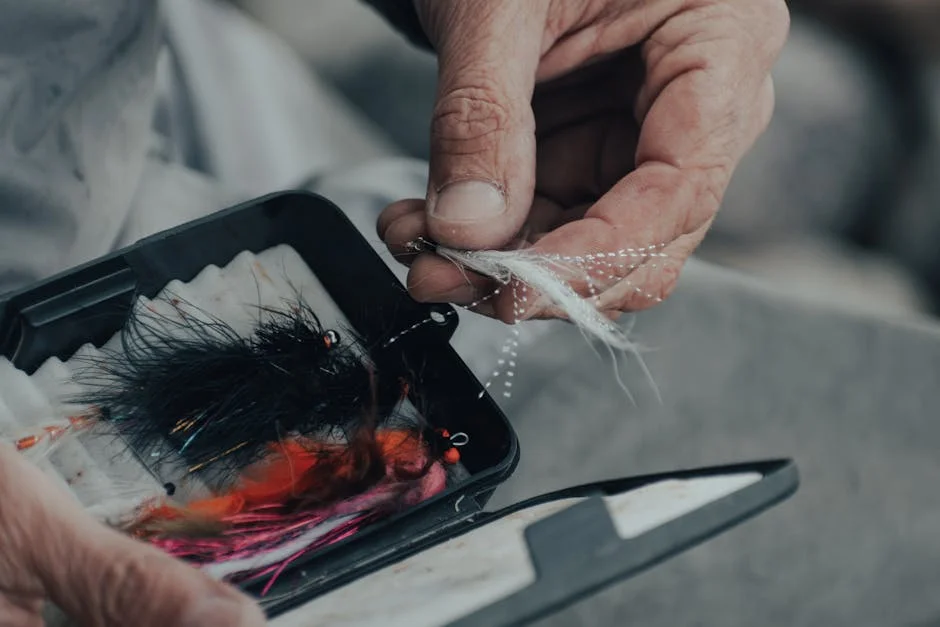
Fly tying fundamentals are where most anglers either fall in love with the craft or abandon it after one frustrating evening of thread pile-ups and crooked hooks. The learning curve is real, but it’s also shorter than most beginners expect if they approach it with the right materials and the right instruction.
Fifteen years on the vise has taught me that the how-to resources you choose in your first year matter more than the materials you buy. Start with Fly Tying resources that emphasize process over product, and the rest follows.
Why Tying Your Own Flies Is Worth the Investment (But Not for the Reason You Think)
Here’s a strong opinion I’ve developed over fifteen years: tying your own flies does not save money, at least not for most people. I was a casual tyer for years before I got serious, and the math never worked out. I tied maybe two dozen flies a month, bought more materials than I used, and watched the economics go sideways every time I walked into a fly shop and compared the per-fly cost of my hand-tied patterns against the bin of commercially tied nymphs.
The real value of tying is education. When you’ve sat down and tied 200 Pheasant Tails, you understand why the fiber count and taper of the body changes how the fly sinks and tumbles in the current. You tie the Adams and you start to understand why hackle fiber length changes how the fly sits in the surface film. You tie the Wooly Bugger fifty times and you stop thinking of it as a generic attractor and start understanding how tail length, bead weight, and palmered hackle density combine to produce a specific action. Tying is an education in fly design. It will make you a better angler on the South Platte and everywhere else.
That said, tying in volume is the only way the economics begin to work. If you tie the patterns you actually fish, in quantities that replace your shop purchases, the math eventually turns. The lesson: start with the flies you lose most often and tie a lot of them.
The Classic Beginner Mistake (I Made It)
Before I get into specific resources, I want to tell you about the mistake I made when I started tying. I bought a massive materials kit before I had any idea what thread control meant. I had boxes of feathers, spools of floss, bags of dubbing, and a collection of hooks in six sizes before I could lay a smooth thread wrap. I spent money I didn’t need to spend, and most of that material sat unused for years.
The Pheasant Tail is three materials: copper wire, pheasant tail fibers, and a hook. I couldn’t tie it acceptably for eight sessions. Three materials. My thread was lumpy, my proportions were off, and I was building thread heads the size of small boulders.
What I should have done: spend the first twenty tying sessions doing nothing but thread-and-hook exercises until my wraps were consistent. Lay smooth thread foundations. Learn to control thread torque. Start with single-material flies, or even no-material exercises, and build upward from there. The resources I’ll cover below address this in different ways, and which one fits your learning style will shape how quickly you move past this stage.
Top Picks
Fly-Casting Fundamentals
Fly-Casting Fundamentals comes from one of the most recognized voices in instructional fly fishing, and verified buyers consistently note that it functions as a foundational reference for beginners who want to understand the mechanics behind what they’re doing, not just the steps. The spec data shows a thorough progression through core concepts, and owner reviews highlight how the illustrations clarify proportions and sequencing in ways that video sometimes skips over.
A few buyers in fly tying communities note that the title can cause confusion since “casting” is in the name, but the content is broadly applicable to understanding the disciplines that support on-water success. Field reports from readers indicate this pairs well with a second pattern-specific reference for tiers who want both conceptual grounding and step-by-step instruction.
For Colorado tailwater anglers who want to understand why a fly behaves the way it does before they commit to tying a specific pattern in volume, this kind of foundational framing is worth the investment. Understanding why a taper or proportion matters translates directly to better decisions at the vise.
Check current price on Amazon.
The Orvis Fly-Tying Guide
The Orvis Fly-Tying Guide is one of the most consistently recommended beginner tying references in fly shop circles, and the staff at Ark Anglers field questions about it regularly. Verified buyers describe it as comprehensive without being overwhelming, and spec data confirms it covers everything from basic thread work through streamer construction with quality photography throughout.
Owner reviews frequently call out the clear material lists and the logical pattern sequencing as two of its most useful features for beginners. Field reports from tying communities indicate that anglers who work through this book cover to cover, rather than jumping to their favorite patterns immediately, develop noticeably better foundational technique. That sequencing matters: it resists the temptation to rush into complex patterns before the basics are solid.
For tiers who fish tailwaters like Cheesman Canyon or Eleven Mile Canyon, the nymph and emerger sections are particularly practical. The Pheasant Tail, the Hare’s Ear, and the RS2 show up in forms that translate directly to South Platte conditions, and the step-by-step photography is detailed enough to catch technique errors that written descriptions alone would miss.
Check current price on Amazon.
Fly Tying Made Clear and Simple: An Easy-to-Follow All-Color Guide
Fly Tying Made Clear and Simple has been a benchmark beginner tying reference for years, and owner reviews reflect a consistent appreciation for its approachability. The all-color photography was a genuine differentiator at publication and holds up well as a reference format even as online video has expanded. Verified buyers note that the step-by-step clarity is especially useful for visual learners who struggle with written descriptions of thread technique.
Field reports from tying communities suggest this book works particularly well as a first resource for anglers who feel intimidated by more comprehensive volumes. The scope is deliberately contained, which some reviewers see as a limitation but many beginners cite as a strength. You don’t need a book that covers 200 patterns when you’re still working on your thread wraps.
Spec data confirms coverage of foundational patterns including dry flies, nymphs, and wet flies, with material identification that helps beginners understand what they’re looking at in a fly shop bin. For anglers who made the mistake I described above, buying materials before skills, this book’s restrained approach to materials is actually a feature.
Check current price on Amazon.
Buying Guide: What to Know Before You Start Tying
Start With a Vise That Won’t Hold You Back
The vise is the most important piece of equipment you’ll buy as a tier. I’ve tied on a Norvise for fifteen years, and the rotary feature alone has made a measurable difference in how efficiently I wrap thread on bodied flies like the Wooly Bugger and the Hare’s Ear. The bobbin tension system took some adjustment, but the consistency it provides outperforms any other rotary vise I’ve handled at trade shows.
That said, you don’t need a Norvise to start. A mid-range rotary vise from a reputable manufacturer will handle everything a beginner needs. The key criteria are jaw grip (can it hold hooks from size 8 to size 22 without slipping), rotary alignment (does the hook point stay centered as the vise rotates), and overall stability (does the cam clamp or pedestal hold without shifting). Buy once, buy right.
Thread Control Before Materials
The biggest tying mistake I made, and the one I see most often in the beginners who come through the shop, is buying materials before building skills. Thread control is everything. You can tie a Pheasant Tail with three materials, but if your wraps are inconsistent, the fly will fall apart after two fish or simply not fish correctly. Spend your first sessions on the foundational work.
Look for Fly Tying resources that dedicate explicit attention to thread technique before they introduce materials. A lumpy foundation under dubbing, a loose rib wrap, or an oversized thread head will affect how a fly sits in the current on the Arkansas or anywhere else.
Choose Patterns Based on What You Fish, Not What Looks Impressive
Tiers often gravitate toward visually complex flies early on, saltwater patterns or articulated streamers, because they look impressive in the hand. The problem is that complexity requires foundational technique you haven’t built yet, and you end up tying flies you may not even fish.
Start with the patterns that live in your fly box right now. If you fish size 18 Pheasant Tails on tailwaters, learn to tie Pheasant Tails. If you fish San Juan Worms on the South Platte below Cheesman, tie San Juan Worms first. They are trivially simple, deeply effective, and will teach you thread control and proportion faster than any complex pattern. Build the pattern library around your home water, not around the flies you find interesting in catalog photography.
Hooks and Hook Selection Matter More Than Beginners Expect
Hook quality is one area where cutting corners consistently produces inferior flies. Cheap hooks bend on fish, fail to set cleanly, and often have inconsistent shank lengths that throw off your proportions before you’ve tied a single wrap. Verified buyers and field reports from tying communities both confirm that moving to a quality hook brand early eliminates a category of frustration entirely.
For nymphs in the size 14 to 22 range, which covers most Colorado tailwater fishing, a quality curved scud hook or standard nymph hook in an appropriate wire gauge is the foundation of a fly that will fish correctly and hold together under pressure. Buy hooks in the sizes you actually fish, not a variety pack designed to cover everything.
When to Add Materials to Your Kit
Add materials one pattern at a time. That is the simplest summary of what I should have done in my first year. Decide the next pattern you want to tie, list the exact materials that pattern requires, buy only those materials, and tie that pattern until you’re satisfied with the result before you move on.
This approach keeps your materials kit lean, your spending controlled, and your skill development focused. It also prevents the situation I found myself in: boxes of peacock herl and marabou and foam cylinders I didn’t know how to use, purchased because a kit made them seem necessary before I understood any fly design at all.
Closing Thoughts
Twenty years into fly fishing and fifteen at the vise, the clearest thing I can tell you is that the fundamentals are worth taking seriously from day one. The anglers who move quickly past the beginner stage are almost always the ones who slowed down on thread control and proportions before they worried about pattern selection.
Whether you’re tying Pheasant Tails for a Cheesman Canyon trip or building out a streamer box for a Montana run, the foundation is the same: consistent thread wraps, correct proportions, and a clear understanding of why the pattern does what it does. Good instructional resources accelerate that process significantly.
For everything else in the tying world, from materials sourcing to pattern-specific technique, the fly tying resources here cover the broader territory worth exploring as your skills develop.
Frequently Asked Questions
What is the best first fly pattern for a beginner tier?
The Pheasant Tail Nymph is one of the most common recommendations from fly shop staff and verified tying communities for good reason. It uses only three materials, covers a range of sizes, and is a genuinely effective pattern on most trout water. The simplicity of the material list forces you to focus on thread control and proportions rather than material management. Most anglers who tie it well have built the foundational skills needed for significantly more complex patterns.
Do I need a rotary vise to start tying flies?
A rotary vise is useful but not required for beginners. Spec data and owner reviews consistently show that a quality non-rotary vise will handle every pattern a beginner needs to tie. The rotary feature becomes most useful for palmering hackle and wrapping bodies on larger flies, which are skills you’ll develop over time. Buy a vise with a solid jaw, good hook range from size 8 to size 22, and a stable base before you worry about rotary capability.
How many materials do I need to buy to get started?
Far fewer than most beginners think. Field reports from tying communities consistently show that beginners who limit their initial kit to the materials required for two or three specific patterns make faster progress and spend less money. Thread, hooks, pheasant tail fibers, and copper wire are enough to tie one of the most effective nymphs on the market. Add materials one pattern at a time rather than buying a general kit.
What is the difference between tying on a tailwater pattern versus a freestone pattern?
Tailwater flies are generally smaller, more precisely proportioned, and tied on finer wire hooks than freestone patterns. Fish in heavily pressured tailwater environments like Cheesman Canyon or Eleven Mile Canyon see thousands of artificials per season and respond to subtle differences in profile and silhouette. Freestone patterns on rivers like the Arkansas can be tied slightly more coarsely and still produce well. This difference affects material selection, hook choice, and how much tying precision actually matters.
Are fly tying books still useful compared to online video?
Owner reviews and field reports from tying communities suggest that books and video serve different learning functions rather than competing directly. Books provide a stable reference you can return to at the vise without managing a screen, and the best ones sequence material in a pedagogically sound order that most online video doesn’t follow. Video is superior for seeing thread torque and material manipulation in real time. Most experienced tiers recommend using both formats together, especially in the first year.
<script type="application/ld+json">
{
 "@context": "https://schema.org",
 "@type": "FAQPage",
 "mainEntity": [
 {
 "@type": "Question",
 "name": "What is the best first fly pattern for a beginner tier?",
 "acceptedAnswer": {
 "@type": "Answer",
 "text": "The Pheasant Tail Nymph is one of the most common recommendations from fly shop staff and verified tying communities for good reason. It uses only three materials, covers a range of sizes, and is a genuinely effective pattern on most trout water. The simplicity of the material list forces you to focus on thread control and proportions rather than material management. Most anglers who tie it well have built the foundational skills needed for significantly more complex patterns."
 }
 },
 {
 "@type": "Question",
 "name": "Do I need a rotary vise to start tying flies?",
 "acceptedAnswer": {
 "@type": "Answer",
 "text": "A rotary vise is useful but not required for beginners. Spec data and owner reviews consistently show that a quality non-rotary vise will handle every pattern a beginner needs to tie. The rotary feature becomes most useful for palmering hackle and wrapping bodies on larger flies, which are skills you'll develop over time. Buy a vise with a solid jaw, good hook range from size 8 to size 22, and a stable base before you worry about rotary capability."
 }
 },
 {
 "@type": "Question",
 "name": "How many materials do I need to buy to get started?",
 "acceptedAnswer": {
 "@type": "Answer",
 "text": "Far fewer than most beginners think. Field reports from tying communities consistently show that beginners who limit their initial kit to the materials required for two or three specific patterns make faster progress and spend less money. Thread, hooks, pheasant tail fibers, and copper wire are enough to tie one of the most effective nymphs on the market. Add materials one pattern at a time rather than buying a general kit."
 }
 },
 {
 "@type": "Question",
 "name": "What is the difference between tying on a tailwater pattern versus a freestone pattern?",
 "acceptedAnswer": {
 "@type": "Answer",
 "text": "Tailwater flies are generally smaller, more precisely proportioned, and tied on finer wire hooks than freestone patterns. Fish in heavily pressured tailwater environments like Cheesman Canyon or Eleven Mile Canyon see thousands of artificials per season and respond to subtle differences in profile and silhouette. Freestone patterns on rivers like the Arkansas can be tied slightly more coarsely and still produce well. This difference affects material selection, hook choice, and how much tying precision actually matters."
 }
 },
 {
 "@type": "Question",
 "name": "Are fly tying books still useful compared to online video?",
 "acceptedAnswer": {
 "@type": "Answer",
 "text": "Owner reviews and field reports from tying communities suggest that books and video serve different learning functions rather than competing directly. Books provide a stable reference you can return to at the vise without managing a screen, and the best ones sequence material in a pedagogically sound order that most online video does not follow. Video is superior for seeing thread torque and material manipulation in real time. Most experienced tiers recommend using both formats together, especially in the first year."
 }
 }
 ]
}
</script>Where to Buy
Fly-Casting FundamentalsSee Fly-Casting Fundamentals on Amazon