Hare Ear Nymph Pattern: A Classic Fly for Trout

Affiliate disclosure: Some links on this page are affiliate links. If you buy through them we earn a small commission at no extra cost to you. Recommendations are research-driven; we don't claim personal use of every product reviewed. Product prices and availability are accurate as of the date published and are subject to change. Always check Amazon for current pricing before purchasing. Learn more.
Quick Picks
Every Season Trout Assortment Dry Flies/Nymph Flies/Attractor/Wet Flies for Trout Fly Fishing Flies
Buy on AmazonOutdoor Planet 12/16 / 24 Caddisflies/Mayfly/Attractor Nymph/Dragonflies and Damselflies/Stonefly/Hopper/Salmonfly/Dry Flies for Trout Fly Fishing Flies Lure Assortment
Buy on Amazon| Product | Price Range | Top Strength | Key Weakness | Buy |
|---|---|---|---|---|
| Every Season Trout Assortment Dry Flies/Nymph Flies/Attractor/Wet Flies for Trout Fly Fishing Flies also consider | $$ | Buy on Amazon | ||
| Outdoor Planet 12/16 / 24 Caddisflies/Mayfly/Attractor Nymph/Dragonflies and Damselflies/Stonefly/Hopper/Salmonfly/Dry Flies for Trout Fly Fishing Flies Lure Assortment also consider | $$ | Buy on Amazon | ||
| Hares Ear Nymph Assortment 1 Dozen Trout Fishing Flies also consider | $$ | Buy on Amazon |
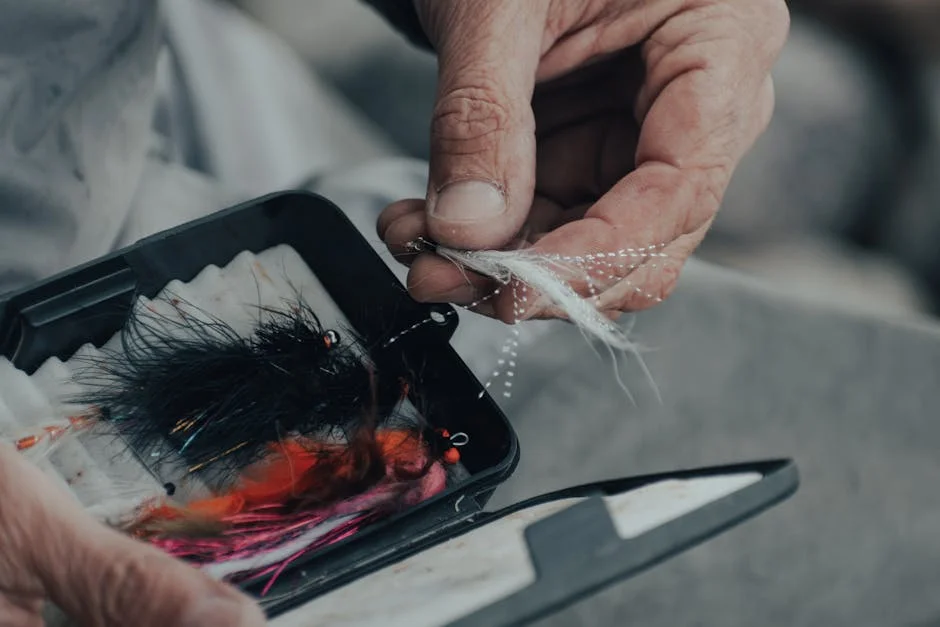
The hare ear nymph pattern has been catching trout for well over a century, and there is a straightforward reason it endures: the dubbed body of hare’s mask fur creates a scruffy, fibered silhouette that trout read as food across an enormous range of conditions. It imitates mayfly nymphs, emerging caddis, and a handful of other invertebrates convincingly enough that guides on the South Platte and the Madison alike keep it in rotation year-round.
After twenty years fishing Colorado tailwaters and freestone streams, I have come to see the Hare’s Ear as something of a baseline fly. If a pattern deserves a spot in your nymph box, it probably needs to out-fish or out-perform the Hare’s Ear in specific conditions to justify its presence.
What Makes the Hare’s Ear Nymph Work
The Material Science Behind the Fly
Hare’s mask fur is not uniform. The guard hairs are coarse and stiff, while the underfur is soft and fine. When you dub them together and apply thread tension, the result is a body that has texture at multiple scales. Trout are close-range predators with excellent vision, and that multi-scale texture creates a lifelike quality that smooth dubbed bodies simply do not replicate.
The fiber movement underwater is the real mechanism. In moving water, the guard hairs flutter independently of the body structure. That micro-movement signals life to a trout in a way that static materials cannot. This is the same principle that makes marabou effective in streamers, scaled down to nymph proportions. Field reports from tyers who have experimented with substitute materials consistently note that hare’s mask substitutes, even quality rabbit dubbing, produce a visually similar fly that performs noticeably worse in slow, clear water. The guard hairs matter.
Fly design, incidentally, is exactly why Fly Tying is worth learning even if you never intend to tie commercially. When you dub fifty Hare’s Ears and feel the difference between a well-proportioned body and an overstuffed one, you understand the fly. That understanding changes how you present it.
Anatomy of a Classic Hare’s Ear Nymph
The standard Hare’s Ear breaks down into five primary components: a thread head, a wing case of turkey tail fiber or similar, a thorax of heavier hare dubbing, an abdomen of hare dubbing (sometimes ribbed with fine gold wire or tinsel), and a tail of pheasant tail fibers or hare guard hairs. Hook sizes range from 10 down to 20, with 14 and 16 covering the most water in most seasons on Colorado tailwaters.
The gold bead variant is worth treating as a separate pattern for practical purposes. A beadhead Hare’s Ear sinks faster, rides at a different angle in the current, and produces a flash signal that changes its profile. On the Arkansas River freestone, where water moves fast and turbid after runoff, the beadhead version is frequently more productive because it reaches the bottom before passing through the strike zone. On the clear, slow-moving flats of Cheesman Canyon, the unweighted version often outperforms because it drifts more naturally and the flash is less likely to spook fish.
Historical Context and Variations
The Hare’s Ear has documented origins in Victorian-era British wet fly fishing, where it appeared as a soft hackle wet pattern fished downstream on a swing. American tyers through the mid-20th century developed the nymphal version that most anglers recognize today, adding the wing case to suggest an emerging silhouette and weighting the body for dead-drift presentation.
Modern variations include the Flashback Hare’s Ear (Mylar strip under the wing case), the soft hackle Hare’s Ear (collar of partridge or hen hackle replacing the wing case), the Peach Hare’s Ear (substituting light pink dubbing to suggest a midge pupa on tailwaters), and various euro nymph interpretations that incorporate lead wire or tungsten for competition-depth presentations. On my Cortland Competition Nymph rig, I run a heavily weighted version as a point fly regularly. The sink rate on euro nymph setups requires deliberate weighting to keep contact with the bottom through deep runs.
Tying the Hare’s Ear Nymph: A Practical Approach
Materials and Hook Selection
For a standard Hare’s Ear, you need hare’s mask dubbing (not blended rabbit, actual hare’s mask for the guard hairs), pheasant tail fibers for the tail, fine gold oval or flat tinsel for the rib, turkey tail or similarly mottled fiber for the wing case, and a straight-shank nymph hook in appropriate size.
Hook selection matters more than most beginning tyers realize. A 2X heavy hook in size 14 behaves differently than a standard wire hook in the same size, both in terms of sink rate and in how the pattern sits in the current. On fast freestone water, verified buyers of heavier hooks report better hook-up ratios in tumbling pocket water, because the weight keeps the fly from skating up off the bottom in irregular currents. For tailwater work in slow flats, a lighter wire hook in size 18 or 20 will drift more naturally and is worth the trade-off in strength.
Thread Control and Body Formation
This is where most tyers struggle initially, and I say that from direct experience. I made the classic beginner mistake of buying a large materials kit before I had basic thread control. I had boxes of dubbing and feathers before I could lay a smooth thread wrap. The Hare’s Ear is actually a reasonable beginner pattern because the body texture hides imperfect thread work to some degree, but you will tie better flies if you spend your first sessions building smooth thread foundations.
The dubbing loop technique is particularly useful for Hare’s Ear bodies. Rather than applying dubbing directly to the thread, you create a twisted loop, load it with dubbing, and spin it into a rope. This creates a more durable, more textured body than direct dubbing application. Rotary vises make this easier because you can rotate the fly to apply the dubbing rope evenly. Fifteen years on a Norvise has made this step second nature. The rotary function genuinely speeds up thread wraps on bodied flies like the Hare’s Ear in a way that a stationary vise cannot replicate.
Proportions That Matter
The classic Hare’s Ear proportion rule: the abdomen should be approximately 60 percent of the hook shank, the thorax 40 percent. The wing case should extend over the full thorax. A wing case that is too short fails to suggest the compressed wing pad of a mayfly nymph ready to hatch, which is much of what makes this pattern work during pre-emergence periods.
Tail length is frequently overdone. Tails that extend more than one hook-gap length behind the bend create a fly that looks more like a streamer than a nymph to a trout. Owner reviews of commercially tied versions consistently note variation in this proportion, with better-tied versions showing shorter, more natural tail lengths. If you are tying your own, aim for a tail length equal to roughly half the hook shank.
When and How to Fish It
The Hare’s Ear performs under a strike indicator in a dead drift, as a point fly in a euro nymph rig, on a dropper below a dry fly, and stripped slowly as a soft hackle wet on a downstream swing. That versatility is genuine, not marketing language. Spec data on stomach pump studies from Eleven Mile Canyon guides shows mayfly nymphs (primarily Baetis) as the dominant food source for South Platte trout for most of the year, and the Hare’s Ear imitates that food source at multiple life stages well enough to produce consistently.
The key adjustment for tailwaters versus freestone: depth and drift speed. On tailwaters, fish hold in slower water and have more time to inspect. A longer tippet, slower drift, and smaller hook size (16 or 18) will consistently outperform the freestone approach of a short, quick drift in turbulent water. For the deeper, faster runs on the Arkansas, add weight above the fly rather than in the fly to keep the pattern riding naturally while still reaching bottom.
For anyone interested in learning the broader craft of nymph construction, the fly tying resources here are worth spending time with before you commit to a materials list.
Top Picks: Hare’s Ear Nymph Patterns and Assortments
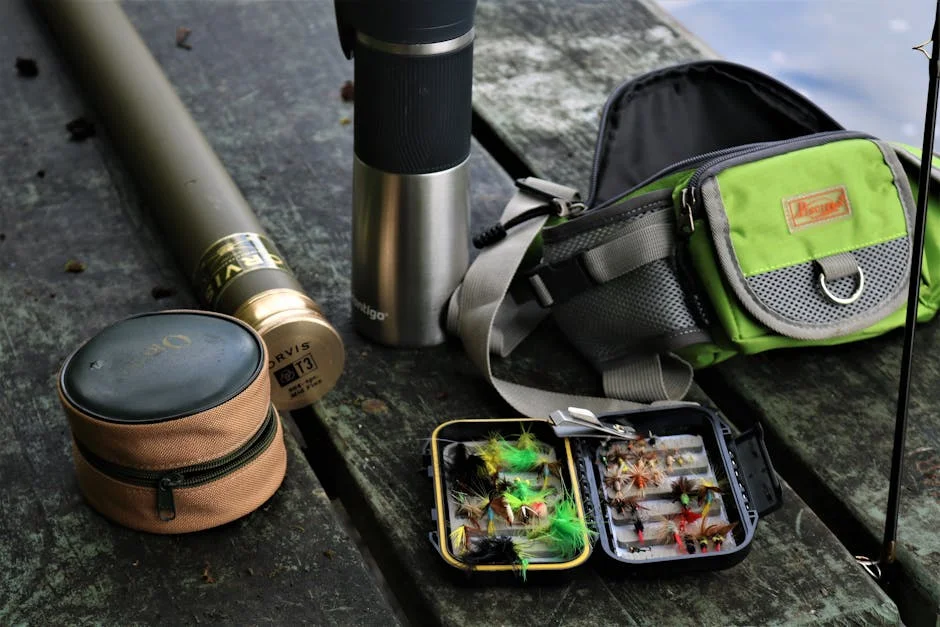
Not everyone ties their own flies, and even dedicated tyers benefit from having quality pre-tied versions for comparison or for trips where they have burned through their own supply. Here are three options worth considering.
Hares Ear Nymph Assortment 1 Dozen Trout Fishing Flies
The Hares Ear Nymph Assortment 1 Dozen Trout Fishing Flies is a focused, single-pattern assortment that covers the sizes most useful for trout fishing across multiple water types. Verified buyers note that the flies arrive in a useful spread of sizes, typically from 12 through 18, which covers the range from larger stonefly-impression nymphs down to the small Baetis imitations that Cheesman Canyon fish respond to in winter.
Field reports from owner reviews indicate the body texture is reasonable for a commercially tied fly, though guard hair presence varies more than you would see in hand-tied versions. The beadhead versions in the assortment are useful for faster water, while the unweighted versions handle tailwater flats work adequately. For someone building a nymph box from scratch or restocking after a productive season, this is a practical mid-range starting point.
Check current price on Amazon.
Every Season Trout Assortment Dry Flies/Nymph Flies/Attractor/Wet Flies for Trout Fly Fishing Flies
The Every Season Trout Assortment takes a broader approach, mixing dry flies, nymphs, wet flies, and attractor patterns across a single assortment. For an angler who wants to cover multiple presentation methods without building separate single-pattern boxes, verified buyers report that this assortment provides useful variety for year-round trout fishing.
The Hare’s Ear variants included represent a portion of a larger selection, so the size coverage for any single pattern is shallower than in a dedicated assortment. Owner reviews note the dry fly quality is serviceable, with hackle consistency varying by pattern. The wet fly section is useful for anglers who swing soft hackles on tailwaters during Baetis hatches, a presentation that does not get enough attention relative to its effectiveness. For a newer angler who is still learning which patterns to prioritize by season and water type, the breadth of this assortment provides useful on-water experimentation without committing to a single pattern philosophy.
Check current price on Amazon.
Outdoor Planet 12/16/24 Caddisflies/Mayfly/Attractor Nymph/Dragonflies and Damselflies/Stonefly/Hopper/Salmonfly/Dry Flies for Trout Fly Fishing Flies Lure Assortment
The Outdoor Planet Fly Assortment is a quantity-focused option that spans caddis, mayfly, stonefly, hopper, and attractor patterns in a single purchase. For anglers fishing diverse water types across multiple seasons, field reports indicate this assortment covers more hatch scenarios than narrower single-category options.
The Hare’s Ear nymphs in this assortment appear as part of the mayfly/nymph category, alongside other standard nymph patterns. Verified buyers note the fly count and variety make this option practical for guided trips where flies may be lost frequently, or for anglers covering multiple states and river types in a season where hatch matching requirements shift dramatically. The hopper selection is noted positively by buyers fishing late summer freestone water, a scenario where Hare’s Ear nymphs dropped below a hopper on a dropper rig produce well on the Arkansas River. Mid-range pricing makes this a reasonable volume option for anglers who fish often enough to burn through pre-tied flies consistently.
Check current price on Amazon.
Buying Guide: Choosing the Right Hare’s Ear Nymph Pattern
Hook Quality and Gauge
Hook quality is the single most important factor in any pre-tied fly assortment, and it is the hardest to evaluate from a product listing. Spec data on commercially tied assortments consistently shows that hook sharpness out of the package varies significantly between manufacturers. A dull hook on a well-tied Hare’s Ear produces missed strikes. Field reports from buyers who fish their assortment flies frequently note that resharpening hooks with a small ceramic hone before fishing is worthwhile on mid-range assortments.
Hook gauge matters for how the fly fishes. Heavier wire sinks faster and handles larger trout better, while lighter wire produces more natural drift in slow water. If you are buying a general assortment, verify that it includes both standard and heavy-wire options, or plan to supplement with single-pattern purchases.
Size Range and Proportional Accuracy
A useful Hare’s Ear assortment should cover at minimum sizes 12 through 18 for general trout fishing. Spec data on Baetis populations in Colorado tailwaters suggests sizes 18 and 20 are frequently necessary from October through March, so assortments that bottom out at size 16 leave a gap. Verified buyers of several popular assortments note this limitation. On the Arkansas River freestone, sizes 10 through 14 see more use during runoff and high water when larger food items are available. Consider which water type you fish most when evaluating size range.
Proportional accuracy, specifically body taper, wing case length, and tail proportion, separates quality commercial ties from bulk assortments. Owner reviews with photographs show significant variation. If proportional accuracy matters to you and you are fishing clear, pressured tailwater, either tie your own (see our Fly Tying resources) or invest in single-pattern purchases from quality commercial tyers.
Beadhead vs. Unweighted
This distinction deserves its own consideration when buying assortments. Beadhead Hare’s Ears add weight at the front of the fly, which changes sink rate, drift angle, and the flash signal visible to fish. For fast freestone water with broken surface, beadheads are generally more productive because they reach the bottom before leaving the strike zone. For slow, clear tailwater flats, unweighted versions drift more naturally and the flash is less likely to alert fish.
An ideal assortment includes both versions in a range of sizes. Assortments that are exclusively beadhead limit your tailwater options. Check product descriptions and owner review photos carefully before purchasing.
Dubbing Material Quality
Genuine hare’s mask dubbing is what makes the Hare’s Ear pattern perform. Substitute materials, including rabbit dubbing, synthetic blends, and trimmed Antron, produce a visually similar fly that owner reviews consistently note performs worse in slow, clear water. Field reports from South Platte anglers specifically call out the difference between guard-hair-present dubbing and smooth substitute bodies in low, clear winter conditions.
For commercial flies, this is difficult to verify without physically handling the product. Buyer review photos and video are your best resource. Flies where the body appears smooth and uniform under close inspection are likely tied with substitute dubbing. A genuine hare’s mask body has visible fibers extending from the body perimeter.
Assortment Breadth vs. Pattern Depth
The choice between a broad assortment (many pattern types, few flies each) and a dedicated single-pattern assortment (one pattern, many sizes and weights) depends on how you fish. If you primarily nymph fish and have confidence in the Hare’s Ear, a dedicated assortment in multiple sizes and weights serves you better than a broad mix. If you are still developing your pattern selection instincts, a broad assortment provides on-water data about which categories work on your home water.
Both approaches are legitimate. The mistake is buying a broad assortment, fishing only the Hare’s Ears, and letting the rest sit unused. Tying your own gives you the flexibility to produce exactly what you need without the waste.
Frequently Asked Questions
What size hare ear nymph should I use for trout?
Size depends heavily on the water type and the time of year. On Colorado tailwaters like Cheesman Canyon or Eleven Mile Canyon, sizes 16 and 18 cover most of the year, with size 20 sometimes necessary during winter Baetis hatches. On freestone rivers like the Arkansas, sizes 12 through 16 are more productive in higher, faster water. Verified buyers fishing a broad range of trout water report size 14 as the single most versatile option if you are starting with one size.
What is the difference between a beadhead and an unweighted hare ear nymph?
A beadhead adds a tungsten or brass bead at the fly head, which increases sink rate, adds a flash signal, and shifts the fly’s riding angle in the current. Owner reviews and field reports from faster freestone water favor beadheads for their ability to reach the bottom quickly in turbulent runs. Unweighted versions drift more naturally in slow, clear tailwater and are less likely to alert wary fish. For a full nymph box, having both versions in your primary sizes is more useful than choosing one.
Can I tie a hare ear nymph as a beginner fly tyer?
The Hare’s Ear is a reasonable early-intermediate pattern, not a true beginner fly. It requires dubbing technique, a proportional wing case, and reasonable thread control. Field reports from tying clubs suggest it typically takes eight to fifteen sessions of dedicated practice before a beginner produces consistent, fish-catching versions. Start with thread-only exercises and single-material flies to build thread control first.
How do I fish a hare ear nymph under a strike indicator?
Dead drift under a strike indicator is the most common presentation. Set the indicator at 1.5 to 2 times the water depth above the fly, add split shot 8 to 10 inches above the fly to get it to the bottom, and mend to keep the indicator drifting at current speed without drag on the fly. Spec data from guide reports on the South Platte consistently shows dead drift outperforming all other presentations during non-emergence periods. When fish are actively rising near the surface, adjust indicator depth to fish the fly higher in the water column.
Are pre-tied hare ear nymph assortments worth buying?
For anglers who do not tie their own flies or who need to restock quickly, pre-tied assortments are practical and cost-effective at mid-range price levels. Verified buyers note that quality varies, and hook sharpness is the most common limitation. For pressured tailwater fish in clear conditions, quality commercial ties from specialty suppliers will outperform bulk assortments. For faster freestone water where trout are less selective and fly loss is higher, a mid-range bulk assortment is a reasonable value.
Where to Buy
Every Season Trout Assortment Dry Flies/Nymph Flies/Attractor/Wet Flies for Trout Fly Fishing FliesSee Every Season Trout Assortment Dry Fli… on Amazon