Perdigon Fly Pattern: Why It Works for Nymph Fishing

Affiliate disclosure: Some links on this page are affiliate links. If you buy through them we earn a small commission at no extra cost to you. Recommendations are research-driven; we don't claim personal use of every product reviewed. Product prices and availability are accurate as of the date published and are subject to change. Always check Amazon for current pricing before purchasing. Learn more.
Quick Picks
Outdoor Planet 24/26/ 36 Premium Fly Fishing Flies Assortment | Dry, Wet, Nymphs, Streamers, Wooly Buggers, Hopper, Caddis | Trout, Steelhead, Bass Fishing Lure Set
Buy on AmazonTungsten Beads for Fly Tying - 50PCS Tungsten Cyclops Beads for Bass Fishing, 5 Colors 13 Sizes (1.5mm–6.4mm) Fly Tying Materials for Jig Flies, Trout Patterns and DIY Lure Making
Buy on AmazonTungsten Beads for Fly Tying - 50PCS Tungsten Cyclops Beads for Bass Fishing, 5 Colors 13 Sizes (1.5mm–6.4mm) Fly Tying Materials for Jig Flies, Trout Patterns and DIY Lure Making
Buy on Amazon| Product | Price Range | Top Strength | Key Weakness | Buy |
|---|---|---|---|---|
| Outdoor Planet 24/26/ 36 Premium Fly Fishing Flies Assortment | Dry, Wet, Nymphs, Streamers, Wooly Buggers, Hopper, Caddis | Trout, Steelhead, Bass Fishing Lure Set also consider | $$ | Buy on Amazon | ||
| Tungsten Beads for Fly Tying - 50PCS Tungsten Cyclops Beads for Bass Fishing, 5 Colors 13 Sizes (1.5mm–6.4mm) Fly Tying Materials for Jig Flies, Trout Patterns and DIY Lure Making also consider | $$ | Buy on Amazon | ||
| Tungsten Beads for Fly Tying - 50PCS Tungsten Cyclops Beads for Bass Fishing, 5 Colors 13 Sizes (1.5mm–6.4mm) Fly Tying Materials for Jig Flies, Trout Patterns and DIY Lure Making also consider | $$ | Buy on Amazon |
The perdigon fly pattern arrived in competitive Euro nymphing circles and spread fast, because it works. Smooth UV resin body, tungsten bead, minimal materials, sinks like a stone and holds position in the column better than almost anything else you can tie on a size 18 hook. If you fish tailwaters or any pressured freestone water, you have probably already heard the name.
Understanding why the perdigon catches fish starts at the vise. If you are newer to tying your own patterns, the Fly Tying hub is worth bookmarking before you start ordering materials.
What Is the Perdigon Fly Pattern?
The perdigon (Spanish for “pellet” or “shot”) originated in the Spanish national fly fishing team’s preparation for the 2014 World Fly Fishing Championships. The design brief was ruthlessly practical: build a nymph that sinks faster than anything the competition was throwing, holds the strike zone longer, and triggers reflex takes from selective fish in heavily fished water.
The result was a fly that looks almost too simple to believe. Thread body, a few fibers of pheasant tail or similar material for a tail, a thin underbody of floss or thread in a target color, and then a coat of UV resin over the entire body before the bead goes on. That resin coat is the defining feature. It creates a hard, shiny, almost translucent shell that both protects the fly (these things last for dozens of fish without falling apart) and mimics the slightly wet, slick appearance of naturals tumbling in the current.
The Physics Behind the Design
The engineer in me appreciates this fly on a structural level. The tungsten bead, typically loaded as a slotted jig bead on a jig hook with a 60-degree bend, positions the weight as far forward as possible. The hook rides point-up in the current, which reduces snags on the bottom. The resin body adds almost no bulk, which means no water resistance fighting the sink rate. The tail fibers add a tiny bit of life at the back.
The result is a fly that achieves depth faster per foot of drift than a comparably weighted Pheasant Tail or Hare’s Ear. On the South Platte tailwaters at Cheesman or Eleven Mile, where the fish are sitting in specific seams at specific depths and you are Euro nymphing in tight quarters, that extra inch or two of depth in the first few feet of a drift is often the entire difference between a fish that sees your fly and one that doesn’t.
Where the Perdigon Fits in the Drift
Perdigons are not attractor flies. They are not working on some complex trigger principle. They are point flies, meaning they go on the bottom of your leader, and their job is to get down fast and stay there. On the Cortland Competition Nymph 10’6” 3wt setup I run for Euro nymphing, a size 14 or 16 perdigon at point, with a smaller soft hackle or caddis emerger dropper above it, is a rig I reach for constantly on pressured water.
Field reports from competitive nymphers and tailwater guides consistently place the perdigon in the top tier of patterns for rivers like the Arkansas, the Colorado, and most of the South Platte system. The pattern works in faster pocket water too, on freestone streams in Wyoming and Montana, because the sink rate lets it punch into the slower current layer near the bottom even in riffled water.
Tying the Perdigon: Materials and Method
Tying perdigons is approachable even for intermediate tyers, but the technique rewards discipline. This is a pattern that exposes sloppy thread work because the resin makes everything visible. The good news is that the fly has very few materials, so you can focus entirely on thread control.
Hook and Bead Selection
Perdigons are almost always tied on a jig hook, specifically a 60-degree jig hook in sizes 12 through 20. The jig bend positions the bead at the top of the hook shank and creates that point-up riding position in the current. Hook brands popular in the competition nymphing world include Hanak, Demmon, and Tiemco 403BLJ, though owner reviews indicate many tyers experiment with a range of options.
Bead selection matters more than almost any other material choice on this pattern. Tungsten is non-negotiable for the perdigon’s designed purpose. Brass beads sink slower, and the pattern’s entire identity is built around sink rate. Slotted beads, also called cyclops beads in some product listings, fit snugly over jig hooks and hold position well during tying.
Bead size should be matched to hook size. Verified buyer feedback and community tying guides consistently recommend something like: 2.0mm for a size 20, 2.5mm for an 18, 3.0mm for a 16, 3.5mm for a 14, and 4.0mm for a 12. Going oversized creates an unbalanced fly that tumbles awkwardly; going undersized defeats the whole point.
Body Colors and Thread Selection
Perdigon bodies are tied in a wide range of colors, and the competition nymphing community has documented dozens of productive combinations. The most consistently reported color schemes from tailwater guides and verified buyers include: black with a red hot spot, olive with a gold bead, UV pink or orange as attractor variants, and natural pheasant tail brown with a copper bead for more realistic profiles.
Thread is the body material. Most tyers use UTC 70 or similar flat thread in their chosen color, wrapping a thin, smooth underbody. If you want segmentation, you can rib the underbody with fine wire or another thread color before the resin coat goes on. The rib also reinforces the fly against abrasion, though the resin itself is already doing most of that work.
The UV Resin Coat
This is the step that defines the fly. After the body is complete and the tail fibers are secured, you apply a thin, even coat of UV resin over the entire body and cure it with a UV lamp. Most tyers use a thinner resin like Solarez Thin-Hard or Loon Flow for the first coat, then a thicker finish resin for a final gloss. The goal is a smooth, translucent shell with no bubbles and no lumps.
After fifteen years on the Norvise, I can tell you that the rotary feature genuinely helps here. Being able to rotate the fly slowly while applying resin gives you a more even coat than trying to work all sides from a fixed position. Even so, keep the resin thin. Thick applications create bubbles and uneven surfaces that catch light wrong.
A hot spot is applied before the resin coat: a few wraps of orange, pink, or red UV thread just behind the bead. The resin goes over the whole fly including the hot spot, locking everything in place. Cured, the result is a fly that feels almost like a small piece of painted metal in your hand.
Common Beginner Mistakes
I made the classic tying mistake of buying a huge materials kit before I could lay a smooth thread wrap. The perdigon doesn’t punish you the way a complex fly does, but the resin makes every thread bump visible. Spend real time on thread control before you start coating anything.
Specifically: do not overbuild the body. The perdigon is supposed to be thin. A thick body adds water resistance, slows sink rate, and ruins the profile. Tie thinner than you think you need to, then add the resin, and you will end up roughly where you want to be. Most first-time perdigon tyers report tying their second dozen better than their first dozen almost entirely because they learned to use less thread material.
Top Picks for Tying and Buying Perdigons
Not everyone wants to start tying from scratch, and not everyone has a full bead inventory yet. The products below cover both angles: pre-tied flies for those who want to fish the pattern before they commit to tying it, and tungsten beads for those ready to start at the vise.
Outdoor Planet 24/26/36 Premium Fly Fishing Flies Assortment
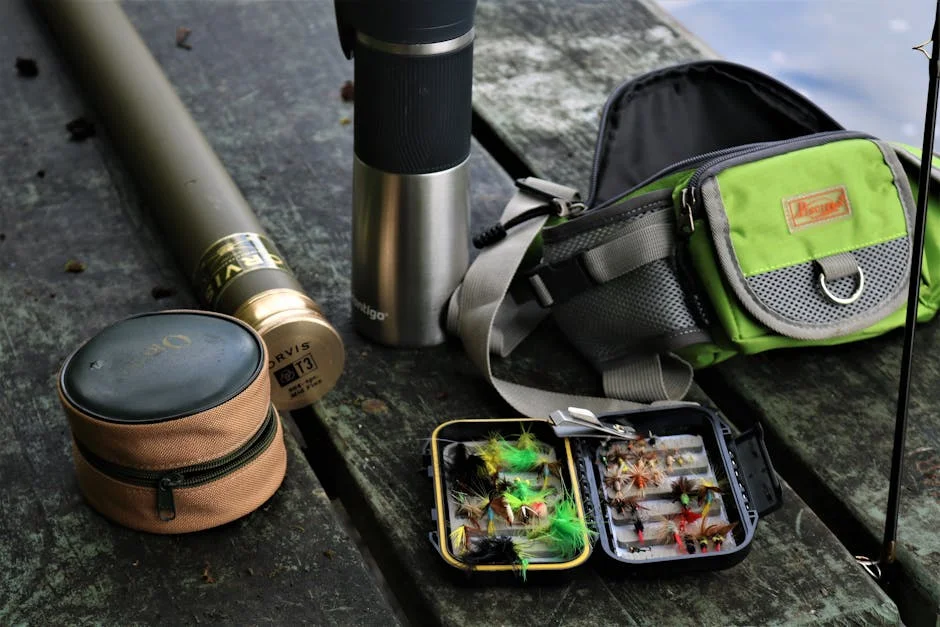
The Outdoor Planet 24/26/36 Premium Fly Fishing Flies Assortment is a mid-range pre-tied fly selection that covers a broad range of pattern types: dry flies, wet flies, nymphs, streamers, Wooly Buggers, hoppers, and caddis. The assortment is not a perdigon-specific set, but it offers a reasonable starting inventory for trout fishing across various water types. Verified buyers note that hook quality is acceptable for the price band and that the selection includes pattern types useful for tailwater and freestone fishing alike.
The limitation here is the same one that applies to any multi-pattern assortment: you are getting a range of styles rather than depth in any single pattern category. If you want a dozen perdigons in three specific color schemes, this is not the right product. If you want a functional starting box that covers situations from hopper season on the Arkansas to midge hatches on a tailwater, owner reviews suggest this assortment delivers reasonable value. The bead quality on included nymphs varies, according to field reports, so inspect the hook eyes and bead seating before fishing.
Check current price on Amazon.
Tungsten Cyclops Beads (50-Pack, 5 Colors, 13 Sizes)
The Tungsten Cyclops Beads 50-pack is a mid-range bead assortment covering sizes 1.5mm through 6.4mm in five colors. The “cyclops” designation refers to the slotted offset design that fits over jig hooks, making these directly applicable to perdigon tying. Spec data shows 13 sizes, which is a wide enough range to cover realistic perdigon hook sizes from size 20 through size 10.
Verified buyer feedback on this product notes that the tungsten density is consistent across sizes, which matters for sink rate predictability. Tyers who reported using these beads on jig hooks noted that the slot fit is snug enough to hold position during tying without additional adhesive, though a small drop of head cement before seating the bead is always good practice regardless of bead brand. The five included colors (reported to include gold, copper, silver, black, and a red or pink variant in most listings) cover the core perdigon color pairings.
Check current price on Amazon.
Tungsten Cyclops Beads (50-Pack, Second Listing Variant)
The Tungsten Cyclops Beads second variant shares the same core specification profile as the listing above: 50 pieces, slotted cyclops design, 1.5mm through 6.4mm range, five colors, 13 sizes. Owner reviews indicate some variation in color assortment between individual shipments, so if you need a specific color combination for a particular perdigon recipe, verifying the included colors with the current listing before purchasing is worth the extra step.
Spec data for this variant shows the same density claims as the first listing. Field reports from tyers who ordered both variants suggest the tungsten quality is comparable, and some tyers buy both to maximize their inventory of smaller sizes (2.0mm through 3.0mm), which tend to be used fastest when tying perdigons for tailwater fishing. The mid-range price band makes buying in quantity practical if you tie in volume.
Check current price on Amazon.
Buying Guide: What to Consider Before You Buy
Tungsten Quality and Density
Tungsten is the right material for perdigon beads because its density (around 19.3 grams per cubic centimeter) is roughly twice that of brass. The difference in sink rate between a tungsten-beaded and brass-beaded perdigon of the same size is measurable and consistent. When you are Euro nymphing in a tailwater seam and every inch of depth matters, the material choice is not trivial.
When evaluating bead products, look for verified buyer feedback that specifically mentions sink rate performance and hook fit on jig hooks. Beads that are slightly underweight or have irregular slots can cause alignment problems during tying. Slotted beads (the cyclops design) are the correct choice for jig hooks, not standard round beads with a centered hole. For more on how bead selection fits into broader tying decisions, the tying resources at Fly Tying are a useful reference.
Hook Size and Bead Size Matching
Matching bead size to hook size is the first technical decision in perdigon tying, and getting it wrong wastes materials and produces unbalanced flies. The general community guideline is to size up one bead increment from what you might use on a standard nymph hook, because the slot in a jig bead seats differently than a round bead on a straight-shank hook.
A bead too small for a given hook size will not seat over the hook bend properly and will slide or rotate on the shank. A bead too large creates an oversized head that disrupts the slim perdigon profile and can affect how the fly rides in current. Verified buyer feedback from competitive nymphing communities consistently emphasizes testing bead-to-hook fit before committing to a full tying session.
Color Strategy for Your Home Water
Perdigon color selection is genuinely worth thinking about before you start ordering materials. The pattern works because it mimics the general appearance of subsurface invertebrates, and the dominant invertebrate colors on your home water should drive your bead and thread choices. On South Platte tailwaters, olive and black are consistent producers. On the Arkansas freestone sections, brown and copper combinations tend to perform well.
Hot spot colors are also water-specific. Pink and orange hot spots tend to outperform on heavily fished, clear tailwaters. Red hot spots are more historically associated with competition patterns on European rivers. Spending a session talking to the guides at your local shop about what color perdigons have been producing is time better spent than ordering every available color at once.
Pre-Tied Flies vs. Tying Your Own
Here is my honest position on this: tying your own flies saves money only if you tie in volume and actually fish the flies you tie. The real value of tying the perdigon yourself is not cost savings. It is understanding why the fly works. When you have tied 100 perdigons, you understand the relationship between body taper, bead size, and sink rate in a way that looking at a finished fly will never teach you.
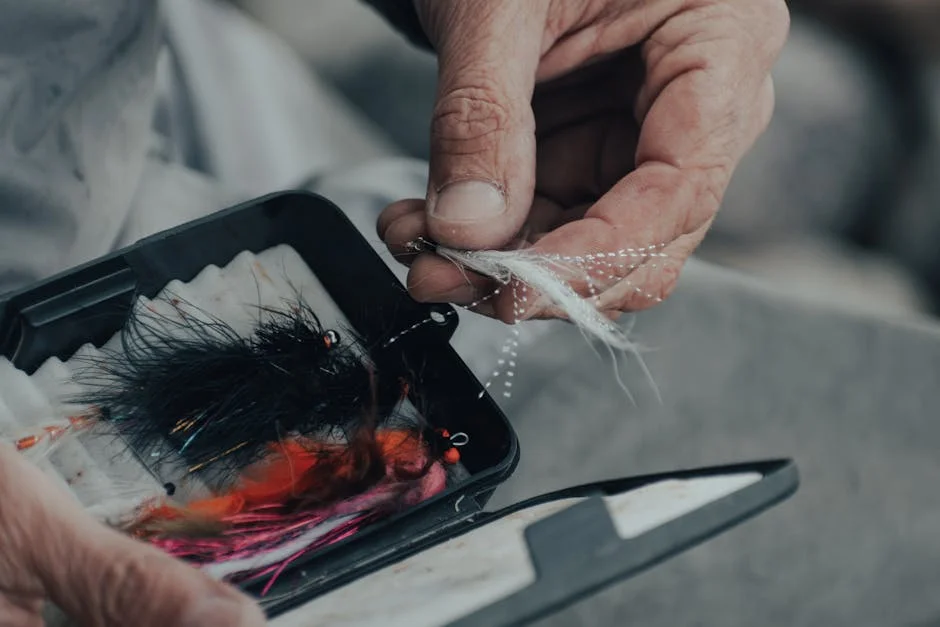
That said, fishing a pre-tied perdigon before you start tying your own is a legitimate way to understand the target. Hold the fly, feel the weight, look at the proportions. Then go to the vise with a clear picture of what you are trying to reproduce. Pre-tied assortments that include nymph patterns give you reference points even if the patterns are not perdigon-specific.
Resin, Tools, and What Else You Need
First-time perdigon tyers often focus on beads and hooks and overlook the UV resin and lamp setup, which is the one tool category with no real substitute. A quality UV lamp (not just a pen-sized pointer, but something with real output in the 365nm to 395nm range) will cure resin fully in a few seconds. Under-cured resin stays tacky and collects debris on the fly.
Beyond the lamp, you need a toothpick or dubbing needle to spread resin evenly and pop bubbles before curing. The investment in a proper UV setup is modest in the mid-range category and pays off across every pattern you tie that uses any kind of finish coat, not just perdigons.
Frequently Asked Questions
What hook style is required for tying a perdigon fly pattern?
Perdigons are designed around a 60-degree jig hook, which positions the bead on top of the shank and causes the hook to ride point-up in the current. This riding position reduces bottom snags and is a core part of the pattern’s functionality, not an optional modification. Standard nymph hooks can be used in a pinch, but the fly’s drift behavior changes noticeably. Most tyers working in sizes 12 through 20 find jig-specific hooks widely available through fly tying suppliers.
Can beginners tie the perdigon fly pattern successfully?
The perdigon is one of the more approachable patterns for intermediate tyers because the material list is short, but the resin coat makes thread control errors visible. Beginners who have spent time on basic thread wraps and can lay a smooth, thin body will produce fishable perdigons relatively quickly. The mistake most new tyers make is building the body too thick before applying resin. Thin, consistent thread wraps are the skill to develop first, and the perdigon will reward that investment immediately.
What is a slotted cyclops bead and why does it matter for perdigon tying?
A slotted cyclops bead has an offset slot cut into one side, allowing it to slide over the bend of a jig hook and seat with the bead centered over the shank. Standard round beads with a centered hole cannot fit properly over a jig hook’s 60-degree bend. The cyclops slot design is what makes the bead-and-jig-hook combination work mechanically. Using the wrong bead type results in a bead that sits off-center, does not hold position during tying, and produces a fly with poor drift behavior.
How many perdigon color variations should a beginner stock?
Starting with two or three proven color combinations for your home water is more productive than trying to cover every option at once. A black body with a red hot spot and gold bead, an olive body with a copper bead, and a pheasant tail natural with a copper or silver bead will cover most tailwater and freestone situations. Field reports from guides on pressured waters suggest that subtleties in color matter less than sink rate, depth control, and presentation quality. Expand the color range after you have fished the pattern extensively in a few core versions.
Are pre-tied perdigon-style flies worth buying before learning to tie them?
Pre-tied nymphs are a reasonable way to fish the pattern before committing to the tying investment, and they give you a physical reference for proportions and profile when you eventually sit down at the vise. The limitation is that most pre-tied assortments are not perdigon-specific, so you may be fishing flies that approximate the design without hitting the exact sink rate or body profile of a purpose-tied perdigon. Fish the pre-tied versions, compare their performance to your home-tied flies once you start tying, and let the water tell you what the differences mean.
<script type="application/ld+json">
{
 "@context": "https://schema.org",
 "@type": "FAQPage",
 "mainEntity": [
 {
 "@type": "Question",
 "name": "What hook style is required for tying a perdigon fly pattern?",
 "acceptedAnswer": {
 "@type": "Answer",
 "text": "Perdigons are designed around a 60-degree jig hook, which positions the bead on top of the shank and causes the hook to ride point-up in the current. This riding position reduces bottom snags and is a core part of the pattern's functionality, not an optional modification. Standard nymph hooks can be used in a pinch, but the fly's drift behavior changes noticeably. Most tyers working in sizes 12 through 20 find jig-specific hooks widely available through fly tying suppliers."
 }
 },
 {
 "@type": "Question",
 "name": "Can beginners tie the perdigon fly pattern successfully?",
 "acceptedAnswer": {
 "@type": "Answer",
 "text": "The perdigon is one of the more approachable patterns for intermediate tyers because the material list is short, but the resin coat makes thread control errors visible. Beginners who have spent time on basic thread wraps and can lay a smooth, thin body will produce fishable perdigons relatively quickly. The mistake most new tyers make is building the body too thick before applying resin. Thin, consistent thread wraps are the skill to develop first, and the perdigon will reward that investment immediately."
 }
 },
 {
 "@type": "Question",
 "name": "What is a slotted cyclops bead and why does it matter for perdigon tying?",
 "acceptedAnswer": {
 "@type": "Answer",
 "text": "A slotted cyclops bead has an offset slot cut into one side, allowing it to slide over the bend of a jig hook and seat with the bead centered over the shank. Standard round beads with a centered hole cannot fit properly over a jig hook's 60-degree bend. The cyclops slot design is what makes the bead-and-jig-hook combination work mechanically. Using the wrong bead type results in a bead that sits off-center, does not hold position during tying, and produces a fly with poor drift behavior."
 }
 },
 {
 "@type": "Question",
 "name": "How many perdigon color variations should a beginner stock?",
 "acceptedAnswer": {
 "@type": "Answer",
 "text": "Starting with two or three proven color combinations for your home water is more productive than trying to cover every option at once. A black body with a red hot spot and gold bead, an olive body with a copper bead, and a pheasant tail natural with a copper or silver bead will cover most tailwater and freestone situations. Field reports from guides on pressured waters suggest that subtleties in color matter less than sink rate, depth control, and presentation quality. Expand the color range after you have fished the pattern extensively in a few core versions."
 }
 },
 {
 "@type": "Question",
 "name": "Are pre-tied perdigon-style flies worth buying before learning to tie them?",
 "acceptedAnswer": {
 "@type": "Answer",
 "text": "Pre-tied nymphs are a reasonable way to fish the pattern before committing to the tying investment, and they give you a physical reference for proportions and profile when you eventually sit down at the vise. The limitation is that most pre-tied assortments are not perdigon-specific, so you may be fishing flies that approximate the design without hitting the exact sink rate or body profile of a purpose-tied perdigon. Fish the pre-tied versions, compare their performance to your home-tied flies once you start tying, and let the water tell you what the differences mean."
 }
 }
 ]
}
</script>Where to Buy
Outdoor Planet 24/26/ 36 Premium Fly Fishing Flies Assortment | Dry, Wet, Nymphs, Streamers, Wooly Buggers, Hopper, Caddis | Trout, Steelhead, Bass Fishing Lure SetSee Outdoor Planet 24/26/ 36 Premium Fly … on Amazon