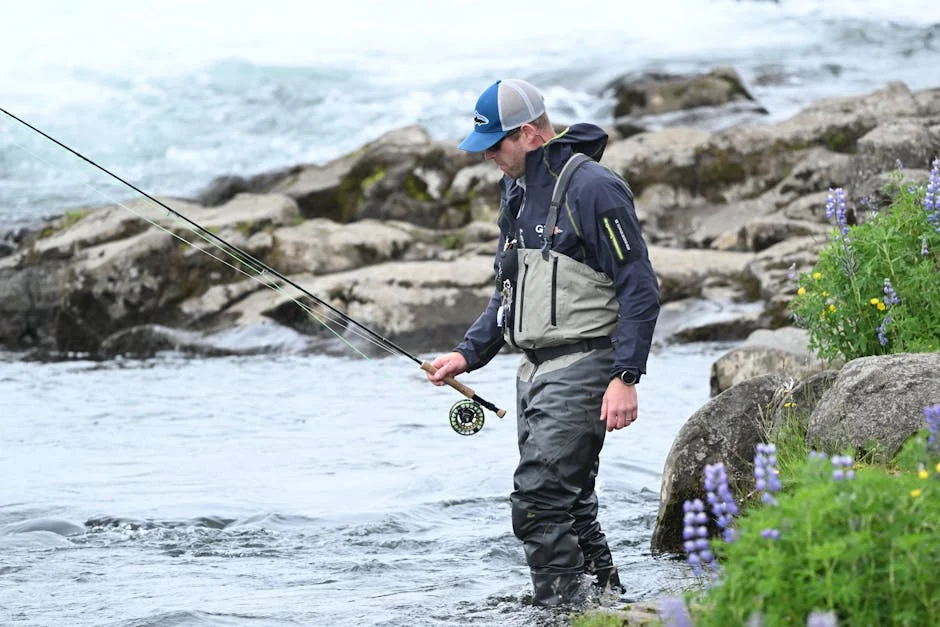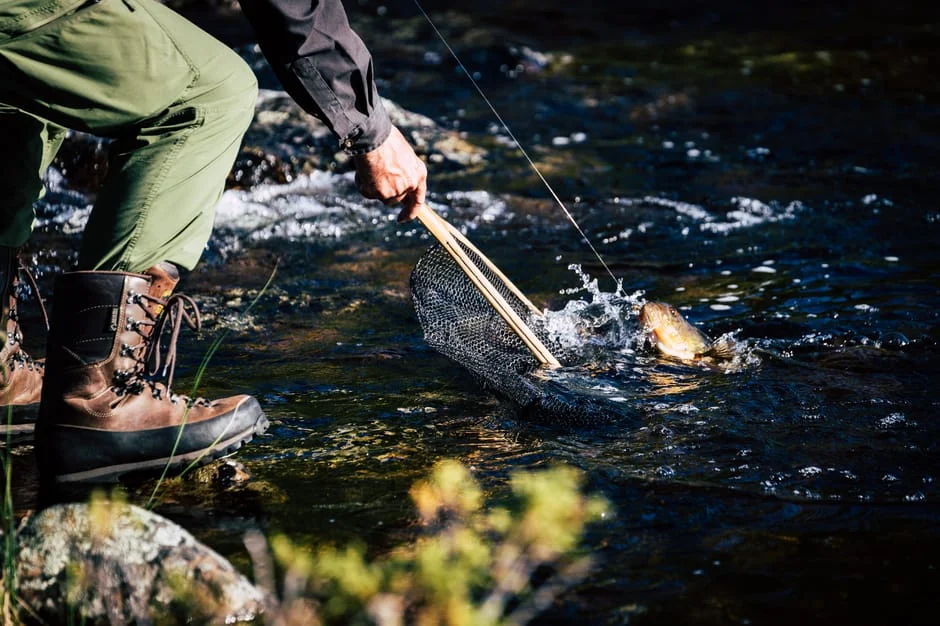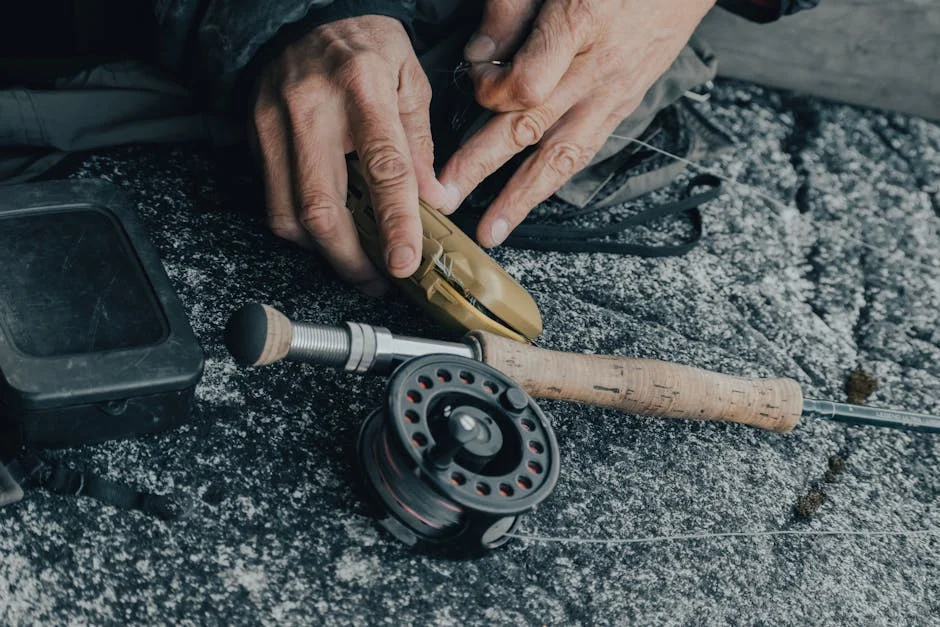
Simms Freestone Waders Reviewed: Mid-Range Quality

Affiliate disclosure: Some links on this page are affiliate links. If you buy through them we earn a small commission at no extra cost to you. Recommendations are research-driven; we don't claim personal use of every product reviewed. Product prices and availability are accurate as of the date published and are subject to change. Always check Amazon for current pricing before purchasing. Learn more.
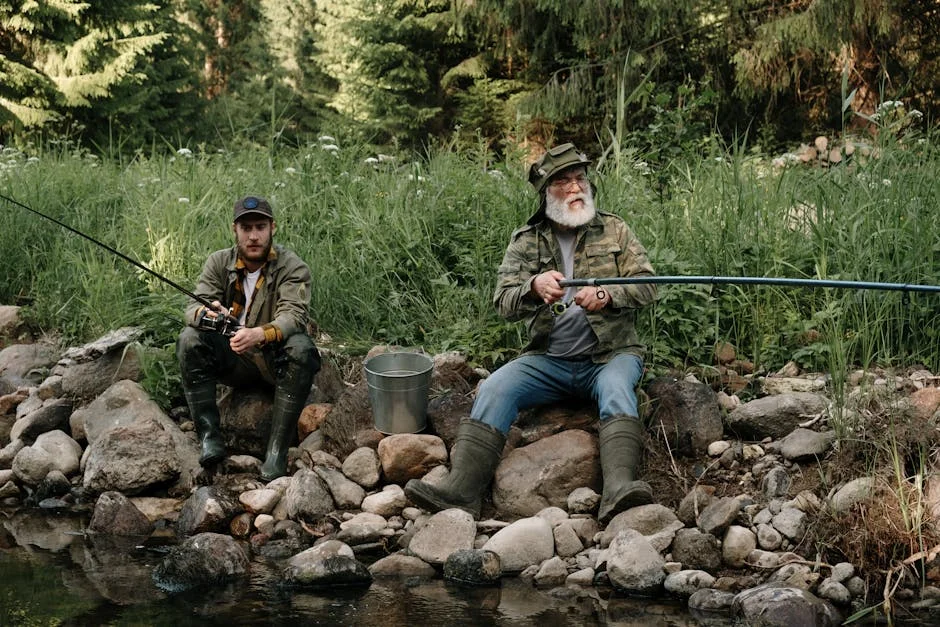
Greg keeps a pair as backup, Simms quality at a much more accessible price
See Simms Freestone Stockingfoot Waders on AmazonWaders are one of those categories where the gap between tiers is genuinely large, larger than most anglers expect until a seam fails at mile four of a canyon walk. The Simms Freestone Stockingfoot Waders occupy a specific and useful position in that spectrum: mid-range pricing, Simms construction quality, and a track record that holds up across a wide range of conditions. For anyone exploring the full range of Waders & Wading Boots options, these deserve an honest look before committing to a tier.
The case for the Freestone is straightforward. It delivers Simms-level seam construction and fit at a price that doesn’t require a full season to justify. The case against it is equally plain: it is not Gore-Tex, and that matters on long summer days.
What to Look For in Fly Fishing Waders
Material and Breathability
The single biggest variable in wader performance is the laminate. Budget waders are typically 2-layer nylon or polyester, a waterproof coating bonded to a face fabric, no backer. They work until they don’t, and the degradation is gradual and then sudden. Mid-range waders like the Freestone use a 3-layer construction: face fabric, waterproof/breathable membrane, and an interior liner bonded together. The laminate is more durable and more breathable than 2-layer.
Premium waders step up to Gore-Tex or proprietary equivalents with meaningfully higher vapor transmission. The difference is subtle in cold weather, you won’t notice it wading in November. On a July day with a full pack, covering two miles of canyon bottom, it becomes significant. Breathability is not about staying dry; it’s about managing heat load during a full fishing day.
What this means in practice: for anglers fishing primarily cold-weather or short-duration sessions, the Freestone’s breathability is adequate. For anglers logging thirty-plus days across spring, summer, and fall, particularly in active terrain, the premium laminate pays for itself in comfort.
Fit and Cut
Wader fit matters in ways that aren’t immediately obvious at the rack. A baggy hip cut creates drag in moderate current, you feel it as lateral pressure when wading across faster water, which increases fall risk and tires your legs. A trim cut in the seat also affects how a wader moves when you’re crouched or stepping up on a midstream boulder.
Simms runs a relatively trim cut even in the Freestone line, which distinguishes it from most mid-range competitors. That said, the Freestone is noticeably baggier in the hips than the G3 Guide. For anglers with a narrower build, 34-inch waist and below, that extra material catches current. It’s not dangerous in moderate flows, but it’s noticeable on a full wading day on technical water.
Size selection with any stockingfoot wader should account for the base layers underneath. Simms publishes detailed size charts; use them. Buying snug is usually the wrong call, you want room for a midlayer fleece in October without restricting your stride.
Seam Construction and Durability
Seam failure is how most waders end. Not catastrophic blowouts, slow delamination at the ankle gusset, a pinhole at the crotch seam, a slow weep at the knee after two seasons of hard use. Budget waders use overlocked seams. Mid-range and premium waders use fully taped seams, which bonds a waterproof tape over the stitching line to prevent water ingress.
The Freestone uses fully taped seams throughout, which is the feature that puts it in a different conversation than unbranded mid-range competitors. Seam taping adds cost to manufacture and it shows up in the durability data, owner reports on the Freestone consistently cite multi-season lifespans under regular use. Two failed pairs of budget waders taught that lesson the hard way: both failed at seams, both within eighteen months, and both during fishing trips.
Before investing in any wader tier, spending time with the full Waders & Wading Boots category helps clarify where the meaningful performance breaks actually fall.
Stockingfoot vs. Bootfoot
Stockingfoot waders require a separate wading boot. That adds upfront cost but provides significant advantages: better ankle support, more boot options across different sole types, and the ability to replace boot or wader independently when one wears out. Bootfoot waders are faster to put on and work well for float fishing or short wade sessions, but the integrated boot compromises ankle support on uneven terrain.
For wade fishing on technical Western water, loose cobble, slick bedrock, variable depth, stockingfoot is the right call. The Freestone is a stockingfoot design for exactly this reason.
Top Picks
Simms Freestone Stockingfoot Waders
The Simms Freestone Stockingfoot Waders are the wader kept as a backup pair, and the one lent to friends who show up underprepared. That’s not a dismissal. It’s a specific endorsement: these are the waders trusted when something has to work.
The 3-layer nylon construction is durable by any standard outside Gore-Tex comparison. In Colorado conditions, cold tailwaters in spring, warmer flows through summer, wet wading margins where you’re in and out repeatedly, the Freestone performs without issue across a full season of moderate-intensity use. Seam construction is fully taped, which is the right answer. Owner reports consistently note multi-season lifespans with normal care.
Where the Freestone shows its tier is breathability. On a two-mile walk into Cheesman Canyon in July, the difference between the Freestone and a Gore-Tex wader is real and cumulative. It’s not that the Freestone becomes uncomfortable, it’s that the G3 stays comfortable in a way the Freestone doesn’t sustain past the first hour of walking. For anglers fishing fewer than thirty days a year, or primarily in cooler conditions, that gap doesn’t matter much. For high-volume anglers covering hard terrain through summer, the breathability ceiling is the real constraint.
The fit runs true to Simms sizing but is notably baggier in the hips than the G3 Guide. On the South Platte, where you’re wading across current to reach position, that extra material creates lateral resistance that a trimmer wader eliminates. It’s manageable, experienced waders won’t find it alarming, but worth knowing before purchase, especially for narrower builds.
The recommendation is direct: if the fishing calendar runs to thirty or more days a year, spend the additional budget on the G3 Guide. If you’re fishing fifteen to twenty-five days annually, want Simms construction quality, and want to stay in the mid-range tier, the Freestone is the strongest option in that space. The budget-wader math is clear after two failed pairs, both gone at the seams inside eighteen months. The Freestone doesn’t have that problem.
Check current price on Amazon.
Buying Guide
Volume Is the Core Variable
The single most useful question to ask before buying waders is how many days per year you’ll actually fish. Not the aspirational number, the realistic one from last year’s calendar. For anglers under fifteen days annually, a quality mid-range wader is the sensible purchase. For anglers above thirty days, premium breathable laminates justify the cost in long-term comfort and durability. The Freestone lives in the middle of that range and earns its place there.
High-volume anglers logging long mileage in summer conditions will feel the breathability ceiling within a season. Lower-volume anglers or those fishing primarily in cold weather may never feel it at all.
Understanding Sole Selection
Sole choice matters as much as wader choice for anglers on Western tailwaters. Many Colorado rivers, Cheesman Canyon on the South Platte being the example most familiar, banned felt years ago, and that ban is warranted. Felt harbors invasive species and transmits them between watersheds.
The performance gap between felt and rubber has narrowed significantly with quality studded soles. Korkers OmniTrax rubber with aluminum studs is the best all-around solution found for Colorado conditions, the studs grip algae-slicked cobble that plain rubber can’t hold. On the Arkansas River freestone with its loose cobble, a heavier rubber sole without studs is sometimes the better call; studs can catch in the gaps between rocks awkwardly.
Buy wading boots with replaceable soles if the budget allows. Conditions vary, and having the ability to swap between configurations is worth the incremental cost.
Fit and Sizing Discipline
Wader sizing is not clothing sizing. The chart on the manufacturer’s website accounts for boot size, inseam, and waist, use all three dimensions, not just waist. Buying snug is almost always wrong. A size that fits perfectly over a t-shirt will be too tight when you need a fleece midlayer in October.
The Freestone runs true to Simms sizing charts. For anglers with a narrower waist relative to height, the hip cut may feel generous. That’s a fit reality of the Freestone tier, not a defect, but worth understanding before purchase. The full waders and wading boots sizing resources can help clarify fit expectations across brands.
Storage and Drying Habits
Wader longevity has as much to do with care as with construction. Hanging waders to dry turned inside-out after every session extends laminate life meaningfully. Storing waders compressed, crammed in a bag between trips, accelerates delamination at fold points. The Freestone’s 3-layer nylon is durable, but it responds to care like any technical fabric.
Seam tape is the first thing to inspect each season. A small patch of delaminating tape at the ankle gusset, caught early and resealed with Aquaseal or a Simms-approved repair kit, can extend wader life by a full additional season. Ignore it, and what was a minor repair becomes a replacement.
When to Upgrade
The honest answer on upgrading: if the Freestone is performing well and the fishing volume stays moderate, there is no urgency. These waders are built to last. The upgrade case becomes clear when breathability becomes a comfort issue on regular summer days, when a trim fit matters for technical wading in current, or when the annual day count crosses thirty.
The budget-wader math runs in one direction: two failed pairs at lower price points, both gone at the seams, both within eighteen months. The total cost of those two pairs plus the replacement exceeded what the G3 would have cost new. Buy once and buy quality, the Freestone is that answer for the mid-range tier.
Frequently Asked Questions
Are the Simms Freestone waders worth buying over cheaper alternatives?
For most intermediate anglers fishing fifteen to twenty-five days a year, yes, the Freestone is worth the step up from budget waders. The fully taped seams and Simms construction quality produce meaningfully better durability than unbranded mid-range options. Two pairs of budget waders failed at the seams inside eighteen months each. The Freestone’s track record in owner reports is substantially better than that.
How do the Simms Freestone waders compare to the Simms G3 Guide waders?
The G3 Guide uses a Gore-Tex laminate and a trimmer cut, particularly in the hips, that makes a real difference on long summer days and technical wading. The Freestone’s 3-layer nylon is durable and waterproof, but it trails Gore-Tex on breathability in warm conditions. For anglers fishing more than thirty days annually, the G3 is the stronger choice. For moderate-volume anglers, the Freestone delivers Simms quality at a more accessible price.
What wading boots pair best with the Simms Freestone stockingfoot waders?
The Freestone pairs well with any quality wading boot in the Simms, Korkers, or Patagonia lineup. For Colorado tailwaters with felt bans in effect, a rubber sole with aluminum studs, Korkers OmniTrax is a reliable option, provides the best traction on algae-covered cobble. For freestone rivers with loose rock, a heavier rubber sole without studs is sometimes preferable. Buy boots with a replaceable sole system if conditions vary across the waters you fish.
How long do Simms Freestone waders typically last?
Owner reports consistently cite two to four seasons of regular use with proper care, drying turned inside-out after each session, storing uncompressed, and addressing seam tape delamination early with Aquaseal. The Simms Freestone Stockingfoot Waders use fully taped seams, which is the primary durability variable separating them from budget-tier alternatives. Care habits have as much impact on lifespan as construction quality.
Do the Simms Freestone waders work for summer fly fishing?
They work, with a caveat. The 3-layer nylon construction is breathable relative to budget waders but trails Gore-Tex in vapor transmission on hot days with significant walking. For cool-weather or short-duration summer sessions, a few hours on the water, moderate terrain, the breathability is adequate. For full summer days covering two or more miles of canyon terrain, the breathability ceiling becomes noticeable.
Simms Freestone Stockingfoot Waders: Pros & Cons
- Greg keeps a pair as backup, Simms quality at a much more accessible price
- 3-layer nylon construction is durable and waterproof for typical Colorado conditions
- Not Gore-Tex, will feel noticeably less breathable than G3 on hard walking days
Where to Buy
Simms Freestone Stockingfoot WadersSee Simms Freestone Stockingfoot Waders on Amazon