Simms G3 Guide Waders Review: for Serious Anglers

Affiliate disclosure: Some links on this page are affiliate links. If you buy through them we earn a small commission at no extra cost to you. Recommendations are research-driven; we don't claim personal use of every product reviewed. Product prices and availability are accurate as of the date published and are subject to change. Always check Amazon for current pricing before purchasing. Learn more.
Greg's primary waders, 4-layer Gore-Tex Pro construction is best-in-class waterproofing
Check PriceWaders are the piece of fly fishing gear most likely to ruin a day on the water, and most likely to be underestimated until they fail. After going through two budget pairs in three seasons, the move to Simms G3 Guide Stockingfoot Waders changed what a wader was supposed to feel like. For anyone fishing Colorado tailwaters or serious Western water more than twenty days a year, the full story of this wader is worth reading before you buy. The Waders & Wading Boots category is crowded with options at every price band, this review focuses on the premium end.
Fit, breathability, and durability separate a functional wader from one that performs across a full season. The G3 Guide earns its reputation in all three, though not without real trade-offs worth understanding before committing at this price band.
What to Look For in Fly Fishing Waders
Construction and Waterproofing Technology
The waterproofing system inside a wader is the spec that matters most and the one marketing language most reliably obscures. Breathable waders use a laminated membrane, Gore-Tex being the most rigorously tested, bonded to face fabric and, in higher-tier models, an interior liner. The layer count matters. A four-layer construction bonds the membrane between two reinforcing layers, significantly increasing resistance to delamination under abrasion and repeated flexing. Two-layer and three-layer constructions cut cost by reducing protection at the seams and high-wear zones.
Seam construction is the second variable. Critically seamed waders, where waterproof tape seals every seam, outperform lap-seam or partially seamed alternatives in cold, deep water. Budget waders almost always economize here. The most common failure point on sub-premium waders is the ankle gusset, the crotch seam, and the knee patch perimeter, exactly the zones that flex under wading pressure. Buyers evaluating technical specs should look for “fully seamed” and “critically seamed” as distinct claims.
Fit and Mobility
A wader that fits poorly costs you energy. Excess fabric in the hips and thighs creates drag in current, a genuine problem on technical tailwaters where every foot placement is deliberate. Fitted cuts, sometimes labeled “athletic” or “trim,” have become standard in premium lines for exactly this reason. The trade-off is that trim cuts are less forgiving of layering in cold conditions. For four-season fishing in Colorado, layering room in the upper thighs matters in October and November, so buying the fit that works for your typical layer weight, not just summer conditions, is the correct approach.
Articulated knees, reinforced seat panels, and gravel guard boot fit affect mobility on different timescales. Articulated knees make a difference immediately; seat reinforcement matters over multiple seasons of streamside lunch breaks on rock; gravel guard compatibility matters the first time you get grit inside your boot and wear through the bootie.
Pockets, Organization, and Features
Pockets on waders sound like a minor convenience feature. They are not. A serious day of Colorado fishing involves moving between stretches, carrying a net, managing tippet spools, keeping a license accessible, and storing a phone without bulk. The difference between a two-pocket and a five-pocket wader is the difference between vesting up for every five-minute walk and moving light. Handwarmer pockets are underrated on cold mornings. Chest pockets with phone-accessible closures are worth specifying if you photograph fish.
Other features, integrated belt loops, D-ring attachments, neoprene booties reinforced at the toe and heel, become visible over seasons of use rather than in first impressions. Premium waders tend to get these right not because of any single feature but because the design process accounts for the full day rather than the entry-level use case.
Sole System and Traction
The felt debate in Western trout fishing has largely been settled by regulation, not preference. Felt is banned in many Colorado tailwaters, including stretches of the South Platte. The practical question is which rubber sole system comes closest to felt’s grip on algae-covered bedrock. The answer is studded rubber, specifically aluminum studs on a Vibram or comparably rated compound.
The OmniTrax interchangeable sole system sold through Korkers makes this question meaningfully easier to answer because it removes the commitment. For fixed-sole boots, Vibram rubber with aluminum studs is the benchmark for mixed Colorado conditions, hard cobble with algae, silt banks, and the occasional dry rock scramble between pools. Plain rubber without studs underperforms in high-algae tailwater conditions. Felt with studs, where legal, is the best grip option in moderate current, but the ecological case for the felt ban is sound. Exploring the full range of wading gear options before settling on a sole system is worth the time, particularly if you rotate between water types.
Top Picks
Simms G3 Guide Stockingfoot Waders
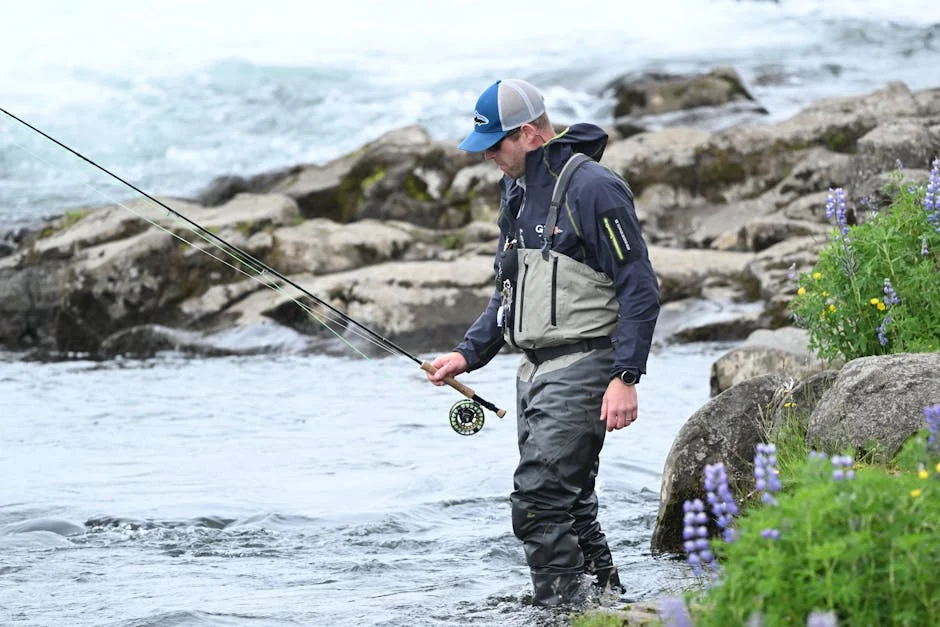
The Simms G3 Guide Stockingfoot Waders are the waders I should have bought the first time. After two pairs in the mid-range segment, both failed at the seams, one at the ankle gusset inside eighteen months, one at the crotch seam in the second season, the G3 changed the baseline expectation. The four-layer Gore-Tex Pro construction is not incremental. The membrane breathes noticeably better on a full summer day on the Frying Pan than three-layer alternatives, and the face fabric holds up against abrasion in ways that cheaper laminates don’t sustain past one hundred days of use.
The fit is the second reason this wader earns its reputation. At a 34-inch waist, the Freestone wader’s hip and thigh cut created drag in current, it’s the kind of thing you don’t notice until you wade in something better. The G3 trim cut fits like a constructed garment. There’s no excess fabric catching current on technical wading, and the articulated knees allow a full stride on uneven streamside terrain without the seam tension that plagues baggier cuts. For the South Platte above Cheesman Canyon, where the footing demands full attention and every position is deliberate, this matters.
Pockets are where the G3 separates itself from most competitors at any price band. The chest pockets, hip pocket, and hand-warmer openings handle a full day of South Platte fishing, license, tippet, nippers, phone, without requiring a vest over the top for most sessions. The Simms gravel guard boot cinches securely and has never passed grit in multiple seasons on the Arkansas. Owner reviews across platforms consistently confirm that the organizational layout holds up to heavy use without zipper failures or delaminated pocket seams, which is exactly the long-term concern at this price point.
The case against the G3 is the price. This is the most expensive wader in the Simms line short of the G4Z, and the premium is not modest. The honest framework: the cost of two failed mid-range pairs plus their replacements exceeded the G3’s price. For anglers fishing fewer than twenty days a year, the math changes. For anyone on the water thirty or more days annually, Colorado tailwaters, Wyoming trips, anything requiring serious four-season use, the owner consensus is that the G3 is the correct single purchase. Simms sizing runs narrow in the hip and lower leg. If the opportunity exists to try before buying, take it.
Check current price on Amazon.
Buying Guide
Breathable vs. Neoprene Construction
The breathable wader has largely replaced neoprene in trout fishing except for specific cold-water and winter applications. Breathable membranes regulate temperature across the full season, neoprene insulates but traps heat above roughly fifty-degree air temperatures, making a full August day on the Arkansas genuinely uncomfortable. The trade-off is that breathable waders require layering management. A fleece bottom or Guide Weight Fleece pant under a breathable wader handles October conditions on Cheesman Canyon; the same wader with a light base layer covers July on the South Platte. Neoprene makes sense for ice-up season fishing and for still-water applications. For moving Western trout water across a full season, breathable is the correct category.
Layer Count and Seam Construction
The layer count in a breathable wader is the single most reliable proxy for durability and long-term waterproofing performance. Four-layer construction, as used in the G3 Guide, bonds reinforcing fabric on both faces of the membrane. The result is significantly better abrasion resistance and delamination protection than two-layer or three-layer alternatives. Seam construction follows the same logic: critically seamed waders where waterproof tape covers every seam are the correct specification for serious use. Partially seamed waders economize at exactly the failure point most likely to matter after two seasons. Budget waders almost never offer both.
Stockingfoot vs. Bootfoot Design
Stockingfoot waders require a separate wading boot. Bootfoot waders build the boot into the wader. The arguments for bootfoot are simplicity and cold-weather insulation. The arguments for stockingfoot are better fit, more sole options, and superior wading performance on technical water. Serious trout fishing on Colorado tailwaters almost universally uses stockingfoot design, the ability to specify boot stiffness, sole compound, and fit independently is the reason. Bootfoot waders are appropriate for float fishing, still water, and casual use where technical wading isn’t the primary demand. For anyone investing in a premium wader, the stockingfoot configuration is nearly always the correct choice. The broader waders and wading boots category covers both designs in detail.
Sole Selection for Western Conditions
The rubber sole with aluminum studs is the practical standard for mixed Colorado conditions. The algae-covered cobble of high-pressure tailwaters like the South Platte and Frying Pan demands more grip than plain rubber provides. Aluminum studs on a Vibram compound come closest to felt’s grip on wet bedrock while performing acceptably on dry rock scrambles between pools. Plain rubber underperforms in high-algae conditions. Felt with studs, where regulations permit, is still the grip leader in moderate current on algae-covered bedrock.
The Arkansas River freestone requires a different calculation. The loose, irregular cobble catches studs differently than the polished bedrock of tailwaters, on the freestone, a softer rubber compound without aggressive studs sometimes provides better contact. The right answer for anglers rotating between both water types is an interchangeable sole system, which adds upfront cost but removes the compromise. For tailwater-only fishing, studded Vibram rubber is the correct single-sole choice.
Durability and Warranty Considerations
Wader warranty terms are worth reading before purchase. Simms offers a lifetime warranty on materials and workmanship defects on the G3 Guide line, with customer service that owner reports consistently rate as responsive on legitimate warranty claims. The practical implication is that delamination, seam failure, and manufacturing defects are covered; user damage from sharp rocks or misuse is not. High-end warranties have more value on premium constructions, a lifetime warranty on a wader that degrades in three seasons regardless is not the same proposition as a lifetime warranty on a four-layer Gore-Tex Pro construction that owners routinely report lasting five to eight seasons with proper care. The warranty math is part of the cost-per-day calculation that changes the premium price band argument.
Frequently Asked Questions
Are the Simms G3 Guide waders worth the premium price?
For anglers fishing twenty or more days per year on serious moving water, owner consensus points toward yes. The four-layer Gore-Tex Pro construction and critical seam taping address the two most common failure modes in lower-tier waders. The cost-per-day math over five or more seasons of use compares more favorably to successive mid-range purchases than the upfront price implies. For casual anglers fishing fewer than fifteen days a year, a well-constructed mid-range breathable wader is the more defensible choice.
How does the Simms G3 Guide compare to the Simms Freestone?
The G3 uses four-layer Gore-Tex Pro; the Freestone uses a three-layer Toray fabric at a lower price point. The G3 breathes noticeably better in warm conditions and resists abrasion longer over multi-season use. The Freestone fits baggier in the hip and thigh, functional for most uses but creates drag on technical tailwater wading. For high-volume fishing and demanding conditions, the G3 is the stronger choice.
What wading boot sole works best with the Simms G3 Guide on Colorado tailwaters?
Studded rubber, specifically aluminum studs on a Vibram OmniTrax or comparable compound, is the benchmark for Colorado tailwaters. Felt is banned on many stretches of the South Platte and other high-profile Colorado waters, making rubber the only legal option on those fisheries. Aluminum studs on quality rubber close the grip gap versus felt on algae-covered bedrock. Plain rubber without studs underperforms in high-algae conditions.
Do the Simms G3 Guide waders run true to size?
Simms G3 sizing runs narrow in the hip, thigh, and lower leg relative to other wader brands. Buyers coming from Patagonia, Orvis, or budget brands typically report needing to size up in the hip or select a different cut than their usual waist measurement suggests. If an in-store fitting is possible, take it. The trim cut is one of the G3’s functional advantages on technical water, but it requires confirming fit before purchasing, particularly for buyers with athletic builds or those planning to layer heavily in winter conditions.
How do I care for Gore-Tex waders to maximize their lifespan?
Turn the Simms G3 Guide Stockingfoot Waders inside out and rinse after every session to clear silt and debris from the neoprene bootie and interior seams. Allow them to dry fully, inside out, before storage. Avoid compressing waders in a stuff sack for extended storage periods, which can stress seam tape over time. Wash periodically with a Tech Wash product, then reactivate the DWR finish with a Tumble Dry on low or a dedicated DWR spray.
Simms G3 Guide Stockingfoot Waders: Pros & Cons
- Greg's primary waders, 4-layer Gore-Tex Pro construction is best-in-class waterproofing
- Simms gravel guard boots fit perfectly for multi-day Colorado river access
- Extremely expensive, hardest premium price to justify in fly fishing gear
Where to Buy
Simms G3 Guide Stockingfoot WadersCheck availability at Simms →