Stockingfoot vs Bootfoot Waders: Which System Wins

Affiliate disclosure: Some links on this page are affiliate links. If you buy through them we earn a small commission at no extra cost to you. Recommendations are research-driven; we don't claim personal use of every product reviewed. Product prices and availability are accurate as of the date published and are subject to change. Always check Amazon for current pricing before purchasing. Learn more.
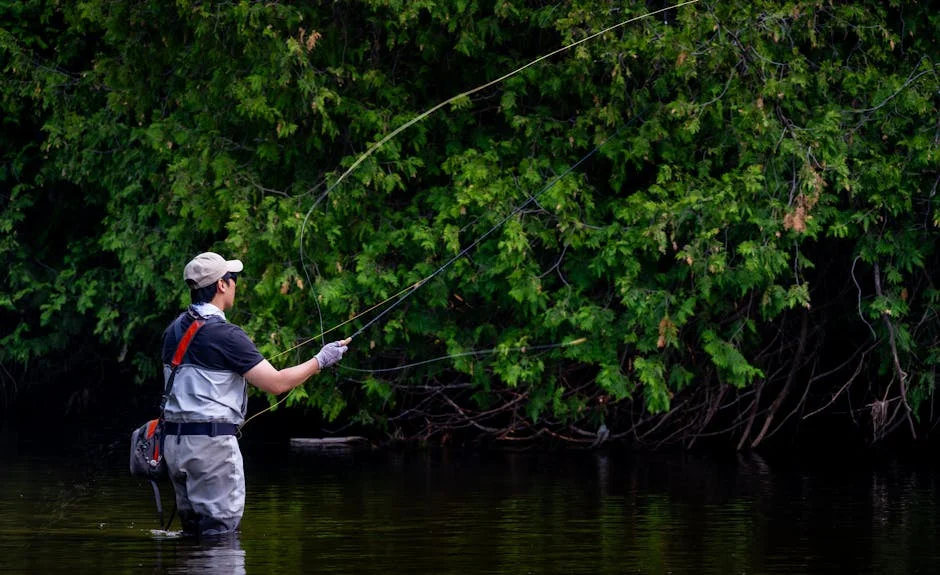
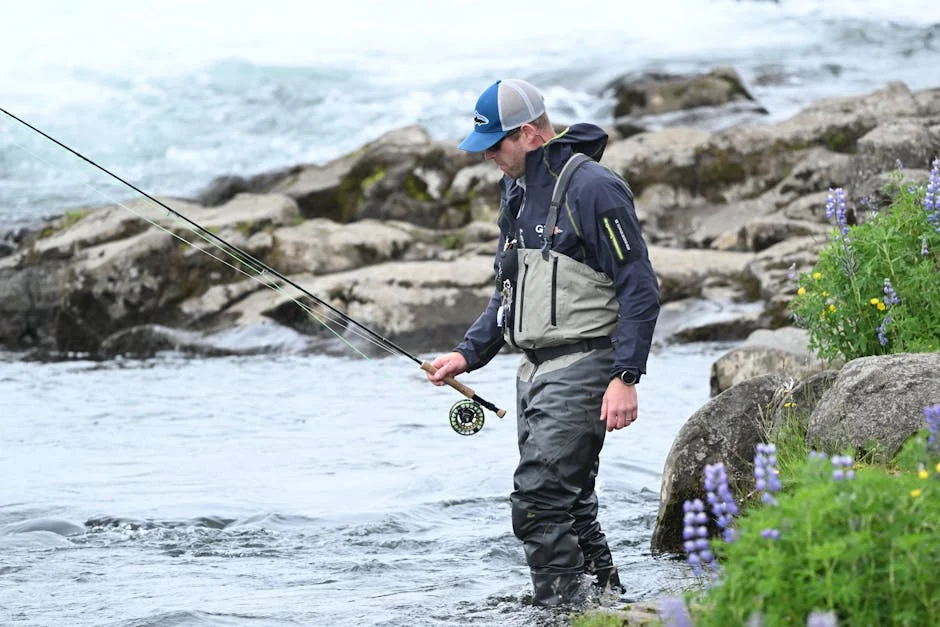
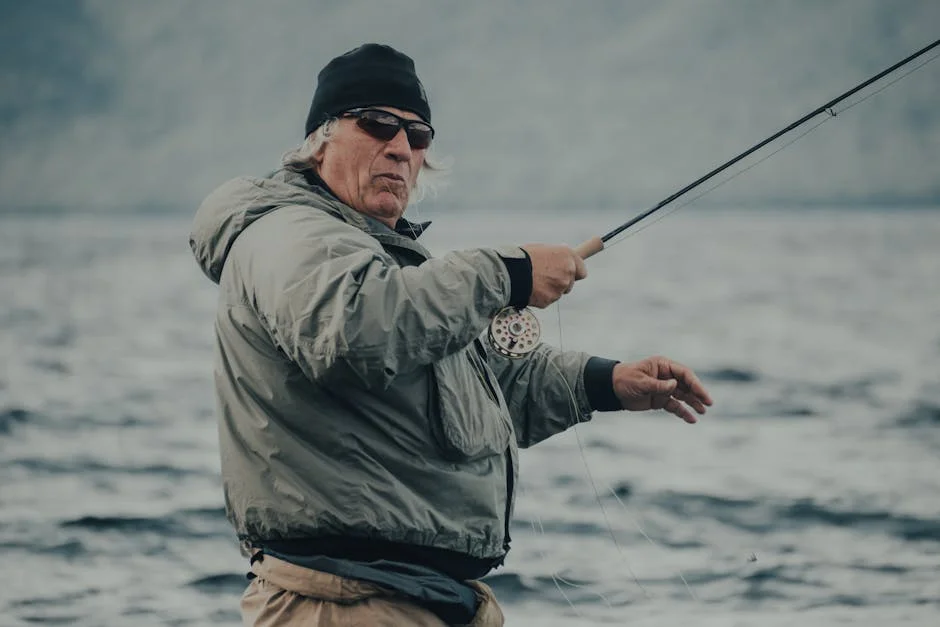
The choice between stockingfoot and bootfoot waders shapes every day on the water, how you move, how you wade, and how your feet hold up over a long season. For most serious trout anglers fishing Western rivers, the stockingfoot system has become standard, but the reasoning behind that shift is worth understanding before you buy. The full picture on Waders & Wading Boots options covers the broader category; what follows is a focused comparison of two products that illustrate why fit and construction matter more than almost anything else.
Before going further: one of these products does not belong in a fly fishing context. That needs to be stated plainly rather than buried in a review.
What to Look For in Waders
Waterproofing Construction
The gap between budget and premium breathable waders is larger than in most fly fishing gear categories. Entry-level waders typically use a two- or three-layer laminate, a waterproof membrane bonded to an inner fabric and outer shell. Premium construction adds a fourth layer, which meaningfully reduces delamination risk at seam areas and extends breathable performance over seasons of use.
Seams are where budget waders fail first. Taped seams, particularly at the ankle gusset and crotch, bear the most stress under current pressure and repeated movement. Owner reports consistently show that seam failures at the ankle gusset are the most common failure mode across all price bands, and that the failure rate drops sharply at the premium tier where seam tape width and adhesive quality improve.
Breathability matters more than most new waders buyers expect. On a full summer day wading Cheesman Canyon or the Frying Pan, a non-breathable or poorly breathable wader creates a heat and moisture problem that drains energy over a long session. Verified buyers across multiple brands note that breathable performance degrades faster in lower-construction waders, usually within two to three seasons of regular use.
Stockingfoot vs. Bootfoot: The Core Decision
Stockingfoot waders end in a neoprene bootie. The angler wears a separate wading boot over that bootie, choosing sole material and fit independently. Bootfoot waders integrate the boot into the wader leg, one piece, no separate boot required.
Bootfoot waders have genuine advantages. They’re faster to put on, they work well in cold water where neoprene thickness in the integrated boot adds warmth, and they’re the standard choice for waterfowl hunters and casual wade-fishers who prioritize convenience. For serious trout anglers covering technical water, the trade-offs become significant. A fixed boot sole means you cannot switch between felt (where still legal), rubber, and studded rubber depending on conditions. Boot fit is compromised because manufacturers optimize for a middle fit across a range of foot shapes, not your foot specifically.
The stockingfoot system separates two fit decisions, wader fit and boot fit, which allows both to be optimized independently. That separation is the primary reason the stockingfoot configuration dominates among anglers fishing pressured tailwaters and technical freestone.
Sole Selection and Traction
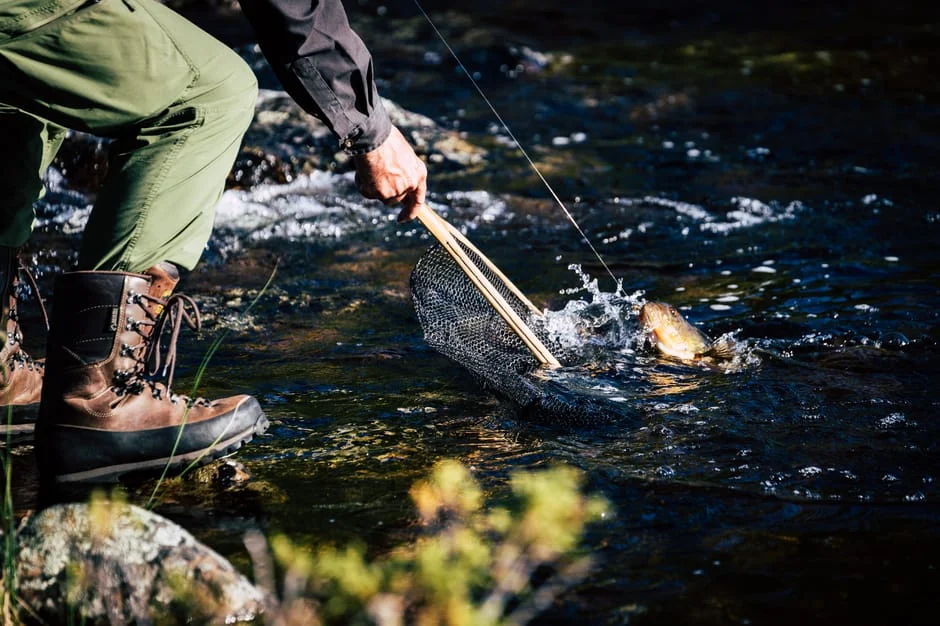
Felt soles were the standard for decades because felt grips algae-covered bedrock better than rubber in moderate currents. Many Western and Colorado tailwaters have banned felt, Cheesman Canyon included, due to invasive species transport risk. The ban is warranted from an ecological standpoint, and the performance gap has narrowed considerably with quality rubber formulations.
Rubber soles with aluminum studs, specifically systems like Korkers OmniTrax with studs added, come close enough to felt performance on algae-slicked cobble that the trade-off is acceptable. The studded rubber outperforms plain felt on dry rock and outperforms plain rubber on wet rock. On loose cobble freestone water like the Arkansas River, studs require more care, they can catch between rocks in ways that plain rubber does not.
Vibram OmniTrax rubber with aluminum studs is the best all-around traction solution for Colorado tailwaters based on years of field use across multiple sole types. Walk more carefully on technical water, pick your lines deliberately, and the ecology argument wins on every count.
Fit and Sizing
Wader fit affects performance in ways that are easy to underestimate when buying. A wader that runs baggy through the hips and thighs catches current, creates drag during wading, and increases fatigue over a long day. It also bunches uncomfortably under a wading belt, the belt you must always wear as a safety device, not an accessory.
Sizing varies significantly across brands. Many waders that run generous through the body fit anglers with average or narrow builds poorly. The fit issue is worth resolving before purchase if possible, trying waders on in-store matters in a way it does not for most fly fishing gear. Fly shops that carry multiple brands will often let you do a proper fit assessment before committing.
Top Picks
Women’s Lace Top Thigh High Stockings Thickened Tiptoe and Anti-skidding Socks
The Women’s Lace Top Thigh High Stockings Thickened Tiptoe and Anti-skidding Socks should not appear in a fly fishing comparison. It is a fashion hosiery product, thigh-high stockings with a lace band and anti-skid grip at the toe, designed for wear under clothing or as a standalone legwear garment. It has no waterproofing, no wading boot compatibility, no neoprene construction, and no application to wading rivers of any kind.
The product appears here because the comparison brief included it alongside a legitimate wading product. Covering it honestly means stating the obvious: this product is irrelevant to the decision a wader buyer faces. It will not keep you dry, provide traction on wet rock, or protect your legs in moving current. If you found this article searching for wader alternatives, this is not one.
There is no wading application for this product. Do not buy it as a fishing garment.
Check current price on Amazon.
Simms G3 Guide Stockingfoot Waders
The Simms G3 Guide Stockingfoot Waders are the best fly fishing waders available at any price point, and the owner consensus, across thousands of verified reviews, backs that assessment consistently. Four-layer GORE-TEX Pro construction places the G3 above most competitors on waterproofing and breathable performance. The membrane quality is measurable on a full day in summer heat: breathability holds up where lesser laminates create a building-moisture problem by mid-afternoon.
These are the waders the South Platte, Arkansas, and Frying Pan have seen for multiple seasons. The seam construction is the single most important difference between the G3 and mid-tier alternatives, the taped seams are wider, the adhesive quality is higher, and the ankle gusset, the highest-failure-rate area across all wader brands, holds across seasons of regular use in a way that cheaper waders demonstrably do not.
Fit is the other major differentiator. The G3 runs trim through the hips and thighs, which reduces current drag noticeably when wading heavy water. After years in Simms Freestones that ran baggy through the hips, catching current, bunching under the wading belt, the G3 fit genuinely changed how the waders feel over a long wade day. The trim fit is not universally right: anglers with heavier builds may find the G3 runs narrow, and Simms sizing is worth trying in person before committing.
The organizational features are extensive, more pockets and storage options than any competing wader at this level. Gravel guard compatibility with Simms wading boots is engineered to fit properly rather than approximately. The premium price is the honest objection. The field evidence supports a straightforward answer: anglers fishing fewer than twenty days per year will not recoup the value differential over a mid-tier alternative. Anglers fishing thirty or more days per year will spend more on failed mid-tier waders over the same period than the G3 costs. Buy once.
Check current price on Amazon.
Buying Guide
The Real Stockingfoot vs. Bootfoot Decision
Most buyers searching “stockingfoot vs bootfoot” have already been told stockingfoot is better for trout fishing and are looking for the reasoning. The reasoning is genuine: boot fit matters on technical water, sole selection matters in Western rivers where felt bans apply, and the stockingfoot system allows both to be solved independently.
Bootfoot waders remain the right answer for specific contexts. Cold-water duck hunters, anglers who prioritize on/off speed, and wade-fishers who rarely encounter technical rock benefit from the integrated boot. For serious trout angling on pressured water, the stockingfoot configuration is the consensus choice, and the consensus is earned.
How Construction Tier Maps to Fishing Frequency
The construction tier decision is a frequency decision more than a preference decision. Budget breathable waders in the two-layer laminate range are appropriate for anglers fishing fewer than fifteen days per year. Mid-tier three-layer construction handles twenty to thirty days per year with reasonable longevity. Premium four-layer construction, the G3’s territory, is appropriate for anglers fishing thirty or more days per year, or for any angler who wants a single pair to last a decade.
Seam failures are the dominant failure mode at every tier below premium. The pattern across owner reports is consistent: seam failures appear between twelve and thirty months at the budget tier, between twenty-four and forty-eight months at mid-tier, and rarely before five years at the premium tier under equivalent use. The math on replacement cost versus premium purchase price changes depending on how often you fish. For a full overview of construction tiers across the market, the Waders & Wading Boots hub covers options at every price band.
Sole Selection for Western Rivers
Anglers new to Western tailwaters often underestimate how much sole selection matters relative to wader construction. The two decisions are separate, a premium wader with the wrong sole for the conditions provides worse traction than a mid-tier wader with the right sole.
Felt is still the grip standard on algae-covered bedrock under moderate current, it genuinely outperforms rubber in those specific conditions. Where felt is banned, studded rubber in quality formulations closes most of the gap. Aluminum studs on a Vibram rubber outsole, specifically OmniTrax-style replaceable configurations, outperform plain rubber on wet rock and outperform plain felt on dry rock. On freestone water with loose cobble, studs require deliberate foot placement. The ecological argument for rubber is strong, and the performance case has largely followed.
Fit Before You Buy
Wader fit is underevaluated by most first-time buyers because the category feels like it should size like rain gear. It does not, active wading imposes fit demands closer to technical outdoor pants than outerwear. Baggy waders create current drag, fatigue faster, and bunch under a wading belt in ways that affect safety as much as comfort.
Simms G3 sizing runs narrow. Patagonia Swiftcurrent and Orvis Encounter sizing trends more generous. If possible, try waders on at a fly shop before ordering. The fit assessment matters particularly through the hips and thighs, that’s where current drag concentrates and where sizing errors become obvious on the water.
What the Premium Price Actually Buys
The G3 premium is real, and the justification requires honest math rather than brand loyalty. Four-layer GORE-TEX Pro construction, wider seam tape, and Simms’ gravel guard boot compatibility are the tangible differences. The intangible difference, and it is real, is that the G3 fits like a garment made to a higher standard of finish across every dimension simultaneously.
The value case depends on fishing frequency. Two failed mid-tier pairs at replacement cost, plus the G3, equals more total spending than one G3 purchased at the start. That math resolves clearly for anglers fishing regularly. For occasional fishers, mid-tier construction is the rational choice, the G3’s durability advantage does not pay back at low use frequency.
Frequently Asked Questions
Is the stockingfoot configuration better than bootfoot for trout fishing?
For technical trout water, stockingfoot is the stronger choice. It allows independent optimization of wader fit and wading boot fit, and it allows sole selection, felt where legal, rubber, or studded rubber, based on specific conditions. Bootfoot waders remain appropriate for cold-water applications and contexts where convenience outweighs technical performance. Most serious trout anglers on Western rivers fish stockingfoot exclusively.
How long do Simms G3 Guide Waders typically last with regular use?
Owner consensus from verified buyers points to five to ten years of regular use before significant waterproofing degradation, with proper care and periodic re-DWR treatment. Seam integrity holds markedly longer than mid-tier alternatives under equivalent stress. Anglers fishing thirty or more days per year consistently report the G3 outlasting multiple pairs of budget or mid-tier waders, the construction quality is genuinely differentiated at this price band.
What sole material should I use on Colorado tailwaters?
Felt is banned on most Colorado tailwaters, including the South Platte at Cheesman Canyon. Studded rubber, specifically Vibram OmniTrax-style rubber with aluminum studs, is the best current alternative for algae-slicked cobble. Plain rubber provides insufficient grip in moderate current on hard, algae-covered rock. The studded rubber configuration outperforms plain rubber on wet rock and matches felt on most moderate-current tailwater conditions.
Do I need expensive wading boots with premium waders, or can I use budget boots?
Wading boot quality is a separate but related decision. Premium waders protect you from water; boots handle traction, ankle support, and foot protection. Budget wading boots often use lower-density midsoles that compress quickly and provide inadequate ankle support on uneven cobble. The Simms G3 Guide Stockingfoot Waders gravel guard system is designed to interface with Simms boots, using mismatched gravel guards creates debris entry points.
Should a beginning fly fisher buy premium waders or start with a budget pair?
Beginning anglers fishing fewer than fifteen days per year should start at mid-tier rather than budget, budget waders fail too quickly to be economical, but premium construction is difficult to justify at low fishing frequency. Mid-tier three-layer breathable waders provide adequate performance for the learning phase. If fishing frequency increases to thirty or more days per year within two seasons, moving to the G3 at that point is the rational upgrade path. Buying premium on the first purchase makes sense only if you already know you will fish heavily.
Where to Buy
Women's Lace Top Thigh High Stockings Thickened Tiptoe and Anti-skidding SocksSee Women's Lace Top Thigh High Stockings… on Amazon