Stillwater Fly Fishing: Techniques for Lakes and Ponds

Affiliate disclosure: Some links on this page are affiliate links. If you buy through them we earn a small commission at no extra cost to you. Recommendations are research-driven; we don't claim personal use of every product reviewed. Product prices and availability are accurate as of the date published and are subject to change. Always check Amazon for current pricing before purchasing. Learn more.
Quick Picks
Stillwater Fly Fishing For Trout: Proven Methods, Techniques and Tricks for Catching More Trout in Lakes, Reservoirs and Ponds
Buy on AmazonWild Water Standard Fly Fishing Combo Starter Kit, 3 or 4 Weight 7 Foot Fly Rod, 4-Piece Graphite Rod with Cork Handle, Accessories, Die Cast Aluminum Reel, Carrying Case, Fly Box Case & Fishing Flies
Buy on Amazon| Product | Price Range | Top Strength | Key Weakness | Buy |
|---|---|---|---|---|
| The Orvis Guide to Stillwater Trout Fishing also consider | $$ | Buy on Amazon | ||
| Stillwater Fly Fishing For Trout: Proven Methods, Techniques and Tricks for Catching More Trout in Lakes, Reservoirs and Ponds also consider | $$ | Buy on Amazon | ||
| Wild Water Standard Fly Fishing Combo Starter Kit, 3 or 4 Weight 7 Foot Fly Rod, 4-Piece Graphite Rod with Cork Handle, Accessories, Die Cast Aluminum Reel, Carrying Case, Fly Box Case & Fishing Flies also consider | $$ | Buy on Amazon |
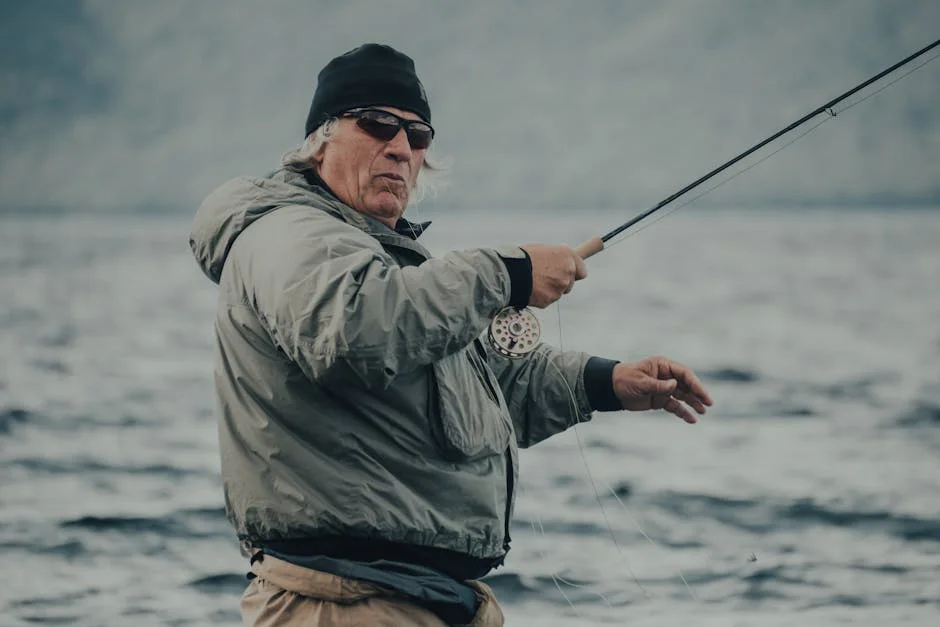
Stillwater fly fishing doesn’t get nearly the attention it deserves in most fly fishing conversations. Rivers dominate the content, the podcasts, the gear reviews. But lakes, reservoirs, and ponds hold some of the most technically interesting trout fishing available, and the skills required are genuinely different from moving-water work.
If you’ve spent most of your time on rivers, stillwater fishing will reset your assumptions. There’s no current to help you read structure, no drift to manage, and no surface disturbance to mask your presentation. The fish are moving, and you have to think in three dimensions.
What Makes Stillwater Fly Fishing Different
Before we get into gear and resources, it’s worth understanding why stillwater trout fishing is its own discipline rather than just river fishing in a bigger pool. The techniques, the mental models, even the casting approach are different enough that experienced river anglers often struggle on their first few stillwater trips.
For a broader look at how stillwater fits into the larger picture of fly fishing methods, the Techniques & Methods hub is worth bookmarking. This article focuses specifically on lakes, reservoirs, and ponds, but the underlying principles connect to nearly every other technique in the sport.
Reading Structure Without Current
On a river, current does a lot of the work for you. Fish station themselves in predictable locations relative to food delivery. Seams, eddies, drop-offs, and tailouts are all readable from the bank with some experience. On stillwater, the fish are moving circuits around the lake, following food, oxygen levels, and temperature gradients.
The equivalent of reading current on stillwater is reading structure. Drop-offs, submerged weed beds, inlet channels, shoals, and points create edges that concentrate fish. Wind matters enormously because it pushes surface food and triggers feeding activity. The calmer the morning, the more carefully you need to think about where fish are in the water column.
This is why local knowledge transfers better on stillwater than almost anywhere else in fly fishing. A guide who has spent five seasons on a specific reservoir has watched those fish circuits long enough to predict behavior. When I’ve had the chance to fish with guides who specialize in stillwater, the education has been more compressed than almost anything I’ve learned from a book. That said, good books do exist, and they’re listed below.
Depth, Retrieve, and the Horizontal Game
River nymphing is fundamentally a vertical game: you’re getting flies to the bottom and keeping them there through a drift. Stillwater fishing is often a horizontal game. You cast, count the fly down to the target depth, and then retrieve with a pattern that matches the behavior of whatever the fish are eating.
Chironomid (midge pupa) fishing from an anchored position is one of the most technical presentations in all of fly fishing. A nearly stationary fly suspended at the exact right depth in the water column, with almost imperceptible movement, can be extraordinarily effective on reservoir trout. It’s the opposite of what most river anglers are trained to think about.
Leeches, damselfly nymphs, Callibaetis mayflies, water boatmen, and scuds round out the stillwater menu on most western lakes and reservoirs. Each has a characteristic movement and depth preference that shapes how you present the fly. Getting those details right is where the learning happens.
Tackle Considerations for Still Water
The gear shift for stillwater isn’t extreme, but there are a few specific adjustments worth making. Rod length tends to run longer because more line control is needed. A 9-foot to 10-foot rod in 5 or 6 weight handles most situations. For smaller ponds and alpine lakes where delicacy matters more, a 4 weight in the 8’6” to 9’ range is worth considering.
Fly lines deserve real attention. An intermediate sinking line is the most versatile tool in stillwater fishing. A full sinking line in a faster sink rate handles deep presentations. A floating line with a long, tapered leader covers dry fly and chironomid work. Most serious stillwater anglers carry multiple spools or a second reel.
For new anglers coming to stillwater first, a combo starter kit in the 3 to 4 weight range is a reasonable starting point. These kits include a rod, reel, line, and basic accessories, which gets someone on the water without requiring them to spec out every component individually before they know what they prefer.
Top Picks
Resources and gear for stillwater fly fishing are not as abundant as their river-focused equivalents. What follows are the books and gear worth considering, whether you’re approaching stillwater for the first time or looking to sharpen what you already know.
The Orvis Guide to Stillwater Trout Fishing
The Orvis Guide to Stillwater Trout Fishing is one of the most complete single-volume treatments of the subject available. Verified buyers consistently describe it as the reference they return to throughout a season, not just a one-time read. The coverage spans lake ecology, trout behavior, fly selection by food type, and presentation techniques from floating to deep-sinking approaches.
The Orvis brand connection brings both strengths and a mild caveat. The Orvis name tends toward production quality and clear, accessible writing, which shows here. Spec data from reader reports suggests the book covers western stillwater types thoroughly, with strong sections on chironomid fishing and the shoal-zone tactics that are often glossed over in general fly fishing books.
Based on owner reviews, the sections on reading stillwater structure are particularly strong. This is the part most river anglers need most. Understanding where fish are in a lake without current to organize your thinking requires a genuine conceptual reframe, and this book handles that transition better than most.
Check current price on Amazon.
Stillwater Fly Fishing For Trout: Proven Methods, Techniques and Tricks for Catching More Trout in Lakes, Reservoirs and Ponds
Stillwater Fly Fishing For Trout takes a more technique-forward approach than the Orvis guide, with a practical emphasis on what to do in specific situations. Owner reviews describe it as more of a field companion: concrete, specific, and organized around problems you actually encounter on the water.
The title’s “lakes, reservoirs and ponds” framing is accurate. Field reports from buyers indicate the book covers multiple stillwater types rather than focusing exclusively on one format. Smaller ponds and beaver ponds get coverage that a lot of western-centric stillwater books skip. That’s useful for anglers who fish varied water rather than returning to a single reservoir season after season.
Where verified buyers note the book is strongest is in the retrieve and presentation sections. The horizontal game on stillwater involves a wider range of retrieve styles than most river anglers have ever needed: figure-eight retrieves, slow hand-twist retrieves, stripping at various speeds, and dead-drift suspension. Getting those details organized by target species and food type is exactly what this book delivers, according to reader consensus.
Check current price on Amazon.
Wild Water Standard Fly Fishing Combo Starter Kit
The Wild Water Standard Fly Fishing Combo Starter Kit is a 3 or 4 weight, 7-foot, 4-piece graphite rod paired with a die-cast aluminum reel, carrying case, fly box, and flies. For someone walking into stillwater fishing for the first time, particularly on smaller ponds or alpine lakes, this kit covers all the bases without requiring component-by-component decisions.
The 3 or 4 weight designation and 7-foot length are worth thinking about in context. For open reservoir fishing with a sinking line, you’ll eventually want something longer and heavier. But for beaver ponds, smaller mountain lakes, and situations where delicacy and shorter casts matter, a 7-foot lighter rod is actually a reasonable fit. Field reports from buyers suggest the kit performs well for its price band, with the rod blank described as functional rather than refined.
Starter kits as a category always involve compromises. The reel and rod in a combo are never going to match what you’d spec separately at equivalent price bands. What you’re buying is a complete, working system that lets you figure out whether you want to invest more. Based on owner reviews, the Wild Water kit achieves that purpose. The cork handle and included accessories are described as adequate for new anglers getting their first stillwater reps.
Check current price on Amazon.
Buying Guide: What to Consider Before You Start
Stillwater fly fishing has its own learning arc, and the gear and resources you choose at the start shape how fast you climb it. The following sections cover the decisions that matter most.
Books First, Then Gear
My honest recommendation for anyone approaching stillwater seriously is to read first and buy later. The reason is practical: stillwater technique shapes gear choices in a way that’s unusual in fly fishing. An intermediate sinking line, for example, isn’t obvious to a river angler who has only ever used floating lines. Understanding why you need it before you buy it means you’re making an informed decision rather than a reactive one.
Both the Orvis guide and the Stillwater Fly Fishing for Trout book operate at the instructional level where technique drives gear understanding. One season of reading before buying has saved me significant money on gear I didn’t actually need, across multiple disciplines. For a broader catalog of technique resources across all fly fishing methods, the Techniques & Methods hub is the starting point.
Rod Length and Weight for Stillwater
Most stillwater fly fishing rewards a longer rod than what most river anglers carry by default. A 9-foot 5 weight or 6 weight covers the widest range of stillwater conditions. For smaller water where presentation delicacy matters more than line management, a 4 weight in the 8’6” to 9-foot range is worth considering.
The 7-foot rod in the Wild Water starter kit is a specific fit for smaller ponds and alpine lakes. It isn’t the wrong choice for those conditions, but new anglers should understand the limitation before buying for open-reservoir fishing.
Fly Line Selection
A floating line handles dry fly and suspended chironomid work. An intermediate sinking line, typically sinking at one to two inches per second, is the most versatile tool for covering feeding fish in the top three to eight feet of the water column. A medium or fast full-sinking line handles deeper presentations when fish are holding below the thermocline.
Most stillwater anglers eventually build a quiver of lines on multiple reels or spools. Starting with a floating line and one intermediate sinking line covers most situations. Add a faster sinker as you learn where the fish are on the water you fish most.
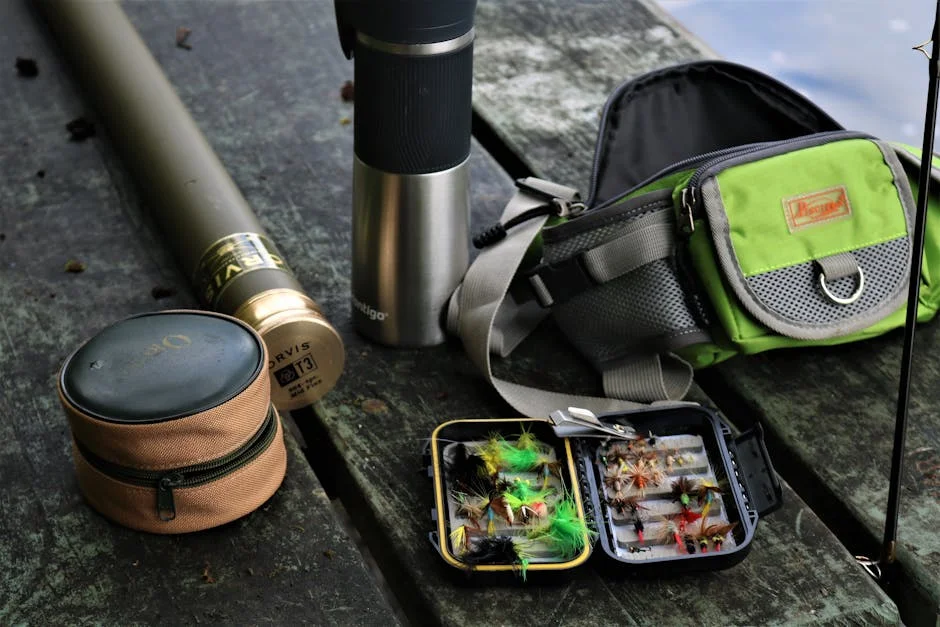
Fly Selection and Pattern Confidence
I spent years over-filling my fly box with patterns because I was convinced each hatch demanded its own specific solution. A guide on the Bighorn eventually straightened me out by limiting me to four flies for an entire trip. I caught more fish. The lesson applies hard on stillwater: confidence in a few patterns across food categories (chironomid pupa, leech, damsel nymph, Callibaetis nymph, dry) beats confusion from too many options.
On stillwater, color and size often matter more than exact pattern. A black or olive leech in the right size range, fished at the right depth with a retrieve that matches the naturals, will outperform an exact-match pattern fished wrong.
Local Knowledge and Guided Days
No book fully substitutes for a guided day on the specific water you’re planning to fish. Stillwater trout fishing is unusually dependent on local specifics: what the fish are eating in a given season, where the weed beds are, what the thermocline depth looks like in July versus September. A local guide who has spent seasons on that water compresses years of solo learning into a single day.
If a guided day isn’t in the plan, talking to the fly shop nearest the water is the next best option. On waters I fish for the first time, the fifteen minutes I spend at the local shop before I leave the parking lot have saved me more blank days than almost any other habit I’ve built over twenty years.
Frequently Asked Questions
What fly rod weight is best for stillwater fly fishing?
For most stillwater situations, a 5 or 6 weight rod in 9 feet is the most versatile choice. A 5 weight handles smaller reservoirs, alpine lakes, and finesse presentations effectively. A 6 weight gives you more authority with heavy sinking lines and larger flies, particularly on open water where wind is a factor. Lighter rods in the 3 to 4 weight range work well on small ponds and beaver ponds where shorter casts and delicate presentations matter more.
Do I need a sinking line for lake fishing?
A floating line handles dry fly fishing and suspended presentations like a chironomid under an indicator, but an intermediate sinking line is the single most useful addition for stillwater fishing. It lets you work the subsurface zone where feeding fish spend most of their time, without the belly and line-management challenges of a full sinking line. Most experienced stillwater anglers carry at least three line types: floating, intermediate, and a medium or fast full sinker.
Is stillwater fly fishing harder than river fishing?
It’s differently hard rather than objectively harder. River fishing demands current-reading skills and drift management. Stillwater fishing demands three-dimensional thinking about where fish are in the water column, understanding of retrieve technique, and patience with presentations that often involve very little visible feedback. Anglers who have mostly fished rivers tend to find the horizontal, retrieve-based game unfamiliar and initially frustrating.
What flies should I start with for trout in lakes?
A practical starting set covers the main food categories rather than every specific hatch: a chironomid pupa in black and red (sizes 14-18), a black or olive leech pattern, a damselfly nymph in olive, a Callibaetis nymph or soft hackle, and a small dry fly like a Parachute Adams or Elk Hair Caddis for rising fish. That’s five categories with a couple of size and color options each. Fish those with confidence before adding complexity.
Can I use my river fly fishing setup for stillwater?
Yes, especially to start. A standard 9-foot 5 weight with a floating line covers more stillwater situations than most people expect. The main limitation is that a floating line makes it harder to work deeper in the water column effectively. Adding an intermediate sinking line on a spare spool is the most impactful single upgrade. As your stillwater fishing develops, you’ll identify the specific gaps in your setup more clearly than any pre-trip gear list will tell you.
<script type="application/ld+json">
{
 "@context": "https://schema.org",
 "@type": "FAQPage",
 "mainEntity": [
 {
 "@type": "Question",
 "name": "What fly rod weight is best for stillwater fly fishing?",
 "acceptedAnswer": {
 "@type": "Answer",
 "text": "For most stillwater situations, a 5 or 6 weight rod in 9 feet is the most versatile choice. A 5 weight handles smaller reservoirs, alpine lakes, and finesse presentations effectively. A 6 weight gives you more authority with heavy sinking lines and larger flies, particularly on open water where wind is a factor. Lighter rods in the 3 to 4 weight range work well on small ponds and beaver ponds where shorter casts and delicate presentations matter more."
 }
 },
 {
 "@type": "Question",
 "name": "Do I need a sinking line for lake fishing?",
 "acceptedAnswer": {
 "@type": "Answer",
 "text": "A floating line handles dry fly fishing and suspended presentations like a chironomid under an indicator, but an intermediate sinking line is the single most useful addition for stillwater fishing. It lets you work the subsurface zone where feeding fish spend most of their time, without the belly and line-management challenges of a full sinking line. Most experienced stillwater anglers carry at least three line types: floating, intermediate, and a medium or fast full sinker."
 }
 },
 {
 "@type": "Question",
 "name": "Is stillwater fly fishing harder than river fishing?",
 "acceptedAnswer": {
 "@type": "Answer",
 "text": "It's differently hard rather than objectively harder. River fishing demands current-reading skills and drift management. Stillwater fishing demands three-dimensional thinking about where fish are in the water column, understanding of retrieve technique, and patience with presentations that often involve very little visible feedback. Anglers who have mostly fished rivers tend to find the horizontal, retrieve-based game unfamiliar and initially frustrating. A good instructional book and a day with a local guide accelerates the learning considerably."
 }
 },
 {
 "@type": "Question",
 "name": "What flies should I start with for trout in lakes?",
 "acceptedAnswer": {
 "@type": "Answer",
 "text": "A practical starting set covers the main food categories rather than every specific hatch: a chironomid pupa in black and red (sizes 14-18), a black or olive leech pattern, a damselfly nymph in olive, a Callibaetis nymph or soft hackle, and a small dry fly like a Parachute Adams or Elk Hair Caddis for rising fish. That's five categories with a couple of size and color options each. Fish those with confidence before adding complexity."
 }
 },
 {
 "@type": "Question",
 "name": "Can I use my river fly fishing setup for stillwater?",
 "acceptedAnswer": {
 "@type": "Answer",
 "text": "Yes, especially to start. A standard 9-foot 5 weight with a floating line covers more stillwater situations than most people expect. The main limitation is that a floating line makes it harder to work deeper in the water column effectively. Adding an intermediate sinking line on a spare spool is the most impactful single upgrade. As your stillwater fishing develops, you'll identify the specific gaps in your setup more clearly than any pre-trip gear list will tell you."
 }
 }
 ]
}
</script>Where to Buy
The Orvis Guide to Stillwater Trout FishingSee The Orvis Guide to Stillwater Trout F… on Amazon