Spring Runoff Fly Fishing: Techniques for High Water Success

Affiliate disclosure: Some links on this page are affiliate links. If you buy through them we earn a small commission at no extra cost to you. Recommendations are research-driven; we don't claim personal use of every product reviewed. Product prices and availability are accurate as of the date published and are subject to change. Always check Amazon for current pricing before purchasing. Learn more.
Quick Picks
The Orvis Streamside Guide to Trout Foods and Their Imitations (Orvis Guides)
Buy on AmazonThe Orvis Streamside Guide to Approach and Presentation: Riffles, Runs, Pocket Water, and Much More (Orvis Guides)
Buy on Amazon| Product | Price Range | Top Strength | Key Weakness | Buy |
|---|---|---|---|---|
| The Orvis Streamside Guide to Trout Foods and Their Imitations (Orvis Guides) also consider | $$ | Buy on Amazon | ||
| The Orvis Streamside Guide to Approach and Presentation: Riffles, Runs, Pocket Water, and Much More (Orvis Guides) also consider | $$ | Buy on Amazon |
Spring runoff season sits in an uncomfortable middle ground for most trout anglers. Flows are up, water is off-color, and the tailwater runs you fished all winter look nothing like themselves. A lot of fishers just wait it out. That’s a mistake.
High water changes where fish hold and what they eat, but it doesn’t stop the fishing. Understanding the mechanics of runoff, adjusting your technique, and picking your water correctly turns one of the most overlooked seasons into genuinely productive time on the water.
What Spring Runoff Actually Does to a River
Most anglers know runoff makes rivers high and dirty. Fewer understand the sequence of changes that happen to fish behavior and feeding zones as water rises, peaks, and drops. That sequence is where the opportunity lives.
The Rise Phase: Everything Shifts
When snowmelt starts pushing water volume up, the hydraulics of a river change faster than most anglers track. Current seams that held fish in winter move. The inside of bends that were productive in low water get blown out by velocity. The outside edges, structure near banks, and the backs of large boulders become the new holding water.
Fish don’t disappear during runoff. They move. They’re looking for the same thing they always look for: current speed they can hold in without burning more energy than they’re taking in from food. During the rise phase, that means slower water than you’d expect. Banks. Backwaters. Side channels. Anywhere the main current loses velocity.
Turbid water also changes the fish’s visual field. Verified buyer reviews of resources on trout behavior note consistently that visibility reduction in murky water pushes fish shallower, into slower water closer to banks, where they can intercept drifting food without fighting main-channel velocity. If you’re wading deep and casting toward the center seam, you’re probably fishing empty water.
The Peak: Adjust or Stay Home
Peak runoff is legitimately tough. In Colorado, depending on the snowpack year, the South Platte drainage can run at two to five times its normal volume through May and into June. The Arkansas River, which I wade frequently out of Salida, runs brown and fast enough that wading any distance from the bank becomes a safety issue rather than a fishing question.
This is when most anglers put their rods away. The smarter move is to find tailwaters that are regulated below dams, where releases are managed and flows stay fishable year-round. Cheesman Canyon, Eleven Mile, and the Dream Stream section of the South Platte can hold steady flows when everything downstream is blown. The Bighorn in Montana is a classic example of a tailwater that fishes well when nearby freestone rivers are completely blown out.
The other peak-runoff move: small tributaries. Feeder creeks above the main snowmelt elevation can run clear and fishable when the main stem is chocolate. They’re often overlooked for exactly that reason.
The Drop: The Best Two Weeks of the Year
Field reports from anglers across the West consistently point to the same window: the two to three weeks after peak runoff, when rivers are dropping but still slightly elevated and starting to clear. This is when runoff fishing pays off.
Clearing water triggers feeding activity. Insects that were buried during peak flows start to emerge. Runoff deposits food on newly exposed gravel and edges. Fish that held tight during high water begin to spread back into feeding lanes. And the softer, slightly off-color water gives you some forgiveness on presentation that you don’t have on gin-clear tailwaters in August.
I’ve had some of my best days on the Arkansas in this window, mid-June in good years, later when the snowpack runs heavy. The fish are aggressive, the competition from other anglers is minimal, and the water is finally behaving like a river again.
Techniques That Work During Runoff
For anyone interested in a deeper dive into proven methods for all conditions, our Techniques & Methods hub covers water-specific approaches in more detail. What follows here is specific to the runoff context.
Euro Nymphing in High, Dirty Water
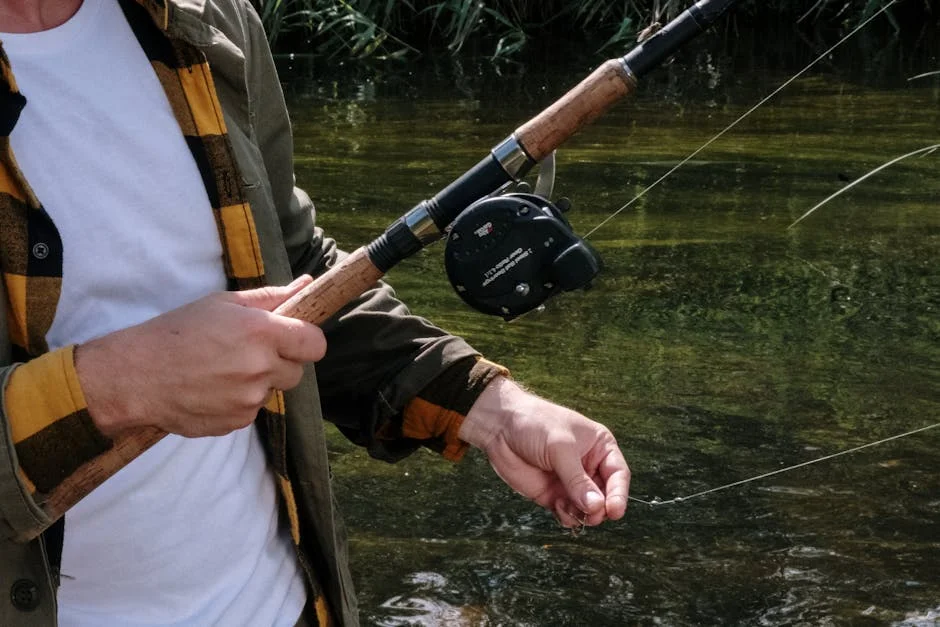
Euro nymphing was designed for this kind of fishing, even if most of the technique’s promotional photography shows crystal-clear Eastern European freestone streams. The core principle, eliminating slack between your fly and your hand, is exactly what you need when fish are holding tight to the bottom in heavy flows.
Indicator nymphing during runoff has a fundamental problem: you need to suspend your fly near the bottom, which means your indicator needs to be set deep. In heavy current, a deep indicator rig creates drag and pulls flies out of the strike zone faster than you realize. Verified buyers of Euro nymphing resources note the same observation I made when I switched from indicators years ago. I spent years thinking my indicator was doing the work. A lot of that time I was dragging flies through unproductive water.
With a tight-line system, you can feel the bottom structure. You can feel when your fly is moving too fast and mend accordingly. During runoff, I weight heavier than usual, add a dropper, and slow down my pace. Fish one short seam at a time rather than trying to cover distance.
One correction on gear: Euro nymphing gets oversold as something that requires specialized equipment. The principle can be applied with a standard 9-foot 5-weight and a long monofilament leader. Start there. If it produces, the dedicated longer rod and competition-style line make a real difference in feel. But the concept doesn’t require the gear.
Streamers and Big, Visible Flies
High turbid water is streamer water. Fish can’t see fine presentations, but they can feel the pressure wave and see the silhouette of something large and dark. Black, olive, or brown streamers in sizes 2 through 6 produce during the rise and peak phases. Weighted flies and sinking tips get the fly into the strike zone before current sweeps it out of the holding lane.
Work the banks. Cast tight to structure. Let the fly swing down and across into slower water near the bank. The take in high water is often a serious grab, not the subtle pull you get on tight-line nymph fishing in low clear water. This is forgiving fishing in the best sense: you don’t need perfect presentation, you need the right fly in the right lane.
Dry Flies in Runoff: A Real Window
This sounds counterintuitive, but there are legitimate dry fly opportunities during runoff, particularly on tailwaters that are running clear while nearby freestocks are blown. Mother’s Day caddis hatches on the Arkansas run right through peak runoff season. Baetis hatches on the South Platte’s tailwater sections continue through spring regardless of mainstem conditions downstream.
If you’re on a clear-running tailwater in May, don’t let the calendar convince you that runoff means no dry fly fishing. It just means reading water harder and paying attention to where fish have moved.
Reading Water for Runoff: Where Fish Actually Are
The guide who finally straightened me out about pattern simplicity on the Bighorn also gave me the framework that I’ve applied to every runoff situation since: “The fly doesn’t matter if you’re not in the fish’s lane.” During runoff, that lane moves dramatically compared to normal flows.
Three zones consistently hold fish during runoff:
Bank edges with slower water. Any place where the current velocity drops within a few feet of the bank, fish stack up. Overhanging vegetation, root systems, cut banks, all of it holds fish that moved out of the main current.
Inside of secondary channels and side channels. When rivers blow out, they often spread into areas that are dry the rest of the year. These shallow secondary channels can run slow and clear enough to fish and hold fish that moved out of the main stem.
Behind large boulders and bridge abutments. The hydraulic shadow behind structure creates pockets of near-zero velocity in otherwise unfishable current. These pockets are small and exact presentation is hard, but they hold fish. Euro nymphing or a tight upstream presentation works better here than any indicator rig.
Top Picks: Resources for Reading Runoff Conditions
Being on the water is how you learn runoff fishing. But two reference resources earn shelf space for how specifically they address water reading and fish behavior in conditions that most fly fishing books treat as footnotes.
The Orvis Streamside Guide to Trout Foods and Their Imitations
The Orvis Streamside Guide to Trout Foods and Their Imitations is a mid-price reference that covers aquatic insects, crustaceans, baitfish, and terrestrials with enough specificity to actually change which fly you tie on. Owner reviews consistently highlight the photography and the side-by-side comparisons of natural insects with their imitations as the book’s strongest practical feature.
For runoff fishing specifically, the section on early-season hatches and the behavior of aquatic invertebrates in high water is more useful than anything you’ll find in a generic fly pattern catalog. Verified buyers note that it helps them understand not just what’s hatching but why fish respond differently to similar flies depending on time of year and water condition.
The guide on the Bighorn who simplified my fly box to four patterns knew exactly which patterns covered the most scenarios in most conditions. A resource like this explains the reasoning behind that kind of pattern selection, which is more valuable long-term than any specific pattern recommendation.
Check current price on Amazon.
The Orvis Streamside Guide to Approach and Presentation
The Orvis Streamside Guide to Approach and Presentation: Riffles, Runs, Pocket Water, and Much More is the companion volume that focuses on reading water and presenting flies in different hydraulic environments. The subtitle tells you exactly what it covers, and owner reviews indicate it delivers specifically on that promise.
During runoff, presentation is a more important variable than fly selection in almost every scenario. Getting the fly to the fish’s feeding lane, at the right depth, with minimal drag, matters more than whether you tied on a size 16 or size 18. Field reports from anglers using this guide point to the water-reading framework as the most practically applicable content for anglers fishing varying conditions.
Spec data and editorial reviews note that the book is organized around water types rather than fish species, which makes it genuinely applicable across rivers. If you fish the same tailwater run every week, you don’t need this. If you move between different water types through the season, the framework it provides for reading new water quickly is worth the mid-range price many times over.
Check current price on Amazon.
Buying Guide: What to Think About for Runoff Fishing
Before investing in new gear or resources for runoff season, it’s worth slowing down to understand what conditions actually require versus what looks appealing in a catalog. Our full library of water-specific fishing techniques and methods covers gear selection across more scenarios. For runoff specifically, here’s where I’d focus.
Fly Selection Isn’t the First Problem
The mistake I made for years was building a fly box with over 400 patterns because I was convinced a specific hatch required a specific pattern. Runoff fishing cured me of that. In off-color water, visibility is limited, and fish are feeding opportunistically on whatever the current delivers.
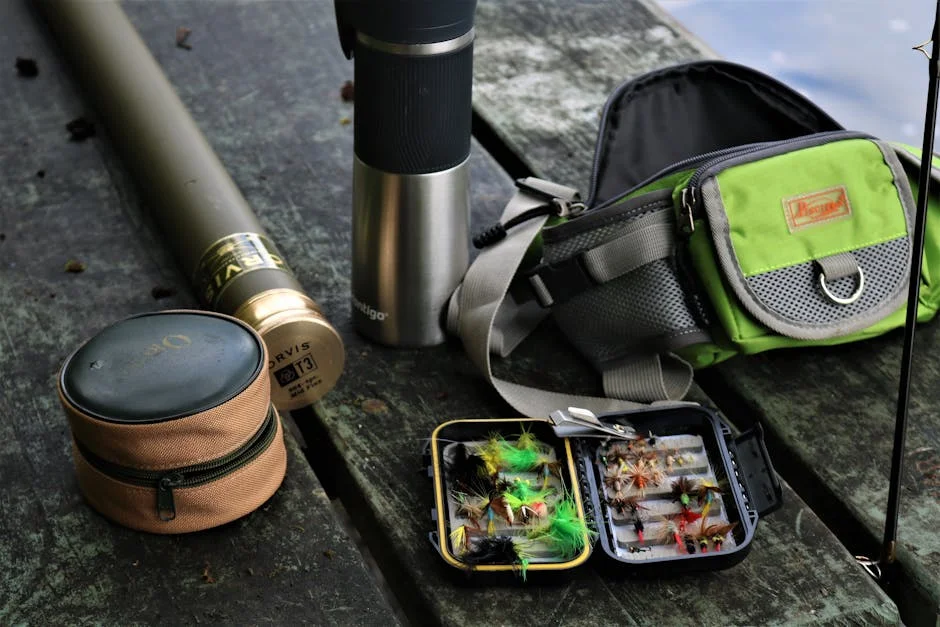
For runoff, a streamlined box outperforms an exhaustive one. Weighted stonefly nymphs in sizes 6 through 10, heavy beadhead Hare’s Ear and Pheasant Tail variations in sizes 12 through 16, and large dark streamers in sizes 2 through 6 cover most scenarios from the rise phase through clearing. Confidence in a few proven patterns beats decision paralysis from too many options. The guide on the Bighorn proved that to me years ago and it’s stayed true on every runoff trip since.
Weight and Depth Matter More Than Pattern Specificity
Getting flies to the bottom in high, fast water requires more weight than most anglers use in normal conditions. Verified buyer reports on tungsten beadhead patterns consistently note that sizing up the bead and adding split shot to an already-weighted nymph produces significantly better depth and bottom contact in runoff flows.
The takeaway is mechanical: in higher velocity water, it takes more weight to achieve the same drift depth because current pushes the fly up and downstream faster. Compensating with weight rather than longer leaders keeps your system cleaner and more sensitive. For Euro nymphing setups, this is intuitive because you can feel the fly on the bottom. For indicator rigs, watch your indicator speed relative to surface current as your calibration signal.
Wading Safety Is a Non-Negotiable Constraint
Runoff is when the river is most dangerous. Water temperature is near freezing in snowmelt-fed systems, current velocity is at its annual peak, and footing on algae-covered rocks is less predictable than in summer low water. Any gear selection or location choice for runoff fishing needs to account for this.
Wading studs on your boots are not optional in heavy spring flows. A wading staff matters significantly more in April than in August. Knowing your personal wading depth limit and staying well below it in fast water is the most important decision you make on any runoff trip. Field safety reports from fishing communities consistently point to overconfident wading as the leading factor in spring river accidents.
Tailwater vs. Freestone: Match the River to the Season
Tailwaters and freestone rivers behave completely differently during runoff and require different mental frameworks, not just different gear. Tailwaters below dams maintain regulated flows. They can be excellent when nearby freestone rivers are blown. Freestone rivers are subject to full snowmelt pressure and require patience for the drop-and-clear window.
Anglers who fish only tailwaters through winter sometimes struggle with the mental shift that freestone runoff requires: moving more, reading new water faster, and fishing attractor patterns rather than matching a specific hatch. The runoff window on a freestone river rewards mobility and willingness to walk away from water that isn’t producing. That’s a different skill than working a single tailwater run with exacting precision.
Reading Flow Data Before You Go
Checking USGS gauge data before any runoff trip is basic, but a lot of anglers look at current CFS without context. What matters is the trend. A river running 800 CFS and dropping is fishable in ways that the same river running 800 CFS and rising is not. Historical average flows for the gauge on your target date give you a baseline. Anything running more than twice historical average deserves a serious re-evaluation of your plan.
State fishing reports and local fly shop staff are the most reliable real-time sources for actual conditions. Ark Anglers keeps current reports on the upper Arkansas and can redirect you to the section that’s fishing. Any fly shop worth its location does the same. Online reports lag behind real conditions by days. A phone call to the local shop is still the fastest way to get accurate information.
Frequently Asked Questions
Can you fly fish during spring runoff?
Yes, runoff fishing can be genuinely productive if you adjust your approach to match the conditions. Fish don’t stop eating during high water. They move out of main current into slower bank edges, side channels, and hydraulic shadows behind structure. Fishing those locations with heavier flies, larger patterns, and techniques that keep your fly near the bottom produces fish through the rise and peak phases.
What flies work best during spring runoff?
High water and turbid conditions favor larger, heavier flies over precise imitations. Weighted stonefly nymphs, heavy beadhead Pheasant Tail and Hare’s Ear variations, and large dark streamers cover the most ground. Visibility in off-color water is limited, so size and movement matter more than pattern specificity. Save the precise midge and small dry fly presentations for tailwaters running clear during runoff, where exact imitation still produces.
Is Euro nymphing effective in high runoff flows?
Euro nymphing is well-suited for runoff conditions because the tight-line system keeps you in contact with your flies even in heavy current. The technique eliminates the indicator drag problem that plagues traditional indicator rigs in fast, deep water. Weight up more than you think necessary, slow down your drift speed, and focus on short, precise presentations in the slower bank edges and structural pockets. You can apply these principles with a standard 9-foot rod and a long monofilament leader before investing in dedicated Euro nymphing equipment.
What are the safest wading conditions during runoff?
Stick to the edges. Main current during peak runoff in snowmelt-fed rivers is dangerous regardless of your experience level. Water temperature near freezing eliminates the physiological time margin if you go in. Wading studs, a staff, and conservative depth selection are baseline requirements.
Should I fish tailwaters or freestone rivers during runoff?
Tailwaters are almost always the better choice during the rise and peak phases. Regulated flows below dams buffer snowmelt pressure and keep conditions fishable when nearby freestone rivers are blown. During the drop-and-clear phase on freestone rivers, conditions often improve dramatically and fish become very active. If your target freestone river is running twice or more its historical average flow, find the nearest well-managed tailwater. Check USGS gauge trends, not just current CFS, and call the local fly shop for real-time conditions before committing to a specific river.
<script type="application/ld+json">
{
 "@context": "https://schema.org",
 "@type": "FAQPage",
 "mainEntity": [
 {
 "@type": "Question",
 "name": "Can you fly fish during spring runoff?",
 "acceptedAnswer": {
 "@type": "Answer",
 "text": "Yes, runoff fishing can be genuinely productive if you adjust your approach to match the conditions. Fish don't stop eating during high water. They move out of main current into slower bank edges, side channels, and hydraulic shadows behind structure. Fishing those locations with heavier flies, larger patterns, and techniques that keep your fly near the bottom produces fish through the rise and peak phases. The drop-and-clear window after peak flows is often the most productive period of the entire year."
 }
 },
 {
 "@type": "Question",
 "name": "What flies work best during spring runoff?",
 "acceptedAnswer": {
 "@type": "Answer",
 "text": "High water and turbid conditions favor larger, heavier flies over precise imitations. Weighted stonefly nymphs, heavy beadhead Pheasant Tail and Hare's Ear variations, and large dark streamers cover the most ground. Visibility in off-color water is limited, so size and movement matter more than pattern specificity. Save the precise midge and small dry fly presentations for tailwaters running clear during runoff, where exact imitation still produces."
 }
 },
 {
 "@type": "Question",
 "name": "Is Euro nymphing effective in high runoff flows?",
 "acceptedAnswer": {
 "@type": "Answer",
 "text": "Euro nymphing is well-suited for runoff conditions because the tight-line system keeps you in contact with your flies even in heavy current. The technique eliminates the indicator drag problem that plagues traditional indicator rigs in fast, deep water. Weight up more than you think necessary, slow down your drift speed, and focus on short, precise presentations in the slower bank edges and structural pockets. You can apply these principles with a standard 9-foot rod and a long monofilament leader before investing in dedicated Euro nymphing equipment."
 }
 },
 {
 "@type": "Question",
 "name": "What are the safest wading conditions during runoff?",
 "acceptedAnswer": {
 "@type": "Answer",
 "text": "Stick to the edges. Main current during peak runoff in snowmelt-fed rivers is dangerous regardless of your experience level. Water temperature near freezing eliminates the physiological time margin if you go in. Wading studs, a staff, and conservative depth selection are baseline requirements. If you're questioning whether to take another step deeper, the answer is no. Local knowledge from guides and fly shop staff is more reliable than visual assessment of a river you haven't waded at high flows before."
 }
 },
 {
 "@type": "Question",
 "name": "Should I fish tailwaters or freestone rivers during runoff?",
 "acceptedAnswer": {
 "@type": "Answer",
 "text": "Tailwaters are almost always the better choice during the rise and peak phases. Regulated flows below dams buffer snowmelt pressure and keep conditions fishable when nearby freestone rivers are blown. During the drop-and-clear phase on freestone rivers, conditions often improve dramatically and fish become very active. If your target freestone river is running twice or more its historical average flow, find the nearest well-managed tailwater. Check USGS gauge trends, not just current CFS, and call the local fly shop for real-time conditions before committing to a specific river."
 }
 }
 ]
}
</script>Where to Buy
The Orvis Streamside Guide to Trout Foods and Their Imitations (Orvis Guides)See The Orvis Streamside Guide to Trout F… on Amazon