Streamer Retrieve for Trout: Master the Strip and Pause

Affiliate disclosure: Some links on this page are affiliate links. If you buy through them we earn a small commission at no extra cost to you. Recommendations are research-driven; we don't claim personal use of every product reviewed. Product prices and availability are accurate as of the date published and are subject to change. Always check Amazon for current pricing before purchasing. Learn more.
Quick Picks
Tigofly 12 pcs Colors Weighted Head Zonker Streamers Salmon Trout Fly Fishing Flies Lures 2.5inch Fly Set-Size #6
Buy on AmazonThe Fly Crate Woolly Bugger Flies for Trout Fly Fishing Assortment - Streamer Fly Fishing Flies
Buy on AmazonThe Fly Fishing Place Slumpbuster Bunny Streamer Flies - Set of 8 Bass & Trout Cone Head Streamers (Sizes 4 & 6)
Buy on Amazon| Product | Price Range | Top Strength | Key Weakness | Buy |
|---|---|---|---|---|
| Tigofly 12 pcs Colors Weighted Head Zonker Streamers Salmon Trout Fly Fishing Flies Lures 2.5inch Fly Set-Size #6 also consider | $$ | Buy on Amazon | ||
| The Fly Crate Woolly Bugger Flies for Trout Fly Fishing Assortment - Streamer Fly Fishing Flies also consider | $$ | Buy on Amazon | ||
| The Fly Fishing Place Slumpbuster Bunny Streamer Flies - Set of 8 Bass & Trout Cone Head Streamers (Sizes 4 & 6) also consider | $$ | Buy on Amazon |
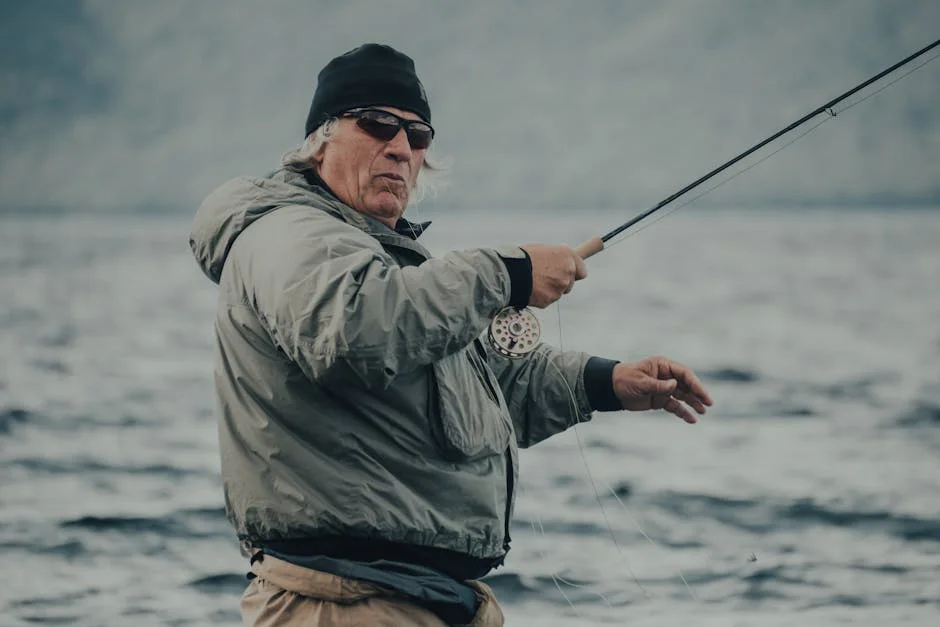
Streamer fishing for trout rewards anglers who think like predators. The fly gets you to the water. The retrieve is what makes fish eat. Most anglers who struggle with streamers are fishing the right fly in the right water with the wrong motion, the wrong speed, or no variation at all.
Twenty years in, I’d say retrieve is the most under-coached aspect of streamer fishing. Guides talk about fly selection. Articles talk about gear. But the strip, the pause, the direction change, the depth control, that’s where fish are actually convinced. Here’s what I’ve learned, and what the field reports say works.
Why Retrieve Matters More Than Pattern
This is the part that took me too long to accept. For years I built fly boxes with 400-plus patterns because I believed trout required specific imitations at specific moments. A guide on the Bighorn straightened me out by limiting me to four patterns for an entire multi-day trip. Caught more fish than any previous visit. The lesson transferred directly to streamers: a Woolly Bugger stripped with authority, paused at the right moment, will outfish an exotic articulated pattern retrieved without conviction or variation.
Trout are ambush predators. They respond to movement that triggers a reaction, and they make that decision fast. A streamer that looks alive will draw a strike. A streamer that looks like a piece of wet wool moving at a constant speed through open water gives a fish no reason to commit.
This is why understanding retrieve mechanics belongs in any serious conversation about technique. If you’re looking to build out your general approach to subsurface fishing, the full library of approaches is covered across our Techniques & Methods section.
Reading the Water Before You Pick a Retrieve
Tailwaters and freestone rivers genuinely require different mental frameworks, not just different flies. On a tailwater like Cheesman Canyon or Eleven Mile, flows are consistent, water temperature is predictable, and fish have been fished over. Streamers on tailwaters often work better with slower, more deliberate retrieves. The fish have time to inspect. An erratic strip-stop retrieve that might get blown off on a pressured tailwater can draw violent strikes on an Arkansas River freestone reach where fish make split-second decisions.
On freestone water, I lean toward faster, more aggressive retrieves early in a session and slow down if I’m not getting any reaction. On tailwaters, I often start slow and controlled and add urgency only if the subtle approach isn’t producing.
Reading the current speed in the specific holding water also matters. A strip that produces 12 inches of fly movement in flat pool water might produce 4 inches of actual fly movement when you’re retrieving against a heavy seam. Adjust your strip length and cadence to account for what the water is doing to your line.
Depth and the Weighted Head Question
Depth control is where retrieve and fly selection intersect. A lightly weighted streamer fished on a floating line lets you work the water column with your retrieve, letting the fly sink on pauses and rise on strips. A heavily weighted fly like a cone-head or bead-head pattern sinks fast and stays low even when you’re moving it. Field reports from streamer anglers consistently point to this as the primary reason to carry multiple weight options in the same pattern family, not just multiple colors.
On the Arkansas, where I can wade close to productive holding water and make short casts into deep pockets and undercut banks, a weighted head matters because I need the fly at depth quickly. On bigger water like the Missouri or the Bighorn, where I’m working longer drifts from a boat (as a guest, I row poorly and fish better), a lighter head with sink-tip line gives more control over depth across a longer presentation.
Verified buyers of articulated and cone-head streamers consistently note that retrieve speed needs adjustment based on how heavily the fly is weighted. A heavily weighted pattern retrieved too fast just planes up. Slow down and let the weight do the depth work.
Strip Cadence and the Pause
If there is one retrieve variable that field reports and guide feedback point to most consistently, it’s the pause. Fish often strike on the pause, not the strip. The strip creates reaction. The pause creates commitment. A streamer that stops, sinks slightly, then jumps again mimics injured prey in a way that a constant retrieve never does.
The basic strip-pause retrieve: one 12-inch strip, a two-count pause, repeat. That’s a starting point. Vary from there. Try two fast short strips followed by a long pause. Try a slow, long 24-inch draw followed by a quick short pop. Mix cadences within a single retrieve to see what the fish want that day. Guides on tighter waters like the Frying Pan taught me that the “dead drift with occasional twitches” approach works on spring creek-adjacent stretches where fish are holding in softer currents.
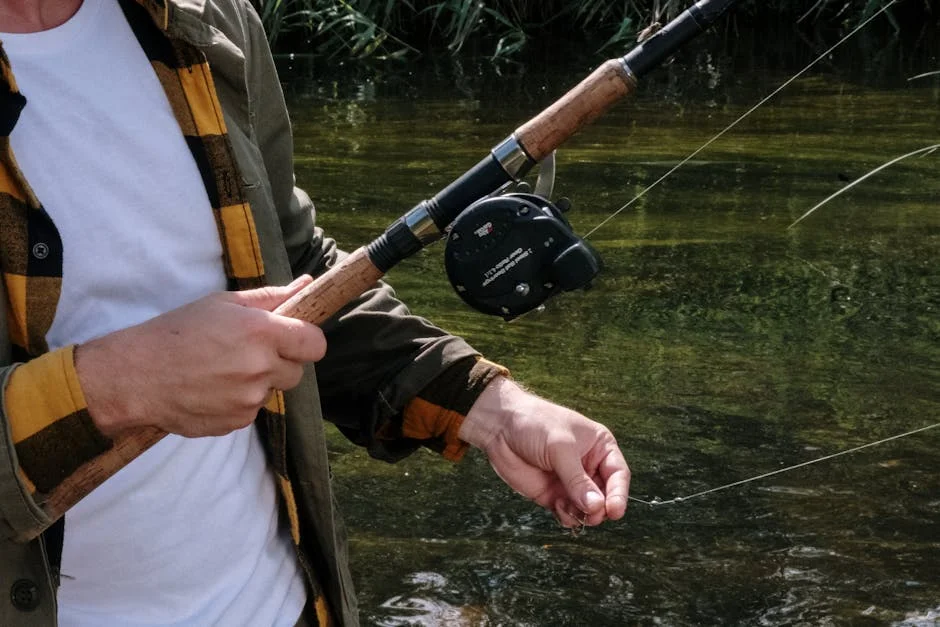
Rod tip position also changes how a retrieve reads. Tip high creates more fly movement per strip but less depth. Tip low and pointed at the water gives you a more direct connection to the fly and better hook sets when fish commit.
Matching Retrieve to Water Temperature
Cold water fish are lethargic. This is physiology, not opinion. Below 45 degrees Fahrenheit, trout metabolism slows significantly and they’re unlikely to chase a fly that requires much energy expenditure. Owner reports and field observations from winter streamer anglers on Colorado tailwaters consistently confirm: slow retrieves with long pauses produce far better than aggressive strips in cold conditions.
As water temps rise into the prime range, more aggressive retrieves trigger more aggressive takes. In summer conditions on the upper Arkansas, streamers retrieved with sharp, fast strips can draw violent surface-busting takes from brown trout holding near banks. Match your retrieve energy to the water’s energy.
Top Picks for Streamer Retrieve Trout Fishing
The flies below show up regularly in verified buyer reviews and angler community discussions for good reasons. Each offers something different in terms of how they respond to different retrieve styles.
Tigofly 12 pcs Colors Weighted Head Zonker Streamers
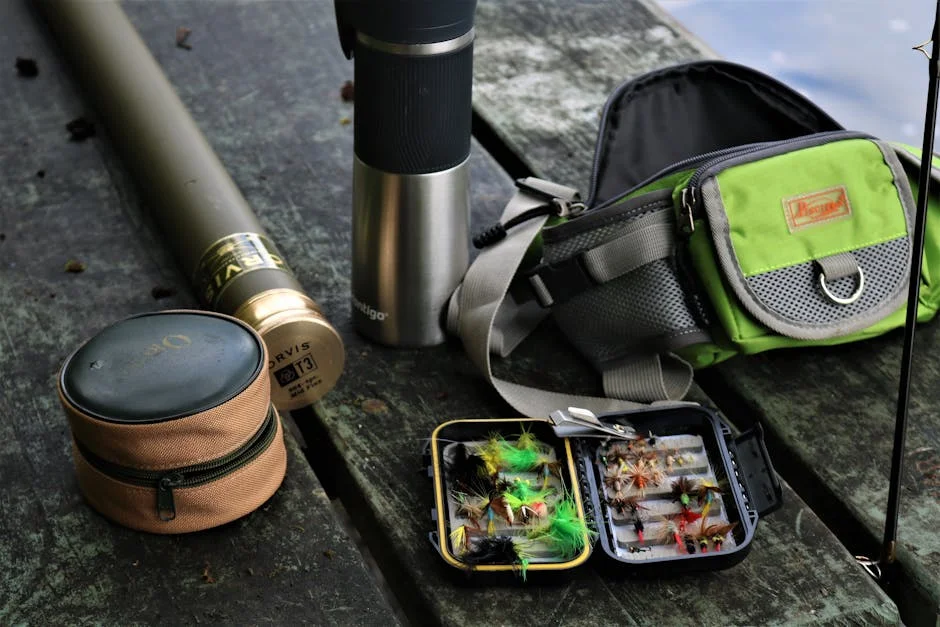
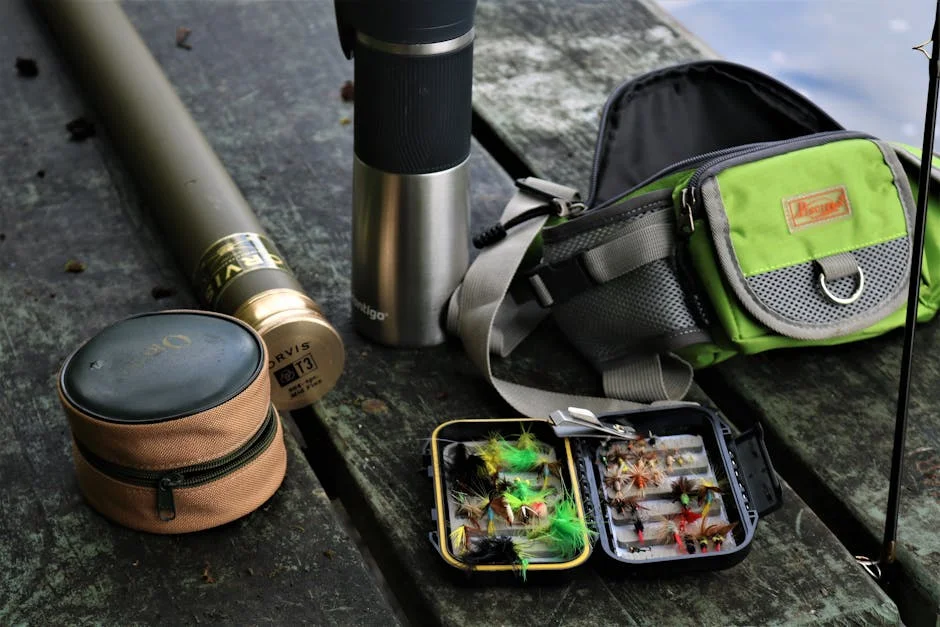
The Tigofly 12 pcs Colors Weighted Head Zonker Streamers is a multi-pack of size 6 Zonker-style patterns with weighted heads. At 2.5 inches, these sit in a useful middle length, substantial enough to suggest a baitfish or sculpin profile without being so large they’re only appropriate for trophy-hunting situations.
Zonker-style flies, for those less familiar, use a strip of rabbit fur tied along the back of the hook. The fur breathes and pulses with almost any retrieve, including slow ones. Verified buyers note that these patterns produce movement even on a dead drift or long pause, which makes them particularly forgiving if your strip cadence isn’t perfectly dialed in yet. The weighted head helps get the fly into the productive depth range quickly, especially in faster or deeper runs.
Field reports point to the color variety as one of the main draws of this set. Olive and black receive consistent mentions as the top producers across different water clarity conditions, while brighter variants like chartreuse seem to draw more strikes in off-color or turbid water. Spec data shows size 6, which threads the needle between matching smaller baitfish and retaining enough bulk to push water and create a pressure wave a trout can detect.
Owner reviews note that hook quality is consistent with the mid-range price band of the product, though a small number of reviewers recommend inspecting points and replacing any that feel dull before fishing.
Check current price on Amazon.
The Fly Crate Woolly Bugger Flies for Trout
If there is one pattern that has caught more trout on more rivers under more conditions than any other streamer, most experienced anglers would name the Woolly Bugger without hesitation. The Fly Crate Woolly Bugger Flies for Trout brings that confidence in assortment form.
The Woolly Bugger works because it is ambiguous. It imitates nothing precisely and suggests everything: leech, sculpin, crawfish, large nymph, small baitfish. That ambiguity, combined with the marabou tail that pulses on the pause, makes it productive across a massive range of retrieve styles. Verified buyers specifically mention using this assortment on tailwaters and freestone streams with equal success, which matches the pattern’s reputation.
Field reports from trout anglers consistently highlight the marabou quality as the key variable in Woolly Bugger performance. Good marabou breathes and moves on minimal retrieve. Poor marabou collapses and looks like nothing. Owner reviews of this assortment note generally positive marabou movement, with the olive and black variants receiving the most consistent mentions as top producers. The bead head versions in the assortment allow faster sinking without heavy cone heads, giving more flexibility in retrieve speed and depth management.
A guide I fished with on the Frying Pan years ago told me he fished a black Woolly Bugger as his first streamer choice on any new water he didn’t know well. Start with what works everywhere, then refine once you know the water.
Check current price on Amazon.
The Fly Fishing Place Slumpbuster Bunny Streamer Flies
The Slumpbuster has a devoted following for good reason. The Fly Fishing Place Slumpbuster Bunny Streamer Flies comes as a set of 8 cone-head patterns in sizes 4 and 6, tied with pine squirrel zonker strips and a chunky body profile that pushes water effectively.
Spec data on the Slumpbuster design shows a cone head for rapid sinking, a zonker strip that creates that all-important breathing movement on pauses, and a body silhouette that suggests a sculpin or heavy-bodied baitfish. Sculpin are bottom-dwellers, which means retrieve technique for Slumpbuster-style patterns ideally includes bottom contact or near-bottom strips with pronounced pauses. Verified buyers report that letting the fly tick along the bottom, bumping structure, produces some of the most aggressive strikes they’ve encountered.
Size 4 gives this pattern real presence in the water. Field reports from bass and trout anglers both highlight the size 4 variants for larger brown trout, particularly in fall when big browns are more actively predatory ahead of the spawn. The size 6 comes up more often in reports from anglers working smaller streams or targeting fish in lower water clarity conditions where a slightly smaller profile gets closer inspection.
Owner reviews note durability as a consistent positive, with the cone head construction and bunny strip holding up through multiple sessions better than some comparable patterns. A few reviewers suggest fishing these on a sink-tip line or with a weighted leader when targeting deeper holding lies on bigger water.
Check current price on Amazon.
Buying Guide: Choosing Streamers for Your Retrieve Style
Picking streamer patterns is easier when you match the fly’s physical characteristics to the retrieve style and water type you’re actually fishing. Here’s what to evaluate before adding a pattern to your box.
Profile and Water Displacement
Heavier, bulkier streamers push more water and create a pressure wave that trout detect laterally, not just visually. In off-color water or low-light conditions, profile and water displacement often matter more than color. Owner reviews and field reports from streamer anglers on bigger water consistently confirm that wide, chunky patterns produce in conditions where visibility is limited.
Narrower, more streamlined patterns like the Zonker style work better in clear tailwater conditions where fish have time to inspect and a bulky fly might cause refusals. Match the profile to the clarity and the light condition you’re fishing. Our full breakdown of subsurface approaches is available in the Techniques & Methods section if you want to go deeper on pairing pattern choice with water conditions.
Weighted Head vs. Unweighted
The weighted head question determines how you control depth through your retrieve. Cone heads and bead heads sink faster and stay deeper during strips. Unweighted or lightly weighted patterns require slower retrieves or sink-tip lines to stay in the zone. Verified buyers consistently note that having both options in the same pattern family gives maximum flexibility across different water types and depths.
For most Colorado tailwater and freestone situations, a bead head or cone head pattern on a floating line with a longer leader covers the majority of productive water. Step up to a sink-tip when you need to consistently reach deeper than 4 feet or fish faster current where a floating line creates too much drag on the fly.
Color Selection and Water Clarity
Color choice interacts directly with retrieve speed and water clarity. In clear water with slow retrieves, fish get a long look, which makes natural colors (olive, brown, black, tan) more productive. In off-color water with faster retrieves, high-visibility colors (chartreuse, white, yellow) can draw strikes that a natural pattern would not.
Field reports from Western trout anglers show olive and black as the most universally mentioned top producers, with chartreuse cited specifically for off-color and post-runoff conditions. Start with olive or black in any new water and adjust based on fish response, not personal preference.
Assortment vs. Single Pattern Deep-Buy
Early in your streamer fishing, an assortment makes sense. You learn what profile and color draws strikes on your home water. Once you know what works, a single-pattern deep-buy, stocking 6 to 12 flies in one proven pattern, is often the better value. A guide on the Bighorn once pointed out that a box with 12 of the same fly you trust beats a box with 60 flies you aren’t sure about. That lesson applies directly to streamers.
Assortments like the sets reviewed above serve as productive starting points or as backfill when you’ve lost most of your go-to pattern to trees and fish. Verified buyers of multi-pattern sets consistently mention that 2 to 3 patterns from the assortment become their actual go-tos, which is exactly how it’s supposed to work.
Hook Size and Catch Rate
Hook size affects both the strike rate and the land rate. Larger hooks (sizes 2 and 4) hold better in big fish but can cause refusals from smaller trout that hit short. Smaller hooks (sizes 6 and 8) improve hookup percentage on short strikes but can fail to hold larger fish through a full fight on heavier tippet.
Field reports from guides and experienced streamer anglers generally recommend starting with size 6 as the most versatile option across different trout sizes and water types. Move up to size 4 when specifically targeting large browns in fall or when fishing waters with consistently large fish populations.
Frequently Asked Questions
What is the best basic streamer retrieve for trout beginners?
The strip-pause retrieve is where most experienced streamer anglers and guides recommend beginners start. Make a cast, let the fly sink for a two to three count, strip 12 inches of line, pause two counts, repeat. This retrieve covers depth, triggers reaction strikes on the strip, and gives fish a chance to commit on the pause. Field reports consistently show this simple cadence produces strikes across a wide range of water types and conditions.
How do water temperature and season affect streamer retrieve speed?
Water temperature directly affects trout metabolism and willingness to chase. In cold water below 45 degrees, slow retrieves with long pauses produce far better than aggressive strips because fish are unwilling to expend much energy. As temperatures rise into the prime range for trout activity, faster and more aggressive retrieves draw more committed strikes. Owner reports and field observations from winter streamer anglers confirm this pattern consistently.
Should I use a sink-tip line or a floating line for streamer fishing?
Most trout streamer fishing with weighted patterns on small to medium rivers can be done effectively on a floating line with a longer leader. A sink-tip line becomes valuable when you need consistent depth control below 4 feet, when current speed prevents weighted flies from reaching the zone on a floating line, or when fishing from a boat on bigger water with longer drifts. Verified buyers and field reports suggest starting with a floating line and a weighted fly, then adding sink-tip only when the floating line setup consistently fails to reach productive depth.
How do I know if a Woolly Bugger or Zonker-style fly will work better on my water?
The short answer: carry both and let the fish decide. Woolly Buggers are ambiguous enough to produce on almost any water. Zonker-style flies with rabbit fur strips produce strong movement on slow retrieves, which can be an advantage on clear tailwaters or slower pools where fish have more time to inspect. Field reports suggest Zonkers often outperform in clear, lower-water conditions, while Woolly Buggers produce more consistently when water is off-color or when fish are actively chasing.
What hook size should I choose for general trout streamer fishing?
Size 6 covers the most ground for general trout streamer fishing across a range of water types and fish sizes. It’s large enough to hold fish in fast water but not so large that it causes consistent refusals from average-sized trout. Spec data on the reviewed assortments aligns with this: size 6 appears in every set reviewed above. Move to size 4 specifically for fall brown trout fishing or water known for consistently large fish. Drop to size 8 only if you’re fishing small streams or targeting selective fish that are hitting short on larger hooks.
<script type="application/ld+json">
{
 "@context": "https://schema.org",
 "@type": "FAQPage",
 "mainEntity": [
 {
 "@type": "Question",
 "name": "What is the best basic streamer retrieve for trout beginners?",
 "acceptedAnswer": {
 "@type": "Answer",
 "text": "The strip-pause retrieve is where most experienced streamer anglers and guides recommend beginners start. Make a cast, let the fly sink for a two to three count, strip 12 inches of line, pause two counts, repeat. This retrieve covers depth, triggers reaction strikes on the strip, and gives fish a chance to commit on the pause. Field reports consistently show this simple cadence produces strikes across a wide range of water types and conditions. Vary the strip length and pause duration once you've established the baseline."
 }
 },
 {
 "@type": "Question",
 "name": "How do water temperature and season affect streamer retrieve speed?",
 "acceptedAnswer": {
 "@type": "Answer",
 "text": "Water temperature directly affects trout metabolism and willingness to chase. In cold water below 45 degrees, slow retrieves with long pauses produce far better than aggressive strips because fish are unwilling to expend much energy. As temperatures rise into the prime range for trout activity, faster and more aggressive retrieves draw more committed strikes. Owner reports and field observations from winter streamer anglers confirm this pattern consistently. Match your retrieve energy to the energy level the water temperature suggests."
 }
 },
 {
 "@type": "Question",
 "name": "Should I use a sink-tip line or a floating line for streamer fishing?",
 "acceptedAnswer": {
 "@type": "Answer",
 "text": "Most trout streamer fishing with weighted patterns on small to medium rivers can be done effectively on a floating line with a longer leader. A sink-tip line becomes valuable when you need consistent depth control below 4 feet, when current speed prevents weighted flies from reaching the zone on a floating line, or when fishing from a boat on bigger water with longer drifts. Verified buyers and field reports suggest starting with a floating line and a weighted fly, then adding sink-tip only when the floating line setup consistently fails to reach productive depth."
 }
 },
 {
 "@type": "Question",
 "name": "How do I know if a Woolly Bugger or Zonker-style fly will work better on my water?",
 "acceptedAnswer": {
 "@type": "Answer",
 "text": "The short answer: carry both and let the fish decide. Woolly Buggers are ambiguous enough to produce on almost any water. Zonker-style flies with rabbit fur strips produce strong movement on slow retrieves, which can be an advantage on clear tailwaters or slower pools where fish have more time to inspect. Field reports suggest Zonkers often outperform in clear, lower-water conditions, while Woolly Buggers produce more consistently when water is off-color or when fish are actively chasing. Start with the Woolly Bugger if you're fishing unfamiliar water."
 }
 },
 {
 "@type": "Question",
 "name": "What hook size should I choose for general trout streamer fishing?",
 "acceptedAnswer": {
 "@type": "Answer",
 "text": "Size 6 covers the most ground for general trout streamer fishing across a range of water types and fish sizes. It's large enough to hold fish in fast water but not so large that it causes consistent refusals from average-sized trout. Spec data on the reviewed assortments aligns with this: size 6 appears in every set reviewed above. Move to size 4 specifically for fall brown trout fishing or water known for consistently large fish. Drop to size 8 only if you're fishing small streams or targeting selective fish that are hitting short on larger hooks."
 }
 }
 ]
}
</script>Where to Buy
Tigofly 12 pcs Colors Weighted Head Zonker Streamers Salmon Trout Fly Fishing Flies Lures 2.5inch Fly Set-Size #6See Tigofly 12 pcs Colors Weighted Head Z… on Amazon