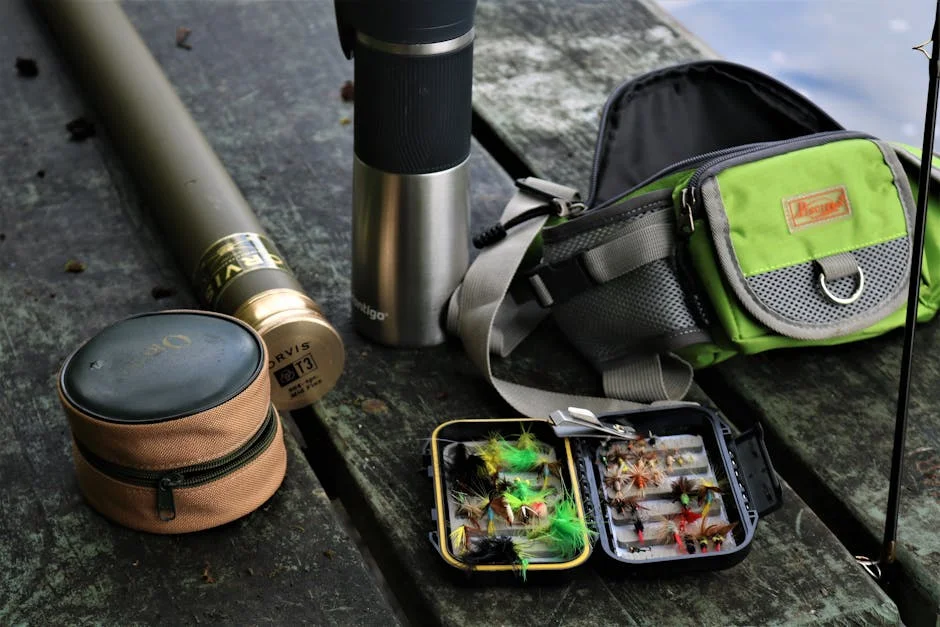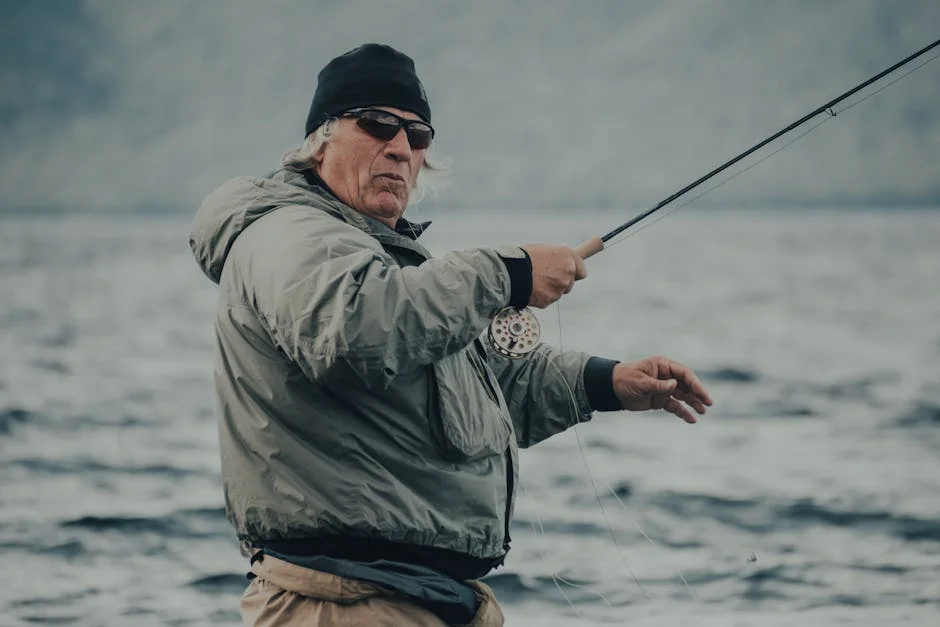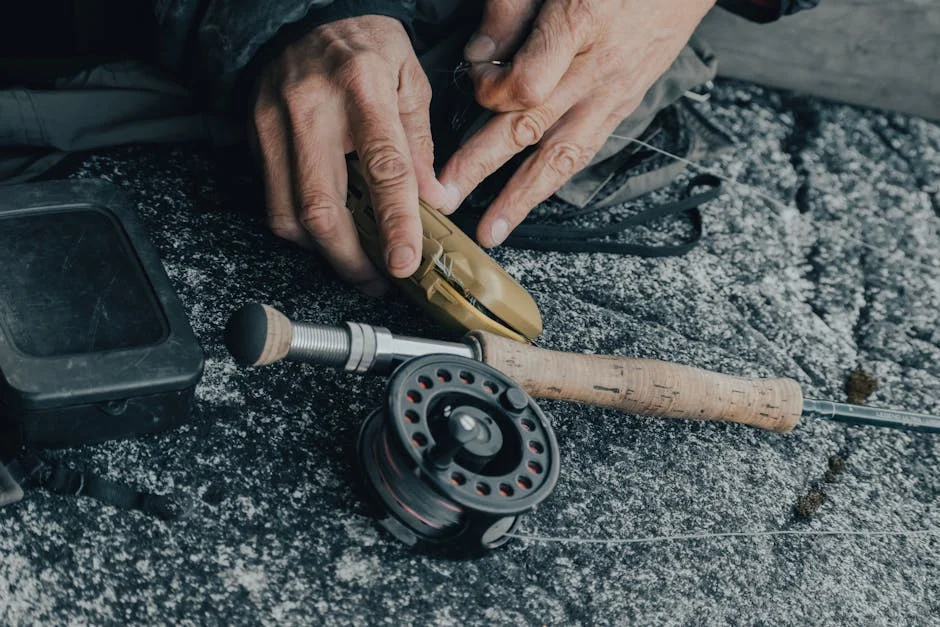
Tacky Fly Box Review: Day Pack and Pescador

Affiliate disclosure: Some links on this page are affiliate links. If you buy through them we earn a small commission at no extra cost to you. Recommendations are research-driven; we don't claim personal use of every product reviewed. Product prices and availability are accurate as of the date published and are subject to change. Always check Amazon for current pricing before purchasing. Learn more.
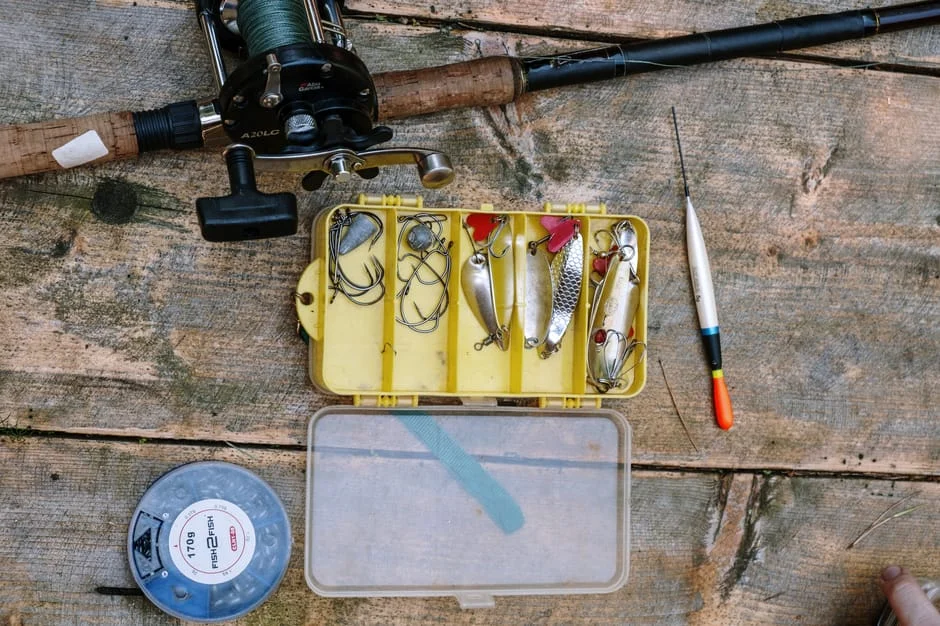
Greg's primary fly box, slim profile fits multiple boxes in one pack pocket
See Tacky Day Pack Fly Box on AmazonFly boxes are one of those pieces of kit that anglers rarely think about until the wrong fly is on the wrong hook at the wrong moment. The Tacky line from Fishpond changed how a lot of Western wade fishers organize their days, silicone inserts, slim profiles, clear lids. This Packs, Nets & Tools category has expanded well beyond traditional foam boxes, and Tacky sits near the top of that conversation.
The two boxes here cover different situations: the Day Pack for daily freshwater use, the Pescador for saltwater and travel. Owner reports and field consensus are strong on both. Here’s what the evidence shows.
What to Look For in a Fly Box
Insert Material
The choice between foam and silicone defines the modern fly box market. Traditional foam holds flies securely at first, but repeated insertion and removal degrades the material, gaps form, flies shift, and eventually the foam tears. Silicone compresses and rebounds. Owner reports consistently note that silicone inserts maintain their grip across hundreds of cycles without visible wear.
Silicone also matters for fly condition. Foam grips by piercing and compressing around the hook; it can torque hackle fibers and flatten dubbing bodies if flies are packed tightly. Silicone grips the hook bend and shank without distorting the materials above. For dry flies and soft hackles, that distinction is meaningful.
Profile and Pack Compatibility
A fly box that doesn’t fit your pack creates friction at the water. Chest packs, the Fishpond Westfork being the obvious example in this category, have narrow front pockets designed for slim-profile boxes. A thick traditional box forces a choice between carrying fewer boxes or carrying a larger pack.
Slim fly boxes let you stack two or three in a single pocket and still close the zipper cleanly. That matters for wade fishers who move between runs and want their fly selection accessible without unpacking the entire front pocket. Profile is not an afterthought; it’s an organizational decision that compounds across every day on the water.
Visibility and Access Speed
The best fly box in terms of holding capacity fails if you can’t find the right fly quickly. Clear lids on both top and bottom mean you can identify what’s inside without opening the box, particularly useful when you’re standing in current and need to keep both hands available for balance.
Compartmentalized boxes force you to remember which section holds which pattern. Single-insert silicone designs let you lay out a full day’s selection visually, dries along one row, nymphs in another, emergers between them, and scan the whole box in one look. For anglers managing multiple boxes, that scan speed adds up across a day. Exploring the full range of fly fishing accessories available before settling on a system is worth the time, box choice and pack choice interact directly.
Top Picks
Tacky Day Pack Fly Box
The Tacky Day Pack Fly Box is the primary fly box for most of Greg’s river days, not a backup, not a specialty box, but the one that goes in the pack every time. The silicone insert system is the core reason. Verified buyers across hundreds of reviews note what owner experience confirms: the silicone holds flies without damaging hackle, returns to its original shape after removing large nymphs, and remains grippy after extended use.
The slim profile is the other half of the case for this box. It fits cleanly in the front pocket of a Fishpond Westfork chest pack alongside a second box without forcing the zipper. That kind of pack compatibility isn’t accidental, the box dimensions are clearly designed with modern chest pack geometry in mind. For wade fishers who have moved away from vests and toward smaller packs, that fit matters.
The clear top and bottom are a feature that sounds minor until you’ve used them on the water. Standing in a run, one hand on your rod, needing to identify whether the box in your pocket has a size 20 BWO emerger, the ability to scan without opening saves time and reduces dropped flies. Owner consensus points to this as one of the most practical daily usability features on any modern fly box.
The one genuine limitation: very large flies stress the silicone over time. Size 2 streamers and large articulated patterns stretch the insert more than it recovers fully. For most freshwater wade fishing, nymphs, dries, emergers in sizes 10 through 22, that’s not a real constraint. The silicone holds standard hook sizes with no issue across extended use.
Check current price on Amazon.
Tacky Pescador Fly Box
The Tacky Pescador Fly Box takes the core Tacky silicone insert design and packages it inside a waterproof sealed housing. The target audience is clear: saltwater fly anglers, boat fishers dealing with spray, and traveling anglers who need flies to survive checked luggage humidity shifts and airline hold conditions. Verified buyers in those contexts consistently report that the waterproof seal performs as described and that the silicone insert holds saltwater patterns, clouser minnows, crab patterns, deceiver-style flies, without damage.
For freshwater wade fishing on Colorado tailwaters or freestone rivers, the waterproof sealing is largely unnecessary. A standard Day Pack box handles stream spray without issue, and the additional bulk of the waterproof housing doesn’t serve the wade fisher who never puts their pack in the water. Greg’s freshwater kit runs on the Day Pack box for exactly this reason, the Pescador’s protection is real, but it solves a problem that most wading situations don’t present.
The Pescador earns its place for anglers fishing Belize flats in October or working the Florida Keys from a skiff. Those conditions, salt spray, humidity, gear in boats that ship water, are exactly what waterproof housing is designed for. Field reports from saltwater anglers are strong, and the silicone insert means the box holds flies better than sealed foam alternatives in the same category. For the right use case, it’s the stronger option. For freshwater-only wade fishing, the Day Pack box covers the same organizational needs with less bulk.
Check current price on Amazon.
Buying Guide
Matching the Box to Your Pack
Fly box selection doesn’t happen in isolation. The box has to fit the pack you’re carrying, and the pack architecture determines how many boxes you can carry practically. Chest packs with narrow front pockets, the design category most wade fishers have moved toward, reward slim-profile boxes. A box that’s a quarter inch too thick creates a zipper problem that compounds every trip.
The Tacky Day Pack box is dimensioned for exactly this use case. If your pack has deeper pockets, a sling pack or a larger lumbar-style pack, the Pescador’s additional housing thickness is less of a constraint. Know your pack’s pocket dimensions before choosing a box, particularly if you plan to carry two boxes in the same pocket.
How Many Boxes Do You Actually Need?
The strongest opinion on this from experienced wade fishers is consistent: most anglers carry too many boxes. Two full boxes of flies is a library. One well-organized box covers a full day on familiar water. For anglers working known hatches on home water, South Platte, Arkansas River, any tailwater with predictable insect activity, a single Day Pack box loaded with the right patterns is everything needed for a half-day session.
The trap is carrying options you never use. Three boxes of nymphs, two boxes of dries, a box of streamers, and you fish the same five patterns all day anyway. A single silicone insert box forces the discipline of choosing before you get to the water. That pre-trip selection decision is better made at the tying bench than at streamside. Pare down, fish cleaner.
Freshwater vs. Saltwater Needs
The waterproof housing on the Pescador reflects a real difference in the environments these boxes operate in. Freshwater wade fishing exposes gear to splash and occasional submersion, but flies in a closed box survive those conditions without specialized sealing. The greater risk in freshwater is humidity over multiple days, and standard fly boxes handle that fine.
Saltwater is categorically different. Salt spray accelerates rust on hook points, humidity in tropical destinations is relentless, and boat fishing exposes gear to wave wash that freshwater wading never produces. A waterproof fly box in saltwater conditions is not a luxury; it’s maintenance protection for expensive flies. The Pescador’s sealed design solves a genuine saltwater problem.
Silicone vs. Foam: The Long-Term Math
Silicone fly boxes carry a higher initial cost than comparable foam designs. The durability gap over time makes the math less obvious than it appears. Foam boxes typically need replacement when the insert degrades, gaps form, flies don’t stay put, and the organizational function fails. That degradation cycle varies, but owner reports on foam boxes frequently note insert wear within a couple of seasons of regular use.
Silicone inserts, by contrast, show durability across extended ownership in verified buyer reports. The material compresses and rebounds without tearing. For anglers who fish regularly, two or three days a week during season, the longer service life of a silicone insert box changes the cost comparison. The full range of fly fishing gear and accessories in this category includes traditional foam options at lower price points, and for occasional anglers, foam may be the right call. For regular use, silicone’s durability record makes it the stronger long-term choice.
Organization Before You Get to the Water
The best fly box system fails if you don’t load it with intention. Clear-lid boxes make stream-side identification faster, but they only work if the box is loaded in a consistent pattern. Establish a layout, dries on the left, nymphs on the right, emergers in the middle row, and reload the same way every time.
For single-box days on familiar water, load specifically for the expected hatch and conditions rather than covering every possibility. A box loaded with twenty patterns you’ve thought about is more useful than a box with sixty patterns chosen randomly. The organizational discipline happens before the trip, not at the bank.
Frequently Asked Questions
Is the Tacky Day Pack fly box worth the price premium over foam alternatives?
For anglers who fish two or more days per week during season, the silicone insert’s durability makes the price difference reasonable over a multi-season horizon. Foam inserts degrade with regular use, gaps form, flies shift. The Tacky silicone maintains its grip across extended cycles without visible wear. Owner consensus across hundreds of verified reviews points to the long-term durability as the core justification for the higher upfront cost.
Can the Tacky Day Pack box hold large streamers and articulated patterns?
It holds standard-sized streamers in the size 2, 6 range, but very large articulated patterns stress the silicone over time. The insert stretches more than it fully recovers with hooks over about three inches. For a dedicated streamer box, a larger-format box with stiffer foam or a clip-style system handles big articulated flies better. The Tacky Day Pack is strongest for nymphs, dries, and emergers in sizes 10 through 22.
What’s the difference between the Tacky Day Pack and the Tacky Pescador?
The Day Pack uses the standard Tacky silicone insert in a slim, lightweight housing designed for freshwater wade fishing and chest pack compatibility. The Tacky Pescador adds a waterproof sealed housing for saltwater and boat use, where spray and humidity are real threats to fly condition. For freshwater wading on rivers and tailwaters, the Day Pack is the right choice. For saltwater flats fishing or travel to tropical destinations, the Pescador’s waterproof construction addresses genuine conditions the Day Pack housing doesn’t.
How many flies does the Tacky Day Pack box hold?
Capacity varies by fly size, but verified buyers report comfortable organization of 60, 80 standard trout flies, nymphs, dries, and emergers in the size 12, 22 range, in a single box. Larger flies reduce that count. For a focused half-day on familiar water with a known hatch, 60 flies of the right patterns covers a full session without needing a second box. The slim profile means two Day Pack boxes fit in a single chest pack front pocket.
Does silicone damage fly hackle over time?
Owner reports across extended use are consistently positive on this point. Silicone grips the hook bend and shank rather than piercing and compressing around the fly body, so hackle fibers and dubbing are not torqued or flattened the way foam contact can torque them. Dry flies removed from silicone inserts show minimal hackle distortion even after repeated insertion. This is one of the most frequently cited advantages in long-term owner reviews compared to foam alternatives.
fishpond Tacky Day Pack Fly Box: Pros & Cons
- Greg's primary fly box, slim profile fits multiple boxes in one pack pocket
- Silicone insert holds flies securely without damaging hackle
- Silicone stretches over time with very large flies
Where to Buy
fishpond Tacky Day Pack Fly BoxSee Tacky Day Pack Fly Box on Amazon