Tailwater vs Freestone: Key Differences for Fly Fishers

Affiliate disclosure: Some links on this page are affiliate links. If you buy through them we earn a small commission at no extra cost to you. Recommendations are research-driven; we don't claim personal use of every product reviewed. Product prices and availability are accurate as of the date published and are subject to change. Always check Amazon for current pricing before purchasing. Learn more.
Quick Picks
The Orvis Guide to Beginning Fly Fishing: 101 Tips for the Absolute Beginner
Buy on Amazon| Product | Price Range | Top Strength | Key Weakness | Buy |
|---|---|---|---|---|
| The Orvis Fly-Fishing Guide, Revised also consider | $ | Buy on Amazon | ||
| The Orvis Guide to Beginning Fly Fishing: 101 Tips for the Absolute Beginner also consider | $ | Buy on Amazon | ||
| The Little Red Book of Fly Fishing (Little Books) also consider | $ | Buy on Amazon |
Cheesman Canyon is where fly fishing got its hooks into me, back in 2004. My coworker dropped me into that tailwater canyon on the South Platte and I had no idea what I was standing in. The clarity, the steady flow, the sipping rises. Then two seasons later a buddy hauled me up to a freestone creek near Steamboat and I felt like I was learning to fish all over again.
Those two experiences sum up the central tension new and intermediate fly fishers hit early: tailwater vs freestone. These are not just different places to fish. They are genuinely different disciplines.
What Makes a Tailwater a Tailwater
A tailwater is the river section immediately below a dam. That sounds simple, but the dam fundamentally changes everything about how the water behaves and what lives in it.
Cold water releases from the bottom of reservoirs keep tailwater temperatures unusually stable year-round. On the South Platte below Cheesman Canyon, Eleven Mile Canyon, or the Deckers stretch, water temperatures often stay in the 50s through summer when a freestone stream nearby might hit 70 degrees or warmer. That cold stability is why you can fish some Colorado tailwaters in late July when everything else in the state is blown out or closed for heat stress.
The trout in tailwaters are almost universally well-fed, highly pressured, and remarkably difficult. Because the food supply is consistent and dense, fish in classic tailwater environments like the Missouri below Holter Dam or the Bighorn below Yellowtail Dam see thousands of presentations per season. They develop what I can only describe as a PhD-level refusal instinct. The same Royal Wulff that destroys fish on a Wyoming mountain creek will get ignored completely in those systems.
If you are just starting out and want a solid baseline understanding of trout behavior across both water types, the foundational reading suggested by nearly every fly shop I have worked in starts with books like The Orvis Fly-Fishing Guide, Revised. More on that in the resources section below.
What Makes a Freestone Stream a Freestone Stream
Freestone streams are the original trout water. They run off snowmelt, rainfall, and groundwater without significant regulation. Flow varies dramatically with seasons. Spring runoff on the Arkansas River here in Salida can blow the river out completely for weeks. By late summer, some of those same freestone tributaries are barely knee-deep.
The fish in freestone streams tend to be less selective and more opportunistic. They have to be. The buffet is not reliably stocked every day the way a tailwater’s benthic invertebrate population is. A freestone brown or cutthroat needs to make faster decisions. This generally means larger fly presentations work, attractor patterns hold up, and you can get away with a little less precision on your drifts.
That said, “less selective” does not mean dumb. Freestone trout are attuned to their specific watershed, and reading freestone water well takes real skill. The hydraulics are more varied and often faster than a classic tailwater pool. If you want a foundational reference that covers both scenarios without overwhelming a newer angler, The Orvis Guide to Beginning Fly Fishing: 101 Tips for the Absolute Beginner is the kind of starting point that gets referenced constantly on beginner threads and at the shop counter. More on it below.
For everything from the basics of casting to building out a fly selection, I’d also point newer readers toward the Fly Fishing Basics hub, which covers a lot of this ground in accessible detail.
Key Differences That Actually Change How You Fish
Water Temperature and Season
On a tailwater, consistent cold temperatures extend your fishable season in both directions. You can often fish February in Colorado on a tailwater when the freestone streams are locked in ice or experiencing unstable flows from freeze-thaw cycles. Conversely, tailwaters remain fishable in late summer while freestones can hit temperatures dangerous for catch-and-release.
This matters for trip planning more than almost anything else. I have driven past blown-out freestone tributaries in June, headed straight down to Cheesman, and found perfect conditions. If you are planning around a specific time of year, knowing the water type you are targeting shapes expectations completely.
Fly Selection and Presentation
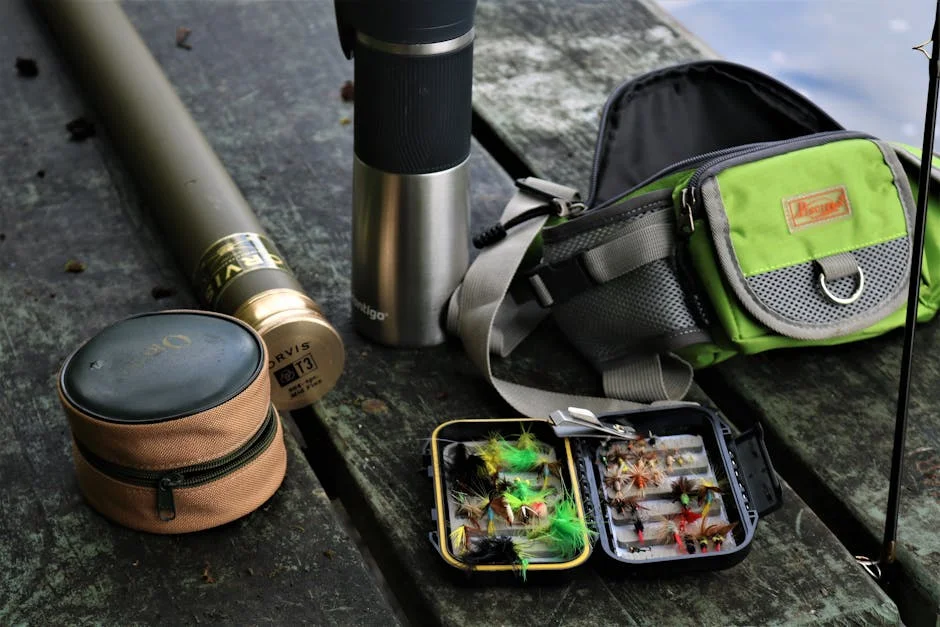
Tailwater fly selection trends smaller, more imitative, and more specific. Midge patterns in sizes 20 to 26 are not unusual at Cheesman. Baetis imitations in size 18 to 22 are standard fare. Tippet diameter matters, with 6X and 7X fluorocarbon frequently the right call where 4X would spook fish off the feed.
Freestone streams reward a different approach. Elk Hair Caddis, Stimulators, Parachute Adams patterns in sizes 12 to 16 are legitimate fish-catchers on mountain streams and freestone rivers throughout the Rockies. You can fish heavier tippet without the same penalty. You can make a good drift count for more than a perfect pattern match.
The gear implications run the same direction. I reach for my Cortland Competition Nymph euro rig almost exclusively on tailwater pools where precise depth and dead-drift presentation matter above everything. On the freestone Arkansas, I am often back on the Sage X with a dry-dropper and enjoying the messier, more reactive style that water invites.
Reading Water
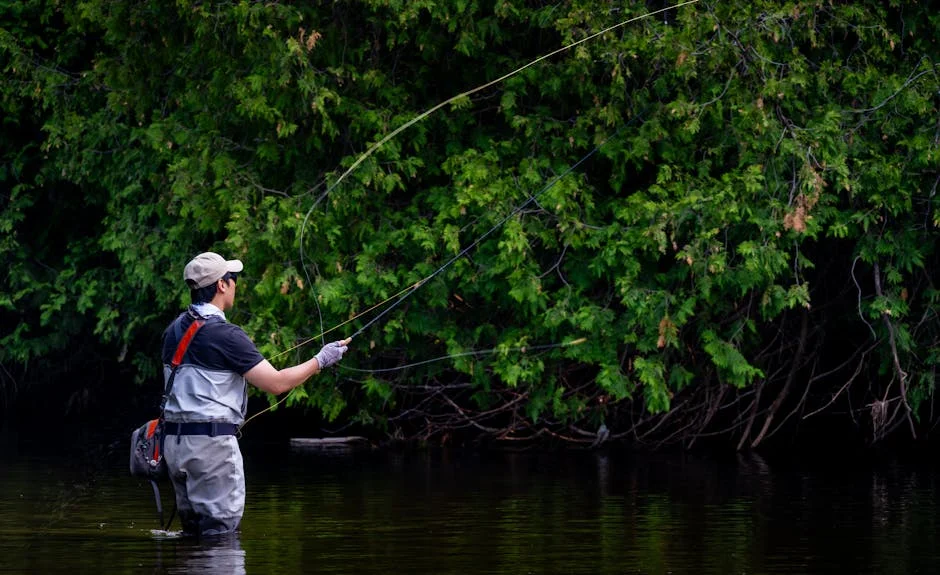
Tailwater water-reading focuses heavily on seams, subtle depth changes, and identifying where fish hold in clear, low-gradient pools. You are often looking at fish you can see, targeting specific feeders. This is precision work.
Freestone water-reading is about understanding hydraulics, finding holding water in faster runs, identifying where fish shelter from current behind boulders and in pocket water. It is a bigger-picture reading skill in some ways, requiring you to assess an entire run rather than spot a single fish.
Frank at Ark Anglers pointed out to me years ago that anglers who only fish tailwaters often struggle on freestone water because they overthink the fly selection and underthink the water reading. The reverse is also true. Both skill sets sharpen the other.
Pressure and Access
Tailwaters, particularly the famous ones, receive enormous fishing pressure. The Bighorn, the Missouri, the San Juan, the South Platte below Cheesman are all heavily fished because they are reliable. Accessing these fisheries often means learning to fish water that has been educated.
Freestone streams in the Rockies offer more solitude if you are willing to hike. The Arkansas River through the Royal Gorge gets significant traffic, but drive thirty minutes up a drainage and you can find water where the fish have rarely seen a fly. That tradeoff, reliability versus solitude, is worth thinking through before you plan a trip.
Gear Adjustments for Each Water Type
Knowing the differences above should push you toward some practical gear thinking. Here is how I approach it.
For tailwaters, finer tippet matters more than on freestone. A 9-foot leader down to 6X fluorocarbon is a baseline, not an extreme choice. Rod action should be softer to protect fine tippet, especially if you are running smaller dries or euro nymphing in the 18 to 22 range. On pressured tailwaters, your casting accuracy matters more than your casting distance. Most of the fish I hook at Cheesman are within 30 feet.
For freestone streams, you have more flexibility. A 9-foot leader to 4X or 5X covers most situations. Attractor dries, dry-dropper rigs, and lightly weighted nymphs all fit the menu. Rod action is less critical, though a medium-fast or medium-action rod makes roll casts and quick mend adjustments easier in tighter boulder-pocket water.
One note for beginners: I made a gear mistake early that cost me two seasons. The first rod I bought on my own was a stiff fast-action blank I thought would help me cast farther. Fast-action rods punish imprecise loops and require solid mechanics to load properly. I spent those two seasons fighting the rod instead of learning the cast. Get a medium-fast or medium-action blank first. This is doubly true if you are starting on freestone streams with tight overhead cover.
Top Picks: Reading Resources That Help With Both Water Types
Gear matters, but understanding trout behavior and water types comes first. These three books show up repeatedly in recommendations from guides, fly shops, and fishing communities for good reason.
The Orvis Fly-Fishing Guide, Revised
The Orvis Fly-Fishing Guide, Revised is probably the most consistently recommended single-volume reference for trout fly fishing available. Owner reviews across angling communities frequently describe it as the book they wish they had owned in their first season. Verified buyers note that it covers entomology, water reading, casting mechanics, and fly selection in a way that holds up across both tailwater and freestone contexts without oversimplifying either.
Spec data shows updated sections on modern equipment and current techniques that address the equipment landscape that did not exist in earlier editions. At a budget price point, it is the reference book equivalent of a solid mid-action rod: it works across a wide range of situations and does not demand perfection to get value from it.
The coverage of trout behavior and reading water is especially relevant if you are starting to fish both water types and want a framework for understanding why the same approach fails on a tailwater that worked perfectly the day before on a freestone run.
Check current price on Amazon.
The Orvis Guide to Beginning Fly Fishing: 101 Tips for the Absolute Beginner
The Orvis Guide to Beginning Fly Fishing: 101 Tips for the Absolute Beginner takes a more direct approach. Owner reviews from the fly fishing community consistently describe it as highly approachable for someone who needs foundational context before the deeper material of a full reference book makes sense.
The 101-tip format means you can absorb it in sections, which fits real-world learning better than grinding through a textbook. Field reports from beginner fly fishing communities indicate this is a common “first book” recommendation at fly shops precisely because it lowers the entry barrier without dumbing down the fundamentals.
If you are still figuring out the basics of casting, reading water, and selecting flies, this is a sensible starting point before making the distinction between tailwater and freestone approaches in any sophisticated way. A lot of this groundwork is also covered in the Fly Fishing Basics resource hub, which I would read in parallel.
Check current price on Amazon.
The Little Red Book of Fly Fishing (Little Books)
The Little Red Book of Fly Fishing (Little Books) by Kirk Deeter and Charlie Meyers takes a different approach from the Orvis volumes. Verified buyers consistently describe it as a distillation of practical wisdom rather than a comprehensive reference, something you read and re-read rather than consult for specific answers.
The book-length format is deliberately compact. Owner reviews note that experienced fly fishers find value in it alongside beginners, which is a real indicator that the content punches above the format. For understanding the mental approach to reading water and presenting flies, particularly the kind of thoughtful observation that separates a good day from a frustrating one on pressured tailwater, this is the kind of small-format reference that earns permanent shelf space.
At budget pricing, it is the kind of book you can keep in a pack or truck and return to between seasons.
Check current price on Amazon.
A Note on Learning Both Water Types
After twenty years of fishing primarily Colorado tailwaters and the Arkansas freestone, my honest take is that you learn more by fishing both than by specializing in one. The tailwater teaches you patience, precision, and fine presentation. The freestone teaches you water reading, adaptability, and a looser approach that does not collapse when conditions change.
Guides I have fished with on the Bighorn and Missouri consistently tell me that their most versatile clients are the ones who came up fishing mountain freestone streams first and then learned tailwater technique as a refinement. The reverse works too, but freestone fishing builds a foundation of adaptability that pressured tailwater fishing does not always require.
If you are newer to fly fishing and working through these concepts, the broader beginner and intermediate resources in our learning section are worth bookmarking alongside whatever water you have access to.
Frequently Asked Questions
What is the main difference between tailwater and freestone fishing?
A tailwater is a river section below a dam, with regulated flows and stable cold temperatures year-round. A freestone stream runs free of dams, fluctuates with seasons, and produces more variable conditions. Tailwater trout tend to be more selective and pressured, requiring smaller, more imitative patterns and finer tippet. Freestone trout are generally more opportunistic and respond to a wider range of attractor-style presentations.
Is tailwater or freestone fishing better for beginners?
Freestone streams are often more forgiving for beginners because fly selection is less exacting and fish are more willing to chase attractor patterns. Tailwaters can be technically demanding early on, with small flies and fine tippet making it easier to get discouraged. That said, some tailwaters have sections with stocked fish that are accessible and productive for newer anglers. Starting on a local freestone creek and building toward tailwater technique is a reasonable approach.
Do I need different gear for tailwater versus freestone fishing?
You do not need two entirely separate setups, but adjustments help. On tailwaters, finer tippet (6X and 7X), smaller flies, and a softer rod action to protect light leaders are standard practice. On freestone streams, heavier tippet (4X to 5X), attractor dries, and a medium-action rod that handles quick roll casts in tight cover tend to work well. A versatile medium-fast 9-foot 5-weight covers both reasonably well if you are not yet ready to specialize.
Why do tailwater trout refuse so many fly presentations?
Tailwater trout are exposed to enormous angling pressure and have a consistent, abundant food supply, so they can afford to be selective. They key in on specific insects at specific life stages and develop the ability to distinguish unnatural presentations, drag, and incorrect silhouette or size. Matching the hatch precisely, achieving a drag-free drift, and using appropriate tippet diameter all matter more on pressured tailwaters than on lightly fished freestone water.
Can I fish tailwaters and freestone streams in the same region?
Yes, and doing so builds a much stronger overall skill set than sticking to one type. Many Colorado river systems have both in relatively close proximity. The South Platte corridor includes classic tailwater stretches at Cheesman Canyon and Eleven Mile Canyon, while the upper Arkansas above Salida offers excellent freestone fishing. Spending time on both in the same season sharpens your water-reading and presentation skills across conditions.
<script type="application/ld+json">
{
 "@context": "https://schema.org",
 "@type": "FAQPage",
 "mainEntity": [
 {
 "@type": "Question",
 "name": "What is the main difference between tailwater and freestone fishing?",
 "acceptedAnswer": {
 "@type": "Answer",
 "text": "A tailwater is a river section below a dam, with regulated flows and stable cold temperatures year-round. A freestone stream runs free of dams, fluctuates with seasons, and produces more variable conditions. Tailwater trout tend to be more selective and pressured, requiring smaller, more imitative patterns and finer tippet. Freestone trout are generally more opportunistic and respond to a wider range of attractor-style presentations. Both require real skill, just applied differently."
 }
 },
 {
 "@type": "Question",
 "name": "Is tailwater or freestone fishing better for beginners?",
 "acceptedAnswer": {
 "@type": "Answer",
 "text": "Freestone streams are often more forgiving for beginners because fly selection is less exacting and fish are more willing to chase attractor patterns. Tailwaters can be technically demanding early on, with small flies and fine tippet making it easier to get discouraged. That said, some tailwaters have sections with stocked fish that are accessible and productive for newer anglers. Starting on a local freestone creek and building toward tailwater technique is a reasonable approach."
 }
 },
 {
 "@type": "Question",
 "name": "Do I need different gear for tailwater versus freestone fishing?",
 "acceptedAnswer": {
 "@type": "Answer",
 "text": "You do not need two entirely separate setups, but adjustments help. On tailwaters, finer tippet (6X and 7X), smaller flies, and a softer rod action to protect light leaders are standard practice. On freestone streams, heavier tippet (4X to 5X), attractor dries, and a medium-action rod that handles quick roll casts in tight cover tend to work well. A versatile medium-fast 9-foot 5-weight covers both reasonably well if you are not yet ready to specialize."
 }
 },
 {
 "@type": "Question",
 "name": "Why do tailwater trout refuse so many fly presentations?",
 "acceptedAnswer": {
 "@type": "Answer",
 "text": "Tailwater trout are exposed to enormous angling pressure and have a consistent, abundant food supply, so they can afford to be selective. They key in on specific insects at specific life stages and develop the ability to distinguish unnatural presentations, drag, and incorrect silhouette or size. Matching the hatch precisely, achieving a drag-free drift, and using appropriate tippet diameter all matter more on pressured tailwaters than on lightly fished freestone water."
 }
 },
 {
 "@type": "Question",
 "name": "Can I fish tailwaters and freestone streams in the same region?",
 "acceptedAnswer": {
 "@type": "Answer",
 "text": "Yes, and doing so builds a much stronger overall skill set than sticking to one type. Many Colorado river systems have both in relatively close proximity. The South Platte corridor includes classic tailwater stretches at Cheesman Canyon and Eleven Mile Canyon, while the upper Arkansas above Salida offers excellent freestone fishing. Spending time on both in the same season sharpens your water-reading and presentation skills across conditions."
 }
 }
 ]
}
</script>Where to Buy
The Orvis Fly-Fishing Guide, RevisedSee The Orvis Fly-Fishing Guide, Revised on Amazon