Used Fly Reel Buying Guide: What to Look For

Affiliate disclosure: Some links on this page are affiliate links. If you buy through them we earn a small commission at no extra cost to you. Recommendations are research-driven; we don't claim personal use of every product reviewed. Product prices and availability are accurate as of the date published and are subject to change. Always check Amazon for current pricing before purchasing. Learn more.
Quick Picks
M MAXIMUMCATCH Maxcatch ECO Large Arbor Fly Fishing Reel (3/4wt 5/6wt 7/8wt) and Pre-Loaded Fly Reel with Line Combo
Buy on AmazonSougayilang Fly Fishing Reel, CNC-Machined Aluminum Alloy, 5/6 Weight, Lightweight Trout Reel
Buy on Amazon| Product | Price Range | Top Strength | Key Weakness | Buy |
|---|---|---|---|---|
| Piscifun Sword Fly Fishing Reel, CNC-Machined Aluminum Alloy Fly Reel also consider | $$ | Buy on Amazon | ||
| M MAXIMUMCATCH Maxcatch ECO Large Arbor Fly Fishing Reel (3/4wt 5/6wt 7/8wt) and Pre-Loaded Fly Reel with Line Combo also consider | $$ | Buy on Amazon | ||
| Sougayilang Fly Fishing Reel, CNC-Machined Aluminum Alloy, 5/6 Weight, Lightweight Trout Reel also consider | $$ | Buy on Amazon |
Buying a used fly reel is one of the smarter moves you can make in this sport. The fly reel market holds its value well at the premium end, which means good used reels are available at mid-range prices if you know what to look for. It also means the new mid-range market has gotten genuinely good, with CNC-machined aluminum and reliable drag systems showing up at price points that weren’t possible ten years ago.
Whether you’re sourcing secondhand or buying new at a reasonable price, understanding what separates a functional reel from a liability is worth your time. Our Fly Reels hub covers the full spectrum of options, but this piece focuses specifically on used-reel buying decisions and the new mid-range alternatives worth considering.
Why the Reel Matters (Even If You’ve Heard Otherwise)
There’s a version of the reel-doesn’t-matter argument that has some truth to it. For most Rocky Mountain trout fishing on small-stream freestone water, a reliable click-pawl reel handles the majority of situations. Fish don’t often run into the backing. You palm the spool if they do. The drag system on a premium large-arbor reel is, in those conditions, genuinely underutilized.
But there’s a version of that argument that becomes a liability. A few years back on the Bighorn, a 22-inch brown hit on a late-fall afternoon. The drag on the reel I was running stuttered on the first run. The tippet broke at the stutter point. Fish gone. The reel matters less on small fish, but the one time it matters on a big fish, a compromised drag costs you something you can’t get back.
The lesson isn’t “buy the most expensive reel on the market.” The lesson is “don’t let drag reliability be the variable you’re gambling on.” On big tailwater water like the Bighorn or the lower South Platte, where a strong brown can run 30 yards in fast current before you can even react, drag smoothness is real.
What the Used Market Actually Looks Like
Used fly reels show up through fly shop consignment counters, online forums, classifieds, and auction platforms. The Ross Animas currently rigged for streamer duty came from a fly shop used bin, bought for considerably less than retail. The finish had marks from the previous owner. The drag had been serviced. It has been flawless.
That’s the used market working correctly. A mid-tier reel with some cosmetic wear, a clean drag service, and a reliable large-arbor design is often the best value in the entire gear category. What you’re buying is proven performance at a discount. What you’re risking is undisclosed damage, a worn drag stack, or a frame that’s been dinged enough to affect spool alignment.
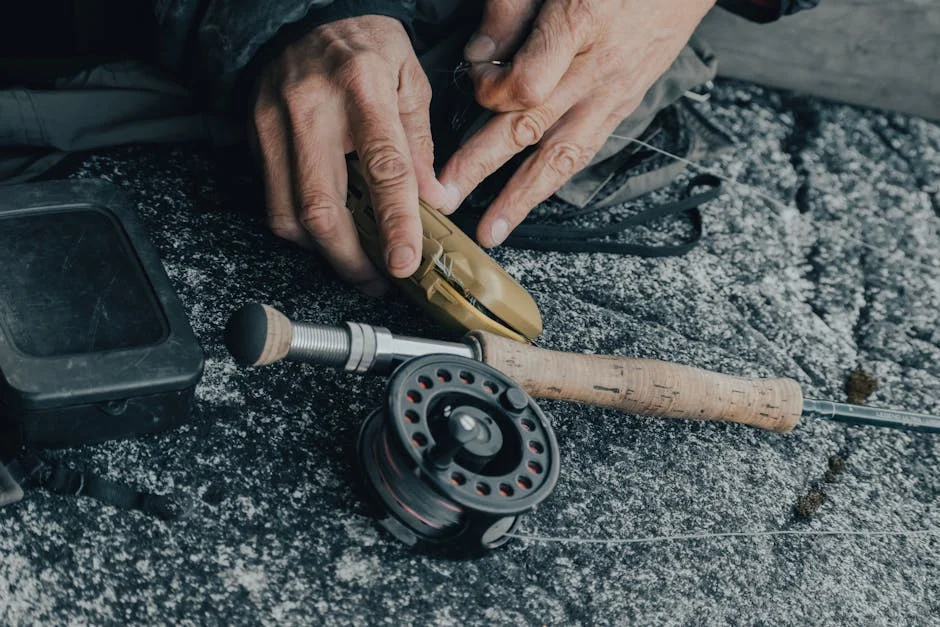
Always spin the spool by hand before buying any used reel. Listen for grinding or hesitation. Check drag engagement across its full range. Look at the spool lip for dings that could affect line retrieval or create friction on a running fish. If you’re buying online and can’t inspect it yourself, buy from a shop that has serviced the drag and will stand behind the sale.
Buying Guide for Used and Mid-Range Fly Reels
Drag System Basics
The drag system is the most important functional component and the most likely to show wear on a used reel. The two common types in modern reels are disc drag (cork or carbon stack pressing against a disc) and click-pawl (a spring-loaded pawl engaging a ratchet). Disc drags offer adjustable, smooth resistance and are standard on most new large-arbor designs. Click-pawl systems are simple, nearly maintenance-free, and entirely adequate for most trout applications where you’re palming the spool on big runs anyway.
When evaluating used reels, check the drag through its full range of adjustment. A disc drag that feels fine at light settings sometimes develops roughness at heavier settings, which is where a big fish will test it. Drag smoothness under load is more important than peak stopping power for most trout scenarios.
Arbor Size and Line Pickup Rate
Large-arbor reels became standard on most quality designs in the last fifteen years for a practical reason: they pick up line faster per revolution. On a standard arbor reel, early retrieval turns recover very little line because the arbor diameter is small. A large arbor maintains a more consistent retrieval rate because the effective spool diameter stays relatively large even as backing fills the core.
For tailwater trout fishing where you’re managing slack and position constantly, faster line recovery matters. For small-stream fishing where fish rarely run and you’re mostly stripping line by hand, arbor size is less critical. Most used reels worth buying in the current market are large-arbor designs, since the shift happened long enough ago that good examples are widely available secondhand. Check out the reel selection resources at Fly Reels if you want to compare specific arbor profiles across manufacturers.
Frame and Spool Material
The frame and spool material tells you about weight, durability, and how the reel was manufactured. Cast aluminum is common on budget reels and is heavier and less precise than CNC-machined aluminum. CNC-machined (computer numerical control) frames are cut from bar stock, which produces tighter tolerances, better spool-to-frame fit, and reduced weight. Most quality reels at mid-range and above are CNC-machined.
On a used reel, check the spool fit in the frame. It should spin freely with minimal side-play. Any wobble suggests either a manufacturing tolerance issue or frame damage. Deep gouges in the frame near the spool edge can create enough deformation to affect spool clearance under load, which matters when a fish runs.
Matching Reel to Rod Weight and Water Type
Reel weight matters for rod balance, especially on lighter rods. A 3wt small-stream rod paired with a heavy reel kills the feel of the rod entirely. A 6wt streamer rod paired with an undersized reel looks wrong and creates a retrieval mismatch if the arbor is too small for the line weight. As a general rule, match the reel to the rod manufacturer’s recommendation and then adjust for water type.
For saltwater, steelhead, and large tailwater situations, prioritize drag system quality above all other factors. For general Colorado and Rocky Mountain trout fishing with fish under 18 inches, a reliable drag at any price point will serve you fine. The Hatch Iconic 5+ is beautifully overbuilt for most of the tailwater fishing I do in Colorado, where fish rarely reach backing. I justify it because I’ve never had to think about the reel in five years. That’s not a recommendation to buy premium for every situation. That’s an argument for buying used premium if the budget is a factor.
What to Inspect Before Buying Used
Beyond drag function and spool fit, check the line guard (if present) for smoothness, the handle knob for secure attachment, and the foot for any bends or cracks. A bent reel foot creates fitment problems in the reel seat and can actually work loose under casting stress. Look at the finish inside the frame where the spool sits. Any burrs or sharp edges there will eventually wear through your fly line.
Ask specifically whether the drag has been serviced. A drag service on most quality reels involves cleaning the disc stack and re-greasing with the correct lubricant. It’s not expensive at a fly shop, but a neglected drag on a reel that’s been sitting in a closet for five years may feel fine at rest and perform poorly under load. Budget for a drag service on any used reel purchase.
Top Picks
Piscifun Sword Fly Fishing Reel, CNC-Machined Aluminum Alloy
The Piscifun Sword Fly Fishing Reel positions itself in the mid-range category with CNC-machined aluminum construction and a sealed disc drag system. Spec data shows an aluminum alloy frame and spool with a large-arbor design, available across standard trout line weights.
Verified buyers note that the drag engagement is consistent and the finish quality is notably better than what the price band would suggest. Field reports from online communities mention the drag being particularly well-suited for light-tension applications, with multiple owners comparing the feel favorably to reels costing significantly more. The large-arbor design retrieves line efficiently, which matters on tailwater water where you’re repositioning constantly.
A few owner reviews mention that the drag at maximum setting is adequate but not exceptional for larger fish, which aligns with what you’d expect from a mid-range reel. For Colorado and Rocky Mountain trout fishing on water like Cheesman Canyon or Eleven Mile Canyon, where fish in the 12-to-18-inch range are the typical target, this is well within the reel’s capability. As a used-market alternative to a premium reel, or as a new mid-range option for an angler building out a second rod setup, the Sword represents good value for the application.
Check current price on Amazon.
M MAXIMUMCATCH Maxcatch ECO Large Arbor Fly Fishing Reel
The M MAXIMUMCATCH Maxcatch ECO Large Arbor Fly Fishing Reel takes a slightly different market approach by offering a pre-loaded combo option (reel with line) in addition to the reel-only version. That combo format is genuinely useful for an angler setting up a first outfit or a backup rod without wanting to source line separately.
Verified buyers note the large-arbor design performs its stated function well, with efficient line retrieval and a drag system that multiple reviewers describe as smooth for the price band. Field reports indicate the pre-loaded line combo uses serviceable floating line, not premium line, which is an honest tradeoff at this price point. The reel itself is the main asset; the included line is adequate to fish but worth upgrading eventually.
The ECO comes in 3/4wt, 5/6wt, and 7/8wt sizes. Owner reviews across those size options suggest the drag is well-calibrated for the intended line weight in each version. For someone assembling a budget-to-mid setup for moderate trout fishing, this represents a practical entry into large-arbor reel design without the investment required for premium options. It also functions well as a used-market comparable, giving you a reference point for what a well-functioning mid-range large-arbor reel should feel like.
Check current price on Amazon.
Sougayilang Fly Fishing Reel, CNC-Machined Aluminum Alloy, 5/6 Weight
The Sougayilang Fly Fishing Reel, CNC-Machined Aluminum Alloy targets the 5/6wt range specifically, which covers the most common trout rod weight in use across Colorado and the broader Rocky Mountain region. CNC-machined aluminum construction, large-arbor design, and a disc drag system are the core specifications.
Verified buyers note that the finish quality on the machined frame is clean, with tight spool-to-frame tolerances that hold up in field use. Owner reviews mention the reel’s weight as a positive for balanced 5wt rod setups, where a heavy reel would compromise rod feel on a moderate action blank. Field reports from trout fishing communities indicate the drag is reliable at light-to-moderate settings, which covers the vast majority of typical trout scenarios on water like the Arkansas River freestone or standard Colorado tailwaters.
The 5/6wt specific design means Sougayilang has calibrated the drag range and arbor dimensions for that application rather than building a universal reel and marketing it across weight classes. Owner feedback suggests that focus shows in the balance and drag feel. For an angler who knows they’re primarily fishing 5wt trout water and wants a mid-range reel that performs its stated function without requiring premium investment, this is worth evaluating alongside used alternatives in the same category.
Check current price on Amazon.
Closing Thoughts
Twenty years in, the most consistent thing I’ve noticed about the used fly reel market is that it rewards patience and basic mechanical awareness. The Hardy Marquis hanging on my gear wall came back from a 2010 UK trip as a souvenir, became a real fishing reel, and still gets used on small tailwater days where click-pawl simplicity is the right call. The Ross Animas in the streamer rotation came out of a used bin with cosmetic marks and a freshly serviced drag. Both are better value propositions than anything I could have bought new at the same price point at the time.
The new mid-range options covered above are genuinely good reels for what they are. The improvements in CNC machining and drag system design at accessible price points mean you don’t have to buy used to get a functional, durable reel for typical trout fishing. But if you’re willing to inspect carefully and buy smart, the used market gives you access to premium performance at mid-range prices. Either way, browse the full Fly Reels section for additional comparisons and context on how different reel types perform across water conditions.
Frequently Asked Questions
What should I look for when buying a used fly reel?
Spin the spool by hand and listen for grinding or hesitation, which indicates drag wear or debris in the disc stack. Check the spool fit in the frame for wobble, which suggests damage or tolerance issues. Inspect the reel foot for bends or cracks that could cause fitment problems in the reel seat. Ask whether the drag has been serviced, and budget for a professional service if the answer is unclear.
Does reel quality matter for typical trout fishing?
For most Rocky Mountain trout fishing with fish under 18 inches, a mid-range reel with a reliable drag is entirely sufficient. The drag system becomes genuinely critical on larger fish in fast current, such as big tailwater browns or any situation where the fish runs significant line. A drag that stutters at the wrong moment breaks tippet and loses fish, so the baseline requirement is consistent smooth engagement, not premium stopping power.
Is a large-arbor reel worth it for trout?
Large-arbor designs pick up line faster per revolution, which matters when repositioning after a downstream run or managing slack on a tailwater where fish move quickly. For small-stream freestone fishing where fish rarely run, the arbor size is less critical. Most quality used reels available today are large-arbor designs, since the shift in the market happened long enough ago that good used examples are widely available at reasonable prices.
Can a mid-range reel handle big fish?
Yes, with a caveat. A mid-range reel with a properly functioning disc drag can handle most trout scenarios, including larger fish on standard tippet sizes. The limitation is not peak stopping power but drag smoothness under sustained load. Verified buyer reports on current mid-range CNC-machined reels consistently note adequate performance for trout applications, with drag systems that function reliably within their intended line weight range.
How do I know if a used fly reel needs a drag service?
Test the drag through its full range of adjustment before buying. A drag that feels smooth at light settings but rough or inconsistent at heavier settings needs service. A reel that has been stored for an extended period without use may have dried or degraded lubricant in the disc stack even if it feels acceptable under light test pressure. Any used reel purchase from an unknown history is worth a professional drag service at a fly shop, which is a straightforward and inexpensive procedure.
<script type="application/ld+json">
{
 "@context": "https://schema.org",
 "@type": "FAQPage",
 "mainEntity": [
 {
 "@type": "Question",
 "name": "What should I look for when buying a used fly reel?",
 "acceptedAnswer": {
 "@type": "Answer",
 "text": "Spin the spool by hand and listen for grinding or hesitation, which indicates drag wear or debris in the disc stack. Check the spool fit in the frame for wobble, which suggests damage or tolerance issues. Inspect the reel foot for bends or cracks that could cause fitment problems in the reel seat. Ask whether the drag has been serviced, and budget for a professional service if the answer is unclear."
 }
 },
 {
 "@type": "Question",
 "name": "Does reel quality matter for typical trout fishing?",
 "acceptedAnswer": {
 "@type": "Answer",
 "text": "For most Rocky Mountain trout fishing with fish under 18 inches, a mid-range reel with a reliable drag is entirely sufficient. The drag system becomes genuinely critical on larger fish in fast current, such as big tailwater browns or any situation where the fish runs significant line. A drag that stutters at the wrong moment breaks tippet and loses fish, so the baseline requirement is consistent smooth engagement, not premium stopping power."
 }
 },
 {
 "@type": "Question",
 "name": "Is a large-arbor reel worth it for trout?",
 "acceptedAnswer": {
 "@type": "Answer",
 "text": "Large-arbor designs pick up line faster per revolution, which matters when repositioning after a downstream run or managing slack on a tailwater where fish move quickly. For small-stream freestone fishing where fish rarely run, the arbor size is less critical. Most quality used reels available today are large-arbor designs, since the shift in the market happened long enough ago that good used examples are widely available at reasonable prices."
 }
 },
 {
 "@type": "Question",
 "name": "Can a mid-range reel handle big fish?",
 "acceptedAnswer": {
 "@type": "Answer",
 "text": "Yes, with a caveat. A mid-range reel with a properly functioning disc drag can handle most trout scenarios, including larger fish on standard tippet sizes. The limitation is not peak stopping power but drag smoothness under sustained load. Verified buyer reports on current mid-range CNC-machined reels consistently note adequate performance for trout applications, with drag systems that function reliably within their intended line weight range."
 }
 },
 {
 "@type": "Question",
 "name": "How do I know if a used fly reel needs a drag service?",
 "acceptedAnswer": {
 "@type": "Answer",
 "text": "Test the drag through its full range of adjustment before buying. A drag that feels smooth at light settings but rough or inconsistent at heavier settings needs service. A reel that has been stored for an extended period without use may have dried or degraded lubricant in the disc stack even if it feels acceptable under light test pressure. Any used reel purchase from an unknown history is worth a professional drag service at a fly shop, which is a straightforward and inexpensive procedure."
 }
 }
 ]
}
</script>Where to Buy
Piscifun Sword Fly Fishing Reel, CNC-Machined Aluminum Alloy Fly ReelSee Piscifun Sword Fly Fishing Reel, CNC-… on Amazon