Wooly Bugger Fly Pattern: A Versatile Choice for All Waters

Affiliate disclosure: Some links on this page are affiliate links. If you buy through them we earn a small commission at no extra cost to you. Recommendations are research-driven; we don't claim personal use of every product reviewed. Product prices and availability are accurate as of the date published and are subject to change. Always check Amazon for current pricing before purchasing. Learn more.
Quick Picks
wifreo 30/90PCS Wooly Bugger Fly Fishing Lures Streamer Assortment with Waterproof Fly Box
Buy on Amazon18PCS Fly Fishing Flies Assortment, Hand Tied Woolly Bugger Flies for Trout Bass Flyfishing, Wet Nymphs Streamer Flies Fly Fishing Lures
Buy on AmazonThe Fly Crate Umpqua Woolly Bugger Assortment
The most versatile fly in existence , works for trout, bass, pike, saltwater, everything
Buy on Amazon| Product | Price Range | Top Strength | Key Weakness | Buy |
|---|---|---|---|---|
| wifreo 30/90PCS Wooly Bugger Fly Fishing Lures Streamer Assortment with Waterproof Fly Box also consider | $$ | Buy on Amazon | ||
| 18PCS Fly Fishing Flies Assortment, Hand Tied Woolly Bugger Flies for Trout Bass Flyfishing, Wet Nymphs Streamer Flies Fly Fishing Lures also consider | $$ | Buy on Amazon | ||
| The Fly Crate Umpqua Woolly Bugger Assortment also consider | $ | The most versatile fly in existence , works for trout, bass, pike, saltwater, everything | Woolly Bugger is the easiest pattern to self-tie , buying these is optional | Buy on Amazon |
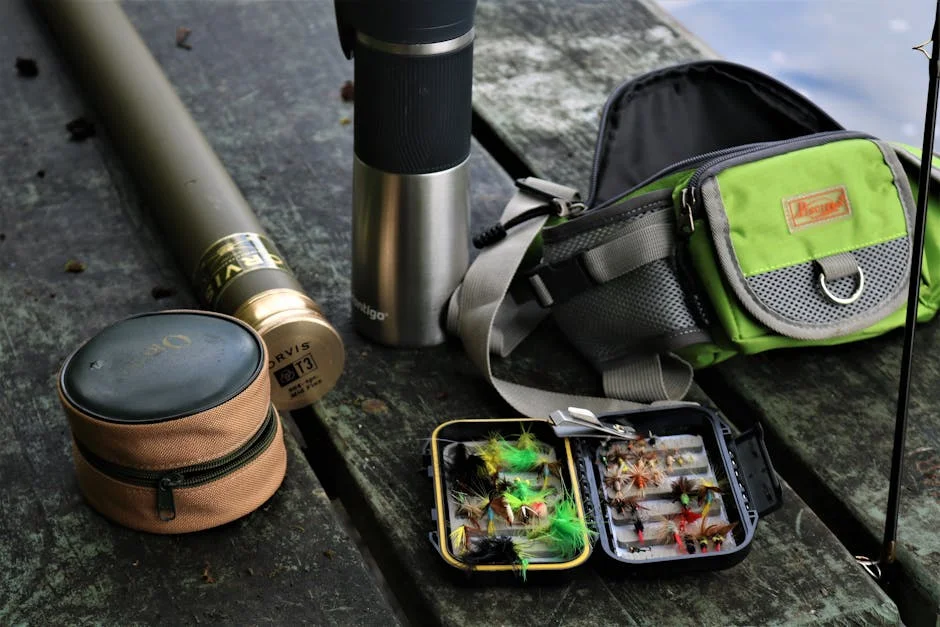
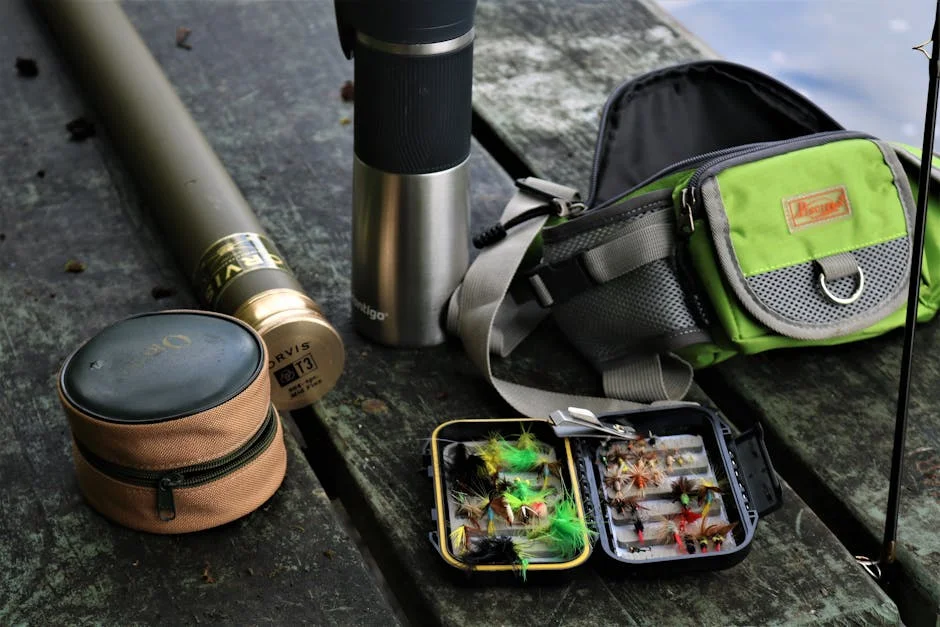
The wooly bugger might be the most democratically useful fly ever tied. It catches trout, bass, pike, panfish, and saltwater species. It works as a streamer, a leech imitation, a sculpin, and sometimes just an angry thing moving through the water that fish can’t ignore. After twenty years, if I had to pick one pattern to cover every situation on every water I’ve fished, the wooly bugger would be a serious contender alongside the Pheasant Tail.
I spent years overcomplicating my fly boxes. A guide on the Bighorn finally set me straight: four proven patterns fished with confidence catch more fish than four hundred patterns fished with confusion. The wooly bugger belongs in any short list of flies that actually work.
What Makes the Wooly Bugger Work
The wooly bugger is one of those patterns where the design does most of the talking. Understanding why it produces fish across such varied conditions helps you fish it better, not just carry it around.
The Anatomy of Movement
The classic wooly bugger ties a marabou tail to a hook, wraps a chenille body, and palmers a soft hackle (usually saddle hackle) along the body toward the eye. That combination creates motion at multiple points simultaneously. The marabou tail breathes and pulses with even minor current variation. The palmered hackle fibers flutter with each strip or swing. On a dead drift in a tailwater run, a size 10 wooly bugger mimics a leech or drowned invertebrate with almost no effort from the angler.
The material science here is straightforward. Marabou is essentially a semi-aquatic feather with a fine, webby structure that displaces water easily and responds to minimal flow. The moment you stop stripping, the tail collapses. The moment current hits it again, it flares. That pulsing action is built into the material.
Color Logic
Olive, black, and brown cover the majority of situations across the waters in our Flies & Patterns library. Olive matches leech and sculpin coloration in most Rocky Mountain tailwaters. Black produces in low light conditions, off-color water, and for bass. Brown splits the difference and earns fish in freestone rivers where crayfish and hellgrammites are present.
White and chartreuse wooly buggers have their moments. On the Missouri or in stillwater situations with stocked rainbows, white produces fish that ignore the darker patterns. But if you’re building a first wooly bugger box, olive-black-brown is the foundation.
Size and Weight Selection
On the Arkansas River freestone water near Salida, a beadhead wooly bugger in size 10 on an 8-pound fluorocarbon tippet will sink into the seams and cover water efficiently. On a pressured tailwater like Cheesman Canyon, dropping to a size 14 or even 16 with a lighter bead changes the game. Verified buyers and experienced field anglers consistently note that size selection matters more than color in most clear-water trout scenarios.
The bead adds both weight and flash. Tungsten beads get the fly down faster than brass, which matters in deep, fast water like the big runs on the Bighorn or the Smith Fork. For shallow tailwater presentations or warm-water applications, a lighter brass bead or no bead at all produces a slower sink rate and a different action.
Top Picks
Wooly bugger assortments range from basic starter packs to quality commercial ties with consistent hook gaps and durable materials. These three represent different approaches to stocking your wooly bugger selection.
Umpqua Woolly Bugger Assortment
The Umpqua Woolly Bugger Assortment from The Fly Crate lands in the budget price band, which is worth noting because Umpqua’s tying quality generally punches above that tier. Spec data on this assortment shows the three core colors (olive, black, brown) in a selection of sizes designed to cover trout, bass, and general warmwater applications.
Umpqua has built a reputation in the fly fishing community for consistent hook gaps and durable materials on their commercial patterns. Owner reviews on this assortment reflect that the marabou tails hold up through multiple fish and the palmered hackle stays secure with normal use. For anglers who want a pre-built starting point without tying their own, this assortment covers the three color situations that handle most scenarios.
One honest note from the product description side: the wooly bugger is arguably the first pattern most fly tyers learn, and for good reason. It’s forgiving, fast to tie, and material substitutions work well. If you’re interested in tying your own flies at any point, the wooly bugger is where to start. But a quality commercial assortment like this gives you confidence in hook sharpness and consistent sizing from day one.
Check current price on Amazon.
wifreo 30/90PCS Wooly Bugger Fly Fishing Lures Streamer Assortment with Waterproof Fly Box
The wifreo 30/90PCS Wooly Bugger Fly Fishing Lures Streamer Assortment with Waterproof Fly Box lands in the mid price band and covers a lot of ground in terms of color and size variation. The included waterproof fly box is a practical addition that owner reviews consistently flag as a genuine value component.
Field reports from verified buyers indicate this assortment skews toward a wider color selection than the standard olive-black-brown foundation, including some flashier materials and variant patterns alongside the classic ties. For anglers targeting bass, pike, or stillwater trout where attractor colors produce fish, that expanded palette is useful. For tight-line nymphing specialists or pressured tailwater regulars who fish small and natural, the volume here may exceed what you’ll actually reach for.
The 30-piece and 90-piece options give different entry points depending on whether you’re sampling the pattern or building out a dedicated wooly bugger box for a trip. Spec data shows a range of hook sizes, and verified buyers note the hooks are serviceable for most freshwater applications.
Check current price on Amazon.
18PCS Fly Fishing Flies Assortment, Hand Tied Woolly Bugger Flies for Trout Bass Flyfishing, Wet Nymphs Streamer Flies Fly Fishing Lures
The 18PCS Fly Fishing Flies Assortment, Hand Tied Woolly Bugger Flies for Trout Bass Flyfishing, Wet Nymphs Streamer Flies Fly Fishing Lures sits in the mid price band and combines woolly buggers with wet nymph and streamer patterns in a single assortment. That mixed approach suits anglers who want to cover multiple presentation styles with one purchase rather than building individual pattern collections.
Owner reviews indicate the hand-tied designation is accurate, with consistent wraps and reasonable hook gaps across the assortment. For trout anglers who fish the wooly bugger as part of a broader rotation alongside soft hackles and wet flies, the mixed format here makes practical sense. Verified buyers targeting bass and warmwater species note the streamer patterns in this assortment hold up well to repeated casting and stripping.
If your fishing is primarily wooly bugger specific, one of the dedicated assortments above may serve you better. But for a general-purpose streamer and wet fly box that uses the wooly bugger as its anchor pattern, this assortment builds a workable foundation.
Check current price on Amazon.
How to Choose the Right Wooly Bugger Assortment
Not all wooly bugger packs serve the same purpose. Matching the assortment to your water type, target species, and presentation style makes a real difference in how much of that box you actually fish.
Water Type Drives Size Selection
Tailwater and freestone fishing call for different approaches. On a controlled tailwater like Cheesman Canyon or Eleven Mile Canyon, fish see pressure and clear water simultaneously. Smaller wooly buggers in sizes 12-16, fished on lighter tippet with a more subtle presentation, outperform the classic size 6-8 streamers. Freestone rivers, particularly pocket water and runs on the Arkansas or similar systems, respond well to larger, heavier patterns because the broken water hides the fly longer and fish have less time to inspect.
The pattern library at Flies & Patterns covers presentation differences in more detail, but the short version is this: buy small sizes if you’re primarily a tailwater angler, and don’t neglect the larger sizes if you fish freestone water or stillwater for bass.
Target Species Shapes Color Priority
Trout anglers fishing Rocky Mountain systems rarely need to venture far from olive, black, and brown. Bass and pike anglers benefit from chartreuse, white, and mixed color patterns that create visibility in stained water. If your fishing crosses both categories across a season, a larger volume assortment with broader color coverage makes more sense than a focused three-color selection.
Warmwater applications often involve faster retrieves and harder strikes, which puts more stress on hook connections and body materials. Verified buyers targeting largemouth and smallmouth consistently mention checking that hook gauge is adequate for hard-pulling fish before committing to lighter-wire hooks designed primarily for trout.
Bead vs. No Bead
The beadhead wooly bugger is the default for most trout applications because the tungsten or brass bead adds sink rate and a flash point that triggers strikes in moving water. For stillwater, ponds, or shallow tailwater edges, an unweighted wooly bugger sinks more slowly and can be fished higher in the water column, which matches the natural behavior of leeches and larger invertebrates.
Assortments that mix bead and unweighted versions give you more flexibility across conditions. If an assortment is exclusively beadhead, consider supplementing with a few unweighted ties for situations where a slower presentation covers fish the faster sink-rate patterns miss.
Hook Quality and Durability
Commercial assortments vary significantly in hook quality. Verified buyers across multiple wooly bugger assortments note that hooks straight from the packaging range from razor-sharp to dull, with duller hooks appearing more often in lower-priced bulk packs. Running a finger lightly along the hook point before fishing a new fly is a thirty-second habit that saves fish.
For the patterns you fish most heavily, having a hone or small sharpening stone in your pack makes sense. The fly may be budget tier, but a sharp hook is the only part of the equation you can’t compensate for with technique.
Presentation Method Matters
The wooly bugger works across multiple presentation styles. A dead drift on a standard dry-dropper rig covers holding lies. A swing at the end of a run mimics a baitfish trying to hold against current. A full strip retrieve in a pond or lake produces bass and warmwater species. Knowing which style you lean on most helps determine which assortment format fits your fishing. If you strip streamers hard, look for assortments with stronger hook wire and tightly wound bodies that hold up to the retrieve pressure.
Frequently Asked Questions
What size wooly bugger should I start with for trout?
Size 10 is a reasonable starting point for most trout applications across freestone and tailwater systems. On pressured tailwaters with clear water, dropping to size 12 or 14 often produces more consistent takes from larger fish that have seen too many bigger patterns. On bigger rivers or in low-visibility conditions, sizes 6-8 cover water faster and attract fish from a greater distance. Owner reviews across most wooly bugger assortments suggest having sizes 6 through 14 covers the majority of trout fishing situations.
Can I fish a wooly bugger on a 5-weight rod?
Yes, a 9-foot 5-weight handles most wooly bugger applications well, particularly in sizes 10-14 with tungsten beads. Larger, heavily weighted size 6-8 streamers on big water fish better on a 6-weight or heavier because the added line weight turns over the fly more efficiently and reduces casting fatigue over a full day. The Scott Centric 6-weight I keep rigged for bigger water handles that application cleanly. For average trout fishing with mid-size wooly buggers, a standard 5-weight with a sink-tip or streamer-specific line covers most scenarios.
What colors are essential for a wooly bugger box?
Olive, black, and brown cover the situations most trout anglers encounter across a full season on varied water. Black produces in off-color water and low light. Olive matches leech and sculpin patterns in most clear mountain rivers. Brown fills the gap for crayfish and hellgrammite imitation on freestone rivers.
Is it worth tying my own wooly buggers instead of buying an assortment?
The wooly bugger is one of the fastest and most forgiving patterns to learn at the vise. After fifteen years tying on a Norvise, it still takes less than five minutes per fly and materials are inexpensive. That said, commercial assortments offer convenience, consistent sizing, and hook sharpness quality control that matters when you’re building a first box. Starting with a commercial assortment and learning to tie your own as a next step is a practical progression that most tying instructors recommend.
How do I fish a wooly bugger in moving water?
Three presentations cover most moving water situations. A quartering downstream cast followed by a controlled swing at the end of the run mimics a disoriented baitfish and produces strikes at the seam. A dead drift through holding water with occasional twitches imitates a leech or drowned invertebrate. A strip retrieve across a flat or through a pool triggers predatory response from both trout and warmwater species. Field reports from anglers across Rocky Mountain tailwaters indicate the swing presentation produces some of the largest fish, particularly in the evening hours when bigger trout move to feed.
<script type="application/ld+json">
{
 "@context": "https://schema.org",
 "@type": "FAQPage",
 "mainEntity": [
 {
 "@type": "Question",
 "name": "What size wooly bugger should I start with for trout?",
 "acceptedAnswer": {
 "@type": "Answer",
 "text": "Size 10 is a reasonable starting point for most trout applications across freestone and tailwater systems. On pressured tailwaters with clear water, dropping to size 12 or 14 often produces more consistent takes from larger fish that have seen too many bigger patterns. On bigger rivers or in low-visibility conditions, sizes 6-8 cover water faster and attract fish from a greater distance. Owner reviews across most wooly bugger assortments suggest having sizes 6 through 14 covers the majority of trout fishing situations."
 }
 },
 {
 "@type": "Question",
 "name": "Can I fish a wooly bugger on a 5-weight rod?",
 "acceptedAnswer": {
 "@type": "Answer",
 "text": "Yes, a 9-foot 5-weight handles most wooly bugger applications well, particularly in sizes 10-14 with tungsten beads. Larger, heavily weighted size 6-8 streamers on big water fish better on a 6-weight or heavier because the added line weight turns over the fly more efficiently and reduces casting fatigue over a full day. For average trout fishing with mid-size wooly buggers, a standard 5-weight with a sink-tip or streamer-specific line covers most scenarios."
 }
 },
 {
 "@type": "Question",
 "name": "What colors are essential for a wooly bugger box?",
 "acceptedAnswer": {
 "@type": "Answer",
 "text": "Olive, black, and brown cover the situations most trout anglers encounter across a full season on varied water. Black produces in off-color water and low light. Olive matches leech and sculpin patterns in most clear mountain rivers. Brown fills the gap for crayfish and hellgrammite imitation on freestone rivers. White adds value for stillwater, stocked rainbows, and some warmwater applications. If you only buy one color to start, olive is the most versatile option across the widest range of trout fishing conditions."
 }
 },
 {
 "@type": "Question",
 "name": "Is it worth tying my own wooly buggers instead of buying an assortment?",
 "acceptedAnswer": {
 "@type": "Answer",
 "text": "The wooly bugger is one of the fastest and most forgiving patterns to learn at the vise. After fifteen years tying on a Norvise, it still takes less than five minutes per fly and materials are inexpensive. That said, commercial assortments offer convenience, consistent sizing, and hook sharpness quality control that matters when you're building a first box. Starting with a commercial assortment and learning to tie your own as a next step is a practical progression that most tying instructors recommend."
 }
 },
 {
 "@type": "Question",
 "name": "How do I fish a wooly bugger in moving water?",
 "acceptedAnswer": {
 "@type": "Answer",
 "text": "Three presentations cover most moving water situations. A quartering downstream cast followed by a controlled swing at the end of the run mimics a disoriented baitfish and produces strikes at the seam. A dead drift through holding water with occasional twitches imitates a leech or drowned invertebrate. A strip retrieve across a flat or through a pool triggers predatory response from both trout and warmwater species. Field reports from anglers across Rocky Mountain tailwaters indicate the swing presentation produces some of the largest fish, particularly in the evening hours when bigger trout move to feed."
 }
 }
 ]
}
</script>Where to Buy
wifreo 30/90PCS Wooly Bugger Fly Fishing Lures Streamer Assortment with Waterproof Fly BoxSee wifreo 30/90PCS Wooly Bugger Fly Fish… on Amazon