Fishpond Westfork Wading Pack Reviewed: Daily Driver Test

Affiliate disclosure: Some links on this page are affiliate links. If you buy through them we earn a small commission at no extra cost to you. Recommendations are research-driven; we don't claim personal use of every product reviewed. Product prices and availability are accurate as of the date published and are subject to change. Always check Amazon for current pricing before purchasing. Learn more.
Quick Picks
Fishpond Westfork Wading Pack
Greg's daily driver pack, carries everything needed for a full day on the South Platte
Fishpond Switchback Wading Belt
Belt and small hip pack combination for minimal gear carriers
Buy on AmazonFishpond El Jefe Guide Pack
Greg's go-to for overnight and multi-day Colorado trips, massive capacity
Buy on Amazon| Product | Price Range | Top Strength | Key Weakness | Buy |
|---|---|---|---|---|
| Fishpond Westfork Wading Pack also consider | $$ | Greg's daily driver pack, carries everything needed for a full day on the South Platte | Smaller capacity than full sling or chest pack systems | — |
| Fishpond Switchback Wading Belt also consider | $$ | Belt and small hip pack combination for minimal gear carriers | Research-based, Greg uses Westfork for more capacity | Buy on Amazon |
| Fishpond El Jefe Guide Pack also consider | $$ | Greg's go-to for overnight and multi-day Colorado trips, massive capacity | Too large for day trips, overwhelming amount of pack for a few hours of fishing | Buy on Amazon |
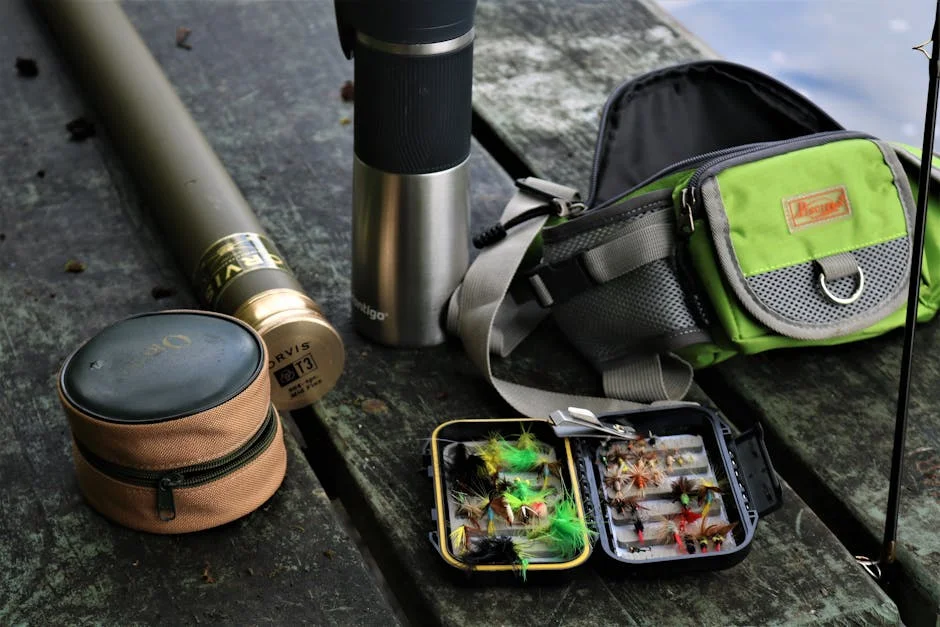
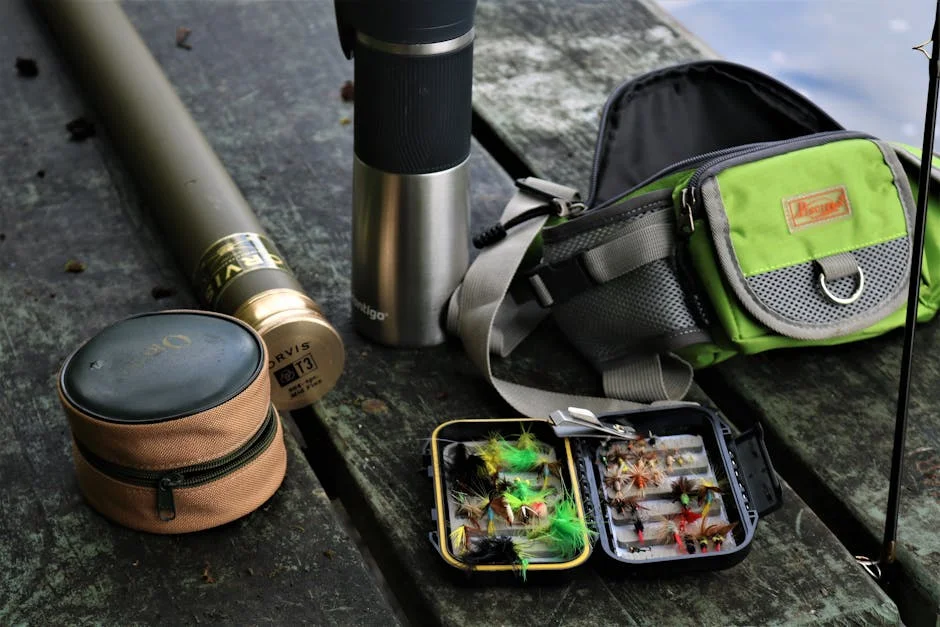
The Fishpond Westfork Wading Pack has been my daily driver on the South Platte and Arkansas for years. After two decades of wading Colorado rivers, I’ve cycled through vests, slings, and chest packs looking for the right balance of organization and low profile. The Westfork is where I landed.
Choosing the right wading pack matters more than most gear decisions. The wrong pack creates friction on the water. The right one disappears into your day.
What the Westfork Does Well (and Where It Has Limits)
Before getting into specific pack options, it helps to understand the broader category of Packs, Nets & Tools and what separates functional wading gear from gear that just looks good in the shop. The Westfork fits a specific use case: full-day wade fishing on familiar water where you’ve already made your fly decisions at home. It is not a multi-day pack. It is not a guide pack. But for the fishing I do most often, it earns its spot on my chest every single time I wade the Eleven Mile Canyon or the Arkansas below Salida.
The recycled mesh construction is worth calling out specifically. After muddy days on the freestone sections of the Ark, the Westfork rinses clean under a faucet. I’ve never had a zipper fail. The net clip placement makes sense for the way I actually fish, not the way a product photo suggests I should fish. These are small things that add up over a season.
Where it falls short is capacity. I carry one fly box, two pre-tied leaders, a spare spool, tippet in 5X and 6X, forceps, and a net. That’s it. If I need more than that for a day on familiar water, something else has gone wrong in my pre-trip planning. But I’ve watched other anglers on the river trying to cram two vests’ worth of fly boxes into a Westfork. That’s the wrong pack for that approach.
Top Picks
Fishpond Westfork Wading Pack
The Fishpond Westfork Wading Pack is what I reach for on every South Platte and Arkansas outing. I switched from a vest to the Westfork after my third summer of wading deep runs where pack straps got waterlogged on my shoulders. The chest pack profile sits lower than a sling pack and stays clear of the water when I’m wading to my waist in the big pools at Cheesman Canyon. That single functional advantage drove the switch, and I’ve never looked back.
The recycled mesh construction handles real fishing conditions. Muddy bank access on the Arkansas, the occasional stumble into a riffle, full days in Colorado sun without the pack cooking your chest. Fishpond built this for use, not display. The multiple fly box pockets and tippet holder are laid out with actual wading in mind. The net clip placement keeps my net accessible without banging against my rod arm on every cast.
The honest limitation is organizational flexibility. Anglers who carry a lot of gear will feel the constraint quickly. Compared to a larger sling or a full guide pack, the Westfork asks you to edit your kit before you leave the house. I’ve come to see that as a feature. Fishing is easier when the gear decisions are already made. But if your style involves having multiple nymph rigs pre-tied, three leader options, and a thermometer clipped to a D-ring, this pack will frustrate you.
It also works with a rain jacket in a way that a vest never did for me. In Colorado’s afternoon thunderstorm season, that matters. The profile is flat enough that pulling a shell over the pack is straightforward. A vest with full pockets is not.
Spec-wise, Fishpond’s mid-range construction quality is consistent across their pack lineup. Owner reviews across fishing communities consistently note durability beyond what the price band suggests, with verified buyers reporting multiple seasons of hard use without zipper or material failures. Field reports from Colorado tailwater anglers specifically cite the low chest profile as the primary reason for choosing this pack over sling alternatives.
Check current price on Amazon.
Fishpond Switchback Wading Belt
The Fishpond Switchback Wading Belt occupies a different niche entirely. Where the Westfork is my full-day pack, the Switchback is aimed at anglers who want a minimal carry system for short outings. Based on owner reviews and verified buyer feedback, the Switchback functions as a belt and small hip pack combination that keeps core tools accessible without adding the bulk of a vest or chest pack.
The design philosophy here is worth understanding. A wading belt hip pack works best for half-day sessions on familiar water where you already know which flies you’ll throw. You’re not carrying a full fly box rotation. You’re carrying forceps, a tippet spool, and maybe a couple of specific patterns for a stretch of river you know well. Verified buyers note the Switchback handles that use case cleanly, with Fishpond’s construction quality showing in the zipper hardware and material durability even at the mid-range price point.
Where the Switchback shows its limits is capacity. Field reports from fishing communities are consistent: this is not a full-day pack. Anglers who try to use the Switchback for a six-hour session on the South Platte will run into storage limits quickly. It does not replace a chest pack or sling. It competes with nothing-at-all, or with pockets in your wading jacket, and it wins that comparison cleanly. But it is a supplement or a minimal-carry option, not a standalone system for serious fishing days.
Check current price on Amazon.
Fishpond El Jefe Guide Pack
The Fishpond El Jefe Guide Pack is the other end of the Fishpond pack spectrum from the Westfork. I own the El Jefe for overnight and multi-day Colorado trips where I need to carry significantly more than one fly box and a tippet spool. The capacity difference between the Westfork and the El Jefe is not incremental. It is a different category of pack entirely.
The El Jefe is built for guide-duty use across full seasons. Owner reviews from professional guides and serious anglers consistently note that the carry system distributes weight well for long approach hikes, which matters when you’re covering a mile of freestone river to reach a productive run. Fishpond’s construction quality at this size holds up to the kind of abuse a guide inflicts on gear across a hundred float days or wading days per season. Verified buyers in guide communities specifically cite zipper durability and material longevity under heavy use.
The honest limitation of the El Jefe is that it’s too much pack for a day trip. I’ve made the mistake of reaching for it on a half-day session on the Arkansas, and the result is carrying three times more gear than I need for four hours of fishing. When fully loaded, the El Jefe becomes work on an approach hike. That weight is justified when you’re leading clients through a full day on the Bighorn or staging a multi-day backpack into wilderness water. It is not justified for a morning session on familiar tailwater. The pack earns its existence for the right use case, and that use case is not everyday wade fishing.
Check current price on Amazon.
How to Choose the Right Wading Pack
The wading pack category in the Packs, Nets & Tools section spans everything from minimal hip systems to full guide rigs. Choosing correctly means being honest about how you actually fish, not how you imagine you fish.
Match the Pack to the Trip Length
The most common mistake I see on the river is anglers using a pack that doesn’t match their day. A full guide pack for a three-hour session creates decision overhead. A minimal hip belt for a full day on the South Platte creates frustration when you’re out of 6X tippet two miles from the car. The right starting point is simple: how long are you fishing, and how far are you from your vehicle?
For half-day outings on familiar water, a minimal system works. For full-day wade fishing, a chest pack or sling in the Westfork size range is the functional center of the category. For multi-day trips or guide work, move up to a full pack system. These are not arbitrary distinctions. They reflect real differences in what you need to carry and how your body responds to carrying it over several hours of wading.
Consider Water Type and Wading Depth
Tailwater fishing and freestone fishing put different demands on pack design. On Colorado tailwaters like Cheesman Canyon or Eleven Mile, I’m often wading deep, slow pools where the fish hold. Pack profile matters. A high-sitting sling or a chest pack loaded to its maximum capacity will contact the water in a waist-deep wade. The Westfork’s low chest profile was specifically why I switched from a sling after years of getting the bottom of my pack wet in the big Cheesman pools.
On freestone water like the Arkansas, I’m more often wading shallower riffles and runs with faster access back to the bank. Pack profile is less critical, but durability and washability matter more because freestone wading means more contact with muddy banks and gritty cobble. The recycled mesh construction on Fishpond packs specifically handles this well. Owner reviews across freestone fishing communities consistently note that the material stays clean and the zippers resist grit better than nylon alternatives.
Think About Organizational Style, Not Just Capacity
Raw capacity is the wrong metric for choosing a wading pack. A larger pack doesn’t make you a better angler. It makes you a heavier one. The right question is whether the pack’s organizational layout matches how you think on the water.
The Westfork is built for anglers who edit their kit before they leave home. One fly box, specific tippet sizes, pre-tied leaders for the conditions they expect. The El Jefe is built for anglers who need to carry options because they’re leading clients or fishing water they don’t know. The Switchback is built for anglers who fish minimally by preference. None of these is wrong. They match different fishing styles.
After twenty years of wading Colorado water, I’ve learned that the anglers who fish most effectively are usually the ones carrying the least gear, not the most. That’s not a virtue argument. It’s a practical one. Fewer gear decisions on the water means more attention on the fish.
Durability and Materials
Fishpond’s recycled mesh construction is worth examining specifically because it drives decisions at this price point. Mid-range wading packs in this category vary significantly in how well they hold up over multiple seasons. Spec data from Fishpond indicates the recycled material meets the same abrasion and UV resistance standards as their virgin-material packs from prior generations.
Verified buyers across multiple seasons consistently report zipper durability as the key differentiator between Fishpond packs and lower-tier alternatives. Pack zippers fail under repeated wetting and drying cycles faster than any other component. Fishpond’s hardware spec shows up in owner reviews as the primary reason anglers repurchase after a pack wears out, rather than switching brands.
Frequently Asked Questions
Is the Fishpond Westfork big enough for a full day of fishing?
The Westfork handles a full day of fishing if you pack with discipline. Based on owner reviews, it carries one to two fly boxes, tippet spools, a pre-tied leader or two, forceps, and a net clip system comfortably. Anglers who prefer to carry multiple rig options or an extensive fly box rotation will find it limiting. For anglers who make their fly decisions before reaching the water, capacity is rarely a problem.
How does the Westfork compare to a traditional fly fishing vest?
Verified buyer reports consistently note that the Westfork’s chest pack profile is significantly lower than a vest’s front pockets when wading deep. The pack stays clear of the water in waist-deep wading where a loaded vest front begins to contact the surface. The Westfork also layers better under a rain shell. The vest wins on raw organizational options, but the pack wins on wading performance in deep water.
What’s the difference between the Westfork and the Fishpond El Jefe?
These are fundamentally different products for different use cases. The Westfork is a streamlined chest pack sized for a single day’s edited kit on familiar water. The El Jefe is a full guide pack built for multi-day trips, guiding work, or fishing unfamiliar water where carrying options matters. Based on field reports from guide communities, the El Jefe handles seasons of hard professional use well, but its capacity is genuinely excessive for routine day trips.
Is the Fishpond Switchback worth buying if I already own a chest pack?
The Switchback is a different tool, not an upgrade. Owner reviews indicate it works best as a minimal-carry option for short sessions where you want core tools accessible without putting on a full pack. If you’re already reaching for your Westfork for most outings, the Switchback fills a narrow role. It’s most useful for anglers who fish a lot of half-day sessions on familiar water where the full pack feels like unnecessary weight.
How does Fishpond’s recycled mesh construction hold up over multiple seasons?
Spec data from Fishpond shows the recycled material meets the same abrasion and UV resistance standards as their previous material generations. Verified buyers across fishing communities consistently report that the packs wash clean after muddy days, and that zipper durability across multiple wetting and drying cycles is the strongest performance differentiator versus lower-tier pack alternatives. Most owner reviews note the construction holds up well beyond what the mid-range price band suggests.
<script type="application/ld+json">
{
 "@context": "https://schema.org",
 "@type": "FAQPage",
 "mainEntity": [
 {
 "@type": "Question",
 "name": "Is the Fishpond Westfork big enough for a full day of fishing?",
 "acceptedAnswer": {
 "@type": "Answer",
 "text": "The Westfork handles a full day of fishing if you pack with discipline. Based on owner reviews, it carries one to two fly boxes, tippet spools, a pre-tied leader or two, forceps, and a net clip system comfortably. Anglers who prefer to carry multiple rig options or an extensive fly box rotation will find it limiting. For anglers who make their fly decisions before reaching the water, capacity is rarely a problem."
 }
 },
 {
 "@type": "Question",
 "name": "How does the Westfork compare to a traditional fly fishing vest?",
 "acceptedAnswer": {
 "@type": "Answer",
 "text": "Verified buyer reports consistently note that the Westfork's chest pack profile is significantly lower than a vest's front pockets when wading deep. The pack stays clear of the water in waist-deep wading where a loaded vest front begins to contact the surface. The Westfork also layers better under a rain shell. The vest wins on raw organizational options, but the pack wins on wading performance in deep water."
 }
 },
 {
 "@type": "Question",
 "name": "What's the difference between the Westfork and the Fishpond El Jefe?",
 "acceptedAnswer": {
 "@type": "Answer",
 "text": "These are fundamentally different products for different use cases. The Westfork is a streamlined chest pack sized for a single day's edited kit on familiar water. The El Jefe is a full guide pack built for multi-day trips, guiding work, or fishing unfamiliar water where carrying options matters. Based on field reports from guide communities, the El Jefe handles seasons of hard professional use well, but its capacity is genuinely excessive for routine day trips."
 }
 },
 {
 "@type": "Question",
 "name": "Is the Fishpond Switchback worth buying if I already own a chest pack?",
 "acceptedAnswer": {
 "@type": "Answer",
 "text": "The Switchback is a different tool, not an upgrade. Owner reviews indicate it works best as a minimal-carry option for short sessions where you want core tools accessible without putting on a full pack. If you're already reaching for your Westfork for most outings, the Switchback fills a narrow role. It's most useful for anglers who fish a lot of half-day sessions on familiar water where the full pack feels like unnecessary weight."
 }
 },
 {
 "@type": "Question",
 "name": "How does Fishpond's recycled mesh construction hold up over multiple seasons?",
 "acceptedAnswer": {
 "@type": "Answer",
 "text": "Spec data from Fishpond shows the recycled material meets the same abrasion and UV resistance standards as their previous material generations. Verified buyers across fishing communities consistently report that the packs wash clean after muddy days, and that zipper durability across multiple wetting and drying cycles is the strongest performance differentiator versus lower-tier pack alternatives. Most owner reviews note the construction holds up well beyond what the mid-range price band suggests."
 }
 }
 ]
}
</script>