Czech Nymphing: Subsurface Fly Fishing Technique

Affiliate disclosure: Some links on this page are affiliate links. If you buy through them we earn a small commission at no extra cost to you. Recommendations are research-driven; we don't claim personal use of every product reviewed. Product prices and availability are accurate as of the date published and are subject to change. Always check Amazon for current pricing before purchasing. Learn more.
Quick Picks
Outdoor Planet 24/48/66/72 Premium Hand Tied Fly Fishing Flies Assortment | Fly Boxes Included | Dry, Wet, Nymphs, Streamers, Wooly Buggers, Terrestrials | Trout, Bass Lure Set, Kit, Gift
Buy on Amazon| Product | Price Range | Top Strength | Key Weakness | Buy |
|---|---|---|---|---|
| Outdoor Planet 24/48/66/72 Premium Hand Tied Fly Fishing Flies Assortment | Fly Boxes Included | Dry, Wet, Nymphs, Streamers, Wooly Buggers, Terrestrials | Trout, Bass Lure Set, Kit, Gift also consider | $$ | Buy on Amazon | ||
| Czech Nymphing 101 & Related Methods DVD also consider | $$ | Buy on Amazon | ||
| Czech Nymph and Other Related Fly Fishing Methods also consider | $$ | Buy on Amazon |
Czech nymphing is one of the most effective subsurface techniques in fly fishing, built on a simple premise: eliminate slack between your fly and your hand, and let the flies do the work in the water column. Developed by competitive anglers in Czechoslovakia during the 1980s, the method has spread well beyond tournament circuits and is now a legitimate everyday technique for trout fishing across North America.
For an overview of where czech nymphing fits alongside other methods, start with the full Techniques & Methods hub.
What Is Czech Nymphing?
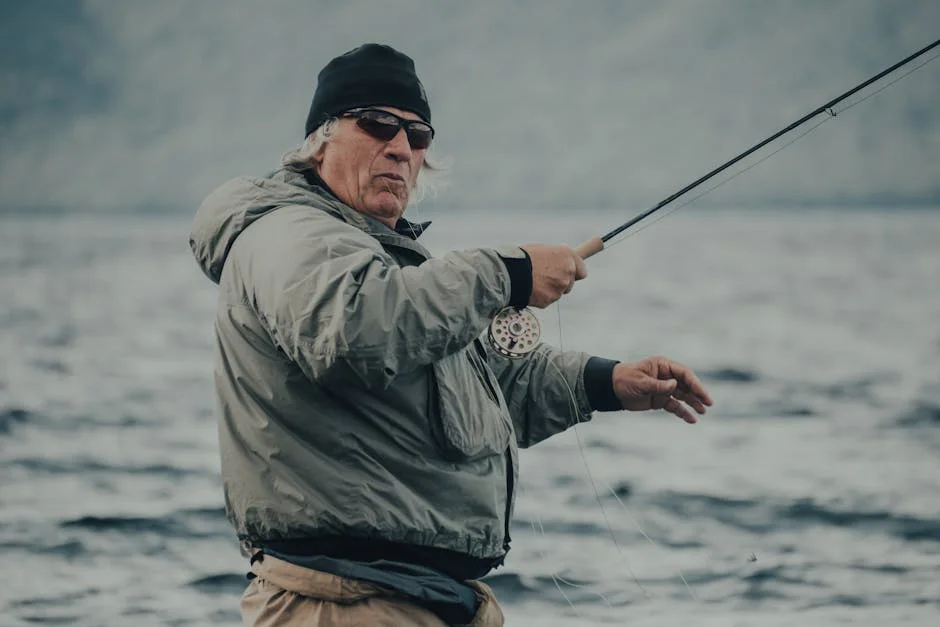
Czech nymphing is a short-line, tight-contact nymphing method. You fish heavy, curved nymphs (often called “czech nymphs” or “shrimp patterns”) at close range, typically 15 to 25 feet, with no fly line outside the rod tip. The leader system does the work. You hold the rod high, lead the flies downstream at the speed of the current, and maintain direct contact with the flies through a sighter section in the leader. There is no indicator. There is no cast in the traditional sense. You lob the flies upstream, drop the tip, and follow.
That tight contact is the entire system. When a fish takes, you feel it through the monofilament or braided sighter before you see anything. Reaction time drops. Missed strikes become rarer. Fish that a standard indicator rig would never detect become catchable.
How Czech Nymphing Differs from Other Euro Nymphing Styles
Czech nymphing is the parent technique of what anglers now call euro nymphing, but the two terms are not identical. Polish nymphing, French nymphing, and Spanish nymphing are all related methods with distinct characteristics in leader construction, fly weight, and fishing range. Czech nymphing specifically uses heavy flies fished at short range in fast, broken water. French nymphing tends toward lighter flies and longer presentations in slower, clearer water.
The common thread across all these methods is the sighter, a colored section of monofilament or fluorocarbon that acts as a visual indicator of take and drift. The sighter does not float. It hangs in the system and telegraphs movement. Once you learn to read it, the system is remarkably efficient.
The Learning Curve (And Why It’s Worth It)
My own conversion to euro nymphing came in 2018, after George Daniel’s “Dynamic Nymphing” sat on my shelf for a full year before I actually read it. The first twenty sessions felt like I was fishing worse than I had with an indicator. That’s the honest experience most anglers have. The system only clicks when you stop looking for something to watch and start feeling the tippet.
Before that shift happened, I’d spent years fishing indicator rigs and believing the indicator was doing the work. What I didn’t understand was that I was often fishing the wrong water, and the indicator just made the inactivity more visible. Moving to czech nymphing and euro nymphing forced me to learn to feel the bottom, feel the structure, and read current seams differently. The indicator is feedback. So is the sighter. But the sighter demands you be closer to the fish and more deliberate about where you put the flies.
The humbling part: a lot of the indicator nymphing I’d done for years was dragging flies through water that didn’t hold fish. Czech nymphing cured me of that because the short range forces you to pick specific slots. You can’t be lazy about water reading when you’re fishing 20 feet of leader.
Getting Started Without Specialized Gear
Euro nymphing gets oversold as a technique that requires a dedicated specialized rod and a complete leader system before you can begin. That’s not accurate. The core principle, eliminating slack between your fly and your hand, can be applied with a standard 9-foot 5-weight rod and a long monofilament leader. the evidence suggests any angler curious about czech nymphing should try it with their existing setup before investing in a dedicated euro rod.
The dedicated gear genuinely helps. A longer, lighter rod (10 to 11 feet, 2 to 4 weight) improves contact and reduces fatigue. A purpose-built competition nymph line, which is essentially a colored level monofilament rather than a traditional fly line, eliminates belly and sag completely. But these are refinements, not prerequisites. Ten sessions with a standard rod and monofilament leader will tell you whether the technique fits your fishing before you commit to the full system.
Czech Nymph Fly Patterns: Keeping It Simple
Czech nymphs are typically tied on curved scud or jig hooks, heavily weighted with tungsten beads and lead wire, and designed to get to the bottom fast. Classic patterns include the Peeping Caddis (a cased caddis imitation), the Squirmy Worm, the Czech Hedgehog, and various scud imitations in tan, olive, and orange.
The lesson I learned the hard way on the Bighorn applies here too. A guide there told me to fish four patterns for an entire trip and stop obsessing over a box of 400. For czech nymphing in most Colorado water, I’d give the same advice in a slightly different form: fish a heavy point fly (usually a cased caddis or tungsten scud), a lighter dropper (a soft hackle or pheasant tail), and adjust color and size before you start swapping patterns entirely. Confidence in a few proven flies beats confusion from too many options.
On the Arkansas River near Salida, where I fish most frequently, a tan/olive scud and a size 14 tungsten Hare’s Ear handle most situations. On South Platte tailwater like Cheesman Canyon, fish get more selective and a size 18 or 20 czech nymph in muted tones outperforms anything flashy.
Buying Guide: Equipment and Resources for Czech Nymphing
Czech nymphing requires decisions across four categories: flies, leader system, rod, and educational resources. The good news is that entry-level investment is genuinely low if you start with existing gear. The decisions below reflect what actually matters on the water, not what looks compelling in a catalog.
Flies: Pattern Selection and Fly Box Strategy
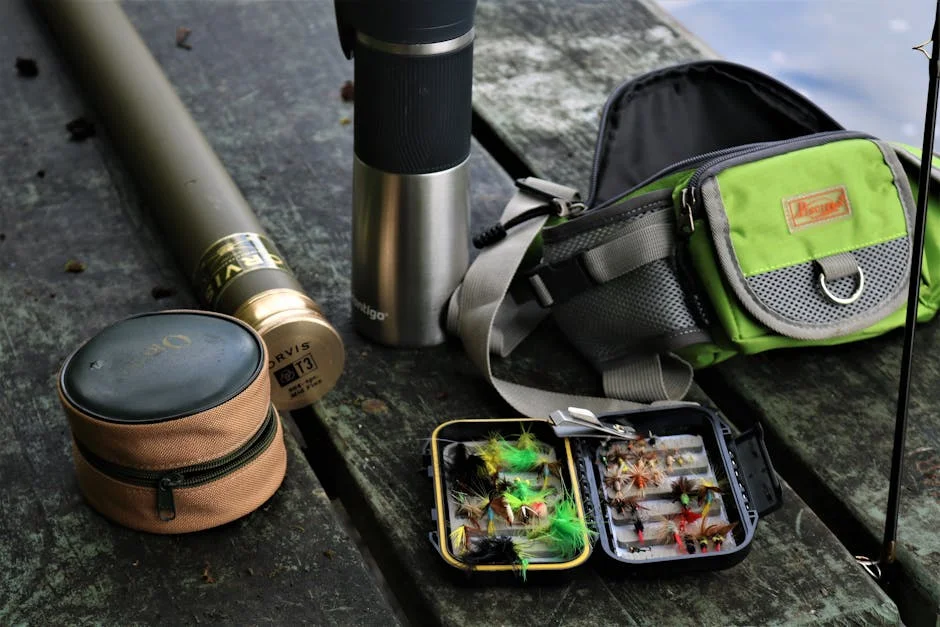
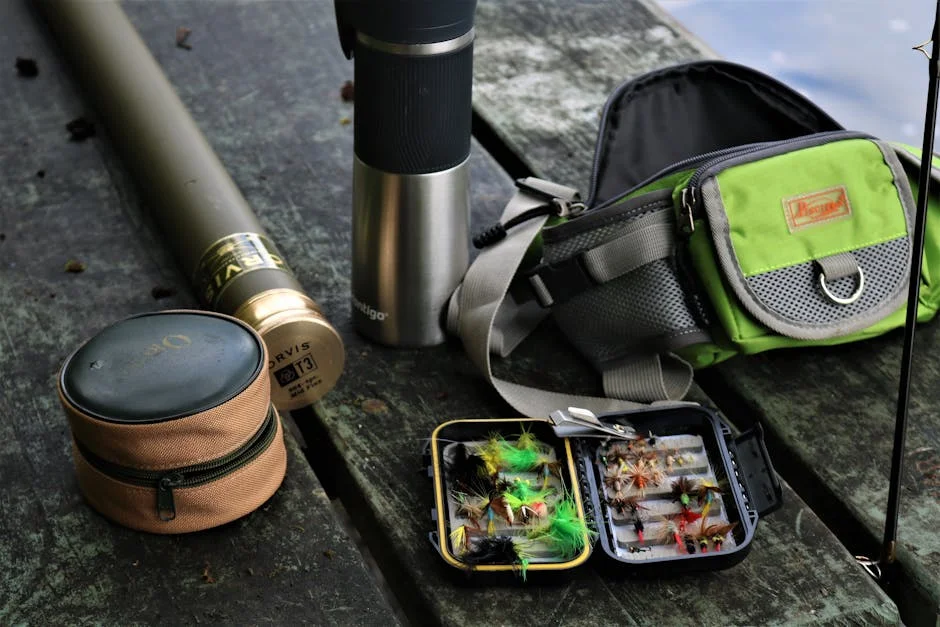
The flies are where most new czech nymphers overspend and over-complicate. Czech nymphing rewards depth and consistency in a small number of patterns far more than variety across dozens. A working czech nymph box for Colorado trout water needs a cased caddis imitation, a scud in two or three colors, a tungsten jig nymph, and one or two soft hackle wet flies for the dropper position.
If you’re building a fly box from scratch or supplementing an existing collection, a general assortment from a reputable pre-tied source can fill gaps without spending hours at the vise. The key quality indicator for czech nymphing flies specifically is hook weight and bead weight. The flies need to sink fast. Thin wire dry fly hooks tied with light bead heads are not functional czech nymphs regardless of how the pattern looks.
Fly box organization matters more than most beginners expect. Czech nymphing involves constant fly changes as depth, current speed, and holding water change through a session. A box organized by weight and size, rather than pattern name, saves time on the water.
Rod and Leader System: The Core Investment Decision
The decision about whether to buy a dedicated euro nymphing rod is the most significant gear choice in setting up a czech nymphing system. As noted above, a standard 9-foot 5-weight will get you started. A purpose-built rod in the 10 to 11-foot range in a 2 to 4-weight improves contact, reduces arm fatigue during long sessions, and provides better strike detection through the blank.
The leader system attached to that rod matters as much as the rod itself. A competition nymph line, which is a level monofilament core with a colored sighter section, eliminates the fly line weight that creates sag and reduces contact. It took me a full season to learn to feel takes through monofilament rather than through a fly line belly. That adjustment period is normal. The system rewards patience.
For a full breakdown of how czech nymphing compares to other tight-line and indicator approaches, the fly fishing techniques and methods library covers the broader landscape of subsurface methods.
Educational Resources: Books, Video, and In-Person Instruction
Czech nymphing has a learning curve that benefits significantly from structured instruction. Reading water for short-line nymphing is different from reading water for dry fly fishing or indicator nymphing, and that difference is hard to internalize from text description alone. Video demonstration of sighter behavior, leader angle, and strike detection accelerates the learning curve considerably.
In-person instruction from a guide who specifically fishes euro nymphing methods is the fastest path forward. If a guided day isn’t in the budget, the next best option is structured video instruction followed by deliberate practice sessions focused on contact and angle rather than catch count. The instinct to judge early sessions by fish count works against you. Judge them by whether the sighter is behaving correctly and whether you’re feeling the bottom.
Tailwater vs. Freestone: Different Mental Frameworks
Czech nymphing plays differently on tailwaters versus freestone streams, and the adjustment goes beyond fly selection. Tailwaters like Cheesman Canyon or the Frying Pan have consistent flows, consistent temperatures, and fish that see the same flies regularly. Czech nymphing there rewards presentation precision and careful drift management over specific slots that hold fish year-round.
Freestone streams like the upper Arkansas above Salida reward mobility and water reading speed. The fish are less selective but more scattered. Czech nymphing on freestone means covering more water, fishing heavier flies to punch through variable current, and moving when a slot doesn’t produce within a few drifts. Anglers who fish only tailwaters often struggle on freestone because they’re accustomed to precision over mobility.
Top Picks
The products below cover three categories relevant to getting started or going deeper with czech nymphing: a fly assortment for building out a working nymph box, a video instructional resource, and the foundational book on the method.
Outdoor Planet 24/48/66/72 Premium Hand Tied Fly Fishing Flies Assortment
The Outdoor Planet 24/48/66/72 Premium Hand Tied Fly Fishing Flies Assortment is a pre-tied fly set available in multiple counts, including configurations at 24, 48, 66, and 72 flies, with a fly box included. The assortment spans dry flies, wet flies, nymphs, streamers, woolly buggers, and terrestrials, making it a broad-coverage kit rather than a czech nymphing-specific selection.
For czech nymphing specifically, the nymph and wet fly portions of this assortment are the relevant sections. Verified buyers note that the flies are tied on standard hooks at mid-range quality, adequate for most trout situations but not weighted heavily enough for the fast, deep water where czech nymphing performs best. The assortment works well as a supplement to a more targeted box, filling in pattern gaps for dropper positions or slower-water situations where lighter flies are appropriate.
Owner reviews indicate the included fly box is functional and reasonably organized. The mix of pattern types makes this kit a practical starting point for an angler who wants coverage across multiple techniques, not just czech nymphing. If you’re building a dedicated czech nymph box, you’ll want to add tungsten-beaded patterns separately, but this assortment fills the supporting roles effectively.
Check current price on Amazon.
Czech Nymphing 101 & Related Methods DVD
The Czech Nymphing 101 & Related Methods DVD is a video instructional resource covering the foundational mechanics of czech nymphing alongside Polish nymphing and related tight-line methods. Field reports from the euro nymphing community consistently identify this DVD as one of the clearer visual explanations of sighter behavior, leader angle, and fly placement available in video format.
The value of video instruction for czech nymphing specifically is difficult to overstate. Sighter behavior, the subtle movement that signals a take versus natural drift, is nearly impossible to convey through text alone. Watching an experienced angler demonstrate the angle and contact in real current conditions accelerates the learning curve in a way that reading cannot replicate. Verified buyers note that the production quality reflects its age but the instructional content remains accurate and useful.
This DVD covers the related methods, not just pure czech nymphing, which is genuinely useful because the methods overlap in practice. Many anglers fish a hybrid approach that borrows from czech, Polish, and French nymphing depending on water type and depth. Understanding the parent techniques gives you the flexibility to adapt.
Check current price on Amazon.
Czech Nymph and Other Related Fly Fishing Methods
Czech Nymph and Other Related Fly Fishing Methods by Karel Krivanec is the foundational text on the czech nymphing method, written by one of the anglers most closely associated with developing and codifying the technique. Spec data from the book confirms it covers leader construction, fly tying patterns specific to the method, water reading for short-line nymphing, and the historical context of how czech nymphing developed within competitive fly fishing.
Field reports from the euro nymphing community treat this book as a primary source rather than a general interest title. It is detailed, technically specific, and assumes a reader who is fishing seriously rather than casually. Owner reviews note that the translation from Czech results in occasionally dense phrasing, but the content is accurate and the fly tying instructions are clear enough to follow at the vise.
For an angler who has tried czech nymphing a few times and wants to go deeper into the technique, this book provides the foundation that most English-language euro nymphing resources reference without fully explaining. George Daniel’s “Dynamic Nymphing” covers the American application of euro methods broadly; Krivanec’s book covers the specific method at its source.
Check current price on Amazon.
Frequently Asked Questions
What rod is best for starting czech nymphing?
A standard 9-foot 5-weight rod will get you started with czech nymphing before you invest in dedicated equipment. The core principle is eliminating slack, and that’s achievable with existing gear. Dedicated euro nymphing rods in the 10 to 11-foot range in lighter line weights improve contact and reduce arm fatigue, but they’re a refinement rather than a requirement. Try the technique with what you own for several sessions before committing to a purpose-built rod.
How heavy should czech nymphs be?
Czech nymphs need to reach the bottom quickly in fast, broken water, which typically means tungsten bead heads and lead wire underbodies. For most trout streams, flies in size 12 to 16 on curved scud or jig hooks with 3 to 4mm tungsten beads cover the majority of situations. Deeper, faster runs require heavier flies. Lighter flies work for dropper positions or slower-water applications where getting to the bottom fast is less critical.
Can you czech nymph on tailwaters?
Czech nymphing works well on tailwaters, though the approach shifts slightly from freestone application. Tailwater fish in well-pressured fisheries like Cheesman Canyon or the Frying Pan see a lot of flies and respond better to precise presentation in specific current seams than to heavy, fast-sinking patterns fished aggressively. Smaller flies, careful drift management, and longer tippet sections are common tailwater adjustments. The tight-contact principle still applies and actually improves detection on fish that take subtly.
What is a sighter and why does it matter?
A sighter is a colored section of monofilament or fluorocarbon in the leader system that acts as a visual reference for drift quality and strike detection. It does not float like an indicator. Instead, it hangs in the system and telegraphs movement, hesitation, or acceleration that signals a fish has taken the fly. Reading the sighter correctly is the central skill in czech nymphing.
Is czech nymphing allowed in all fly fishing areas?
Czech nymphing is legal in nearly all standard fly fishing regulations, but some catch-and-release or special regulation waters in Colorado and elsewhere specify “artificial flies and lures only” or “single barbless hook” rules that affect rigging. Fishing two or three flies on a czech nymphing leader falls under standard nymphing regulations in most states. Always check current regulations for the specific water you’re fishing, particularly on designated wild trout or special regulation sections of tailwaters.
<script type="application/ld+json">
{
 "@context": "https://schema.org",
 "@type": "FAQPage",
 "mainEntity": [
 {
 "@type": "Question",
 "name": "What rod is best for starting czech nymphing?",
 "acceptedAnswer": {
 "@type": "Answer",
 "text": "A standard 9-foot 5-weight rod will get you started with czech nymphing before you invest in dedicated equipment. The core principle is eliminating slack, and that's achievable with existing gear. Dedicated euro nymphing rods in the 10 to 11-foot range in lighter line weights improve contact and reduce arm fatigue, but they're a refinement rather than a requirement. Try the technique with what you own for several sessions before committing to a purpose-built rod."
 }
 },
 {
 "@type": "Question",
 "name": "How heavy should czech nymphs be?",
 "acceptedAnswer": {
 "@type": "Answer",
 "text": "Czech nymphs need to reach the bottom quickly in fast, broken water, which typically means tungsten bead heads and lead wire underbodies. For most trout streams, flies in size 12 to 16 on curved scud or jig hooks with 3 to 4mm tungsten beads cover the majority of situations. Deeper, faster runs require heavier flies. Lighter flies work for dropper positions or slower-water applications where getting to the bottom fast is less critical."
 }
 },
 {
 "@type": "Question",
 "name": "Can you czech nymph on tailwaters?",
 "acceptedAnswer": {
 "@type": "Answer",
 "text": "Czech nymphing works well on tailwaters, though the approach shifts slightly from freestone application. Tailwater fish in well-pressured fisheries like Cheesman Canyon or the Frying Pan see a lot of flies and respond better to precise presentation in specific current seams than to heavy, fast-sinking patterns fished aggressively. Smaller flies, careful drift management, and longer tippet sections are common tailwater adjustments. The tight-contact principle still applies and actually improves detection on fish that take subtly."
 }
 },
 {
 "@type": "Question",
 "name": "What is a sighter and why does it matter?",
 "acceptedAnswer": {
 "@type": "Answer",
 "text": "A sighter is a colored section of monofilament or fluorocarbon in the leader system that acts as a visual reference for drift quality and strike detection. It does not float like an indicator. Instead, it hangs in the system and telegraphs movement, hesitation, or acceleration that signals a fish has taken the fly. Reading the sighter correctly is the central skill in czech nymphing, and it takes several sessions of focused practice to develop reliably."
 }
 },
 {
 "@type": "Question",
 "name": "Is czech nymphing allowed in all fly fishing areas?",
 "acceptedAnswer": {
 "@type": "Answer",
 "text": "Czech nymphing is legal in nearly all standard fly fishing regulations, but some special regulation waters in Colorado and elsewhere specify rules about hook count or artificial flies only that affect rigging. Fishing two or three flies on a czech nymphing leader falls under standard nymphing regulations in most states. Always check current regulations for the specific water you're fishing, particularly on designated wild trout or special regulation sections of tailwaters."
 }
 }
 ]
}
</script>Where to Buy
Outdoor Planet 24/48/66/72 Premium Hand Tied Fly Fishing Flies Assortment | Fly Boxes Included | Dry, Wet, Nymphs, Streamers, Wooly Buggers, Terrestrials | Trout, Bass Lure Set, Kit, GiftSee Outdoor Planet 24/48/66/72 Premium Ha… on Amazon