
Double Taper vs Weight Forward Fly Lines: Which to Choose

Affiliate disclosure: Some links on this page are affiliate links. If you buy through them we earn a small commission at no extra cost to you. Recommendations are research-driven; we don't claim personal use of every product reviewed. Product prices and availability are accurate as of the date published and are subject to change. Always check Amazon for current pricing before purchasing. Learn more.
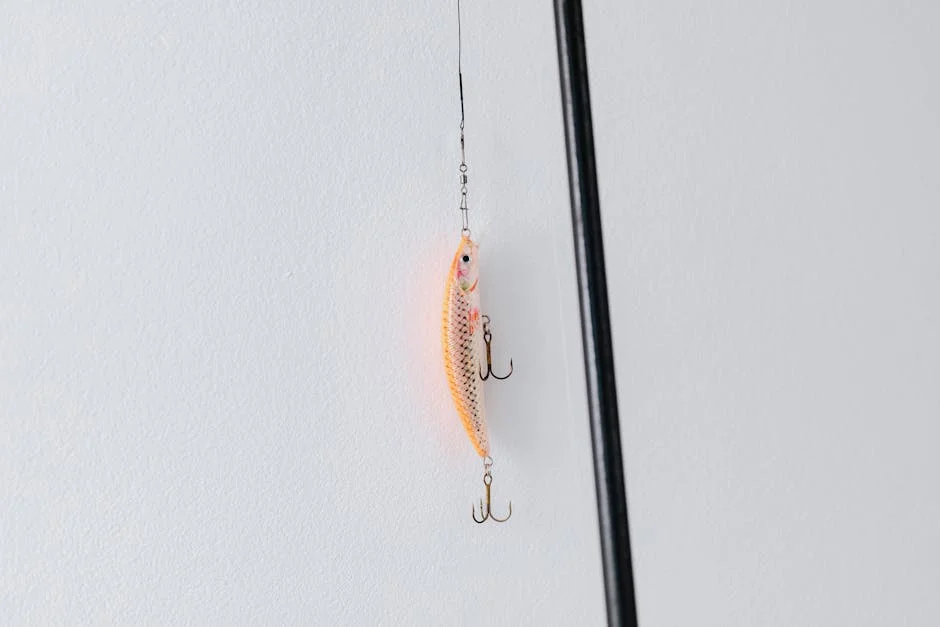
The taper profile of a fly line is one of those variables that most trout anglers never think about, until they start fishing pressured water and can’t figure out why they’re spooking fish that other anglers are catching. On technical tailwaters, the question of double taper vs weight forward is worth taking seriously. The answer depends on casting distance, target species, and how finicky the fish actually are.
Double-taper lines have a longer, softer front taper that turns over more quietly at short to medium distances. Weight-forward lines concentrate mass up front for distance and wind-cutting performance. Neither is universally correct, but on the right water, the difference is real and measurable in spook rate.
What to Look For in a Fly Line Taper Profile
Front Taper Length and Presentation
The front taper is the section of line that determines how gently, or abruptly, your fly lands on the water. A longer, thinner front taper decelerates the energy of the cast over more distance, which means the leader and fly turn over more softly. A short, aggressive front taper delivers energy quickly, useful for punching through wind, less useful on flat, pressured water where a loud turnover will put fish down.
Double-taper lines carry a long, symmetrical front taper by design. The energy transfer is gradual. On glassy tailwater pools where fish have seen thousands of casts, that softer touchdown is the margin between a refusal and a take. Weight-forward lines optimize the front taper for a different goal, maximum energy delivery at longer distances, and the tradeoff shows up at 30 to 40 feet on still, flat water.
Belly Profile and Casting Distance
The belly is the thickest, heaviest section of the line. In a weight-forward design, the belly is short and positioned close to the front taper, which loads the rod quickly and allows the angler to shoot running line for distance. In a double-taper, the belly runs most of the line’s length, with tapers on both ends, there is no running line to shoot.
For most anglers casting under 50 feet on a wadeable river, this distinction is largely academic. The practical casting range on a typical Colorado tailwater is 25 to 45 feet. Within that window, a DT and a WF perform comparably on roll casts and overhead presentations. Past 50 feet, or in sustained wind, the WF is noticeably easier to handle.
Line Reversibility and Long-Term Value
One genuinely underappreciated feature of double-taper lines is that they can be reversed when one end wears out. The front 20 to 30 feet of a fly line take the most abuse, cracking, UV degradation, and repeated contact with rod guides and the water surface. When that end deteriorates on a DT, you flip the line and start casting from the fresh end. A single DT effectively provides two usable line ends for the price of one.
Weight-forward lines don’t offer this. Once the front taper wears, the line is done. For anglers who fish often on abrasive water or leave lines rigged in the sun, the reversibility of a DT is a real cost advantage over time. Exploring the full range of trout line options in fly fishing gear makes it easier to see which taper design actually fits your fishing frequency and water type before committing.
Specialty Line Types and When Taper Doesn’t Apply
Some fishing situations use lines where the conventional DT-versus-WF framework doesn’t apply at all. Euro nymphing systems use level monofilament or very light running line with no conventional fly line weight. Tenkara fishing uses tapered monofilament or furled lines that load the rod through a completely different mechanical principle. Intermediate and sinking lines carry their own taper profiles optimized for sub-surface presentations at specific sink rates.
Knowing when you’ve moved outside the DT/WF question is as useful as knowing which of the two to choose within it. If subsurface fishing is a significant part of your season, a dedicated intermediate or sinking line is a separate purchase from your floating trout line, not a variation on the same taper decision.
Top Picks
Aventik Double Tapered Fly Fishing Line Sure Cast Tri-Tone Gentle Touch
The Aventik Double Tapered Fly Fishing Line Sure Cast Tri-Tone Gentle Touch Long Taped Delicate Presentation Floating Trout Line Welded Loops Line 85FT addresses the tailwater presentation problem at a mid-range price point. The tri-tone color coding, visible indicator section, transition zone, and running section, gives the angler a clear read on how much line is outside the rod tip. For those new to DT fishing who are learning to judge distance by feel, the visual cues are a practical training aid.
The long front taper lives up to the “delicate presentation” claim in the product name. Verified buyers on technical flat-water fisheries consistently report that the line turns over drys and small nymphs with noticeably less disturbance than standard WF lines in comparable weight classes. The welded loops at both ends are a practical upgrade over nail-knot connections, loop-to-loop leader attachment is faster to rig and easier to change in the field.
The 85-foot total length is slightly shorter than some DT options, which matters primarily at longer distances. Within the 25-to-45-foot range that covers most tailwater fishing, the line performs its core function well. Owner feedback does note that the coating’s durability is average, plan on regular cleaning and dressing to maintain the smooth surface finish that makes the soft turnover possible.
Check current price on Amazon.
Scientific Anglers Frequency - Double Taper Fly Line
The Scientific Anglers Frequency - Double Taper Fly Line is the more established option here, backed by SA’s long history in fly line design and a coating formula that holds up better in cold-water conditions than many budget alternatives. The Frequency series occupies the accessible end of SA’s lineup, not the top-tier Amplitude or Mastery lines, but built to the same taper geometry and coating standards.
On pressured tailwaters, the Frequency DT performs exactly as a well-spec’d double-taper should. The front taper length allows a soft, progressive turnover on dries down to size 20. Verified buyers fishing South Platte and similar technical rivers consistently note that the line doesn’t require the compensation casts that shorter-front-taper WF lines sometimes demand on tight, flat runs. The line straightens cleanly without over-delivering energy to the leader.
The reversibility is a genuine advantage with this line because the coating holds its slickness reliably after the flip. Some cheaper DT lines develop coating irregularities that affect the second end’s performance, SA’s coating process produces consistent quality across the full line length. For anglers who fish 40-plus days a year on technical water, that second usable end changes the long-term economics meaningfully.
Check current price on Amazon.
Tenkara USA, Fly Fishing Tapered Tenkara Lines
The Tenkara USA, Fly Fishing Tapered Tenkara Lines (Lengths - 9ft / 11ft / 13ft) occupies a completely different category from a conventional fly line, and that distinction is worth stating clearly. Tenkara uses a fixed-length tapered line attached directly to the rod tip, with no reel, no running line, and no conventional casting weight system. The taper is designed to transmit the energy of the rod’s flex into the leader and fly, not to carry the mass of a traditional fly line.
The availability in three lengths, 9, 11, and 13 feet, allows the angler to match line length to stream width. On tight mountain streams and pocket water, the 9-foot option keeps line management simple in dense cover. The 13-foot version suits wider runs where a longer reach is needed without moving position. Owner reports from small-stream and mountain lake applications indicate that the nylon construction provides consistent turnover in most moderate-wind conditions.
For anyone converting from conventional fly gear to tenkara, the learning curve involves unlearning as much as it involves learning. The casting stroke is shorter, more vertical, and relies on the rod’s action more directly than a conventional overhead cast. Daniel Galhardo at Tenkara USA has written and filmed extensively on technique, anyone starting with this system should go to that source rather than trying to adapt conventional casting instruction.
Check current price on Amazon.
Cortland 444 Intermediate Fly Line
The Cortland 444 Intermediate Fly Line is the product here that most clearly answers a different question from the DT-versus-WF comparison. An intermediate line sinks slowly, typically one to two inches per second, keeping the fly just subsurface without the pronounced bow that a floating line develops on moving water. On lakes, slow tailwater runs, and stillwater fisheries where fish are feeding just beneath the surface, this presentation is more effective than either a DT or WF floating line can provide.
The 444 series has been in the Cortland catalog long enough that owner feedback is extensive and consistent. The line’s slow sink rate is predictable, which matters when you’re trying to fish streamers or soft hackles at a specific depth. The intermediate density produces a straighter connection between rod tip and fly in currents that would put a belly in a floating line, strikes are easier to detect and hook-sets are more direct.
This is not the right purchase if you’re primarily a dry-fly angler trying to refine your surface presentation. Floating-line work and intermediate-line work are separate techniques for separate conditions. The Cortland 444 Intermediate belongs in the bag of an angler who already has a primary floating line and wants a dedicated option for subsurface work on stillwater or in conditions where a full floater is working against you.
Check current price on Amazon.
OPST Floating Tips
The OPST Floating Tips are a Spey and switch-rod product, compact floating running-line tips designed to be used with OPST Commando heads in two-handed or switch-rod swinging applications. They are not a conventional single-hand trout line, and placing them in a comparison framed around DT-versus-WF requires some context.
In Spey and switch-rod fishing, the “tip” is the interchangeable front section attached to the running head, it’s what determines whether your fly fishes at the surface, in the film, or at varying depths in the water column. The OPST Floating Tips keep the fly in or near the surface during the swing, which is the correct choice for situations where fish are responding to surface or near-surface presentations. Owner reports from Pacific Northwest swinging applications consistently cite clean loop turnover and reliable floating behavior in cold-water conditions.
For single-hand trout fishing on a standard 9-foot rod, these are not the relevant purchase. The application here is two-handed swinging on larger water, steelhead and salmon rivers where a Commando head system is already in use. For Spey content beyond what this article covers, April Vokey and Joel La Follette are the right resources, not this comparison.
Check current price on Amazon.
Buying Guide
Matching Taper to Fishing Distance
The single most practical question to ask before choosing a taper profile is: how far are you actually casting? If your typical presentation is 25 to 45 feet, which covers most wade fishing on rivers narrower than 60 feet, a double-taper and a weight-forward line perform nearly identically on the overhead cast. The DT’s advantage in that range is presentation softness, not any mechanical casting benefit.
Past 50 feet, or in sustained wind, weight-forward geometry loads the rod faster and allows the angler to shoot running line for additional distance. If you’re regularly fishing large rivers, lake edges, or stillwater where 60-plus-foot casts are routine, the WF is the practical choice. The DT’s longer belly makes distance casting work, it just requires more aerial line to load the rod properly.
Reading the Water Type
Flat, glassy tailwater runs are where the taper decision matters most. On broken pocket water and fast riffles, the surface disturbance from the current masks the difference between a gentle and an aggressive turnover, the fish aren’t watching the line land. On slow, clear, pressured flats where a fish has the time and visibility to inspect everything within its window, a softer turnover is the variable that separates refusals from takes.
If your home water is pocket water or faster freestone rivers, a weight-forward line in a well-matched taper profile, Rio Gold, SA Amplitude, Cortland 444 floating, will serve you well. If you’re fishing flat-water tailwaters with educated fish, the DT is worth the tradeoff in distance performance. Many anglers who fish both keep one of each rigged on separate reels and match to conditions on arrival.
Specialty Systems That Sit Outside This Framework
The fly fishing line options in this category include several systems that operate on different principles entirely. Euro nymphing lines are level monofilament or very light lines where the absence of fly-line mass is the whole point, the system detects strikes through direct feel, not through watching a floating indicator. Tenkara lines are tapered mono or furled materials designed for fixed-line fishing with no reel.
Intermediate and sinking lines serve stillwater and sub-surface river presentations where a floating line creates an unwanted belly. These are not variations on the DT/WF decision, they’re separate purchases for separate techniques. An angler building out a full line system over several seasons should plan for a primary floating line first, a DT or WF depending on water type, and then a dedicated intermediate or sinking option once the floating line work is dialed in.
Coating Quality and Long-Term Durability
Line coating affects how a fly line shoots through guides, floats on the surface, and holds up over seasons of fishing. A line with degraded coating develops cracks, becomes tacky in cold water, and loses its slickness, all of which affect casting performance and presentation. The difference between a mid-range line with a quality coating and a budget line is often most visible in year two, not on opening day.
Regular cleaning and dressing extends coating life significantly. A clean line shoots better, floats higher, and wears less on the guides. DT lines benefit most from this maintenance because the reversibility that doubles their functional lifespan depends on the second end’s coating remaining intact. A DT that’s been neglected often has degraded coating on the first end and degraded coating from UV and storage on the second, defeating the whole economic argument for the format.
Rod Action and Line Weight Matching
Line selection is only as good as the rod-and-line match it’s built on. A fast-action rod loads best with a heavier line or a line with a longer belly that generates more mass in the air. A moderate or slow-action rod loads with a shorter head and responds poorly to lines that require a lot of aerial line to flex. Casting a DT on a fast-action rod effectively means carrying more line in the air to reach the same loading point, some fast-action rod owners find the WF geometry more comfortable for exactly this reason.
The engineer’s instinct here is to treat rod and line as a system, not as independent variables. If the line isn’t loading the rod at your typical fishing distance, the problem may be the taper, the line weight, or the action match, and changing only one variable at a time is the reliable way to diagnose it.
Frequently Asked Questions
What is the practical difference between a double-taper and a weight-forward fly line for trout fishing?
A double-taper has a longer, symmetrical front taper that delivers energy to the fly more gradually, producing a softer presentation on the water. A weight-forward line concentrates mass toward the front, which loads the rod faster and makes distance casting and wind-cutting easier. For most trout fishing under 45 feet, the difference is primarily about presentation softness, not casting mechanics. On pressured flat-water fisheries, a double-taper’s quieter turnover is measurable in reduced spook rate.
Can a double-taper line really be reversed, and does it actually matter?
Yes, a DT line is identical at both ends, so when the front taper develops coating cracks or deteriorates from use, you reverse the line on the reel and cast from the fresh end. It genuinely matters if you fish frequently, particularly on abrasive tailwaters or in UV-heavy environments. A mid-range DT from a manufacturer with consistent coating quality, like the Scientific Anglers Frequency Double Taper, gives you two usable line ends for the economics of one purchase.
Is the Cortland 444 Intermediate a substitute for a floating double-taper, or a separate purchase?
It’s a separate purchase for a different technique. An intermediate line sinks slowly beneath the surface, it’s designed for stillwater presentations, swung soft hackles just below the film, or situations where a floating line creates too much belly in moving water. If dry-fly fishing or standard nymphing with a floating line is your primary technique, the Cortland 444 Intermediate is a supplemental line, not a replacement. Build your floating line system first, then add an intermediate once you’re fishing conditions where a floater works against you.
Is a tenkara line a type of fly line, or is it a different system entirely?
A tenkara line is a different system. Conventional fly lines use mass to load the rod and carry the fly, the weight of the line is what the angler is casting. Tenkara uses a fixed-length tapered monofilament or furled line attached directly to the tip of a long, flexible rod, with no reel and no shooting head. The Tenkara USA Tapered Lines are designed specifically for this fixed-line system.
When does line taper matter less than other variables, fly choice, leader length, cast angle?
On fast, broken pocket water, line taper matters very little, the surface turbulence masks the difference between a hard and a soft turnover. Fly choice, drift quality, and reading which current seam holds fish are all higher-priority variables in that environment. Taper becomes the critical variable on slow, clear, pressured water, flat tailwater pools, spring creeks, and still stretches, where fish have the time and visibility to react to disturbance. On the South Platte through Cheesman Canyon, it matters.
Where to Buy
Aventik Double Tapered Fly Fishing Line Sure Cast Tri-Tone Gentle Touch Long Taped Delicate Presentation Floating Trout Line Welded Loops Line 85FTSee Aventik Double Tapered Fly Fishing Li… on Amazon