Bighorn River Fly Fishing: Technical Guide for Montana Trout

Affiliate disclosure: Some links on this page are affiliate links. If you buy through them we earn a small commission at no extra cost to you. Recommendations are research-driven; we don't claim personal use of every product reviewed. Product prices and availability are accurate as of the date published and are subject to change. Always check Amazon for current pricing before purchasing. Learn more.
Quick Picks
6 Pack Sex Dungeon Bighorn Articulated Streamer Size 4 for Fishing- Strike Fly Company
Buy on Amazon| Product | Price Range | Top Strength | Key Weakness | Buy |
|---|---|---|---|---|
| Fly Fishing the Bighorn River also consider | $$ | Buy on Amazon | ||
| Fly Fishing the Bighorn River also consider | $$ | Buy on Amazon | ||
| 6 Pack Sex Dungeon Bighorn Articulated Streamer Size 4 for Fishing- Strike Fly Company also consider | $$ | Buy on Amazon |
The Bighorn River in south-central Montana sits in a different category from most trout fisheries in the American West. Below Yellowtail Dam, the water runs cold, clear, and consistent year-round, producing brown and rainbow trout densities that make even experienced anglers stop and stare at a fish finder. It is technical water that punishes lazy presentations and rewards anglers who have done their homework.
Six years of October trips have shaped how I think about this river. The Bighorn is my measuring stick. If a fly and a presentation work here, with guide boats going past and fish that have seen every pattern in the book, that combination works anywhere.
What Makes the Bighorn Different
The Bighorn is a tailwater in the truest sense. Yellowtail Dam releases water from depth, which means the river stays cold in summer and relatively warm in winter. That thermal consistency drives the biology: midges year-round, reliable Blue-Winged Olive hatches in spring and fall, and Pale Morning Duns through summer. The fish population reflects that food abundance. Brown and rainbow trout in the 14-to-22-inch range are not unusual catches; 24-inch-plus fish are around but genuinely hard to land.
That consistency is also what makes the Bighorn humbling. You can identify the hatch, match the pattern, and still get refused all afternoon. After six October trips, I have had my best days on size 22 midges in the late afternoon when the hatch comes off and my worst days standing in the same water wondering what I missed. The skunked days on the Bighorn have taught me more than easy days on less-pressured freestone streams ever could.
For context on how I think about this water alongside other Western destinations, see the Waters and Destinations hub for broader regional coverage. The Bighorn belongs in a different mental category than a freestone river, and that framing matters before you book a trip or pick a fly.
Understanding Tailwater vs. Freestone Thinking
This is worth stating plainly because I see anglers make this mistake regularly. Tailwaters reward precision. Freestone streams reward mobility and confidence with attractor patterns.
On the Bighorn, you are often targeting fish that have seen thousands of presentations. They are not eating because they are hungry and reactive. They are eating because a specific fly at a specific depth with a specific drift looked exactly right. That means your tippet selection, fly size, and indicator placement (or euro nymph leader setup) all matter more than they do on a freestone stream.
Anglers who fish primarily tailwaters sometimes struggle when they hit the Madison or the freestone sections of the Arkansas because they over-think the hatch match when the fish just want a visible elk hair caddis in the right lane. I fish both, and I am a better angler for it. The Bighorn demands that I sharpen everything.
Where to Focus on the River
The Bighorn is floated more than waded, and most of the productive water is accessible by drift boat or raft. The 13-mile stretch from Afterbay Dam down to Two Leggins is the heart of the fishery. Fort Smith, just below Afterbay, is the launch point for most guided trips and the location of the local fly shops that will give you the most current hatch information.
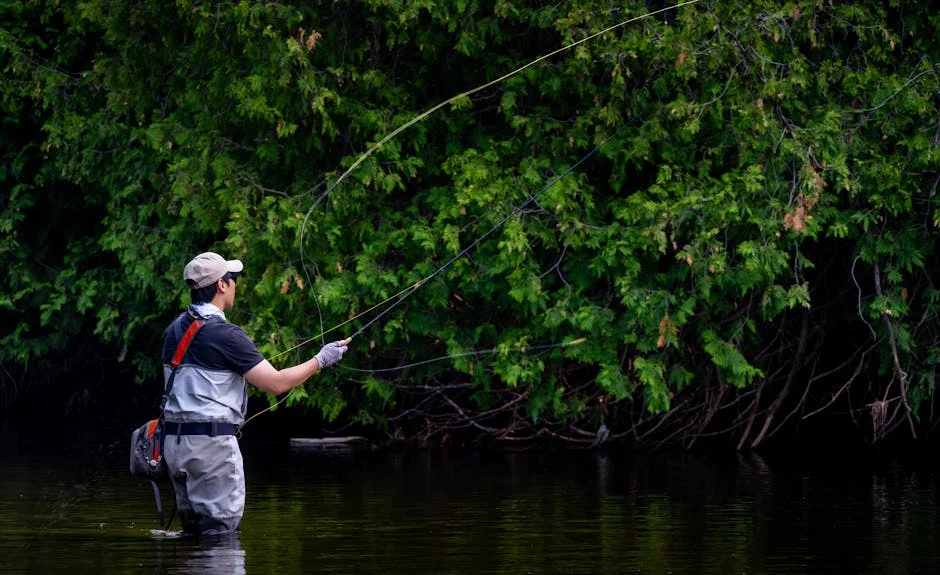
Wading access exists at several points, including near Afterbay and at various public access sites downstream. I wade fish when I visit, usually working the edges of the main channel and the softer seams along banks. Drift boat anglers cover far more water and consistently see more fish, but wading forces you to slow down and read the water closely, which is its own kind of education.
If you are making a first trip, hiring a guide for at least one day is worthwhile. The guides on the Bighorn know which runs are holding fish in current conditions, and the investment pays back in time saved on a three-or-four day trip. Frank at Ark Anglers has connected me with solid guide recommendations for Montana water more than once.
Flies for the Bighorn
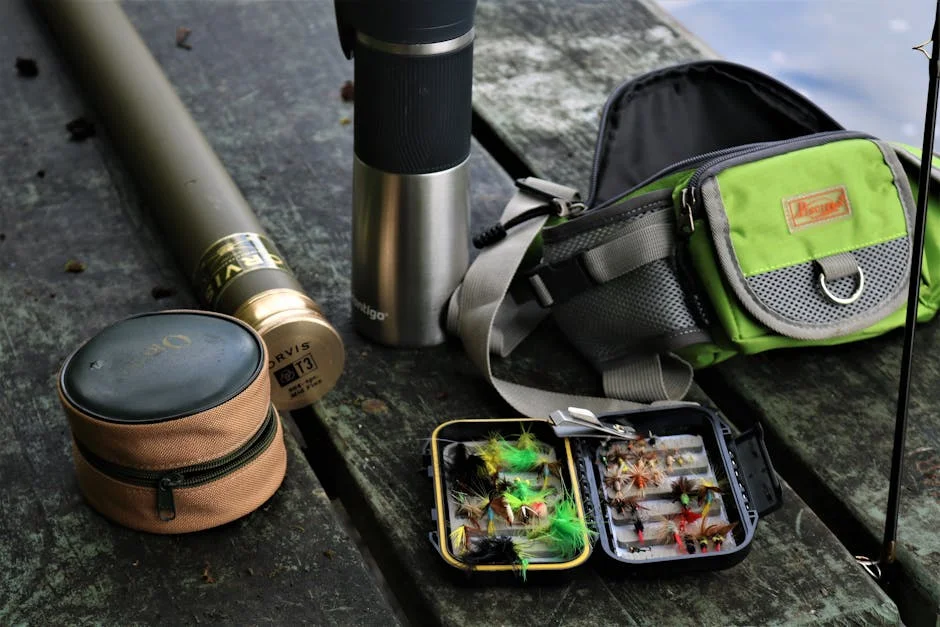
Small flies, precise presentations, and a willingness to change. That is the Bighorn formula. Size 20-22 midges in standard patterns (Zebra Midge, Mercury Midge, RS2) cover the core nymph fishing. During Blue-Winged Olive hatches, a size 18-20 Parachute Adams or Sparkle Dun on a light tippet does the work. PMDs in summer call for similar presentations.
Streamers are a different conversation. The Bighorn holds some large brown trout that will eat aggressively, especially in fall during pre-spawn activity and in overcast, higher-water conditions. Articulated patterns that produce movement and profile attract reaction strikes from fish that will not touch a size 22 midge under any circumstances. The streamer game on the Bighorn is a specialist skill and worth exploring if you have time on the water.
Top Picks for Bighorn River Anglers
Fly Fishing the Bighorn River
Fly Fishing the Bighorn River is one of the foundational planning resources for this fishery. Verified buyers consistently note that it covers the hatch chart detail and access logistics that first-timers need most. The river’s geography, from Afterbay down through the productive lower sections, is laid out in a way that helps anglers who have never seen the water understand where to focus.
Owner reviews highlight the hatch timing information as particularly useful. For a tailwater fishery this dependent on matching specific hatches at specific times of year, having a reference that breaks down what is coming off the water in October versus March versus July is genuinely practical. Field reports from the broader Bighorn fishing community confirm that the access point information holds up on the ground.
The book is in the mid price range for fly fishing reference material, which is fair for the depth of coverage it provides. For a first or second trip to the Bighorn, this belongs in your kit.
Check current price on Amazon.
Fly Fishing the Bighorn River (Digital Edition)
Fly Fishing the Bighorn River is the digital version of the same essential Bighorn reference. Verified buyers note that having the content accessible on a phone or tablet while on the water is a practical advantage. You can pull up the hatch chart at the truck before a wade session without digging through a pack.
Owner reviews for the digital edition track closely with the print version in terms of content quality. The format advantage is access speed. Anglers who travel light and prefer not to carry paper reference material consistently rate the digital edition as the more convenient choice for the same core information.
For anglers who already own the print edition, the overlap in content may not justify adding the digital version unless portability is a specific need. For first-time buyers, the decision largely comes down to how you prefer to reference material in the field.
Check current price on Amazon.
6 Pack Sex Dungeon Bighorn Articulated Streamer Size 4 for Fishing, Strike Fly Company
The 6 Pack Sex Dungeon Bighorn Articulated Streamer Size 4 from Strike Fly Company addresses the streamer side of the Bighorn equation directly. The Sex Dungeon is a well-established articulated pattern with a long track record on brown trout fisheries. The Bighorn-specific version in size 4 is calibrated for the river’s conditions, particularly the fall streamer fishing that targets larger browns.
Verified buyers report solid hook quality and durable materials that hold up through repeated use. Field reports from October streamer anglers on the Bighorn indicate the pattern produces on overcast days and in higher, off-color water conditions. Owner reviews note that the six-pack quantity makes sense for articulated streamers, which take more abuse per fish than small nymph patterns and need replacement over the course of a multi-day trip.
The mid price band for this six-pack is reasonable given the construction complexity of articulated streamers. Tying articulated patterns yourself is achievable on a Norvise with some practice, but buying quality production flies for a specific trip is a sensible call, especially if streamers are not your primary technique.
Check current price on Amazon.
Buying Guide: Planning a Bighorn River Trip
Know the Season You Are Fishing
The Bighorn fishes year-round, and each season has a different character. Spring brings Blue-Winged Olive hatches and sometimes higher flows from runoff upstream, though the tailwater buffers most flow variability. Summer PMD hatches are excellent but crowds peak in July and August. Fall, particularly September and October, combines BWO activity with pre-spawn brown trout behavior and some of the best streamer fishing of the year. Winter midge fishing is productive but demands cold-weather preparation.
Choosing your season shapes every other decision: what flies to carry, what line setup to prioritize, and whether you are primarily nymphing, dry fly fishing, or throwing streamers. The Bighorn’s guides in Fort Smith can tell you the current conditions precisely. Call a local shop before you finalize dates.
Gear for a Tailwater This Technical
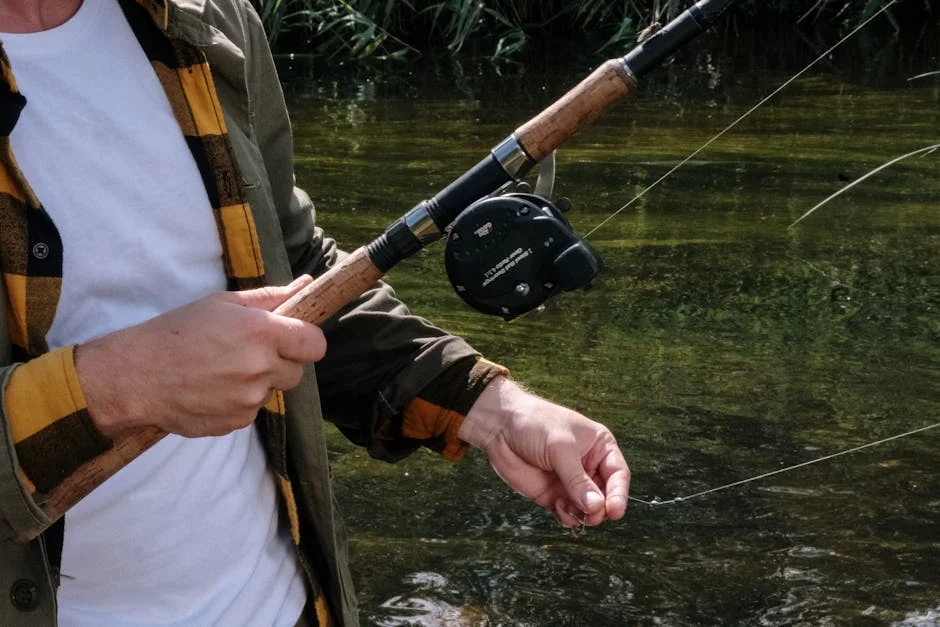
The Bighorn rewards a 9-foot 5-weight for most applications, a 4-weight if you are fishing small dries on light tippet, and a 6-weight if streamers are the primary goal. Euro nymphing is highly effective on the wading sections, and a dedicated euro nymph rod in the 10-to-11-foot range gives you the reach and sensitivity for detecting subtle strikes in slower tailwater seams.
Tippet selection matters more here than on most water I fish. Going down to 6X or even 7X fluorocarbon for dry flies to educated fish is not unusual. Strong, fine fluorocarbon tippet is worth investing in rather than economizing. For more context on how tailwater gear decisions compare across Western destinations, the Waters and Destinations section covers a range of fisheries where these tradeoffs come up repeatedly.
Access and Float Planning
The Bighorn is primarily a float fishery by design and by regulation in some areas. Most visiting anglers arrange a drift boat trip with a guide service out of Fort Smith. Public access for wading exists but is more limited than on a freestone stream with open-bank access throughout.
Understanding the access map before you arrive is worth the time. The Bureau of Land Management manages public access along much of the river corridor, and the boundaries are clear but require attention. Trespassing disputes on this river have a history, so confirming where you can wade is not optional. A local guide or fly shop can give you current access information.
Reading the Water on a Tailwater vs. Freestone
Tailwater trout position differently than freestone fish in some important ways. Consistent temperature and flow mean that fish are not moving as aggressively to find comfortable lies. They tend to hold in feeding lanes with reliable food delivery. Seams along the main channel, soft edges adjacent to faster water, and shallow flats over weed beds are the primary targets on the Bighorn.
The instinct to cover lots of water quickly, which serves well on freestone streams, works against you here. Slowing down, watching the water for rising fish or visible nymphing activity, and presenting carefully to a specific lane is the better approach. Anglers who fish primarily freestone water sometimes burn too much energy moving and not enough time fishing water they are already standing in.
Reference Materials and Local Knowledge
No article or book fully replaces current local intelligence, but having a solid reference before you arrive shortens the learning curve meaningfully. The guide books available for the Bighorn cover access logistics, seasonal hatch timing, and productive fly patterns with enough specificity to be genuinely useful rather than generically instructive.
Pair a good reference book with a call to a Fort Smith shop before you leave home. Ask what has been working in the last two weeks, what the flows are doing, and whether any sections are fishing unusually well or poorly. That combination of prepared background knowledge and current on-the-ground information is how experienced anglers approach a new river efficiently.
Closing Thoughts
Six October trips have not made me an expert on the Bighorn. They have made me a student who keeps showing up. Every trip produces a day that makes complete sense and a day that leaves me puzzled, and both are worth the drive from Salida.
The Bighorn belongs on the short list of American trout rivers that genuinely teach you something about fishing precision. If you are planning a first visit, do your reading, call a local shop, hire a guide for at least a day, and bring flies in sizes smaller than you think you need. The fish will sort out the rest.
For more destination coverage across the West and beyond, see the full fly fishing waters and destinations guide.
Frequently Asked Questions
What is the best time of year to fly fish the Bighorn River?
Fall, specifically September and October, is widely considered the prime window by experienced anglers. Blue-Winged Olive hatches overlap with pre-spawn brown trout activity, and streamer fishing for large browns is at its seasonal peak. Summer offers excellent PMD hatches but higher angling pressure. Winter midge fishing produces fish but requires commitment to cold conditions and appropriate gear.
Do I need a guide to fish the Bighorn River effectively?
You do not need a guide, but hiring one for at least one day on your first visit is strongly recommended by the majority of verified visitors. The river’s access map is complex, and guide knowledge of current conditions, productive runs, and hatch activity compresses the learning curve significantly. Wading access without a boat is limited, so understanding the layout before you wade is genuinely important.
What fly rod setup works best on the Bighorn?
A 9-foot 5-weight covers most situations, with a 4-weight preferred for technical dry fly presentations on light tippet. Anglers targeting large browns on streamers benefit from a 6-weight with a streamer-specific line. Euro nymphing setups in the 10-to-11-foot range work well for wading anglers on slower seams. Tippet should be fluorocarbon and finer than you might expect, with 6X or 7X common for educated rising fish.
Can you wade fish the Bighorn, or is it strictly a float fishery?
Both approaches work, but the river is primarily set up for float fishing. Drift boat trips from Fort Smith cover the most productive water and are the most common approach for visiting anglers. Public wading access exists at several BLM access points, including near Afterbay Dam. Wading anglers should confirm current access boundaries with a local shop before fishing, as the access situation requires attention to stay on public ground.
What flies should I prioritize for a Bighorn River trip?
Midges in sizes 20-22 are the year-round foundation. Zebra Midges, Mercury Midges, and RS2 patterns cover the core nymph fishing across seasons. Blue-Winged Olive patterns in sizes 18-20 are essential for spring and fall dry fly fishing. PMDs in similar sizes matter through summer.
Where to Buy
Fly Fishing the Bighorn RiverSee Fly Fishing the Bighorn River on Amazon