Cheesman Canyon Fly Fishing: A Colorado Tailwater Guide

Affiliate disclosure: Some links on this page are affiliate links. If you buy through them we earn a small commission at no extra cost to you. Recommendations are research-driven; we don't claim personal use of every product reviewed. Product prices and availability are accurate as of the date published and are subject to change. Always check Amazon for current pricing before purchasing. Learn more.
Quick Picks
| Product | Price Range | Top Strength | Key Weakness | Buy |
|---|---|---|---|---|
| Cheesman Canyon Colorado Fly Fishing T-Shirt also consider | $$ | Buy on Amazon | ||
| Fly Fishing Cheesman Canyon on the South Platte River also consider | $$ | Buy on Amazon | ||
| Fish Before You Fly Denver's Cheesman Canyon also consider | $$ | Buy on Amazon |
Cheesman Canyon is where I learned to fly fish. A coworker drove me down from Denver in the spring of 2004, handed me a 5-weight, and pointed at the South Platte. Twenty years later, I still make the drive from Salida three or four times a year. It’s the water I’ve fished more than any other, and it remains the reference point I use for almost every technical assessment I write.
This is a place that will humble you and reward you in the same afternoon. If you’re planning a trip or deepening your knowledge of Colorado tailwater fishing, the Waters & Destinations hub has context on comparable fisheries. What follows is everything I know about Cheesman Canyon fly fishing, built from two decades on that water.
What Makes Cheesman Canyon Unique
Cheesman Canyon sits on the South Platte River roughly 50 miles southwest of Denver, below Cheesman Reservoir in Douglas and Jefferson Counties. The reservoir acts as the temperature and flow regulator that defines all tailwater fishing. Water temperatures in Cheesman stay cool through summer, rarely pushing trout out of feeding windows, and cold enough in winter that fish remain active year-round. That consistency is the first thing any angler needs to understand about this stretch.
The fish are wild, many of them brown trout measuring well into the high teens and low twenties in length. Rainbow trout are present as well, and the larger specimens have been in this system long enough to have PhD-level selectivity about what they’ll eat. Owner accounts from anglers who fish Cheesman regularly describe fish that will drift downstream to inspect a fly, follow it for several feet, and refuse it cleanly before returning to their feeding lane. That behavior is not exaggeration. It reflects years of catch-and-release pressure on a system with excellent water quality and food supply.
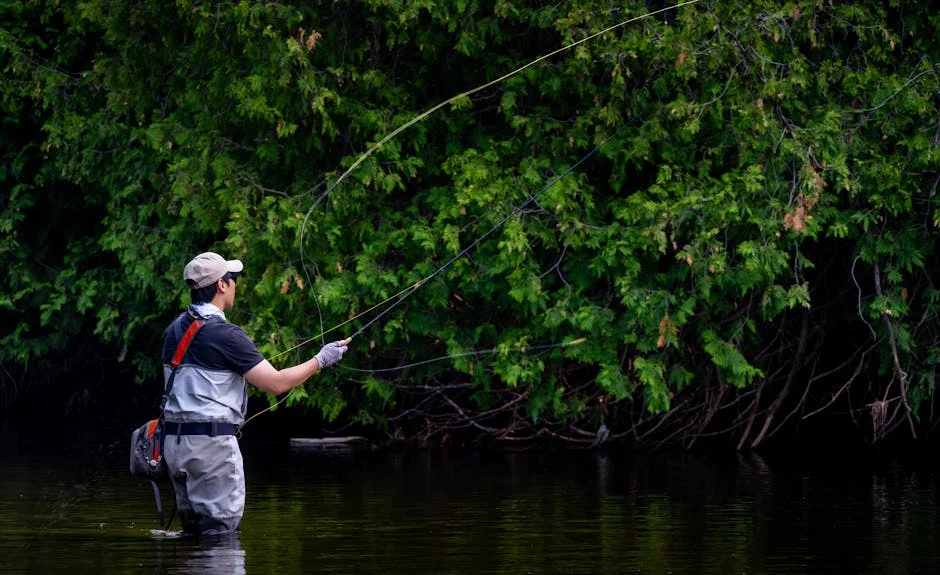
What separates Cheesman from other Colorado tailwaters, including Eleven Mile Canyon just upstream, is the canyon terrain itself. The trail follows the river on a single-track path with significant exposure in spots, steep canyon walls, and pocket water that requires careful wading. This is not a beginner’s wade. The rocks are slick, the current varies, and reading the micro-structure requires patience. That said, the canyon rewards the effort. You will find pools, riffles, and seams that look designed for fly fishing because, in a sense, the geology of the canyon created perfect habitat over thousands of years.
The Hatches You Need to Know
Tailwaters and freestone rivers require different mental frameworks, not just different gear. Freestone streams reward mobility and attractor patterns. Tailwaters reward pattern specificity and presentation precision. Cheesman is one of the more demanding tailwaters in the state because the fish have seen everything.
Midges Year-Round
Midges are the backbone of Cheesman Canyon fly fishing. In winter especially, they’re often the only hatch happening, and the fish key on them hard. Size 22 to 26 midge larvae, pupae, and adults will cover most situations. Zebra Midges, Jujubaetis, Brassies, and Mercury Midges are reliable patterns. What matters more than the specific pattern is presentation: drag-free drifts in the correct feeding lane, with tippet that doesn’t alarm fish in clear low-gradient water. Field reports from anglers fishing Cheesman in January and February consistently note that switching from 5X to 6X tippet makes a measurable difference in refusals.
Blue-Winged Olives in Spring and Fall
BWO hatches at Cheesman are among the best in Colorado. They emerge best on overcast, slightly cool days in late March through May and again in September and October. Size 20 to 22 Parachute Adams, Sparkle Duns, and CDC emergers will produce during a good hatch. Anglers who’ve fished the September BWO emergence at Cheesman describe fish rising in methodical rhythms, sipping emergers just under the film. This is dry fly fishing at its most technical, and it’s worth planning a trip specifically around a forecast that calls for overcast skies and temperatures in the 50s.
The July PMD Hatch
The Pale Morning Dun hatch in July is the best fishing of the year on this stretch. It typically runs from late morning into early afternoon. PMDs in sizes 16 to 18, both duns and cripples, will move fish that haven’t risen to a dry fly in months. The cripple pattern is critical. Verified buyer accounts of guides working this water in July note that fish feeding during the PMD hatch are more forgiving of leader diameter than during midge season, which opens up 5X options for anglers who struggle presenting ultra-fine tippet.
How to Approach the Water
Accessing the Canyon
The primary access is via the Gill Trail, which runs along the river. Parking at the Wigwam Club area is limited, and the lot fills early on summer weekends. A weekday visit is worth scheduling if possible. The trail drops into the canyon and follows the river for several miles. Most anglers fish the lower canyon water nearest the trailhead, which means upper canyon sections see significantly less pressure.
The Wigwam Club section is private, and the boundary is clearly marked. Staying on public water requires paying attention to posted signs. Field reports consistently note that first-time visitors should download a current map before the trip and confirm access conditions with a local fly shop, since flows and seasonal conditions affect which sections are most productive at any given time.
Reading the Water
Cheesman Canyon water reads differently than freestone structure. The South Platte here has consistent flows, which means the feeding lanes don’t move much day to day. Fish establish positions and hold them for long periods. Look for trout stacked in seams behind mid-channel boulders, in the soft water along cut banks, and in the tailouts of pools where slower current concentrates emerging insects.
One thing that took me years to figure out on Cheesman: fish that appear to be rising are not always eating surface flies. A fish flashing in the water column is likely eating emergers or pupae just below the surface, not adult insects on top. Euro nymphing techniques work well here, particularly with a tight line setup that lets you feel hesitations in a drift that a strike indicator would miss.
Gear Considerations for Cheesman
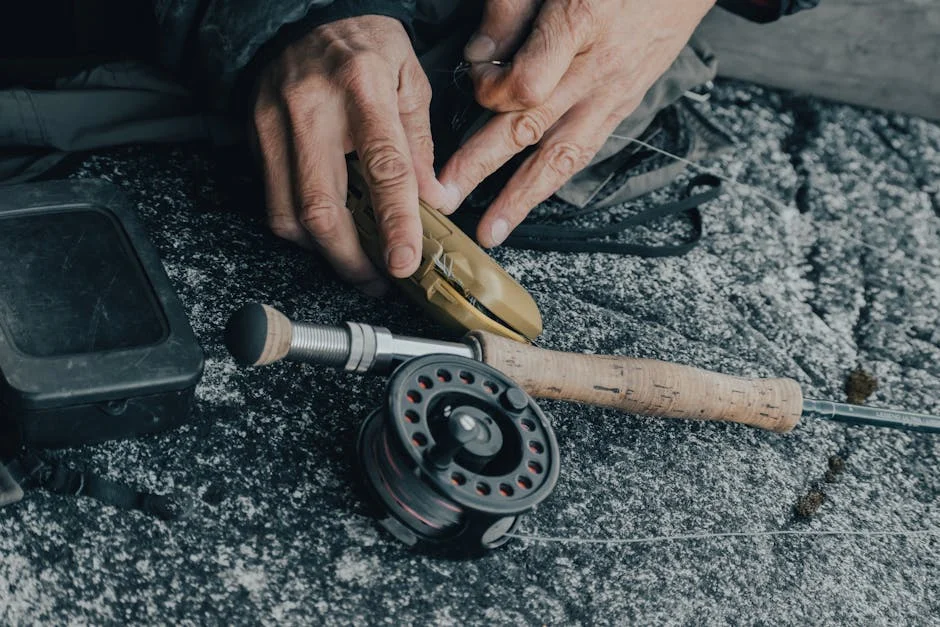
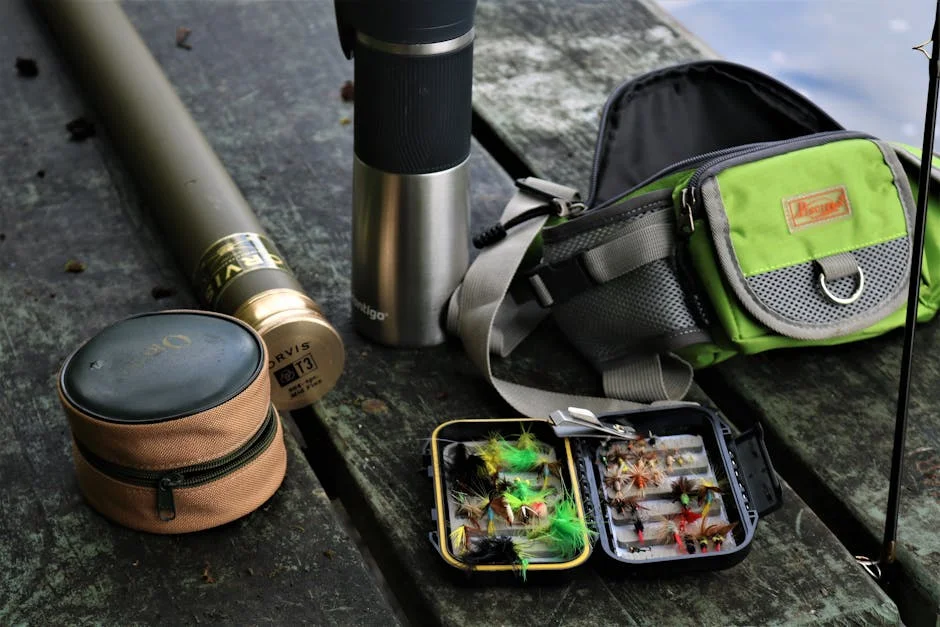
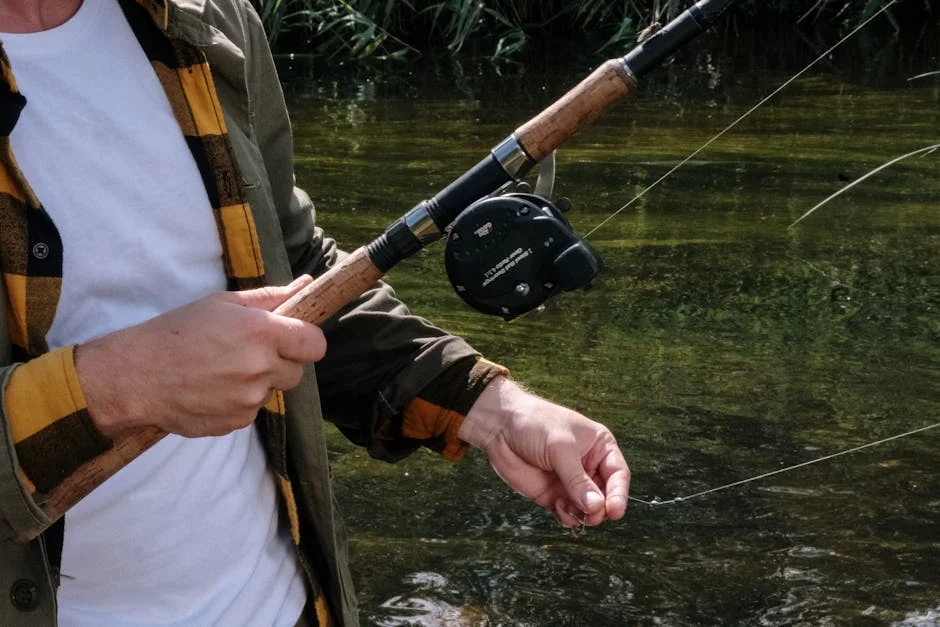
A 9-foot 5-weight is the standard choice for this water, and the Rio Gold or a comparable weight-forward line handles most situations. For euro nymphing, a 10-foot 3-weight with a competition-style line gives you the reach and sensitivity that slow-current tailwater nymphing demands. The clear, low water conditions at Cheesman put a premium on long leaders, accurate casting, and light tippet. A 12-foot 5X leader going to 6X tippet is a reasonable starting point for midge fishing.
Wading demands attention. Studs on wading boots are not optional on Cheesman’s algae-covered rocks. A wading staff is worth carrying if you’re pushing deeper to reach fish on the far bank. Costa or comparable polarized lenses will show you fish that you’d walk right past without them.
Top Picks for Cheesman Canyon Fly Fishing
Whether you’re preparing for your first trip or deepening your connection to this fishery, the right resources make a real difference. Here are three picks worth considering.
Fly Fishing Cheesman Canyon on the South Platte River
Fly Fishing Cheesman Canyon on the South Platte River is one of the more useful single-destination fishing resources covering this stretch. Spec data from the listing describes a guide-style format covering the river’s sections, hatch calendars, and fly selection frameworks. Owner reviews note that the hatch timing information aligns well with what experienced local anglers observe, particularly around the BWO and PMD windows. Verified buyers who have fished Cheesman multiple times describe it as a solid reference for understanding why this fishery behaves differently than typical Front Range water. For anglers approaching Cheesman’s technical demands seriously, a resource that covers the specific structure and insect life of this particular canyon is worth having before the first visit.
Check current price on Amazon.
Fish Before You Fly Denver’s Cheesman Canyon
Fish Before You Fly Denver’s Cheesman Canyon is formatted as a travel-oriented guide for anglers who are passing through Denver and want to make the most of proximity to one of Colorado’s premier tailwaters. Owner reviews describe practical information on access logistics, timing, and fly selection compressed into a format that’s useful for trip planning rather than technical deep study. Verified buyers note it works well alongside other resources as a quick-reference orientation to the canyon’s character. Field reports from the angling community suggest this is particularly useful for out-of-state visitors who may not have context for Colorado tailwater conditions and want a starting point before speaking with a local shop.
Check current price on Amazon.
Cheesman Canyon Colorado Fly Fishing T-Shirt
The Cheesman Canyon Colorado Fly Fishing T-Shirt is exactly what it sounds like: a mid-range apparel item for anglers who want to carry a piece of this fishery’s identity. Owner reviews highlight the design and print quality, and verified buyers note it runs true to size. There’s a reasonable argument that representing a specific piece of water you love has its own value, particularly for a canyon with the kind of reputation Cheesman carries among Colorado fly fishers. If you’ve put years into learning this stretch, wearing that on a shirt is a reasonable choice.
Check current price on Amazon.
Planning Your Cheesman Canyon Trip
Best Times to Visit
Spring and fall are peak seasons for technical dry fly opportunities, with BWO hatches from late March through May and again in September and October. Summer brings the PMD hatch in July and consistent midge activity throughout. Winter fishing is viable for anglers comfortable in cold conditions, with midges as the primary food source and surprisingly active fish on days when afternoon temperatures moderate slightly.
Weekdays dramatically reduce pressure compared to weekends. The canyon’s proximity to the Denver metro means that Saturday mornings in summer can see significant angler traffic on the lower sections. Verified buyer reports and field reports from the local fly fishing community consistently recommend arriving at the parking area by first light on weekends to secure a spot and access the better water before it’s covered.
Fly Selection Priorities
Build your Cheesman box around midges first. Zebra Midges, RS2s, Mercury Midges, and Brassies in sizes 22 to 26 cover most situations year-round. Add BWO patterns in sizes 20 to 22, including emergers and cripples for the film-feeding fish that respond poorly to high-floating duns. PMD duns and cripples in sizes 16 to 18 round out the dry fly selection for July. A few Pheasant Tail nymphs and Hare’s Ear variants in sizes 16 to 18 handle attractor nymphing on days when nothing specific is happening.
The pattern specificity required at Cheesman is one reason I use this water as a reference point when assessing how demanding a tailwater is. If a fly pattern and presentation works consistently at Cheesman, it’s road-tested against some of the most selective trout in Colorado.
Local Resources and Ethics
Stopping at a local shop before fishing Cheesman is not optional, in my opinion. Conditions change. Flows from the reservoir shift seasonally and in response to drought or wet years. Water clarity varies. A quick conversation will tell you what’s been working in the last week, which is more useful than any general resource can provide. Ark Anglers in Salida has context on the South Platte system, and there are shops closer to the canyon that specialize in this specific stretch.
Leave-no-trace ethics matter on this water. The single-track trail through the canyon means that bank pressure is concentrated, and bank erosion is visible in sections that see heavy foot traffic. Staying on the trail, minimizing bank disturbance when approaching fish, and practicing proper catch-and-release techniques keeps this fishery productive for the next generation of anglers. For more Colorado and regional water profiles, the Waters & Destinations hub covers additional fisheries worth adding to your planning list.
Frequently Asked Questions
What flies work best for Cheesman Canyon fly fishing?
Midges are the year-round foundation at Cheesman Canyon. Zebra Midges, RS2s, and Mercury Midges in sizes 22 to 26 cover most situations. Blue-Winged Olive patterns in sizes 20 to 22 are critical during spring and fall hatches, with emerger and cripple patterns often outperforming standard duns. The July PMD hatch produces excellent dry fly fishing with size 16 to 18 patterns.
Is Cheesman Canyon difficult to wade?
Yes, Cheesman Canyon is considered intermediate to advanced wading terrain. The river bottom consists of smooth, algae-covered rocks that become extremely slippery, particularly in summer. Studded wading boots are strongly recommended by experienced anglers and local guides who work this water regularly. A wading staff adds meaningful stability when crossing to reach fish on the far bank.
When is the best time of year to fish Cheesman Canyon?
Fall and spring offer the most reliable dry fly opportunities, timed around Blue-Winged Olive hatches from late March through May and again in September and October. July is excellent for the PMD hatch. Winter fishing is productive for anglers willing to handle cold conditions, as midge hatches keep fish feeding year-round. Weekday visits reduce angling pressure significantly, which matters on a stretch this close to Denver’s population center.
How do I access Cheesman Canyon?
The primary public access is via the Gill Trail, which begins at a parking area off South Platte Road in Douglas County. Parking is limited and fills quickly on weekends, so early arrival is important. The Wigwam Club section is private water with clearly posted boundaries that must be respected. Confirming current access conditions and parking logistics with a local fly shop before your trip is the most reliable way to avoid surprises.
What tippet size should I use at Cheesman Canyon?
Most experienced anglers fish 6X tippet as a baseline for midge presentations, and some drop to 6.5X or 7X in low, clear conditions or when fish are particularly selective. Field reports from anglers fishing Cheesman consistently note that switching from 5X to 6X reduces refusals meaningfully during midge season. During the PMD hatch in July, 5X is generally sufficient because fish are feeding more aggressively. Leader length of 12 feet or longer helps reduce line shadow and disturbance over pressured fish.
<script type="application/ld+json">
{
 "@context": "https://schema.org",
 "@type": "FAQPage",
 "mainEntity": [
 {
 "@type": "Question",
 "name": "What flies work best for Cheesman Canyon fly fishing?",
 "acceptedAnswer": {
 "@type": "Answer",
 "text": "Midges are the year-round foundation at Cheesman Canyon. Zebra Midges, RS2s, and Mercury Midges in sizes 22 to 26 cover most situations. Blue-Winged Olive patterns in sizes 20 to 22 are critical during spring and fall hatches, with emerger and cripple patterns often outperforming standard duns. The July PMD hatch produces excellent dry fly fishing with size 16 to 18 patterns. Matching specific stages of the hatch, particularly emergers in the film, matters more at Cheesman than at most Colorado rivers."
 }
 },
 {
 "@type": "Question",
 "name": "Is Cheesman Canyon difficult to wade?",
 "acceptedAnswer": {
 "@type": "Answer",
 "text": "Yes, Cheesman Canyon is considered intermediate to advanced wading terrain. The river bottom consists of smooth, algae-covered rocks that become extremely slippery, particularly in summer. Studded wading boots are strongly recommended by experienced anglers and local guides who work this water regularly. A wading staff adds meaningful stability when crossing to reach fish on the far bank. Beginners should stay on shallower near-bank water and avoid crossing in faster sections until they're comfortable with the footing."
 }
 },
 {
 "@type": "Question",
 "name": "When is the best time of year to fish Cheesman Canyon?",
 "acceptedAnswer": {
 "@type": "Answer",
 "text": "Fall and spring offer the most reliable dry fly opportunities, timed around Blue-Winged Olive hatches from late March through May and again in September and October. July is excellent for the PMD hatch. Winter fishing is productive for anglers willing to handle cold conditions, as midge hatches keep fish feeding year-round. Weekday visits reduce angling pressure significantly, which matters on a stretch this close to Denver's population center."
 }
 },
 {
 "@type": "Question",
 "name": "How do I access Cheesman Canyon?",
 "acceptedAnswer": {
 "@type": "Answer",
 "text": "The primary public access is via the Gill Trail, which begins at a parking area off South Platte Road in Douglas County. Parking is limited and fills quickly on weekends, so early arrival is important. The Wigwam Club section is private water with clearly posted boundaries that must be respected. Confirming current access conditions and parking logistics with a local fly shop before your trip is the most reliable way to avoid surprises."
 }
 },
 {
 "@type": "Question",
 "name": "What tippet size should I use at Cheesman Canyon?",
 "acceptedAnswer": {
 "@type": "Answer",
 "text": "Most experienced anglers fish 6X tippet as a baseline for midge presentations, and some drop to 6.5X or 7X in low, clear conditions or when fish are particularly selective. Field reports from anglers fishing Cheesman consistently note that switching from 5X to 6X reduces refusals meaningfully during midge season. During the PMD hatch in July, 5X is generally sufficient because fish are feeding more aggressively. Leader length of 12 feet or longer helps reduce line shadow and disturbance over pressured fish."
 }
 }
 ]
}
</script>Where to Buy
Cheesman Canyon Colorado Fly Fishing T-ShirtSee Cheesman Canyon Colorado Fly Fishing … on Amazon