Eleven Mile Canyon Fly Fishing Guide: Colorado's Hidden Gem

Affiliate disclosure: Some links on this page are affiliate links. If you buy through them we earn a small commission at no extra cost to you. Recommendations are research-driven; we don't claim personal use of every product reviewed. Product prices and availability are accurate as of the date published and are subject to change. Always check Amazon for current pricing before purchasing. Learn more.
Quick Picks
Lesser Known Fly Fishing Venues in South Park, Colorado: Every Public Access in South Park Basin outside of the Dream Stream and Eleven Mile Canyon
Buy on AmazonSouthwest Fly Fishing : Truckee River CA; Guadalupe River Canyon Lake TAilwater TX ; Mogollon Rim AZ ; East River CO Where the Salmon are ; Robert Behnke and Trout
Buy on Amazon| Product | Price Range | Top Strength | Key Weakness | Buy |
|---|---|---|---|---|
| Lesser Known Fly Fishing Venues in South Park, Colorado: Every Public Access in South Park Basin outside of the Dream Stream and Eleven Mile Canyon also consider | $$ | Buy on Amazon | ||
| Southwest Fly Fishing : Truckee River CA; Guadalupe River Canyon Lake TAilwater TX ; Mogollon Rim AZ ; East River CO Where the Salmon are ; Robert Behnke and Trout also consider | $$ | Buy on Amazon | ||
| Tiger Run: The Untold Story also consider | $$ | Buy on Amazon |
Eleven Mile Canyon sits in South Park, Colorado, about two hours from Denver, and it punches well above its weight as a fly fishing destination. The South Platte River runs roughly eleven miles through the canyon, a state wildlife area that holds wild rainbow and brown trout in water that qualifies as a legitimate tailwater below Eleven Mile Reservoir. I’ve driven past the canyon dozens of times heading to Cheesman, and that was a mistake I made too many times before I started paying closer attention.
This is tailwater fishing with a freestone personality, which makes it more interesting than it sounds. The flows are regulated by the reservoir upstream, but the canyon structure, gradient changes, and pocket water create conditions that reward anglers who can read moving water quickly. If you want to understand how this stretch fits into the broader South Park basin picture, the Waters and Destinations hub covers a lot of that surrounding context.
What Kind of Water Is Eleven Mile Canyon
The South Platte through Eleven Mile Canyon is a tailwater in the technical sense: flows are regulated, temperatures are more stable than a pure freestone river, and the trout have seen enough pressure over the years to be selective. But the canyon introduces a physical complexity that changes the experience considerably. You have fast pocket water, boulder gardens, slower runs, undercut banks, and the occasional flat pool where fish can get extremely picky. That range of water types means you need to think about each section on its own terms.
I fish Cheesman Canyon more than any water I know, and I’ve used it as my reference point for tailwater technique for twenty years. Eleven Mile differs in one important way: the gradient is steeper in sections, which puts more oxygen in the water and encourages active feeding behavior during good hatches. The trout here are wild fish, not stocked, and they’re conditioned to pressure from Front Range anglers who make the two-hour drive on weekends. Weekday fishing is noticeably less crowded.
The river runs through a state wildlife area, and most of it is open to public access. There’s a road along much of the canyon, which means access is relatively easy, but easy access also means the obvious pullouts get hit hard. Anglers willing to hike past the first visible pool from the parking area consistently report better fishing.
Tailwater vs. Freestone: How to Think About Eleven Mile
My strong opinion, developed over two decades of fishing both types: tailwaters and freestone rivers require genuinely different mental frameworks, not just different fly selections. Tailwaters like Cheesman or the Frying Pan reward pattern specificity and presentation precision. The trout are educated. They’ve seen your fly. Freestone streams reward mobility and attractor patterns and fast water reading.
Eleven Mile sits in between, which is exactly what makes it worth studying. If you show up with only a tailwater mindset, the pocket water sections will frustrate you. If you show up thinking attractor patterns will carry the day, the educated fish in the slower pools will ignore you. The canyon rewards anglers who can shift between those two modes based on what the water in front of them actually looks like.
This is not a place to fish one section and declare victory. Move. Read each section individually. The fish in the fast pocket water near boulders are in feeding lies and will eat a well-drifted nymph. The fish in the tailout pools below those sections are watching presentations carefully. They’re the same river but they’re almost different fishing problems.
Hatches and Seasons
Midge fishing is the year-round anchor at Eleven Mile. The tailwater effect from the reservoir keeps winter temperatures in a range that supports consistent midge activity, and small midge patterns (sizes 20 to 24) under an indicator or fished on a euro nymph setup are the baseline approach from November through March.
Blue-Winged Olives are the other major event. BWO hatches typically fire in spring (late March through May) and again in fall (September through November), and they tend to happen on overcast, cooler days when the barometric pressure is lower. These are the days when dry fly fishing gets genuinely productive on Eleven Mile. I’ve had my best Cheesman dry fly days under identical atmospheric conditions, and the pattern seems to hold here too. Carry Parachute Adams in sizes 18 to 22, RS2 emergers, and CDC Biot Comparaduns.
Summer brings Pale Morning Duns and caddis activity. The PMD hatch is legitimate from late June through August. The caddis activity can be erratic but when it fires, it fires hard, and Elk Hair Caddis in sizes 14 to 16 are worth having ready. Stonefly nymphs as a bottom rig in the faster pocket water sections produce consistently throughout the year because the canyon structure holds that population well.
Techniques That Work
Euro nymphing is my primary nymph technique and has been since 2018. The canyon’s varied water types are well-suited to a tight-line approach because you can move from pocket water to deeper runs without changing your basic system. A Czech nymph or a heavy jig nymph as the point fly, a lighter soft-hackle emerger on a dropper, and you’re covering a lot of the water effectively. Keep your leader short, your line off the water, and your contact with the flies constant.
For indicator nymphing, the slower inside bends and the pools below major drops are the better locations. Depth matters more than most anglers think at Eleven Mile. The fish are frequently holding close to the bottom, especially in colder months. Get your rig deep enough before you worry about fly selection.
Dry fly fishing on Eleven Mile requires patience more than it requires technical sophistication. Wait for the right conditions (overcast, BWO or PMD activity visible, fish clearly rising), then pick a lane and fish it cleanly. The biggest mistake I see anglers make on technical tailwaters is casting too often to too many targets. Pick one rising fish, observe its rhythm, and make three or four precise presentations rather than twenty scattered casts.
Access and Logistics
Eleven Mile Canyon State Wildlife Area is managed by Colorado Parks and Wildlife. You need a valid Colorado fishing license. The canyon road runs from Lake George on the east end to Eleven Mile Reservoir on the west. Most anglers park at the numbered pullouts along the road, and CPW designates specific access points.
Salida is a reasonable base if you want to fish Eleven Mile alongside the Arkansas River. The two-hour drive from Denver makes it a daytrip for Front Range anglers, and weekend crowding is real from May through September. If you’re making a trip specifically for Eleven Mile, a Tuesday or Wednesday visit will change your experience significantly.
Conditions can change with reservoir releases. Checking flow data on the USGS gauge for the South Platte at Lake George before you drive is worth the two minutes it takes. Flows in the 40-150 cfs range are typically fishable; high releases after runoff can push the river into conditions that are difficult to wade safely.
Resources for Planning Your Trip
Understanding Eleven Mile Canyon in the context of the broader South Park basin makes your planning more efficient. The region holds more fishable water than most anglers realize, and some of the best water in the basin sees a fraction of the pressure that the canyon and the Dream Stream attract.
Lesser Known Fly Fishing Venues in South Park, Colorado
Lesser Known Fly Fishing Venues in South Park, Colorado: Every Public Access in South Park Basin outside of the Dream Stream and Eleven Mile Canyon does exactly what its title says. It maps and describes the public access points throughout South Park that most anglers drive past on their way to the well-known stretches. Verified buyers note that the access detail is granular enough to actually locate entry points, which is a genuine gap that most general guidebooks don’t fill.
The value here is practical: if you’re already driving to Eleven Mile, knowing what else is in the basin within a reasonable distance lets you build a more complete day or multi-day trip. Owner reviews consistently point to the book being most useful for anglers who already know the Dream Stream and the canyon well and want to extend their range. The coverage of smaller tributaries and reservoir areas in the basin is the section that gets cited most often.
Check current price on Amazon.
Southwest Fly Fishing: Truckee River, Guadalupe River, Mogollon Rim, East River CO
Southwest Fly Fishing: Truckee River CA; Guadalupe River Canyon Lake Tailwater TX; Mogollon Rim AZ; East River CO Where the Salmon are; Robert Behnke and Trout is a periodical-style publication covering a broad region, but the Colorado content is what makes it relevant here. The East River section and the Behnke piece on trout biology are the most cited portions in field reports from anglers in the Colorado community.
For Eleven Mile Canyon planning specifically, this is more of a supplementary resource than a primary one. It provides regional context and technique content rather than site-specific access information. Readers who enjoy long-form fly fishing writing alongside destination content get more out of this than those looking strictly for where-to-fish logistics. Spec data shows it covers multiple fisheries in one publication, which is useful if your travel range extends into Texas or Arizona as well.
Check current price on Amazon.
Tiger Run: The Untold Story
Tiger Run: The Untold Story covers the history and development of one of Colorado’s notable fly fishing-adjacent stories, and while it isn’t a how-to fishing guide, owner reviews from Colorado fly fishing readers note that it provides useful historical and environmental context for the South Park region. Understanding the land use and development history of the area around South Park gives you a different lens for reading why certain stretches of public water exist where they do.
Field reports indicate this is a read for anglers who want the full picture of a place, not just the GPS coordinates for the best runs. If you’re the kind of angler who thinks understanding a river’s history makes you fish it better, this belongs on the same shelf as your hatch charts.
Check current price on Amazon.
Buying Guide: Gearing Up for Eleven Mile Canyon
The canyon’s mix of water types means gear choices matter more than on a single-character river. Here’s how to think through the key decisions before you go.
Rod and Line Setup for Mixed Water
A 9-foot 5-weight is the most versatile single choice for Eleven Mile. The pocket water sections benefit from a rod with enough backbone to drive a nymph rig into a fast seam, while the flat pools reward a rod that can deliver a soft dry fly presentation without lining spooky fish. Spec data from several rod manufacturers shows that medium-fast to fast action 5-weights cover this range well.
For dedicated nymphing, a 10-foot or 10’6” euro nymph rod in 3-weight or 4-weight is the better tool. The longer rod keeps more line off the water in the pocket sections, and the lighter build gives you better feedback through the rod when contact fishing. The Waters and Destinations section of this site covers how rod selection shifts between tailwater and freestone environments in more detail.
Wading Gear and Safety
Eleven Mile Canyon has technical wading in sections. The boulder gardens are slippery, and the current can be pushy after reservoir releases. Studded wading boots are not optional here; verified buyer reports for felt-and-stud combos consistently rate better than Vibram-only soles on algae-covered canyon rock. Cleats on felt are the standard recommendation from canyon regulars.
A wading staff is worth carrying, particularly in early season when snowmelt adds volume and the rocks haven’t been cleared of winter algae yet. Check the USGS gauge before you go. Flows above 150 cfs change the safety calculus in the technical sections significantly.
Fly Box Essentials
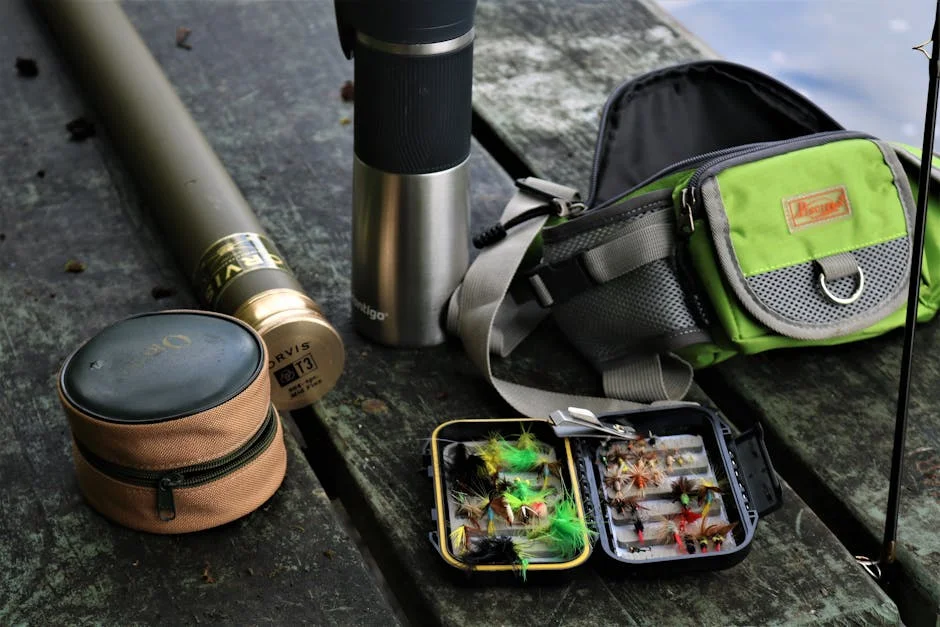
A tailwater-capable fly box for Eleven Mile should hold midges in sizes 20-24 (Zebra Midge, Mercury Midge), BWO patterns in sizes 18-22 (RS2, Parachute Adams, CDC Comparadun), and PMD patterns for summer. Add caddis in sizes 14-16 and stonefly nymphs for the pocket water sections.
Euro nymphing anglers should carry jig-hook nymphs with tungsten beads in a range of weights to match depth and current speed. Light enough to drift naturally, heavy enough to reach the bottom. That calibration matters more on a canyon river with variable currents than on a flat tailwater where you can set your depth and leave it. Field reports from canyon regulars consistently cite the bottom 12 inches of the water column as where most fish are holding through the colder months.
Licensing and Regulations
Colorado Parks and Wildlife manages the canyon as a state wildlife area. A current Colorado fishing license is required. The catch-and-release only regulations that apply to some tailwaters in the state do not uniformly apply here, so confirming current regulations on the CPW website before your trip is necessary. Regulations can and do change, and the state publishes updates annually.
Non-residents planning a trip should note that Colorado offers both annual and five-day non-resident licenses, and the choice depends on how many days you’re fishing in the state during the year.
Closing Thoughts
Eleven Mile Canyon rewards the angler who takes it seriously. It’s not as famous as Cheesman, not as crowded as the Dream Stream on a Saturday, and not as technically demanding as the Bighorn. It occupies a middle ground that suits anglers who’ve developed enough skill to fish varied water but haven’t yet concluded that only the hardest fishing is worth pursuing. I’ve been in that middle ground for most of my twenty years, and it’s a good place to fish from.
If you want to build a broader picture of the South Park region and the fisheries surrounding Eleven Mile, the Waters and Destinations section here is a reasonable starting point for trip planning. The canyon is worth the drive. Go on a Wednesday.
Frequently Asked Questions
What are the best flies to use at Eleven Mile Canyon?
Midges in sizes 20-24 are the year-round baseline and produce through every season. Blue-Winged Olive patterns in sizes 18-22 are the most important dry fly selection, especially during spring and fall overcast days when hatches fire reliably. PMD patterns cover the summer months from late June through August. Stonefly nymphs fished near the bottom in fast pocket water sections produce throughout the year regardless of hatch activity.
Is Eleven Mile Canyon catch-and-release only?
The canyon is not uniformly catch-and-release, but regulations in Colorado can change annually and vary by specific section of river. The Colorado Parks and Wildlife website publishes current regulations before each fishing season. Always confirm the current rules for the specific stretch you plan to fish before your trip, as assuming last year’s regulations still apply is a mistake that can result in a citation.
When is the best time of year to fish Eleven Mile Canyon?
Spring and fall are generally the strongest seasons for dry fly fishing due to reliable Blue-Winged Olive hatches during those windows. Winter midge fishing can be very productive on mild days when air temperatures rise enough to encourage surface activity. Summer produces PMD and caddis hatches but also brings the highest angling pressure. Weekday visits dramatically reduce crowding regardless of season.
How difficult is the wading at Eleven Mile Canyon?
The wading ranges from moderate to technically demanding depending on the section. Boulder garden sections with algae-covered rocks require studded boots and careful foot placement. Flows above 150 cfs in the canyon can make certain sections unsafe to cross. Checking the USGS gauge for the South Platte at Lake George before arriving is standard practice among regulars.
How crowded does Eleven Mile Canyon get?
Weekend pressure from the Front Range is significant from May through September, with the numbered pullouts near the road receiving the most attention. Weekday visits see noticeably lighter traffic. Anglers who walk beyond the first visible pool from any given pullout consistently find more water to themselves. Early morning arrival on weekends also helps, as many anglers don’t reach the canyon until mid-morning.
<script type="application/ld+json">
{
 "@context": "https://schema.org",
 "@type": "FAQPage",
 "mainEntity": [
 {
 "@type": "Question",
 "name": "What are the best flies to use at Eleven Mile Canyon?",
 "acceptedAnswer": {
 "@type": "Answer",
 "text": "Midges in sizes 20-24 are the year-round baseline and produce through every season. Blue-Winged Olive patterns in sizes 18-22 are the most important dry fly selection, especially during spring and fall overcast days when hatches fire reliably. PMD patterns cover the summer months from late June through August. Stonefly nymphs fished near the bottom in fast pocket water sections produce throughout the year regardless of hatch activity."
 }
 },
 {
 "@type": "Question",
 "name": "Is Eleven Mile Canyon catch-and-release only?",
 "acceptedAnswer": {
 "@type": "Answer",
 "text": "The canyon is not uniformly catch-and-release, but regulations in Colorado can change annually and vary by specific section of river. The Colorado Parks and Wildlife website publishes current regulations before each fishing season. Always confirm the current rules for the specific stretch you plan to fish before your trip, as assuming last year's regulations still apply is a mistake that can result in a citation."
 }
 },
 {
 "@type": "Question",
 "name": "When is the best time of year to fish Eleven Mile Canyon?",
 "acceptedAnswer": {
 "@type": "Answer",
 "text": "Spring and fall are generally the strongest seasons for dry fly fishing due to reliable Blue-Winged Olive hatches during those windows. Winter midge fishing can be very productive on mild days when air temperatures rise enough to encourage surface activity. Summer produces PMD and caddis hatches but also brings the highest angling pressure. Weekday visits dramatically reduce crowding regardless of season."
 }
 },
 {
 "@type": "Question",
 "name": "How difficult is the wading at Eleven Mile Canyon?",
 "acceptedAnswer": {
 "@type": "Answer",
 "text": "The wading ranges from moderate to technically demanding depending on the section. Boulder garden sections with algae-covered rocks require studded boots and careful foot placement. Flows above 150 cfs in the canyon can make certain sections unsafe to cross. Checking the USGS gauge for the South Platte at Lake George before arriving is standard practice among regulars. A wading staff is a reasonable addition for early season trips."
 }
 },
 {
 "@type": "Question",
 "name": "How crowded does Eleven Mile Canyon get?",
 "acceptedAnswer": {
 "@type": "Answer",
 "text": "Weekend pressure from the Front Range is significant from May through September, with the numbered pullouts near the road receiving the most attention. Weekday visits see noticeably lighter traffic. Anglers who walk beyond the first visible pool from any given pullout consistently find more water to themselves. Early morning arrival on weekends also helps, as many anglers don't reach the canyon until mid-morning."
 }
 }
 ]
}
</script>Where to Buy
Lesser Known Fly Fishing Venues in South Park, Colorado: Every Public Access in South Park Basin outside of the Dream Stream and Eleven Mile CanyonSee Lesser Known Fly Fishing Venues in So… on Amazon