Frying Pan River Fly Fishing Guide for Colorado Tailwaters

Affiliate disclosure: Some links on this page are affiliate links. If you buy through them we earn a small commission at no extra cost to you. Recommendations are research-driven; we don't claim personal use of every product reviewed. Product prices and availability are accurate as of the date published and are subject to change. Always check Amazon for current pricing before purchasing. Learn more.
Quick Picks
HexClad Hybrid Nonstick 10-Inch Frying Pan, Stay-Cool Handle, Dishwasher-Friendly, Oven-Safe Up to 900°F, Induction Ready, Compatible with All Cooktops
Buy on AmazonSENSARTE Nonstick Frying Pan Skillet with Lid, 12 Inch Large Deep Frying Pan, 5 Qt Non Stick Saute Pan with Cover, Induction Pan, Healthy Non Toxic Cooking Pan with Helper Handle, PFOA PFOS Free
Buy on Amazon| Product | Price Range | Top Strength | Key Weakness | Buy |
|---|---|---|---|---|
| HexClad Hybrid Nonstick 10-Inch Frying Pan, Stay-Cool Handle, Dishwasher-Friendly, Oven-Safe Up to 900°F, Induction Ready, Compatible with All Cooktops also consider | $$ | Buy on Amazon | ||
| SENSARTE Nonstick Frying Pan Skillet with Lid, 12 Inch Large Deep Frying Pan, 5 Qt Non Stick Saute Pan with Cover, Induction Pan, Healthy Non Toxic Cooking Pan with Helper Handle, PFOA PFOS Free also consider | $$ | Buy on Amazon |
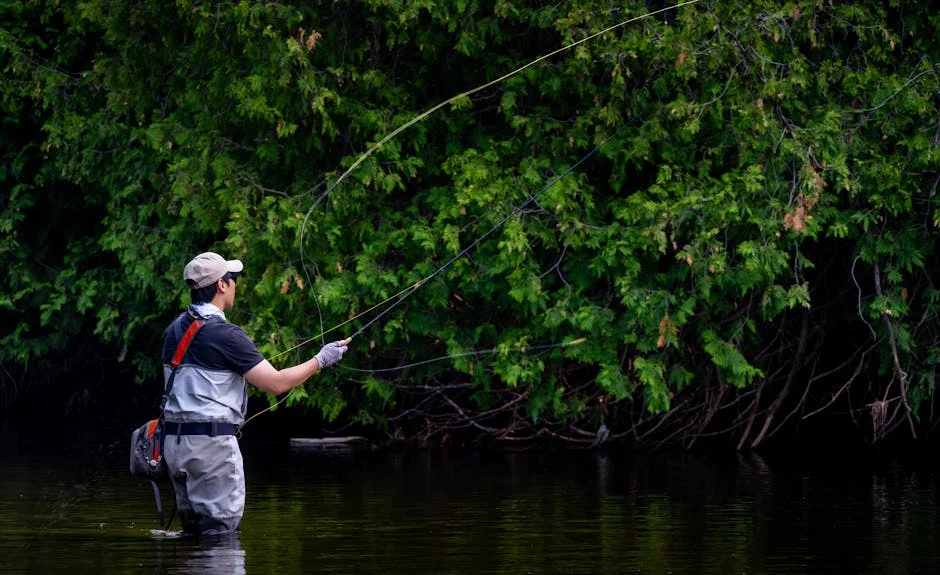
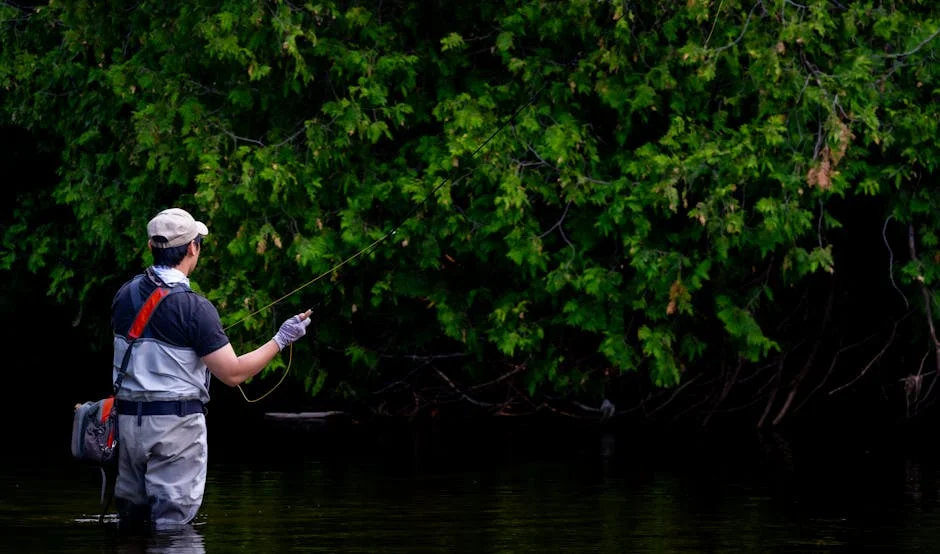
The Frying Pan River in western Colorado earns its reputation every season. Running cold and clear from Ruedi Reservoir down to its confluence with the Roaring Fork near Basalt, the Pan is classic tailwater water: consistent temperatures, reliable hatches, and trout that have seen every fly pattern in circulation. If you’ve fished pressured Colorado tailwaters before, you already know the mental framework required. If you haven’t, this river will teach you quickly.
For anglers new to western Colorado’s technical fisheries, our Waters & Destinations hub is a good place to build context before you wade in. The Frying Pan rewards preparation, whether that’s studying the seasonal hatch calendar, dialing in your tippet selection, or simply understanding what kind of river you’re standing in.
What Makes the Frying Pan River Different
The Frying Pan is a tailwater, which matters enormously. Ruedi Reservoir releases cold, clear water year-round, keeping the river in a narrow temperature band that trout thrive in and that supports dense invertebrate populations. What that produces is a fishery with extremely well-fed, extremely well-educated fish. Rainbows and browns in the 16-to-22-inch range are common in the upper stretches. They’ve seen pressure. They’ve been caught and released many times. They are not going to eat a poorly presented fly because you happened to be standing in the right spot.
I use Cheesman Canyon on the South Platte as my personal benchmark for technical tailwater fishing. The Frying Pan is in the same conversation. Both rivers reward pattern specificity and presentation precision over mobility and attractor patterns. That’s a fundamentally different mental framework than freestone fishing, and anglers who show up expecting freestone rules to apply are going to have a long day.
Upper Pan vs. Lower Pan
The river splits into two distinct personalities based on access and gradient. The upper section, from Ruedi Dam down through the first couple miles, is where most of the fishing pressure concentrates. The fly density and fish size are both exceptional here, but so is the technical difficulty. Pods of large fish rising in clear water to size 22 midges is not a beginner’s scenario.
The lower Pan, closer to the Roaring Fork confluence, fishes more like a mixed freestone-tailwater hybrid. Flows fluctuate more with agricultural and municipal withdrawals, the fish are still quality but slightly less predictable, and attractor patterns start to earn their keep in ways they simply don’t in the upper section. A size 14 Elk Hair Caddis doesn’t win many converts up top, but it can move fish down low.
Seasonal Hatch Calendar
Midges run year-round on the Pan, which is the baseline reality of most Colorado tailwaters. The reliable midge hatches mean that even in January you can find rising fish if you’re willing to deal with the cold and fish size 22-to-26 imitations with 6X or 7X tippet.
Blue-Winged Olives show up in spring and again in fall, typically Baetis species in the size 18-to-22 range. The fall BWO hatches on the Pan are worth scheduling around: overcast afternoons, water temperatures still reasonable, and fish actively looking up. This is the most forgiving window on the river for surface fishing because the trout’s attention is focused on a visible, somewhat larger fly rather than the smallest midges.
Summer brings some caddis activity and occasional Pale Morning Duns, though the PMD hatch is more famous on other Colorado tailwaters. The Pan’s summer fishing is good but it shifts toward nymphing through the middle of the day, with surface activity concentrated in the cooler morning and evening hours.
Gear Considerations for the Pan
Tailwater fishing on the Frying Pan calls for precision over power. A 9-foot 4-weight or 5-weight is the standard tool for most conditions. If you’re fishing exclusively midges and dry flies in the upper section, a shorter rod in the 4-weight range gives you better touch on light tippets. For euro nymphing, which is extremely productive on the Pan’s varied bottom structure, a 10-foot-plus competition-style rod in 3-weight lets you control your drift without adding line to the equation.
Tippet selection is non-negotiable on this river. Fluorocarbon in 5X through 7X covers most scenarios. Going lighter than 6X is common when fish are actively refusing flies, which they will do on this river with the kind of focused disdain that only heavily pressured tailwater trout can manage. Leader-to-fly connection matters. Knot quality matters. The Pan will expose any weakness in your terminal tackle.
Fly Patterns That Work on the Frying Pan
Productive patterns on the Pan follow the tailwater playbook: small, precise, tied to imitate rather than suggest. That said, a few categories cover most situations.
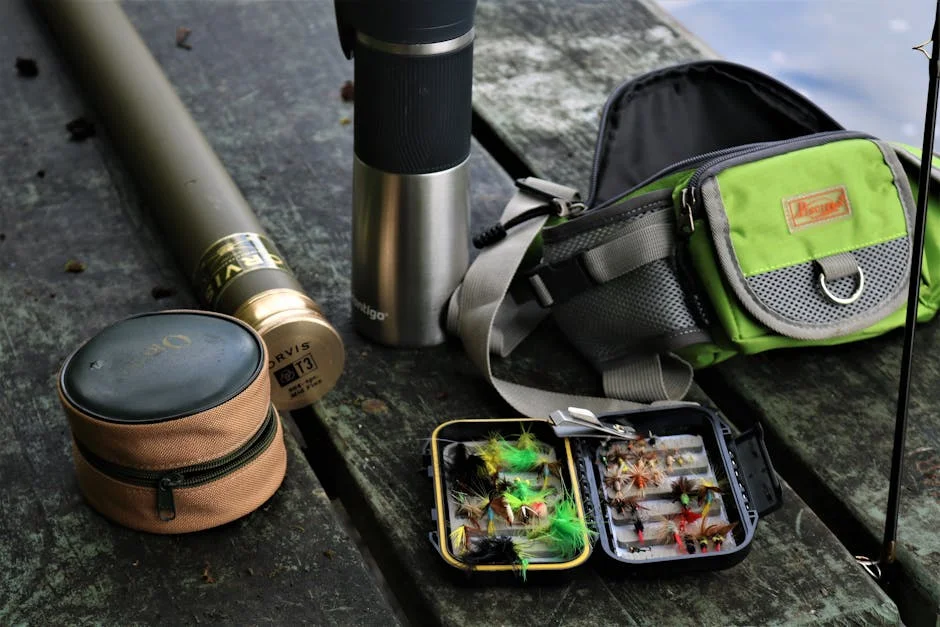
Midges: RS2s in gray and olive, Juju Midges, Barr’s Pure Midge Larva, and WD-40s in size 20-24 account for a significant portion of fish caught on this river. Midge clusters on the surface are matched well with Griffith’s Gnats. When fish are sipping in the film, a Mercury Midge or a small CDC midge emerger often outperforms the dry imitation.
BWO Imitations: Sparkle Duns, Parachute Adams in smaller sizes, and Vis-A-Duns cover surface eating fish during Baetis hatches. Subsurface, a Pheasant Tail or a Mercury Pheasant Tail in size 18-20 is as reliable as anything on the river.
Nymphs: The Pan’s bottom is loaded with sow bugs and scuds in the slower pools, and rainbow scud imitations in pink and orange are genuinely productive throughout the year. A UV Scud or a standard Pink Scud pattern in size 14-16 can be a fallback when the hatch-specific stuff isn’t producing.
Streamers: Larger fish in the upper Pan will eat streamers, particularly in early morning and low-light conditions. Woolly Buggers in olive and black, or small Zoo Cougars, moved slowly along the bottom can attract the biggest fish in any given pool. This isn’t the Pan’s primary mode, but it produces fish that the nymph anglers aren’t touching.
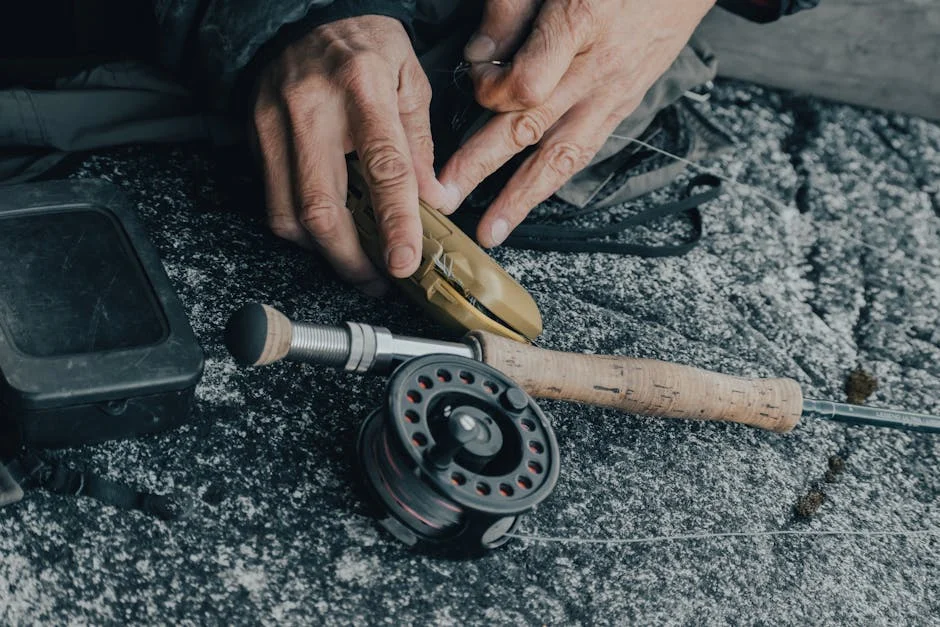
I tie most of my own flies on a Norvise, and patterns like the RS2 and midge larva imitations are the ones that stay in heaviest rotation. The Pan has reinforced for me that presentation nearly always matters more than the specific pattern within a general category. A well-drifted size 22 RS2 beats a poorly presented size 22 RS2 every time, regardless of thread color.
Top Picks for Camp Cooking After a Day on the Pan
A day on the Frying Pan often means an overnight or multi-night camp stay, either in the Ruedi Reservoir campgrounds or in nearby Basalt. Cooking a meal at camp after a long day of technical fishing is its own kind of satisfaction. Two pans that come up consistently in field reports from anglers who split time between rivers and camp cooking deserve a look.
HexClad Hybrid Nonstick 10-Inch
The HexClad Hybrid Nonstick 10-Inch Frying Pan gets discussed in outdoor cooking circles for its hybrid surface construction, which combines a stainless steel hexagonal pattern with a nonstick coating. Verified buyers note that the hybrid surface holds up to metal utensils better than traditional nonstick pans, which matters in camp settings where you’re not carrying a full set of silicone spatulas. The stay-cool handle is consistently mentioned as a practical feature on camp stoves where handle positioning is less predictable than on a home range.
Spec data shows oven-safe performance up to 900 degrees Fahrenheit, which is academic in a camp cooking context but signals the construction quality of the materials involved. Owner reviews frequently note that cleanup is straightforward even after high-heat cooking, and the induction compatibility means the pan transitions cleanly between camp use and home kitchen use. The mid-range price band positions it as a considered purchase rather than a throwaway camping item, which aligns with how most dedicated anglers approach gear: buy once, buy right.
Field reports indicate that the 10-inch diameter is a practical camp size, large enough for a full egg-and-protein breakfast or a single-pan dinner without being heavy to pack. Anglers who carry it in a truck or SUV to river access points report it holds up well to the uneven storage conditions of a loaded fishing vehicle.
Check current price on Amazon.
SENSARTE Nonstick Frying Pan Skillet
The SENSARTE Nonstick Frying Pan Skillet with Lid takes a different approach. At 12 inches with a 5-quart capacity and a deep sidewall profile, this pan is sized for cooking larger meals or one-pan camp dinners that need room to move ingredients around. Owner reviews specifically call out the PFOA and PFOS-free construction, which matters to anglers who are already attuned to water quality and environmental considerations in their fishing practice. The included lid is noted by verified buyers as adding meaningful versatility for camp cooking, allowing simmering and covered cooking that a lidless pan can’t do.
The helper handle gets positive mentions from people cooking on camp stoves, where balancing a heavy, fully loaded 12-inch pan over an uneven burner is a genuine ergonomic challenge. Field reports indicate the nonstick surface performs consistently across the first year of use with proper care, and the granite-finish coating shows better abrasion resistance than budget-tier nonstick options. The mid-range price band makes this a reasonable investment for anglers who want a capable camp cooking tool without committing to premium cookware pricing.
Check current price on Amazon.
Buying Guide: Choosing the Right Pan for Camp Cooking on River Trips
Fishing the Frying Pan for multiple days means eating well at camp, and the cookware you bring shapes that experience more than most anglers expect before their first multi-night river trip.
Size and Capacity for Camp Conditions
A 10-inch pan covers most individual and two-person meal scenarios. If you’re cooking for a group of three or four, the jump to 12 inches becomes meaningful. The bigger pan handles volume but adds weight and storage bulk, which matters if you’re packing a vehicle efficiently for a long drive to a western Colorado access point.
Depth matters as much as diameter. A shallow skillet limits you to searing and frying. A deep sidewall, like the 5-quart profile on the SENSARTE option, opens up braising, simmering, and pasta-style one-pot meals. For a multi-day Frying Pan River camp trip where you want variety without packing multiple pots and pans, depth earns its value.
Nonstick Surface Technology and Durability
Traditional PTFE nonstick coatings work well but are sensitive to high heat and metal utensils. Hybrid designs that incorporate stainless patterning into the nonstick layer show better abrasion resistance in owner reports, which is relevant for camp settings where you’re not always using the gentlest tools.
PFOA and PFOS-free certification has become a baseline expectation in the better mid-range options. Anglers who spend their days caring about watershed health tend to notice these distinctions in the products they buy for camp use. Both options reviewed here meet that standard.
Compatibility with Camp Stove Setups
Most camp stoves designed for car camping produce enough BTUs to overheat a traditional nonstick pan if you’re not careful. Pans rated for high-heat use give you more margin for error. Induction compatibility, while not relevant on a propane camp stove, signals a flat, stable base construction that performs well on the uneven burner grates common on portable stoves.
A stay-cool or helper handle is more than a convenience feature in camp cooking. When a pan is sitting on an open-flame stove without the protective environment of a home range hood, handles can heat up faster than expected. Anglers checking out our Waters & Destinations pages for other river-specific trip planning will find similar camp cooking considerations come up across Colorado’s technical fisheries, where multi-day access often means vehicle camping near the water.
Storage and Transport Considerations
A pan that ships flat and stores in a vehicle without rattling or scratching other gear is a practical concern that gets underweighted before the first trip and overweighted on every trip after. Both pans reviewed here have conventional profiles that store reasonably well in a large cooler or in a dedicated camp kitchen box.
Lids add storage complexity. The SENSARTE includes a lid; the HexClad 10-inch does not. If your camp cooking relies on covered cooking techniques, that distinction affects which option fits your kit better than any surface coating comparison.
Closing Thoughts on the Frying Pan
The Frying Pan River is one of those Colorado fisheries that rewards repeat visits. The first time, you’re figuring out the water, the access, the hatch timing. By the third or fourth trip, you start to understand why guides who work this river year after year still find it interesting. The fish are that good and the conditions are that variable within their predictable tailwater framework.
Tailwaters and freestone rivers demand different mental frameworks, not just different flies. The Pan is firmly in the tailwater category, which means patience, precision, and a willingness to get refused by fish that are perfectly healthy and just not interested in what you’re showing them. That’s not a failure of the river. That’s the river doing what it’s supposed to do.
For more trip planning across Colorado’s technical fisheries and destination waters beyond the state, the full collection of river guides and destination write-ups is available through our Waters & Destinations hub. The Frying Pan belongs on any serious Colorado angler’s rotation, and it will tell you things about your fishing that easier water never could.
Frequently Asked Questions
What is the best time of year to fish the Frying Pan River?
The fall BWO hatch, typically running from late September through November, is widely considered the prime window for dry fly fishing on the Pan. Overcast afternoons trigger the most reliable surface activity. Winter midge fishing is productive for anglers willing to handle cold conditions and size 22-to-26 flies. Spring offers another BWO window as water temperatures stabilize after snowmelt.
Do I need a guide for the Frying Pan River?
A guide is not required but is genuinely worth considering for first-time visitors. The Pan’s upper section has specific access points, unwritten etiquette around pods of rising fish, and hatch-matching nuances that local guides know in detail. Owner of that local knowledge is the difference between a frustrating day and a productive one. A half-day wade trip with a Basalt-area guide on your first visit will compress the learning curve considerably and likely pay off across future self-guided trips.
What tippet size should I use on the Frying Pan?
Fluorocarbon tippet in 5X through 7X covers most situations on the Pan. For midge dry flies and emergers in the upper section, 6X and 7X are standard. For nymphing with slightly larger flies in the 14-16 range, 5X provides enough strength while remaining acceptably subtle. Field reports from anglers on the Pan consistently note that going lighter in tippet size, rather than changing the fly pattern, is the first adjustment worth making when fish are refusing.
Is the Frying Pan River crowded?
The upper Pan near Ruedi Dam sees significant pressure, particularly on weekends from late spring through fall. Weekday visits, especially mid-week in shoulder seasons, reduce the competition for runs considerably. The lower Pan near the Roaring Fork confluence sees less pressure and fishes more like a mixed freestone water. If solitude matters as much as fish size to you, planning around shoulder season weekdays on the lower section is the most practical approach to managing the crowds.
What rod weight is best for the Frying Pan River?
A 4-weight or 5-weight 9-foot rod handles the majority of Pan conditions. The 4-weight gives better touch with light tippets on dry flies; the 5-weight provides a bit more versatility if conditions push toward streamers or larger nymphs. For euro nymphing, which is highly effective on the Pan, a 10-foot-plus 3-weight competition nymph rod allows tight-line contact without adding fly line to the drift equation. Verified buyers of euro nymphing setups frequently note that the Pan’s varied bottom structure and current seams reward the technique well.
<script type="application/ld+json">
{
 "@context": "https://schema.org",
 "@type": "FAQPage",
 "mainEntity": [
 {
 "@type": "Question",
 "name": "What is the best time of year to fish the Frying Pan River?",
 "acceptedAnswer": {
 "@type": "Answer",
 "text": "The fall BWO hatch, typically running from late September through November, is widely considered the prime window for dry fly fishing on the Pan. Overcast afternoons trigger the most reliable surface activity. Winter midge fishing is productive for anglers willing to handle cold conditions and size 22-to-26 flies. Spring offers another BWO window as water temperatures stabilize after snowmelt. Summer is fishable but shifts more heavily toward nymphing during midday hours."
 }
 },
 {
 "@type": "Question",
 "name": "Do I need a guide for the Frying Pan River?",
 "acceptedAnswer": {
 "@type": "Answer",
 "text": "A guide is not required but is genuinely worth considering for first-time visitors. The Pan's upper section has specific access points, unwritten etiquette around pods of rising fish, and hatch-matching nuances that local guides know in detail. Owner of that local knowledge is the difference between a frustrating day and a productive one. A half-day wade trip with a Basalt-area guide on your first visit will compress the learning curve considerably and likely pay off across future self-guided trips."
 }
 },
 {
 "@type": "Question",
 "name": "What tippet size should I use on the Frying Pan?",
 "acceptedAnswer": {
 "@type": "Answer",
 "text": "Fluorocarbon tippet in 5X through 7X covers most situations on the Pan. For midge dry flies and emergers in the upper section, 6X and 7X are standard. For nymphing with slightly larger flies in the 14-16 range, 5X provides enough strength while remaining acceptably subtle. Field reports from anglers on the Pan consistently note that going lighter in tippet size, rather than changing the fly pattern, is the first adjustment worth making when fish are refusing. Knot quality becomes critical at 7X."
 }
 },
 {
 "@type": "Question",
 "name": "Is the Frying Pan River crowded?",
 "acceptedAnswer": {
 "@type": "Answer",
 "text": "The upper Pan near Ruedi Dam sees significant pressure, particularly on weekends from late spring through fall. Weekday visits, especially mid-week in shoulder seasons, reduce the competition for runs considerably. The lower Pan near the Roaring Fork confluence sees less pressure and fishes more like a mixed freestone water. If solitude matters as much as fish size to you, planning around shoulder season weekdays on the lower section is the most practical approach to managing the crowds."
 }
 },
 {
 "@type": "Question",
 "name": "What rod weight is best for the Frying Pan River?",
 "acceptedAnswer": {
 "@type": "Answer",
 "text": "A 4-weight or 5-weight 9-foot rod handles the majority of Pan conditions. The 4-weight gives better touch with light tippets on dry flies; the 5-weight provides a bit more versatility if conditions push toward streamers or larger nymphs. For euro nymphing, which is highly effective on the Pan, a 10-foot-plus 3-weight competition nymph rod allows tight-line contact without adding fly line to the drift equation. Verified buyers of euro nymphing setups frequently note that the Pan's varied bottom structure and current seams reward the technique well."
 }
 }
 ]
}
</script>Where to Buy
HexClad Hybrid Nonstick 10-Inch Frying Pan, Stay-Cool Handle, Dishwasher-Friendly, Oven-Safe Up to 900°F, Induction Ready, Compatible with All CooktopsSee HexClad Hybrid Nonstick 10-Inch Fryin… on Amazon