Madison River Fly Fishing: What Freestone Water Demands

Affiliate disclosure: Some links on this page are affiliate links. If you buy through them we earn a small commission at no extra cost to you. Recommendations are research-driven; we don't claim personal use of every product reviewed. Product prices and availability are accurate as of the date published and are subject to change. Always check Amazon for current pricing before purchasing. Learn more.
Quick Picks
Aventik FLK Fly Fishing Reel Aluminum Trout 3/5, 5/7, 7/9wt Large Arbor Freshwater Fly Reel
Buy on AmazonRedington Wrangler Fly Fishing Kit, Medium Fast Action Rod, Crosswater Reel, Fly Line, Leader, & Carrying Case
Buy on Amazon| Product | Price Range | Top Strength | Key Weakness | Buy |
|---|---|---|---|---|
| A Cast Away in Montana also consider | $$ | Buy on Amazon | ||
| Aventik FLK Fly Fishing Reel Aluminum Trout 3/5, 5/7, 7/9wt Large Arbor Freshwater Fly Reel also consider | $$ | Buy on Amazon | ||
| Redington Wrangler Fly Fishing Kit, Medium Fast Action Rod, Crosswater Reel, Fly Line, Leader, & Carrying Case also consider | $$ | Buy on Amazon |
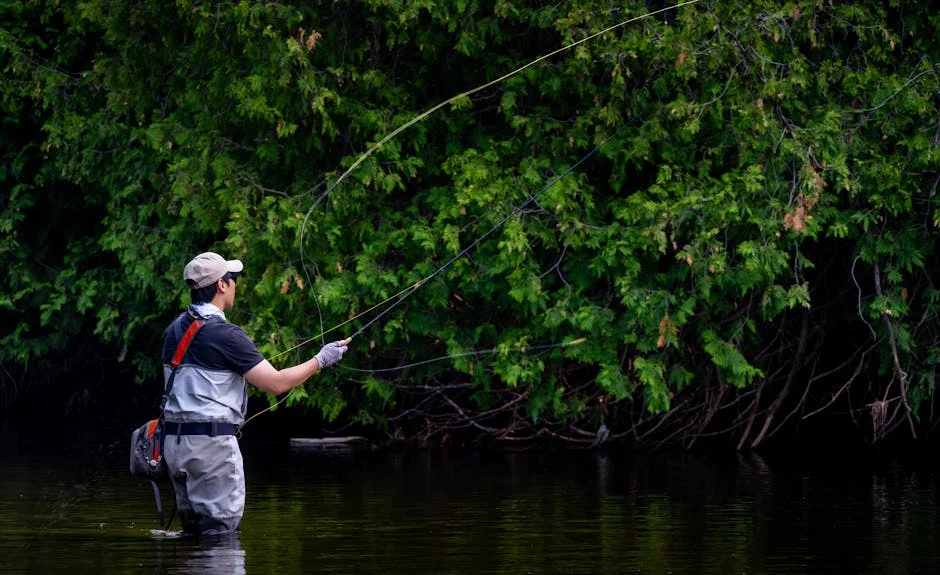
The Madison River doesn’t care what you’ve read about it. That’s the first thing you figure out on the water. From its headwaters inside Yellowstone National Park through the famous 50-Mile Riffle in Montana, the Madison is a freestone river with strong opinions, and it will sort out anglers who’ve only fished tailwaters in a hurry.
I’ve spent enough time on the Bighorn and Cheesman Canyon to know what technical, pressured water feels like. The Madison is a different conversation entirely. It rewards a freestone mindset: mobility, attractor patterns, reading water fast. If you’re planning your first or fifth trip, this breakdown covers what you need to know. For more rivers in the region and beyond, browse the Waters & Destinations hub.
What Makes the Madison Different
The Madison flows roughly 150 miles from Yellowstone’s Firehole and Gibbon confluence down through Quake Lake and Ennis Lake to Three Forks, where it joins the Jefferson and Gallatin to form the Missouri. Most visiting anglers target the stretch between Quake Lake and Ennis, the famous 50-Mile Riffle section. That stretch is largely publicly accessible wade water with a freestone character: braided channels, exposed gravel bars, a constant riffle pulse that oxygenates the water and keeps trout active.
Water temperatures run warmer than a tailwater like the Bighorn or Cheesman through midsummer, which affects fish behavior and hatch timing. Salmonfly and Golden Stonefly hatches in June draw serious attention, and the fall months (September through early November) bring some of the best dry fly fishing of the year as brown trout begin staging for the spawn. Rainbows in the upper sections, browns throughout, with healthy fish averaging 14 to 18 inches and legitimate 20-plus-inch fish available to anyone putting in the work.
Tailwater vs. Freestone: A Different Mental Framework
This distinction matters more than most gear discussions. On Cheesman Canyon, I know exactly which midge cluster pattern the fish want on a January morning, and I’ll spend twenty minutes setting up a presentation to one visible fish. That approach will frustrate you on the Madison. The freestone game is about covering water, reading current seams, and giving fish an attractor pattern they can see and commit to without a long inspection.
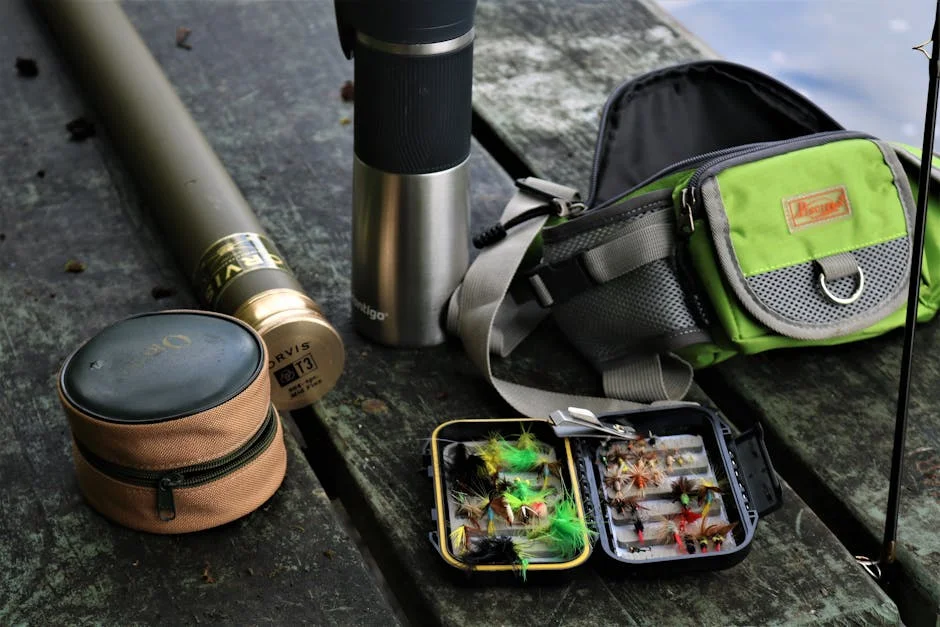
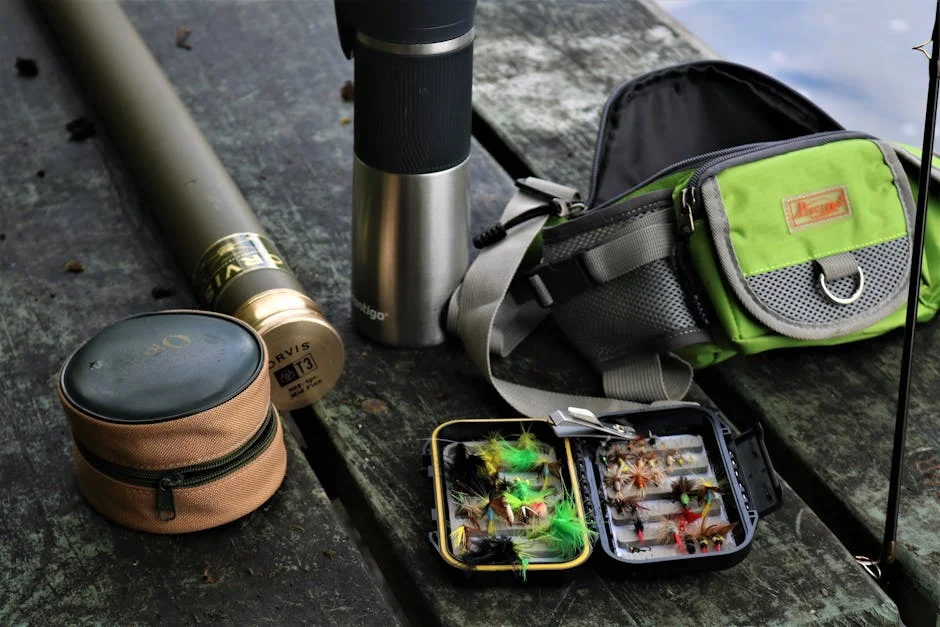
Anglers who fish only tailwaters sometimes struggle on freestone because they’re too focused on matching the hatch when the fish just want a visible fly moving naturally through the right lane. The Madison’s trout aren’t uneducated, but they’re conditioned differently than tailwater fish. Bring Stimulators, Chubby Chernobyls, PMX patterns, and a willingness to walk a mile of bank in a morning.
Season and Access Considerations
The Madison has three distinct fishing seasons worth understanding. June brings the famous stonefly hatches, with crowds to match. July and August offer warm water temperatures that push fish to early morning and evening windows, with midday fishing often slow. September through November is the sweet spot for many experienced anglers: brown trout activity picks up, crowds thin, and the dry fly fishing can be exceptional on cooler days.
Public access is generous along the 50-Mile Riffle section, with multiple fishing access sites managed by Montana Fish, Wildlife, and Parks. The stretch from Quake Lake downstream has well-marked pull-offs. If you’re wading, pick a section and commit to it rather than hopping spots; the fish concentrate in predictable seams once you learn to read the river’s structure.
Gear Setup for the Madison
The standard Madison wade setup differs from what I’d bring to Cheesman. A 9-foot 5-weight handles most situations, though a 6-weight becomes useful during the stonefly season when you’re throwing large foam flies into a headwind. Euro nymphing setups work in slower sections, but the river’s breadth and current speed favor traditional indicator nymphing or dry-dropper rigs for most wading situations.
Felt is banned in Montana. Rubber-soled wading boots are mandatory, and studs are strongly recommended. The Madison’s cobble substrate gets slick, and the current in the main riffle sections is strong enough to put you down fast if you’re not careful. Owner reports consistently mention that wading staffs are more useful here than on smaller, calmer water.
Buying Guide: What to Know Before You Pack
Matching Your Rod Setup to Madison Water
The most common mistake visiting anglers make is bringing a rod that fits their home water without thinking about the Madison’s specific demands. Spec data and field reports from Montana fishing communities both point to a 9-foot 5-weight as the workhorse choice for the 50-Mile Riffle section. A medium-fast to fast action blank handles the wind that rolls across the open valley, and the length gives you mending reach in the broad currents.
Heavier presentations during the June stonefly hatch favor a 6-weight with a floating line and a short leader, while smaller spring creek tributaries and the upper park water call for lighter touch. Verified buyer accounts on Madison-specific forums suggest that anglers who pack two rods (a 5-weight and a 4-weight) cover more scenarios without over-engineering the situation. If you’re packing one rod, a mid-fast 5-weight is the right call.
Reel Selection and Drag Requirements
The Madison doesn’t typically require the runway-long runs that saltwater or large streamer fishing demands, but a good drag still matters. Brown trout in fall, especially larger fish staging pre-spawn, will test a cheap drag under tension. Field reports from experienced Montana guides consistently note that a smooth, consistent drag under light-to-medium pressure matters more than maximum stopping power for this fishery.
Large-arbor designs retrieve line faster, which matters in the Madison’s current when a fish runs toward you. Carbon stack or sealed drag systems hold up better to grit and cobble spray than older cork designs, though both types have working adherents among regular Madison anglers. Mid-range reels from established manufacturers perform well here; premium gear isn’t required unless you’re combining a Madison trip with streamer fishing for large browns in October.
Line and Leader Choices for Freestone Conditions
A weight-forward floating line covers 90 percent of Madison wade fishing situations. Rio Gold and similar taper designs are broadly reported as reliable performers by verified buyers across the region. The Madison’s currents mean you’ll be mending constantly, and a supple line with a longer head section gives you better control at distance than a short-head compact taper.
Leader length and tippet diameter matter more than many visiting anglers expect. Field reports from Waters & Destinations anglers and local Madison guides suggest 9-foot leaders tapered to 4X as a starting point, dropping to 5X for smaller dry flies in clearer water. Fluorocarbon tippet for nymphing, mono for dry fly work. Keep both on your pack.
Reading Habitat on the 50-Mile Riffle
The Madison’s riffle water looks uniform from the bank, but it isn’t. Depth changes, current seams, and transition zones between gravel and cobble concentrate fish in predictable ways. Verified buyer accounts in Montana-focused fly fishing books consistently mention that anglers who spend the first thirty minutes of a morning observing and moving slowly catch more fish than those who wade in immediately.
Fish the edges of the main current where trout can hold in slower water and dart into the riffle to feed. Foam lines collect insects and draw surface feeders. The inside bends of braided channels often hold larger browns, especially in fall. Local shop intel from the Ennis and West Yellowstone areas is worth seeking before your trip; Madison River fishing conditions shift week to week, and current beta from on-the-ground sources beats any printed guide.
Wading Safety on Big Freestone Water
The Madison is not a dangerous river by whitewater standards, but it is a strong, wide, rocky river that has humbled experienced anglers who approached it carelessly. Studs on rubber-soled boots are the baseline. A wading staff is worth carrying even if you rarely use one on smaller water. Field reports from guides who work the 50-Mile Riffle section consistently note that anglers who wade aggressively (especially during higher June flows) end up in the water at a meaningful rate.
Wade upstream when possible, let the current work with you on crossings, and pick your lines across cobble carefully. The Madison’s flat riffle sections look approachable, but the footing shifts underfoot and the current pushes harder than it appears from the bank.
Top Picks for the Madison River Angler
A Cast Away in Montana
A Cast Away in Montana covers the cultural and practical landscape of fly fishing in Big Sky country with enough specificity to be genuinely useful for planning a Madison River trip. Verified buyers note that the book covers river character, access considerations, and the seasonal rhythms of Montana’s major fisheries in a way that spec sheets and YouTube clips don’t capture. The writing grounds fishing knowledge in actual Montana conditions rather than generic how-to advice.
Owner reviews consistently highlight the local context sections: where to be, when to be there, and how the river fishes across different seasons. For someone making their first serious Madison trip, that kind of accumulated local knowledge is harder to find than most anglers expect. Field reports from readers who’ve used the book as a pre-trip resource describe it as a solid complement to current shop intel rather than a replacement for it. At a mid-range price point, it’s a practical addition to any trip planning stack.
Check current price on Amazon.
Aventik FLK Fly Fishing Reel
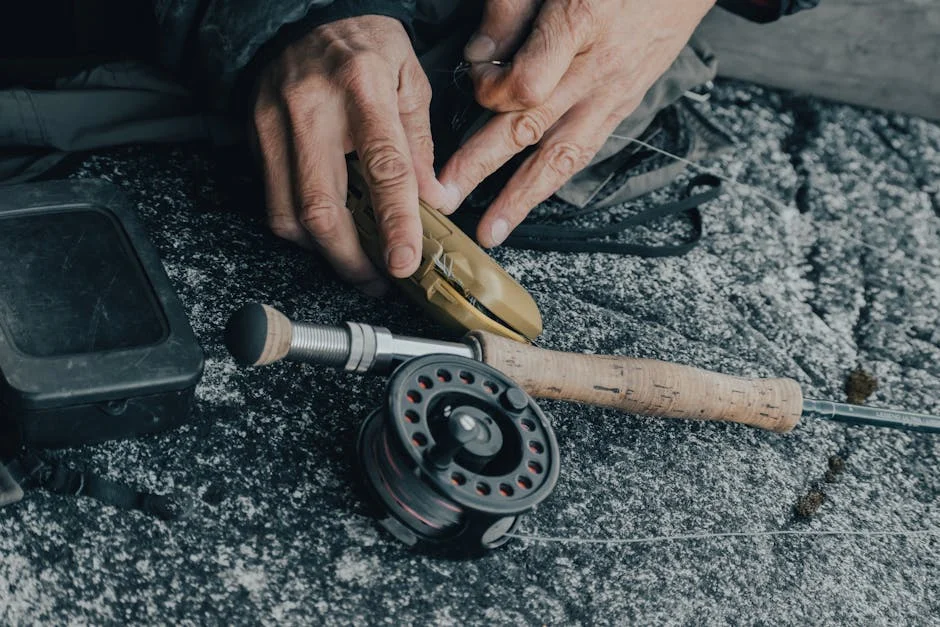
The Aventik FLK Fly Fishing Reel is a machined aluminum large-arbor design available in 3/5, 5/7, and 7/9 weight configurations, which means there’s a relevant size for most Madison setups from lighter dry fly rigs to heavier streamer applications. Spec data shows a large-arbor geometry that recovers line quickly in fast current, which is a practical advantage when a fish runs toward you on the 50-Mile Riffle section.
Verified buyers in the mid-range price category generally describe the drag as smooth and consistent under light-to-medium pressure, which covers the primary use case for Madison wade fishing. The all-aluminum construction holds up to the abrasion of wading environments better than composite materials, and owner reviews note the finish quality is solid for the price band. Field reports suggest this reel performs above expectations for casual and intermediate anglers who don’t want to commit to premium pricing for a trip reel or backup setup.
Check current price on Amazon.
Redington Wrangler Fly Fishing Kit
The Redington Wrangler Fly Fishing Kit packages a medium-fast action rod with the Crosswater reel, fly line, leader, and carrying case in a single mid-range bundle designed to get a newer angler on the water without requiring separate purchasing decisions for every component. Verified buyers describe the rod action as accessible for beginners while still being functional for intermediate anglers fishing open water like the Madison’s main riffle sections.
Owner reviews note that the included fly line performs adequately for standard floating line applications, and the Crosswater reel is broadly described as a reliable starter with a functional drag for average trout fishing scenarios. For an angler who is planning their first Montana trip and isn’t ready to invest in premium individual components, field reports consistently describe the Wrangler kit as an honest, functional entry point. Redington’s quality control at this price band is generally well-regarded in verified buyer communities.
Check current price on Amazon.
Making the Most of Your Madison Trip
The Madison rewards preparation and humility in roughly equal measure. Local fly shop knowledge from Ennis, West Yellowstone, or Cameron outweighs anything you’ll read in a planning guide, including this one. Conditions shift with flows, temperatures, and hatch cycles in ways that require current, on-the-ground intel.
If you’re combining a Madison trip with other Montana or Wyoming water, the Waters & Destinations hub covers a range of fisheries across the region with the same freestone-versus-tailwater context that helps you calibrate your setup before you leave home.
The 50-Mile Riffle is one of the most accessible stretches of legitimate trophy trout water in the American West. It’s not technical in the Bighorn or Cheesman Canyon sense, but it is demanding in different ways. Read the water, cover ground, and resist the tailwater instinct to stay pinned on one spot waiting for the right hatch. The Madison will tell you what it wants, eventually.
Frequently Asked Questions
What is the best time of year to fly fish the Madison River?
September through early November is broadly considered the prime window by experienced anglers, combining fall brown trout activity with thinner crowds and reliable dry fly conditions. The June stonefly hatch draws significant attention and produces explosive surface fishing, but high water and crowds are part of that deal. July and August are fishable but require early and late timing to avoid midday heat. Spring shoulder seasons can be productive when runoff settles.
Do I need a Montana fishing license for the Madison River?
Yes, a valid Montana fishing license is required for all anglers fishing the Madison River in Montana, including the famous 50-Mile Riffle section. Non-resident licenses are available through Montana Fish, Wildlife, and Parks, either as season licenses or shorter-term options for visiting anglers. Conservation licenses are also required in addition to the fishing license. Purchase before your trip through the Montana FWP online system to avoid delays on arrival.
What fly rod weight works best for Madison River wade fishing?
A 9-foot 5-weight covers the majority of wade fishing situations on the Madison, from standard nymph rigs to dry-dropper presentations and moderate-sized attractor dry flies. Field reports from guides and verified buyers consistently point to a medium-fast action as the most versatile choice for the valley wind and broad currents. During stonefly season, a 6-weight becomes more useful for throwing large foam flies. A 4-weight suits the upper park water and tributary stream situations.
Are felt-soled wading boots allowed on the Madison River?
No. Montana prohibits felt-soled wading boots across all state waters, including the Madison River, as a measure to prevent the spread of aquatic invasive species including whirling disease. Rubber-soled boots with metal studs are the standard recommendation among anglers who fish the Madison regularly. The cobble substrate in the 50-Mile Riffle section is slick, and studs provide meaningful grip that plain rubber soles lack.
Can beginners wade fish the Madison River successfully?
Beginners can have productive days on the Madison with some preparation and realistic expectations. The 50-Mile Riffle offers accessible public water and visible trout activity that helps newer anglers understand freestone river feeding behavior. Wading safety is a real consideration: the current is stronger than it appears on wider sections, and rubber-soled boots with studs are essential. Booking a half-day wade guide trip for the first visit is a practical investment; local guides provide access knowledge and real-time coaching that shortens the learning curve significantly.
<script type="application/ld+json">
{
 "@context": "https://schema.org",
 "@type": "FAQPage",
 "mainEntity": [
 {
 "@type": "Question",
 "name": "What is the best time of year to fly fish the Madison River?",
 "acceptedAnswer": {
 "@type": "Answer",
 "text": "September through early November is broadly considered the prime window by experienced anglers, combining fall brown trout activity with thinner crowds and reliable dry fly conditions. The June stonefly hatch draws significant attention and produces explosive surface fishing, but high water and crowds are part of that deal. July and August are fishable but require early and late timing to avoid midday heat. Spring shoulder seasons can be productive when runoff settles."
 }
 },
 {
 "@type": "Question",
 "name": "Do I need a Montana fishing license for the Madison River?",
 "acceptedAnswer": {
 "@type": "Answer",
 "text": "Yes, a valid Montana fishing license is required for all anglers fishing the Madison River in Montana, including the famous 50-Mile Riffle section. Non-resident licenses are available through Montana Fish, Wildlife, and Parks, either as season licenses or shorter-term options for visiting anglers. Conservation licenses are also required in addition to the fishing license. Purchase before your trip through the Montana FWP online system to avoid delays on arrival."
 }
 },
 {
 "@type": "Question",
 "name": "What fly rod weight works best for Madison River wade fishing?",
 "acceptedAnswer": {
 "@type": "Answer",
 "text": "A 9-foot 5-weight covers the majority of wade fishing situations on the Madison, from standard nymph rigs to dry-dropper presentations and moderate-sized attractor dry flies. Field reports from guides and verified buyers consistently point to a medium-fast action as the most versatile choice for the valley wind and broad currents. During stonefly season, a 6-weight becomes more useful for throwing large foam flies. A 4-weight suits the upper park water and tributary stream situations."
 }
 },
 {
 "@type": "Question",
 "name": "Are felt-soled wading boots allowed on the Madison River?",
 "acceptedAnswer": {
 "@type": "Answer",
 "text": "No. Montana prohibits felt-soled wading boots across all state waters, including the Madison River, as a measure to prevent the spread of aquatic invasive species including whirling disease. Rubber-soled boots with metal studs are the standard recommendation among anglers who fish the Madison regularly. The cobble substrate in the 50-Mile Riffle section is slick, and studs provide meaningful grip that plain rubber soles lack. A wading staff is also worth packing for crossings in faster sections."
 }
 },
 {
 "@type": "Question",
 "name": "Can beginners wade fish the Madison River successfully?",
 "acceptedAnswer": {
 "@type": "Answer",
 "text": "Beginners can have productive days on the Madison with some preparation and realistic expectations. The 50-Mile Riffle offers accessible public water and visible trout activity that helps newer anglers understand freestone river feeding behavior. Wading safety is a real consideration: the current is stronger than it appears on wider sections, and rubber-soled boots with studs are essential. Booking a half-day wade guide trip for the first visit is a practical investment; local guides provide access knowledge and real-time coaching that shortens the learning curve significantly."
 }
 }
 ]
}
</script>Where to Buy
A Cast Away in MontanaSee A Cast Away in Montana on Amazon