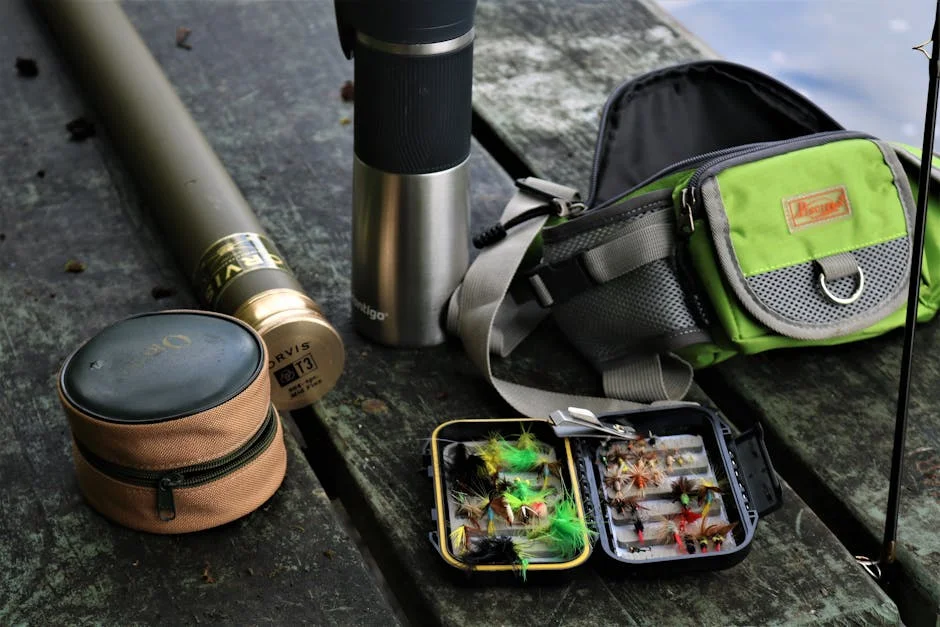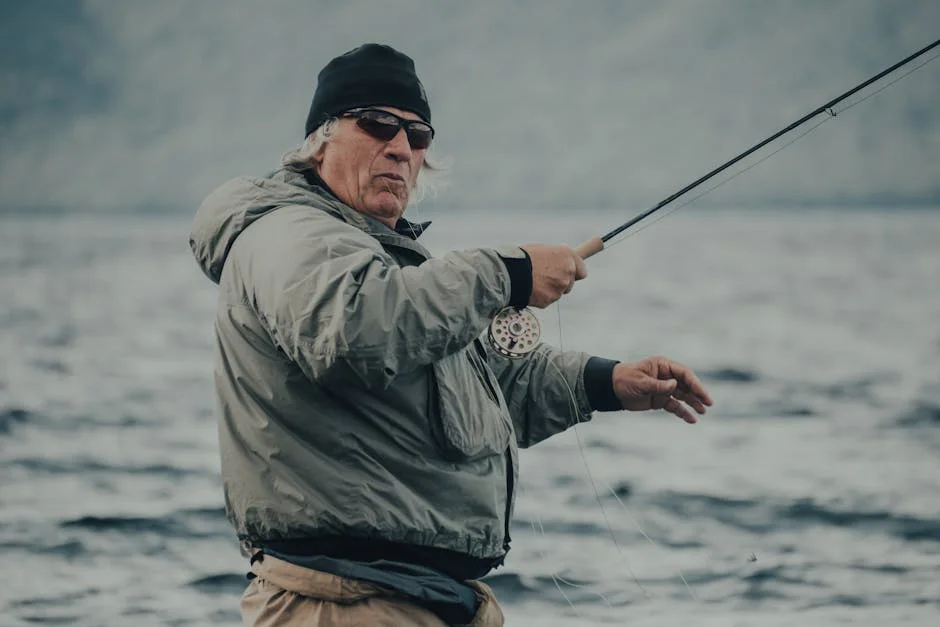
Fly Fishing Budget $1000: Complete Beginner Setup Guide

Affiliate disclosure: Some links on this page are affiliate links. If you buy through them we earn a small commission at no extra cost to you. Recommendations are research-driven; we don't claim personal use of every product reviewed. Product prices and availability are accurate as of the date published and are subject to change. Always check Amazon for current pricing before purchasing. Learn more.
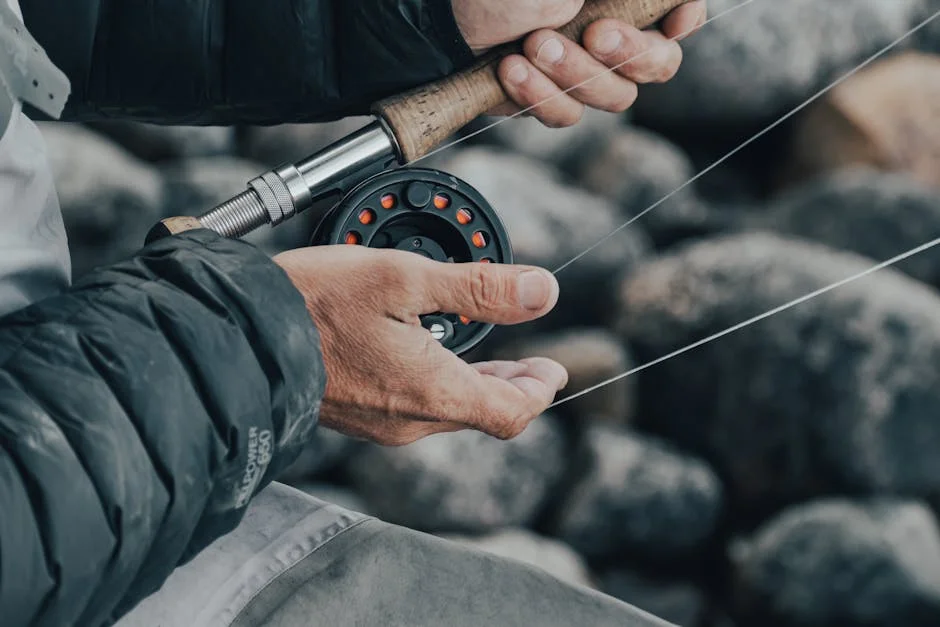
Quick Picks
SF Fly Fishing Line Weight Forward Floating Fly Line for Fly Fishing 3wt 4wt 5wt 6wt 7wt 8wt 100FT Double Welded Loops
Buy on AmazonOrvis Encounter Fly Rod Outfit - 4Pc Fishing Rod and Reel Combo with Smooth Performance, Complete with Reel, Line, Backing, & Leader for Young Anglers
Buy on Amazon| Product | Price Range | Top Strength | Key Weakness | Buy |
|---|---|---|---|---|
| SF Fly Fishing Line Weight Forward Floating Fly Line for Fly Fishing 3wt 4wt 5wt 6wt 7wt 8wt 100FT Double Welded Loops also consider | $$ | Buy on Amazon | ||
| Orvis Encounter Fly Rod Outfit - 4Pc Fishing Rod and Reel Combo with Smooth Performance, Complete with Reel, Line, Backing, & Leader for Young Anglers also consider | $$ | Buy on Amazon |
A fly fishing budget is a meaningful amount of money. It’s enough to get properly equipped without going into premium territory on every item, and it’s enough to make some genuinely bad decisions if you don’t have a plan before you start shopping.
The good news is that covers a complete, fishable setup with room left over for what actually matters: getting on the water with instruction. This resource pairs well with the broader Guides & Resources section here on RM Fly Fishing, where you’ll find complementary breakdowns on technique, water types, and gear at every price level.
How to Think About a Fly Fishing Budget
Before any product talk, the single most important thing I’d tell someone working with this budget is to resist spending it all on gear. After twenty years in this sport, the clearest pattern I’ve seen is that beginners over-invest in rods and reels and under-invest in time with someone who actually knows what they’re doing.
The guide on the Bighorn River I fished with in 2009 showed me three specific things I’d been doing wrong for five years without knowing it. I’m talking about strike detection, mend timing, and where I was actually positioning myself in the current. None of that came from a rod upgrade. That single day changed more about my fishing than any equipment purchase before or since. And I wasn’t a beginner at that point. I thought I knew what I was doing.
Hire a guide after you’ve been fishing for a year or two, specifically to find out what you’ve been doing wrong. Not a first-trip hand-holding session. A real day on the water where you tell them upfront: “I want you to tell me what I’m doing incorrectly.” That investment, budgeted deliberately, will outperform any reel upgrade you’re considering.
How to Divide the Budget
A reasonable allocation for someone starting fresh on a fly fishing budget looks roughly like this: a solid entry-to-mid outfit covering rod, reel, line, and leader, a guided day or a casting lesson from a certified instructor, foundational accessories (fly boxes, nippers, forceps, tippet spools, a basic pack or vest), and a starter fly selection appropriate to your local waters.
You do not need a premium rod to start. The gap between a well-designed mid-range rod and a premium rod matters far more to someone casting 60 feet on a technical tailwater than it does to someone still sorting out their loop control. Spend appropriately for where you actually are, not where you hope to be in two years.
Tailwater vs. Freestone: Does It Change the Budget?
It does, somewhat. On a Colorado tailwater like Cheesman Canyon or Eleven Mile, the fish see more pressure, presentations matter more, and leader/tippet selection becomes important earlier in your learning curve. On a freestone stream like the Arkansas above Salida, the fish are generally more forgiving and the environment punishes your equipment more (rocks, varied current, more snags).
For a tailwater beginner, the lean here is toward a more precise, faster-action rod even at the mid-range level. For freestone, a slightly more forgiving moderate-fast action makes the learning curve less frustrating. Both scenarios are served well by a 9-foot 5-weight as your first rod, which remains the most versatile single-rod choice in freshwater fly fishing.
Accessories Worth Budgeting
People consistently under-budget accessories. A decent pair of polarized sunglasses will help you actually see fish in the water, which changes everything about how you approach a run. My Costa Tuna Alleys have been on my face for years, but mid-range options in the -120 band do real work. Budget something for eyewear.
Quality nippers, hemostats, tippet material in 4X through 6X, a small chest pack or vest with sensible organization, and a basic fly selection appropriate to your region round out the kit. Don’t buy 200 flies. Buy 30 good ones selected for your water type and learn them well. Local fly shops will tell you exactly what’s working. That advice is free.
Top Picks for a Fly Fishing Budget
These two products represent smart choices at different points in the setup. One is a complete outfit that handles the rod-reel-line-leader problem in a single purchase. The other addresses an upgrade path for anglers who already have a rod but need a better line.
Orvis Encounter Fly Rod Outfit
The Orvis Encounter Fly Rod Outfit is one of the most consistently recommended starter packages in the mid-range bracket, and the reason is straightforward: it removes a significant source of early confusion by pairing a rod, reel, line, backing, and leader in a matched system. Verified buyers across multiple retail platforms consistently note that the outfit fishes out of the box without the compatibility questions that plague mixed-and-matched beginner setups.
The rod blank is a four-piece design, which matters practically for travel and storage. Spec data shows it’s built on Orvis’s entry-level graphite blank, which performs as a moderate-fast action that’s forgiving enough for developing casting mechanics while still having enough backbone to handle most trout scenarios up to medium-sized rivers. Experienced reviewers from fly fishing communities note it’s appropriate for 30-to-45-foot presentations, which covers the vast majority of trout fishing most beginners will actually do.
The reel included is a basic large-arbor design. Field reports from buyers are clear that it’s functional for trout fishing but is not a reel that will last twenty years. That’s honest and appropriate at this price band. The reel is your likely first upgrade after a season or two, which is normal.
The included line is weight-forward floating, matched to the rod weight. Owner reviews note it performs well enough to learn on and that the welded loops make leader attachment straightforward for beginners. Orvis’s customer service reputation is strong, and their lifetime guarantee on the rod blank is a meaningful differentiator at this price point.
For someone building a fly fishing budget setup from zero, starting with the Encounter outfit and allocating the savings toward a guided day and accessories is a legitimate strategy used by a lot of anglers who went on to fish seriously for years.
Check current price on Amazon.
SF Fly Fishing Line Weight Forward Floating Fly Line
The SF Fly Fishing Line Weight Forward Floating Fly Line addresses a specific and common scenario: the angler who already has a serviceable rod and reel but is fishing with a low-quality or worn-out line that’s limiting their casting. Line quality matters more than most beginners expect. A good rod with a poor line underperforms consistently. A decent rod with a well-designed line often outperforms a premium rod with a damaged or inappropriate line.
SF produces this line in a range covering 3wt through 8wt, all at 100 feet with double-welded loops on both ends. The double-welded loop construction is a practical detail worth noting: it allows direct loop-to-loop connection to your leader without nail knot work, which simplifies rigging and provides a consistent connection point. Spec data confirms the 100-foot length is standard and appropriate for the full range of freshwater trout situations.
Owner reviews across Amazon and several fly fishing community forums note that the line shoots reasonably well for its price band and that the coating holds up through a season of moderate use without cracking or significant memory coil development. Some verified buyers note the line runs slightly slicker than expected at first, which typically resolves after the first few cleaning cycles.
For a budget build, this line makes sense in two scenarios. First, as a replacement line if you’ve inherited or purchased a used rod-reel combination and need a functional floating line without committing premium-tier budget. Second, as a backup or dedicated rigging option if you’re setting up multiple rods for different techniques, which starts to happen naturally as anglers develop.
The mid-range positioning is appropriate. This is not a Rio Gold or Scientific Anglers Amplitude line. It’s a functional, honest product at a price point that leaves budget for the other gear categories that matter.
Check current price on Amazon.
Buying Guide: Building a Fly Fishing Setup That Actually Works
Start With a Rod-Reel-Line System, Not Individual Components
The single biggest mistake I see beginners make is buying a rod, then separately buying a reel that “fits” it, then separately buying a line, and ending up with a combination that’s technically compatible but not optimized. A 9-foot 5-weight rod paired with a reel balanced for it and a quality weight-forward floating line is your foundation. A complete outfit like the Encounter removes the guesswork here. If you’re mixing components, get advice from a fly shop before you buy. Walk into Ark Anglers or any quality local shop and describe your fishing scenario. They’ll steer you correctly. That advice is free and worth more than any review you’ll read online, including this one.
You can explore more on rod and line selection in the Guides & Resources section, where the rod selection breakdowns cover action, length, and weight choices by water type.
Match Gear to Your Actual Water, Not Your Aspirational Water
A 9-foot 5-weight is the right answer for most beginners most of the time, but local conditions should shape the decision. Small, tight mountain streams with short casting distances favor shorter rods (8 to 8.5 feet) in 3 or 4-weight. Large western rivers with bigger flies and longer presentations push toward 6-weight. If your home water is a medium-sized trout river, the 5-weight covers you well. Be honest about where you’ll actually fish in your first year, not where you hope to fish eventually. Gear bought for aspirational water often doesn’t fish as well on your actual water. Buy for where you are.
Waders and Boots: Don’t Undercut Comfort
Waders are often overlooked in budget planning and then regretted immediately. Breathable waders in the mid-range bracket perform well for three-season trout fishing. Neoprene is warmer but less versatile. Felt-soled wading boots provide excellent grip on slick rocky substrates, though many western states and some waters have restrictions or bans on felt due to invasive species transport. Rubber soles with studs (like Vibram with aluminum studs) are the more versatile and regulation-safe choice. Budget genuinely for waders and boots. Being uncomfortable or cold in the water ends fishing days early and teaches nothing.
Polarized Sunglasses Are Functional Gear, Not a Luxury
Seeing fish changes how you fish. Polarized lenses cut surface glare and allow you to see into the water column, which means you’re actually observing fish behavior, feeding lanes, and holding lies rather than guessing. This accelerates learning faster than almost any other single gear item. Glass lenses provide better optical clarity but add weight and fragility. Polycarbonate lenses are lighter and more durable for active wading. Lens color matters too: copper and amber tones work well in variable light and off-color water, while gray tones suit bright sun on open water. This is one category where spending a bit more is justified early.
Accessories: Build the Short List First
Tippet material (4X, 5X, 6X to start), a tippet spool holder, hemostats for hook removal, sharp nippers, a small net with a rubber bag (knotted mesh damages fish), a basic chest pack or vest with enough organization to keep you from digging through pockets mid-fish, and a thermometer round out a functional kit. A stream thermometer tells you water temperature, which tells you whether fish are actively feeding, whether catch-and-release mortality risk is high, and whether you should be fishing at all. Many guides check water temperature before they make any decisions about where to go. It’s a cheap piece of gear that informs a lot of choices.
Closing Thoughts
A fly fishing budget is genuinely enough to get properly set up and to invest in the instruction that will make all that gear worth owning. The gear decisions covered here, from a complete outfit like the Encounter to functional line options like the SF line, represent the mid-range tier that serves developing anglers well. Spend the rod-and-reel decision thoughtfully, buy a line that works on your specific water, and then put real budget toward time with a guide who will tell you what you’re actually doing wrong.
For deeper coverage of technique, water types, and gear at every budget level, the Guides & Resources section is where to go next.
Frequently Asked Questions
Can you realistically get started in fly fishing for ?
Yes, and is actually a reasonable amount to work with for a complete starter setup. A mid-range rod-reel-line outfit, basic accessories, waders, and a guided lesson all fit within this budget if you prioritize thoughtfully. The common mistake is spending the entire amount on gear and skipping instruction. Experienced anglers consistently report that early guided time accelerates skill development faster than equipment upgrades.
Is a fly rod and reel combo outfit worth buying, or should I piece it together?
For most beginners, a matched outfit is the better choice. Combo outfits from reputable brands like Orvis are designed to work together, which removes the compatibility and balance questions that come with mixing components. Owner reviews consistently confirm that quality matched outfits fish well straight from the box. Piecing together individual components makes more sense once you have enough experience to understand what you’re optimizing for.
What fly line should a beginner start with?
A weight-forward floating line matched to your rod weight covers the vast majority of trout fishing situations beginners encounter. Weight-forward tapers load the rod more easily at shorter distances, which is where most beginners spend most of their casting. The SF line reviewed here is a functional mid-range option. As your casting develops and you move into more technical presentations, line selection becomes more nuanced, but WF floating is the correct starting point for almost every scenario.
How much should I budget for a guided day versus gear?
Field reports from fly fishing communities and guides themselves suggest that one or two guided days early in your development are worth more than most gear upgrades. Within a total budget, allocating enough for a half-day or full-day guide trip is a legitimate strategic choice. The gear you buy will be used better afterward. Most anglers who reflect on their early years wish they’d hired a guide earlier and spent less on equipment they didn’t yet know how to use.
Does fly line quality actually matter that much at the beginner level?
It matters more than most beginners expect. A quality line that loads the rod correctly, shoots smoothly, and has appropriate taper design makes casting easier to learn. A poor line introduces feedback problems that can be mistaken for casting errors. That said, you don’t need the most expensive line available.
Where to Buy
SF Fly Fishing Line Weight Forward Floating Fly Line for Fly Fishing 3wt 4wt 5wt 6wt 7wt 8wt 100FT Double Welded LoopsSee SF Fly Fishing Line Weight Forward Fl… on Amazon