Tight Line Nymphing: Technique Tips for Better Water Reading

Affiliate disclosure: Some links on this page are affiliate links. If you buy through them we earn a small commission at no extra cost to you. Recommendations are research-driven; we don't claim personal use of every product reviewed. Product prices and availability are accurate as of the date published and are subject to change. Always check Amazon for current pricing before purchasing. Learn more.
Quick Picks
Contact Nymphing: Master Euro Nymphing, Tight-Line and the Mono Rig (BLACK AND WHITE EDITION)
Buy on Amazon2PACK- Aventik Fly Fishing Tippet Leaders Fishing Line Two-Color High Visibility European Nymph Bite Indicator 4.8LB-13.7LB 30m/Spool
Buy on Amazon| Product | Price Range | Top Strength | Key Weakness | Buy |
|---|---|---|---|---|
| Contact Nymphing: Master Euro Nymphing, Tight-Line and the Mono Rig (BLACK AND WHITE EDITION) also consider | $$ | Buy on Amazon | ||
| Cortland Indicator Mono Leader Material Fly Fishing also consider | $$ | Buy on Amazon | ||
| 2PACK- Aventik Fly Fishing Tippet Leaders Fishing Line Two-Color High Visibility European Nymph Bite Indicator 4.8LB-13.7LB 30m/Spool also consider | $$ | Buy on Amazon |
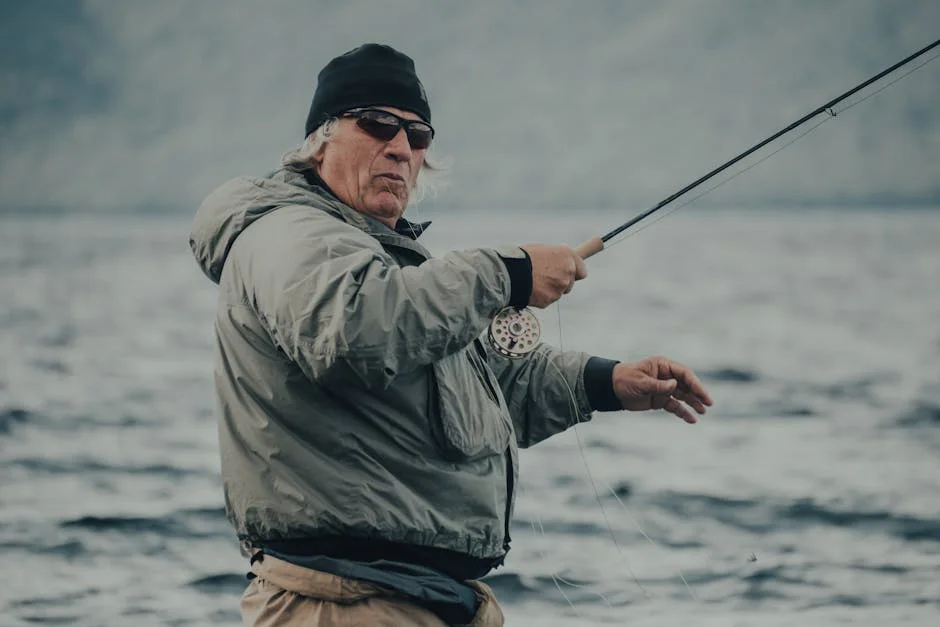
Tight line nymphing is one of those techniques that sounds simple on paper and humbles you completely on the water. Eliminate slack between your fly and your hand. Feel the take. That’s the whole idea. The reality is a few frustrating early sessions where nothing registers, followed by a single take you actually feel, and then you’re hooked.
I fished indicator nymphing for years before converting to tight line methods in 2018. Looking back, a lot of those indicator sessions were dragging flies through unproductive water and making the inactivity visible. Reading water is the real skill. The tight line system just gives you better feedback.
What Tight Line Nymphing Actually Is
Tight line nymphing covers several related techniques, with Euro nymphing being the most widely discussed. The shared principle across all of them: no fly line on the water, minimal slack in the system, and direct contact between the angler and the flies throughout the drift.
Traditional indicator nymphing suspends flies under a float and watches for movement. Tight line methods replace visual feedback with tactile and visual feedback through the leader itself. A colored sighter section, built into the leader or added as a section of bi-color monofilament, acts as the primary strike indicator. When that sighter hesitates, accelerates downstream, or ticks sideways, you lift.
The techniques that fall under the tight line umbrella include Euro nymphing (often called Czech nymphing, French nymphing, or Spanish nymphing depending on the specific approach), the mono rig, and tuck casting with a standard leader. They share DNA. What varies is the leader construction, the casting angle, and the specific water types each method handles best.
You can find a much broader overview of approaches in the Techniques & Methods section here on the site, which covers everything from dry-dropper rigs to streamer tactics. Tight line nymphing earns its own treatment because the mental framework is genuinely different from other subsurface methods.
Why It Works: The Physics of Contact
The reason tight line nymphing consistently outfishes indicator rigs in certain conditions comes down to system physics, which the engineer in me finds genuinely interesting.
A traditional fly line has mass and surface tension on the water. Even a tight mend leaves belly in the system. When a fish takes softly, the energy of that take has to move through the belly in the line before anything registers at the indicator. Subtle takes, especially on tailwaters with educated trout, get dropped before the angler ever knows they happened.
A tight line system runs monofilament from the rod tip to the flies. Monofilament has negligible mass and zero surface tension. A subtle take transmits directly through the sighter. The feedback loop is shorter by several feet of slack. Field reports from the Euro nymphing community consistently note that anglers coming from indicator rigs catch more fish on their first Euro sessions, even before they’ve mastered presentation, simply because they’re detecting takes that were invisible to them before.
The trade-off is range. Tight line methods work best at close to medium distances, generally within 30 feet of your position, because you can’t maintain contact at longer ranges without dipping the rod tip too low. Indicator rigs and dry-dropper setups still have their place at longer casts and in broken water where presentation precision matters less. Neither system is universally superior. They solve different problems.
Technique Fundamentals
The System Setup
A tight line nymphing setup runs from the rod tip through a leader built mostly or entirely from monofilament, with a sighter section of high-visibility bi-color mono, and then down to a tippet and flies. No fly line touches the water. In a proper Euro nymphing setup, the leader extends past the rod tip by enough length that the rod itself functions as an extension of the leader, keeping everything elevated off the surface.
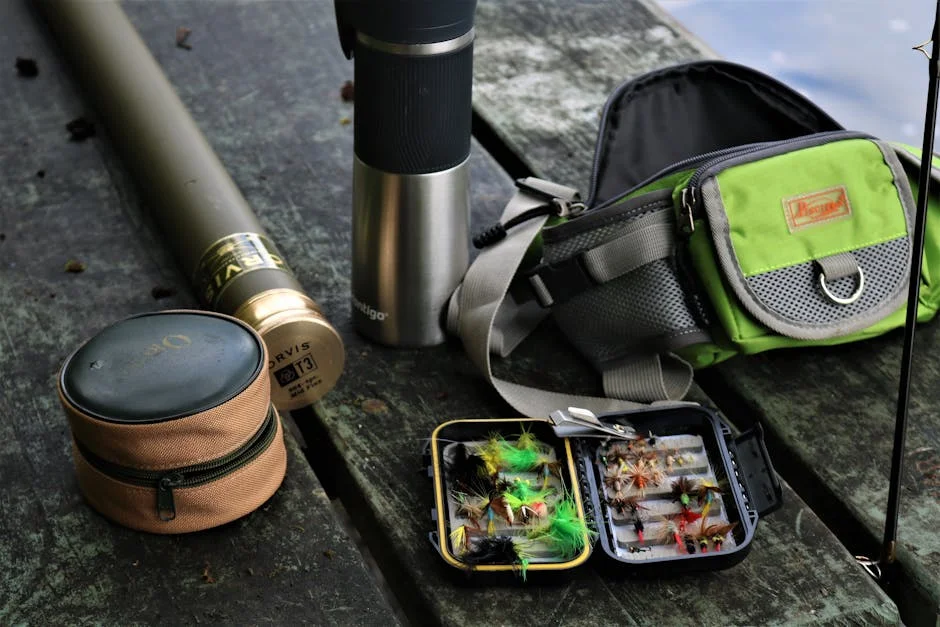
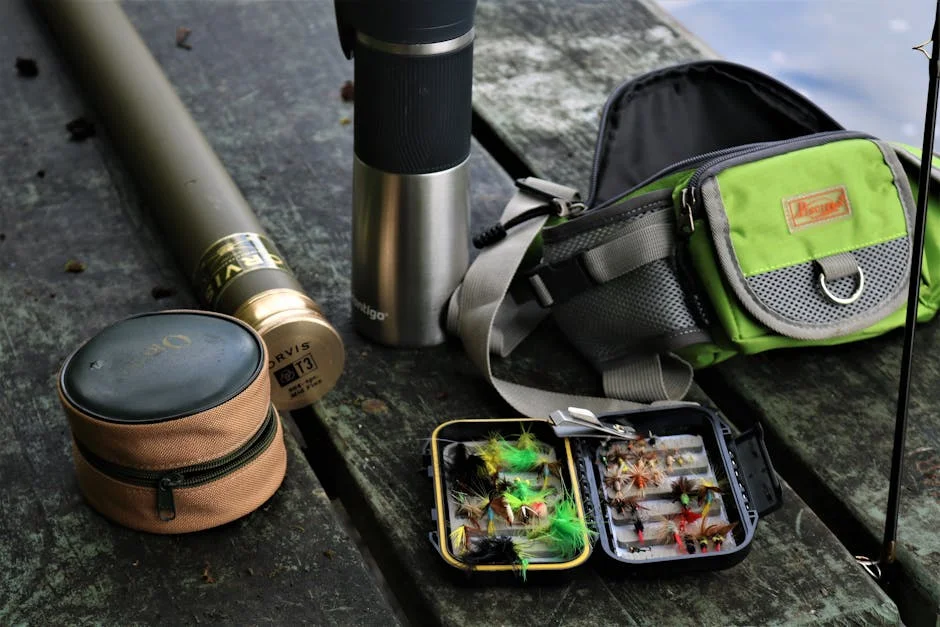
Fly selection for tight line methods leans toward heavier flies, tungsten bead nymphs in the 2.5mm to 3.5mm range, because you’re relying on the flies themselves to get down quickly. The weight of the fly drives the presentation. This is different from indicator nymphing where split shot does most of the sinking work.
Reading Contact Through the Sighter
The sighter is the part of the system that takes the most adjustment for anglers coming from indicator rigs. You’re no longer watching a cork or foam float for a dunk. You’re watching a two-inch section of bi-color mono for any deviation from its natural downstream travel.
Takes register as hesitation, a slight upstream tick, or a tightening of the sighter angle. Fast takes feel like a sudden pull. Most takes, especially on tailwaters like Cheesman Canyon or Eleven Mile, are subtle. The fish picks up the fly, you feel a soft pause, and you lift. If there’s weight, you set. The reaction time required is faster than indicator nymphing, which is why the first ten sessions on a tight line system feel like you’re constantly late.
Verified buyers of tight line instruction materials consistently note that the sighter read is the skill that takes longest to internalize. It’s not intuitive at first. After a full season of dedicated practice, most anglers report that reading the sighter becomes automatic.
Water Types and Positioning
Tight line nymphing favors certain water types. Runs with defined seams, pocket water, riffles with predictable current lanes, and tail-outs all suit the method well. You want water where you can get within 15 to 25 feet of the feeding lane and hold a position without spooking fish.
Flat, slow tailwater water is harder with a tight line setup because you need to cast further, and the longer the leader on the water the less control you maintain. This is where a skilled indicator angler still has an edge. The Missouri and the lower Bighorn have long, flat runs where an indicator rig with a longer cast covers more water effectively. Tight line methods come into their own in the broken, complex water of the upper Arkansas freestone and the steeper gradient sections of South Platte tributaries.
Positioning is everything. Wade quietly, get close, keep your rod tip elevated, and focus the drift in a short window. The payoff is contact through the entire drift, not just when something happens to move the indicator.
Buying Guide: Gear That Supports the System
The gear for tight line nymphing is genuinely different from standard fly fishing equipment, but the differences are targeted. You don’t need to replace your entire kit. You need a leader system that maintains contact, and ideally a rod that helps you feel what the leader is telling you.
Leader Material and Sighter Construction
The leader system is the foundation of tight line nymphing, and it matters more than the rod or reel. A properly built Euro leader runs from a level butt section of heavier mono, through a sighter, and down to fine tippet. The butt section holds the leader aloft. The sighter reads the take. The tippet drops the flies into the feeding zone.
Materials vary widely in diameter, visibility, and stretch characteristics. Lower-stretch monofilament transmits takes more directly but requires a softer rod to absorb the energy on the hookset. Higher-stretch material is more forgiving but dampens subtle feedback. Spec data for Euro leader materials shows that sighter sections typically run between 0.012 and 0.017 inch diameter, a range where visibility and manageability balance well. Selecting the right material for your water type makes a meaningful difference.
You can explore further leader and line discussion in the Techniques & Methods hub for context on how Euro leader construction fits within the broader spectrum of nymphing approaches.
Rod Action and Length
A tight line nymphing rod needs to do things that a standard 9-foot 5-weight wasn’t designed for. It needs length to keep the leader elevated off the water, a soft tip to detect subtle takes through monofilament, and enough backbone to set the hook cleanly at close range.
Purpose-built Euro nymphing rods run 10 to 11 feet long, in 2-weight to 4-weight ratings, with softer progressive actions that telegraph takes through the blank itself. Owner reviews of dedicated Euro rods consistently describe a tactile quality during the drift that 9-foot all-purpose rods don’t replicate. That said, you can absolutely start with a 9-foot rod and a monofilament leader to learn the method before committing to dedicated equipment.
Budget vs. Dedicated System Investment
The honest reality of tight line nymphing gear is that the system works on a spectrum. A length of level monofilament, a section of bi-color sighter material, and tippet will get you fishing the method with your current rod. That minimal rig costs almost nothing and teaches you the fundamentals.
A dedicated Euro setup, purpose-built rod, competition mono line, and properly constructed leader, performs noticeably better once your technique is developed enough to use those advantages. Owner feedback across the Euro nymphing community is consistent: the technique differences matter more in the first few seasons, and the gear differences matter more as skill improves. Start simple, fish it hard, invest in dedicated gear when the basic system becomes the limiting factor.
Fly Weight and Pattern Selection
Tight line nymphing relies on the flies themselves to reach the bottom, so fly weight selection is a functional decision, not just an aesthetic one. Field reports from Euro nymphing guides on the Arkansas and South Platte indicate that heavier tungsten nymphs in size 14 to 18 cover most situations in Colorado freestone and tailwater conditions.
Pattern selection matters less than most beginners expect. A guide on the Bighorn straightened me out on this years ago: four proven patterns fished confidently outperform a box of 400 options every time. For tight line nymphing, a heavy Perdigon or tungsten Hare’s Ear, an RS2, and a small midge larva cover a majority of situations across tailwaters and freestone. Fish them in different combinations until you find what the fish want that day.
Top Picks
Contact Nymphing: Master Euro Nymphing, Tight-Line and the Mono Rig (BLACK AND WHITE EDITION)
Contact Nymphing: Master Euro Nymphing, Tight-Line and the Mono Rig (BLACK AND WHITE EDITION) is the most comprehensive written resource on tight line methods currently available. Authored by George Daniel, who spent years as the U.S. competitive fly fishing team coach, this covers Euro nymphing, the mono rig, and tight line principles across multiple water types with technical depth that goes beyond YouTube tutorials.
I’ll be direct about my experience here: George Daniel’s earlier work, “Dynamic Nymphing,” sat on my shelf for a year before I finally read it. When I did, it converted me to Euro nymphing within a season. “Contact Nymphing” builds on that foundation with more advanced material on system construction and reading water. Verified buyers of the black and white edition note that the content is identical to the full-color version and the mid-range price point makes it an easy decision.
Owner reviews consistently highlight the leader construction chapters and the water-reading sections as the most practically useful. Readers coming from indicator nymphing backgrounds report that the book helped them understand why the system works, which accelerated the learning curve significantly. The physical format works well for marking up and re-reading, which field reports suggest most anglers do multiple times across their first few seasons with tight line methods.
Check current price on Amazon.
Cortland Indicator Mono Leader Material Fly Fishing
Cortland Indicator Mono Leader Material Fly Fishing is a monofilament material designed specifically for sighter construction in Euro and tight line nymphing rigs. The material runs in high-visibility colors and the specs fall within the diameter range that works well for sighter sections, visible enough to read from the rod tip angle most tight line anglers fish.
The specific line that threads through a tight line system matters more than most anglers realize. A monofilament sighter needs to be visible at distance, manageable in the hand when stripping or re-rigging, and stiff enough to resist wind without so much memory that it coils off the spool. Cortland’s competition and indicator product lines have been referenced by tight line community members consistently over several seasons, and spec data confirms the material falls within standard sighter diameter ranges.
Verified buyers note that the material holds its color after repeated use and doesn’t develop significant memory when stored on a standard tippet spool. Owner reviews mention that the bi-color options are the most useful for reading subtle drift deviations, since the color transition gives a fixed reference point on the sighter. It fills the same functional role as pricier competition sighter materials at a mid-range price point.
Check current price on Amazon.
2PACK Aventik Fly Fishing Tippet Leaders Two-Color High Visibility European Nymph Bite Indicator
2PACK- Aventik Fly Fishing Tippet Leaders Fishing Line Two-Color High Visibility European Nymph Bite Indicator 4.8LB-13.7LB 30m/Spool fills the sighter material role at a budget-accessible entry point within the mid-range category. The two-pack format and 30 meter spool give you enough material to build multiple leaders and experiment with sighter length before settling on a configuration that works for your home water.
The strength range of 4.8 to 13.7 pounds covers the full spectrum of sighter and light butt section applications in a standard Euro leader. Spec data on the two-color construction is consistent with what the tight line nymphing community uses for sighter sections, giving a visible reference point for reading drift behavior and detecting takes. Owner reviews note that the high-visibility color alternation works well in varying light conditions, which matters when you’re fishing into the sun on Colorado tailwaters in the morning.
Field reports from budget-conscious anglers learning tight line nymphing indicate that this material performs comparably to pricier alternatives for the sighter section specifically. The two-spool format means one color combination can be tested against another without a significant material investment. For anglers building their first few Euro leaders before committing to a specific sighter preference, the quantity and price band make this a practical starting point.
Check current price on Amazon.
Closing Thoughts
Tight line nymphing gets oversold as a complex system requiring specialized everything. The core principle is simple enough to start practicing this weekend with gear you likely already own. Build a monofilament leader, add a short bi-color sighter section, put tungsten nymphs on the business end, and wade close to good water. The system will start talking to you within a few sessions.
The learning curve is real. My first twenty sessions on Euro gear felt like I was fishing worse than before. Then it clicked, and now I fish tight line methods the majority of the time I’m subsurface. That’s eight seasons of refinement, and I’m still learning. For a full picture of where tight line nymphing fits alongside other methods, the fly fishing techniques and methods section covers the broader range of approaches worth understanding as your skills develop.
Frequently Asked Questions
Do I need a specialized Euro nymphing rod to try tight line nymphing?
No. A standard 9-foot rod paired with a monofilament leader and bi-color sighter section gets you fishing the method without any new equipment. The technique principles work independently of specialized gear. Purpose-built Euro rods, longer, lighter, with softer tips, do improve the feedback loop and the ability to keep the leader elevated.
What is a sighter and why does it matter?
A sighter is a short section of high-visibility bi-color monofilament built into the leader, positioned between the butt section and the tippet. It functions as the primary take indicator in a tight line system, replacing the cork or foam float used in traditional indicator nymphing. You read the sighter for hesitation, upstream ticks, or changes in drift angle. Verified buyers of instruction materials consistently identify the sighter read as the single most important skill to develop when learning tight line methods.
Can tight line nymphing work on tailwaters with educated fish?
Yes, and in many conditions it outperforms indicator rigs on tailwaters. The shorter feedback loop means subtle takes that never register on an indicator get detected through the sighter. The limitation is range: flat, slow tailwater runs where long casts are necessary favor indicator rigs. Tighter seams, riffles, and broken water on tailwaters like Cheesman Canyon or Eleven Mile Canyon suit tight line methods well.
How does fly weight affect tight line nymphing presentations?
Fly weight is a primary presentation control in tight line nymphing because no fly line or split shot is doing the sinking work. Heavier tungsten bead nymphs, typically 2.5mm to 3.5mm, reach the bottom faster and hold the target depth through the drift. Lighter flies work in shallower, slower water. Field reports from guides on Colorado freestone and tailwater rivers indicate that tungsten-bead patterns in size 14 to 18 cover the majority of conditions effectively.
How long does it take to become competent at tight line nymphing?
Most anglers report that the technique starts producing results within five to ten dedicated sessions, with a meaningful improvement in fish detection by the end of the first season. The first several sessions typically feel frustrating because you’re retraining your eyes and hands to read a new feedback system. Owner reviews of tight line instruction books suggest that understanding why the system works, not just how to rig it, shortens the learning curve. Fishing the same stretch of water repeatedly while learning helps because you can focus on technique rather than also reading unfamiliar water.
<script type="application/ld+json">
{
 "@context": "https://schema.org",
 "@type": "FAQPage",
 "mainEntity": [
 {
 "@type": "Question",
 "name": "Do I need a specialized Euro nymphing rod to try tight line nymphing?",
 "acceptedAnswer": {
 "@type": "Answer",
 "text": "No. A standard 9-foot rod paired with a monofilament leader and bi-color sighter section gets you fishing the method without any new equipment. The technique principles work independently of specialized gear. Purpose-built Euro rods, longer, lighter, with softer tips, do improve the feedback loop and the ability to keep the leader elevated. Start with what you have, fish it for a season, and invest in dedicated gear if the method clicks and the basic setup becomes the limiting factor."
 }
 },
 {
 "@type": "Question",
 "name": "What is a sighter and why does it matter?",
 "acceptedAnswer": {
 "@type": "Answer",
 "text": "A sighter is a short section of high-visibility bi-color monofilament built into the leader, positioned between the butt section and the tippet. It functions as the primary take indicator in a tight line system, replacing the cork or foam float used in traditional indicator nymphing. You read the sighter for hesitation, upstream ticks, or changes in drift angle. Verified buyers of instruction materials consistently identify the sighter read as the single most important skill to develop when learning tight line methods."
 }
 },
 {
 "@type": "Question",
 "name": "Can tight line nymphing work on tailwaters with educated fish?",
 "acceptedAnswer": {
 "@type": "Answer",
 "text": "Yes, and in many conditions it outperforms indicator rigs on tailwaters. The shorter feedback loop means subtle takes that never register on an indicator get detected through the sighter. The limitation is range: flat, slow tailwater runs where long casts are necessary favor indicator rigs. Tighter seams, riffles, and broken water on tailwaters like Cheesman Canyon or Eleven Mile Canyon suit tight line methods well. Most experienced tailwater anglers fish both methods and select based on the specific piece of water in front of them."
 }
 },
 {
 "@type": "Question",
 "name": "How does fly weight affect tight line nymphing presentations?",
 "acceptedAnswer": {
 "@type": "Answer",
 "text": "Fly weight is a primary presentation control in tight line nymphing because no fly line or split shot is doing the sinking work. Heavier tungsten bead nymphs, typically 2.5mm to 3.5mm, reach the bottom faster and hold the target depth through the drift. Lighter flies work in shallower, slower water. Field reports from guides on Colorado freestone and tailwater rivers indicate that tungsten-bead patterns in size 14 to 18 cover the majority of conditions effectively. Carrying several weight options within proven patterns matters more than carrying many different patterns."
 }
 },
 {
 "@type": "Question",
 "name": "How long does it take to become competent at tight line nymphing?",
 "acceptedAnswer": {
 "@type": "Answer",
 "text": "Most anglers report that the technique starts producing results within five to ten dedicated sessions, with a meaningful improvement in fish detection by the end of the first season. The first several sessions typically feel frustrating because you're retraining your eyes and hands to read a new feedback system. Owner reviews of tight line instruction books suggest that understanding why the system works, not just how to rig it, shortens the learning curve. Fishing the same stretch of water repeatedly while learning helps because you can focus on technique rather than also reading unfamiliar water."
 }
 }
 ]
}
</script>Where to Buy
Contact Nymphing: Master Euro Nymphing, Tight-Line and the Mono Rig (BLACK AND WHITE EDITION)See Contact Nymphing: Master Euro Nymphin… on Amazon