Match the Hatch: Essential Fly Fishing Guide for Trout

Affiliate disclosure: Some links on this page are affiliate links. If you buy through them we earn a small commission at no extra cost to you. Recommendations are research-driven; we don't claim personal use of every product reviewed. Product prices and availability are accurate as of the date published and are subject to change. Always check Amazon for current pricing before purchasing. Learn more.
Quick Picks
Match the Hatch: Horse Doctor Adventures (Horse Doctor Adventures Catch and Release Book 3)
Buy on AmazonRoxStar Fishing Fly Shop | BeadHead Tungsten & Brass Fly Assortment | Proudly Hand Crafted in The USA | Gift Box Included.
Buy on Amazon| Product | Price Range | Top Strength | Key Weakness | Buy |
|---|---|---|---|---|
| Handbook of Hatches also consider | $$ | Buy on Amazon | ||
| Match the Hatch: Horse Doctor Adventures (Horse Doctor Adventures Catch and Release Book 3) also consider | $$ | Buy on Amazon | ||
| RoxStar Fishing Fly Shop | BeadHead Tungsten & Brass Fly Assortment | Proudly Hand Crafted in The USA | Gift Box Included. also consider | $$ | Buy on Amazon |
Fly fishing is built on a simple, frustrating truth: trout eat what’s in the water right now, and if you don’t know what that is, you’re guessing. Matching the hatch, the practice of identifying the insects trout are feeding on and presenting an imitation close enough to fool them, is the foundation most fly fishers spend years trying to understand.
I spent the better part of my first decade overcomplicating it. Four hundred flies in my box and I was still getting outfished by guys carrying a single foam box. The skill isn’t pattern accumulation. It’s observation, understanding, and a short list of patterns that hold up under real conditions.
What “Match the Hatch” Actually Means on the Water
The phrase gets thrown around in fly shops and forums like it’s a single technique, but it covers a lot of ground. At its simplest, matching the hatch means identifying which insect species is active, at what life stage (nymph, emerger, adult, spinner), and in what size and color, then presenting an artificial fly that convinces a trout the imitation is the real thing.
The challenge is that trout aren’t always feeding on what’s most obvious. A heavy PMD spinner fall on the South Platte can produce fish sipping quietly in flat water while the surface is covered with naturals, and those fish may want an RS2 emerger rather than a dun imitation, because they’re picking insects just below the film before they complete the hatch. Reading what the fish are actually taking, not just what’s flying around, is where the skill lives.
Our Flies & Patterns hub covers the major hatch groups, life stage breakdowns, and regional fly selections in more depth. If you’re building your knowledge base from the ground up, that’s the right starting point before worrying about which specific patterns to carry.
The Four Life Stages You Need to Know
Every aquatic insect you’ll encounter in trout water moves through life stages, and trout feed selectively at each one. The four you need to understand are the nymph (subsurface, larval stage), the emerger (the critical transition phase as the insect rises and breaks through the surface film), the adult or dun (the winged adult on the surface), and the spinner (the spent adult that falls back to the water after mating).
Most beginners focus on the adult stage because it’s visible. They see a hatch, tie on a dry fly matching the species, and wonder why the fish aren’t responding. Often, the fish are still keyed in on emergers or nymphs because the hatch is still building. Timing your fly selection to the stage the fish are actually eating is worth more than having the exact right pattern.
Tailwater vs. Freestone: Different Rules Apply
Water type changes the matching equation significantly. On Colorado tailwaters like Cheesman Canyon or the Dream Stream, the hatch schedule is more predictable, the fish are heavily pressured and selective, and size and tippet diameter matter as much as pattern. I fish 6X on tailwater glides where the current is steady and the fish have seen every common PMD imitation twice.
On freestone streams like the Arkansas through Salida, the insect mix is broader, the fish are generally less selective, and presentation matters more than exact imitation. A well-drifted Parachute Adams in a freestone pocket will catch fish that a more technically correct dun imitation presented with a bad drift won’t touch. Know your water before you obsess over your pattern selection.
Buying Guide: Tools for Understanding and Matching Hatches
Whether you’re building your entomology knowledge, adding proven imitation patterns to your box, or just looking for an engaging read that reinforces what happens on the water, the tools below cover the range. Here’s what to think about before you buy.
Knowledge Before Patterns
The single biggest mistake anglers make with matching the hatch is skipping the foundational knowledge and going straight to pattern buying. A hatch identification guide isn’t optional gear. It’s the reason your fly selection will eventually make sense rather than feeling like guesswork.
The Handbook of Hatches by Dave Hughes is the reference that most western anglers eventually end up owning. Before you spend money on a dozen new fly patterns, spend it on understanding what you’re trying to imitate and why.
For anglers fishing the Flies & Patterns resources on this site, pairing that reading with a solid entomology reference creates a practical feedback loop between what you’re learning and what you’re seeing on the water.
Pattern Selection: Go Narrow, Not Wide
After twenty years, I’ve stopped buying new patterns just because they’re new. The guide on the Bighorn who stripped my box down to four flies, a Pheasant Tail nymph, an RS2, a small Parachute Adams, and a Black Beauty midge, was doing me a favor that took me years to fully appreciate. Four patterns. More fish than any previous trip.
When you do add patterns, add them because they fill a genuine gap in your coverage of a specific hatch stage at the waters you actually fish. A beadhead nymph assortment covering PMD, Baetis, and midge larvae fills real gaps. A set of obscure regional dry flies for streams you’ve never visited does not.
Beadhead Weight and Drift Mechanics
If you euro nymph (which I’ve been doing since 2018 on the Cortland Competition Nymph 3wt), bead material and size are not minor details. Tungsten beads sink faster and fish deeper on the same tippet diameter than brass, which matters when you’re trying to get a size 18 Pheasant Tail into the feeding lane on a heavy-flowing tailwater run.
In slower freestone pools, brass beads give you a more natural drift rate and can actually be more effective because the fly doesn’t blow through the zone too quickly. Match your bead weight to your water speed, not just to the fly pattern name on the bin.
Investing in Education vs. Equipment
A mid-range hatch reference book will teach you more per dollar than almost any piece of gear. If you’re newer to matching the hatch, the right sequence is: read the science, observe the water, then buy the patterns that address the gaps you identify through that observation. Reverse the order and you’ll spend a lot on flies that never leave the box.
Building a Practical Box
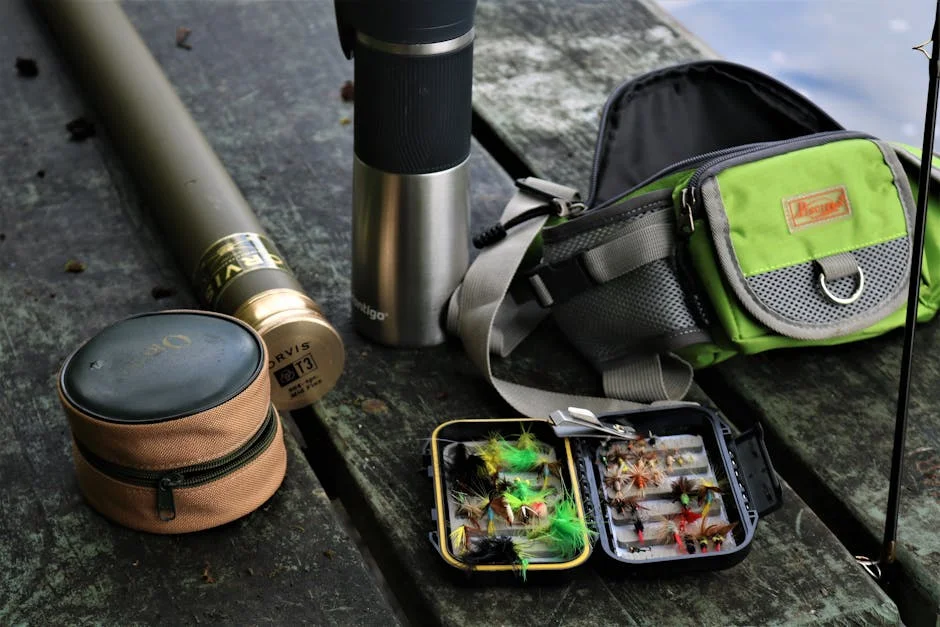
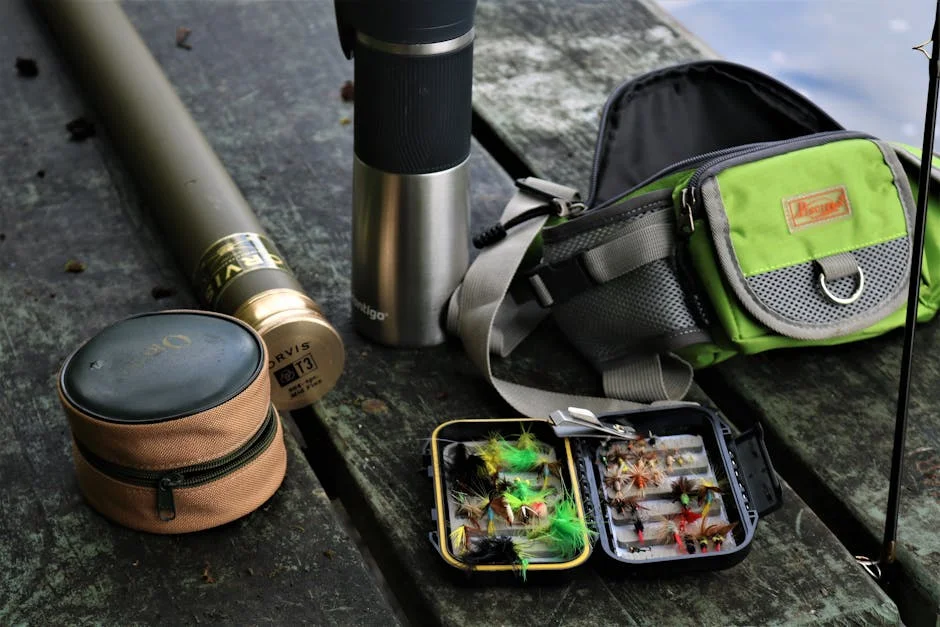
A functional hatch-matching box for most Rocky Mountain trout water doesn’t require more than thirty to forty flies if they’re chosen deliberately. The Pheasant Tail nymph is the fly I’d take to a desert island. Every significant tailwater I’ve fished responds to a bead-head PT in sizes 16 to 20. Cheesman Canyon, the upper Frying Pan, the Dream Stream, they’re all PT water when conditions are uncertain.
The Parachute Adams is the dry fly equivalent. I learned to tie it in year three and haven’t stopped since. The white parachute post is readable on fast tailwater glides where tracking the drift is hard. In sizes 14 to 18, it covers most PMD and caddis hatches with enough convincing to produce strikes from fish that aren’t locked into one specific emerger profile.
Top Picks
These three resources, two books and a fly assortment, address different parts of the matching the hatch equation. None of them replaces time on the water, but all three support the process of getting better at it.
Handbook of Hatches
The Handbook of Hatches by Dave Hughes is one of the most practically useful entomology references available for North American trout fishing. It covers the major insect orders (mayflies, caddisflies, stoneflies, midges, and more) with enough biological detail to understand what’s happening in the water and enough pattern guidance to connect that knowledge to your fly box.
Verified buyers consistently note that the book’s organization by hatch type rather than region makes it broadly applicable regardless of where you fish. Owner reviews highlight the life stage photography and the pattern suggestions as the most referenced sections, particularly for anglers newer to entomology who need a clear bridge between bug identification and fly selection.
Spec data confirms coverage of the major aquatic insect orders, emergence timing by region, and suggested imitation patterns for each stage. Field reports from fly fishing communities indicate this is the book most often recommended by guides and shop staff when clients ask how to start understanding hatches seriously. It sits in the mid-price range and represents strong value given how long most anglers keep it in use. It’s not a coffee table book. The binding takes some wear, and the format is reference-style rather than narrative, which suits its purpose but won’t appeal to readers looking for storytelling.
Check current price on Amazon.
Match the Hatch: Horse Doctor Adventures (Horse Doctor Adventures Catch and Release Book 3)
Match the Hatch: Horse Doctor Adventures is a different kind of entry in the matching the hatch category. Rather than a technical reference, it’s the third installment in a fiction series centered on an equine veterinarian whose fly fishing adventures carry catch-and-release ethics and a reverence for trout water throughout.
Owner reviews describe it as a lighthearted, character-driven read that works well for anglers who want fly fishing to show up in their leisure reading, not just their reference library. Verified buyers in this series note that the books are quick reads, appropriate for evenings at camp or the cabin, and that the fishing detail is accurate enough to feel credible without being technical. It fits the mid-price band for digital fiction and sits comfortably alongside the first two books in the series for readers already invested in the characters.
This isn’t a pattern guide or an entomology reference. Its value is in reinforcing the culture and ethics of fly fishing through an engaging narrative, which has its own place in how anglers develop their relationship with the sport.
Check current price on Amazon.
RoxStar Fishing Fly Shop BeadHead Tungsten and Brass Fly Assortment
The RoxStar Fishing Fly Shop BeadHead Tungsten and Brass Fly Assortment is a hand-crafted domestic fly assortment that covers beadhead nymph patterns across multiple species and sizes, offered with a gift box included. It’s positioned in the mid-price range for pre-tied fly assortments and is specifically notable for being hand-crafted in the USA, which tends to mean tighter thread wraps and more consistent dubbing bodies than many imported assortments.
Verified buyers note that the assortment works well as both a starter set for newer anglers building their first hatch-matching box and as a gift item given the included packaging. Owner reviews highlight the quality control as generally consistent, with hook sharpness and bead sizing called out positively across multiple comments. Field reports from buyers fishing Rocky Mountain tailwaters note that the Pheasant Tail and Hare’s Ear variants perform reliably, which aligns with what most experienced anglers would expect from well-tied versions of those patterns.
The mix of tungsten and brass beads across the assortment gives anglers some flexibility in matching bead weight to water speed and depth, which is a practical consideration rather than a marketing detail. For anglers who don’t yet tie their own flies, a domestic hand-tied assortment at this price point fills the box with patterns that cover real hatches.
Check current price on Amazon.
Bringing It Together
Matching the hatch is a skill that rewards patience and honest self-assessment more than gear accumulation. The guide on the Bighorn who handed me back four flies from my four-hundred-fly box wasn’t being dismissive. He was pointing out something I’d been resisting for years: selectivity in your approach beats comprehensiveness in your box. That lesson applies to what you read, what you carry, and how you observe the water before you make your first cast.
More pattern resources, regional hatch breakdowns, and tying guides are available in our fly fishing patterns library. The entomology knowledge and the water time reinforce each other, and getting both working together is what makes this pursuit interesting for twenty years and counting.
Frequently Asked Questions
What does “match the hatch” mean in fly fishing?
Matching the hatch refers to the practice of identifying which aquatic insect is currently active in the water, at which life stage (nymph, emerger, adult, or spinner), and then presenting an artificial fly that closely enough resembles that insect to fool a feeding trout. The concept applies to both dry fly fishing on the surface and nymph fishing below it. Successful hatch matching requires observation of what fish are actually eating, not just what insects are visible in the air or on the water.
Do I need to learn entomology to be a good hatch matcher?
You don’t need a biology degree, but a working knowledge of the four major aquatic insect orders (mayflies, caddisflies, stoneflies, and midges) will make you meaningfully more effective on the water. A solid reference like the Handbook of Hatches covers the practical side without becoming academic. Most experienced anglers eventually learn to recognize the common genera by sight and understand how emergence timing and water temperature interact. That foundational knowledge is what makes your pattern selection feel systematic rather than random.
How many fly patterns do I actually need for matching hatches?
Far fewer than most beginning anglers think. A guide on the Bighorn once narrowed my working selection to four patterns for an entire trip and I caught more fish than any previous visit to that river. For most Rocky Mountain trout water, a Pheasant Tail nymph, an RS2 or Baetis emerger, a Parachute Adams, and a midge pattern in a few sizes covers the majority of hatch situations you’ll encounter. Add patterns deliberately when you identify a specific gap in your coverage, not just because a pattern is new or visually appealing.
What’s the difference between matching the hatch on tailwaters versus freestone streams?
Tailwaters like Cheesman Canyon or the Dream Stream have more consistent, predictable hatch schedules and heavily pressured fish that are genuinely selective about size, silhouette, and tippet diameter. Freestone streams have more varied insect populations and less pressured fish that respond more to presentation quality than exact imitation. On tailwater, a one-size-off Pheasant Tail may get refusals. On freestone, a well-drifted generic nymph in the right color range usually works.
Are pre-tied fly assortments worth buying, or should I learn to tie my own?
Pre-tied assortments from quality domestic tyers are a practical choice for anglers who don’t yet tie their own flies, and they make sense as a gap-filler even for tyers who tie their primary patterns but need to round out their box. The key is buying from assortments that specify the patterns included and that come from tyers with demonstrated quality control. Learning to tie your own flies eventually makes sense for patterns you use heavily, since it lets you adjust size, bead weight, and materials to match your specific water conditions in ways pre-tied assortments can’t anticipate.
<script type="application/ld+json">
{
 "@context": "https://schema.org",
 "@type": "FAQPage",
 "mainEntity": [
 {
 "@type": "Question",
 "name": "What does \"match the hatch\" mean in fly fishing?",
 "acceptedAnswer": {
 "@type": "Answer",
 "text": "Matching the hatch refers to the practice of identifying which aquatic insect is currently active in the water, at which life stage (nymph, emerger, adult, or spinner), and then presenting an artificial fly that closely enough resembles that insect to fool a feeding trout. The concept applies to both dry fly fishing on the surface and nymph fishing below it. Successful hatch matching requires observation of what fish are actually eating, not just what insects are visible in the air or on the water."
 }
 },
 {
 "@type": "Question",
 "name": "Do I need to learn entomology to be a good hatch matcher?",
 "acceptedAnswer": {
 "@type": "Answer",
 "text": "You don't need a biology degree, but a working knowledge of the four major aquatic insect orders (mayflies, caddisflies, stoneflies, and midges) will make you meaningfully more effective on the water. A solid reference like the Handbook of Hatches covers the practical side without becoming academic. Most experienced anglers eventually learn to recognize the common genera by sight and understand how emergence timing and water temperature interact. That foundational knowledge is what makes your pattern selection feel systematic rather than random."
 }
 },
 {
 "@type": "Question",
 "name": "How many fly patterns do I actually need for matching hatches?",
 "acceptedAnswer": {
 "@type": "Answer",
 "text": "Far fewer than most beginning anglers think. A guide on the Bighorn once narrowed my working selection to four patterns for an entire trip and I caught more fish than any previous visit to that river. For most Rocky Mountain trout water, a Pheasant Tail nymph, an RS2 or Baetis emerger, a Parachute Adams, and a midge pattern in a few sizes covers the majority of hatch situations you'll encounter. Add patterns deliberately when you identify a specific gap in your coverage, not just because a pattern is new or visually appealing."
 }
 },
 {
 "@type": "Question",
 "name": "What's the difference between matching the hatch on tailwaters versus freestone streams?",
 "acceptedAnswer": {
 "@type": "Answer",
 "text": "Tailwaters like Cheesman Canyon or the Dream Stream have more consistent, predictable hatch schedules and heavily pressured fish that are genuinely selective about size, silhouette, and tippet diameter. Freestone streams have more varied insect populations and less pressured fish that respond more to presentation quality than exact imitation. On tailwater, a one-size-off Pheasant Tail may get refusals. On freestone, a well-drifted generic nymph in the right color range usually works. Know your water type before you decide how much precision your pattern selection requires."
 }
 },
 {
 "@type": "Question",
 "name": "Are pre-tied fly assortments worth buying, or should I learn to tie my own?",
 "acceptedAnswer": {
 "@type": "Answer",
 "text": "Pre-tied assortments from quality domestic tyers are a practical choice for anglers who don't yet tie their own flies, and they make sense as a gap-filler even for tyers who tie their primary patterns but need to round out their box. The key is buying from assortments that specify the patterns included and that come from tyers with demonstrated quality control. Learning to tie your own flies eventually makes sense for patterns you use heavily, since it lets you adjust size, bead weight, and materials to match your specific water conditions in ways pre-tied assortments can't anticipate."
 }
 }
 ]
}
</script>Where to Buy
Handbook of HatchesSee Handbook of Hatches on Amazon