Orvis Fly Rod Lineup: Which Model Fits Your Style

Affiliate disclosure: Some links on this page are affiliate links. If you buy through them we earn a small commission at no extra cost to you. Recommendations are research-driven; we don't claim personal use of every product reviewed. Product prices and availability are accurate as of the date published and are subject to change. Always check Amazon for current pricing before purchasing. Learn more.
Quick Picks
Orvis Clearwater Fly Rod
Legitimate Orvis quality at a genuine beginner price
Buy on AmazonOrvis Recon Fly Rod
Excellent performance at a significantly lower price than Helios
Buy on AmazonOrvis Helios 3D Fly Rod
Distance and accuracy benchmark rod from one of fly fishing's most trusted brands
Buy on Amazon| Product | Price Range | Top Strength | Key Weakness | Buy |
|---|---|---|---|---|
| Orvis Clearwater Fly Rod also consider | $ | Legitimate Orvis quality at a genuine beginner price | Significantly below Recon and Helios in blank performance | Buy on Amazon |
| Orvis Recon Fly Rod also consider | $$ | Excellent performance at a significantly lower price than Helios | Noticeably below Helios in blank refinement at close ranges | Buy on Amazon |
| Orvis Helios 3D Fly Rod also consider | $$$ | Distance and accuracy benchmark rod from one of fly fishing's most trusted brands | Premium price competes against strong offerings from Sage and Winston | Buy on Amazon |
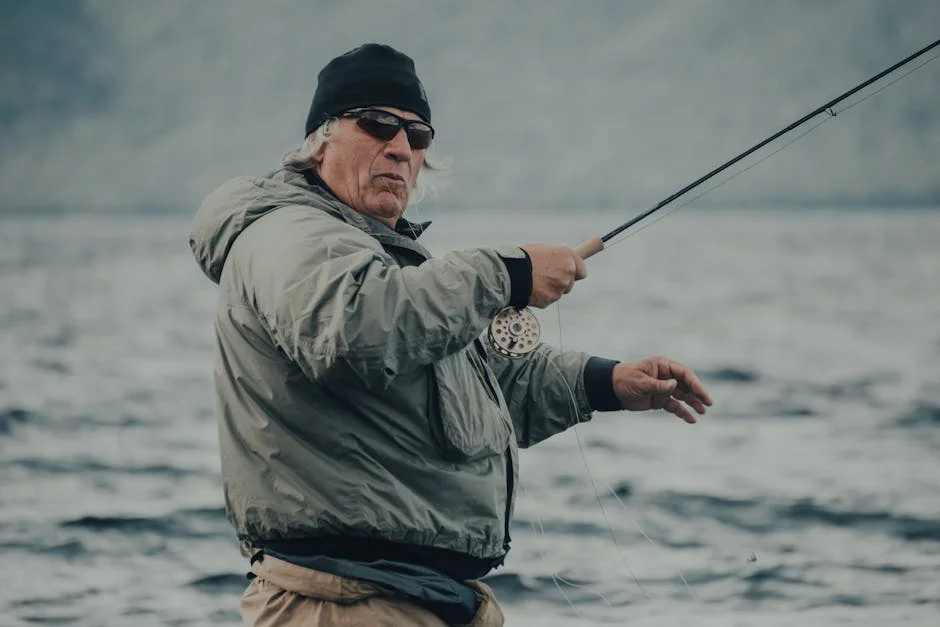
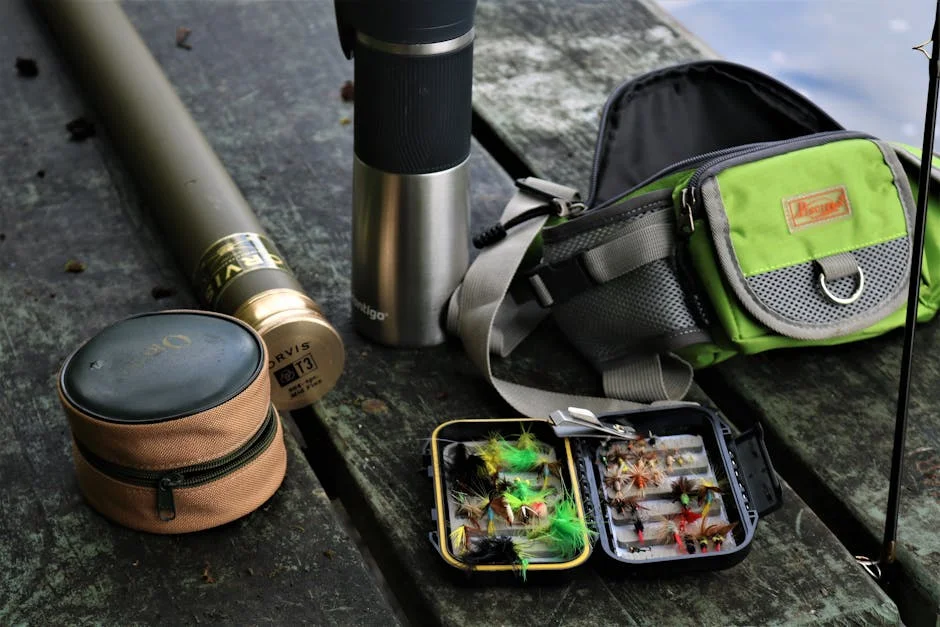
Orvis has been building fly rods long enough that their lineup tells a clear story about where American fly fishing has been and where it’s going. Three tiers, three very different kinds of angler, and one brand holding it all together with a 25-year guarantee that no other major manufacturer matches. If you’re sorting out which Orvis rod belongs in your hands, the lineup logic matters more than the marketing.
Before anything else: faster isn’t always better. That’s a lesson I learned the hard way early on, buying a stiff fast-action blank because I thought it would help me cast farther. It did the opposite. Two seasons of fighting the rod later, I finally understood that rod action and casting skill have to match. Keep that in mind as you read through what each tier of the Orvis Fly Rods lineup actually offers.
What Orvis Gets Right Across the Board
Orvis occupies a unique position in fly fishing. They run their own retail stores, publish free casting instruction online, and back every rod with a guarantee that puts competitors on notice. That support infrastructure matters more than most buyers realize, especially newer anglers who aren’t plugged into a local fly shop community yet. Verified buyers across the lineup consistently mention Orvis’s customer service as a differentiator, and the resale market for Orvis rods holds up better than most mid-tier brands.
The tradeoff is pricing. Orvis rods tend to cost more than comparable blanks from Redington, Echo, or even some St. Croix configurations at each tier. You’re paying for the brand system, not just the stick. Whether that premium is worth it depends entirely on how much you’ll use the retail support and whether the guarantee gives you peace of mind on an expensive purchase.
Top Picks in the Orvis Fly Rod Lineup
Orvis Clearwater Fly Rod
The Orvis Clearwater Fly Rod is Orvis’s entry point, and it does what a good entry-level rod should do: it gets new anglers on the water with legitimate gear at a budget price point. Spec data shows a medium-fast action blank that’s more forgiving than Orvis’s upper tiers, which is exactly what beginners need. Fast-action rods punish imprecise loops. Medium-fast rods are more tolerant of the timing inconsistencies that every new caster has.
Owner reviews consistently note that the Clearwater punches above its price class for basic trout fishing situations. It’s not going to surprise you with some hidden reserve of performance at distance, but for 20 to 40 foot casts on a small stream or a beginner lesson, it loads predictably and gives new anglers a fighting chance of actually enjoying themselves instead of wrestling the rod.
The honest competitive picture: Redington Crosswater and Echo Base offer comparable blank performance at lower cost. If the Orvis retail ecosystem, the free instructional resources, and the brand guarantee mean something to you or to the person you’re buying this for, the Clearwater earns its place. If you’re purely looking at blank-per-dollar, there are cheaper ways to get a new angler started.
For gift buyers and parents setting up a teenager or spouse for their first lessons, the Clearwater’s access to Orvis’s instruction pipeline is genuinely useful. Field reports from beginner angling communities suggest that having the backing of Orvis retail support reduces the friction of getting started, particularly for anglers who don’t have a local fly shop connection yet.
Check current price on Amazon.
Orvis Recon Fly Rod
The Orvis Recon Fly Rod is where the Orvis lineup gets interesting. This is a fast-action blank at a mid-range price point, and verified buyers consistently report that it closes most of the performance gap between mid-tier and flagship pricing at a meaningfully lower cost. Field reports from intermediate anglers on Colorado tailwaters and Montana freestone describe it as a rod that handles 30 to 55 foot casts with genuine precision, loads cleanly with a size 5 line, and doesn’t telegraph fatigue on long days.
Here’s the core tension in the Recon’s market position: the performance difference between a quality mid-range rod and a flagship is real, but narrow for most fishing situations. For the angler who spends most of their time nymphing 30 feet in front of them on a tailwater, or dry fly fishing to rising fish at typical wading distances, the Recon does the same job as the Helios. The gap shows at extremes: very long casts, heavy wind, large or heavy flies, fishing conditions where you’re genuinely demanding the last three percent of a blank’s capability.
The Recon runs at a significant premium over comparable blanks from Echo and Redington. That’s the same tradeoff as the Clearwater, scaled up: you’re paying for the Orvis system, not just the rod. The Orvis resale market is real, which matters if you’re the kind of angler who rotates gear every few years. Spec data shows construction quality consistent with Orvis standards across the lineup, which means hardware, guides, and cosmetics that hold up to regular use on rough freestone water.
For intermediate anglers who want to stay inside the Orvis ecosystem without committing to flagship pricing, the Recon is the right answer. It’s also worth considering for anyone who uses Orvis retail locations for casting clinics or guided fitting sessions, since the in-store experience for a mid-tier purchase is the same as for a flagship.
Check current price on Amazon.
Orvis Helios 3D Fly Rod
The Orvis Helios 3D Fly Rod is Orvis’s flagship fast-action rod, and it competes directly against Sage, Winston, and G. Loomis at the premium tier. I own the Helios 3D in 8’6” 4wt and fish it on small streams where the shorter length makes sense for tight quarters. What I can tell you from water experience is that the blank is light in hand in a way that you feel on long days, and it tracks straight through a casting stroke without requiring you to manage the rod the way heavier blanks do.
Spec data shows the 3D designation within the Helios lineup signals the fast-action, distance-oriented build. This is a rod designed for anglers who regularly cast beyond 50 feet, fish in wind, or need to punch tight loops into awkward presentation angles. Verified buyers on Montana spring creeks and western tailwaters describe it as an accuracy tool that rewards good casting mechanics. The flip side: it’s less forgiving than the Recon at short range and punishes sloppy loops the way any fast-action premium blank will.
The Orvis 25-year guarantee is the longest in the industry, and at premium pricing, that matters. Sage’s True Believer guarantee is also strong, but Orvis retail access for warranty service and repair is broader than most competitors. Owner reviews note the consistency of Orvis’s customer experience on warranty claims as a genuine differentiator over brands with more limited retail footprints.
The honest competitive assessment: at premium pricing, Sage X and Winston Boron III represent serious alternatives with strong performance cases. What Orvis offers that Sage and Winston don’t is retail store access across more markets, arguably stronger instructional programming around the rod purchase, and the guarantee length. If you’re already an Orvis shop regular, the Helios 3D earns its place. If you’re comparison shopping across brands, cast the Sage X and the Winston before you commit.
Check current price on Amazon.
Buying Guide: Choosing the Right Orvis Rod for Your Fishing
Action and Your Casting Development
The most important question in any rod purchase isn’t brand or price, it’s action relative to your casting stage. Fast-action rods like the Recon and Helios 3D require well-formed loops to load properly at short distances. If your casting is still developing, that’s not a flaw in you, it’s just where most anglers are after a few seasons. Medium-fast action loads more naturally at 25 to 40 feet and gives you a margin for error when you’re tired, when the wind changes, or when you’re making a cross-current presentation that requires a quick reach mend. The Clearwater’s medium-fast action is one of its genuine strengths for new anglers, not a compromise.
Water Type Drives Rod Choice
A fly rod selection that ignores water type is incomplete. On tailwaters like Cheesman Canyon or Eleven Mile, most presentations happen at 25 to 45 feet, the fish are educated, and accuracy at close range matters more than distance capability. A medium-fast Clearwater or a Recon in 4wt or 5wt handles that context well. On larger freestone water like the upper Madison or big Bighorn flats, distance becomes more relevant and the Helios 3D earns more of its premium in practical terms. If you’re fishing small brushy streams, a shorter 3wt or 4wt Recon or the 8’6” Helios 3D 4wt configuration opens up presentation angles that a 9-footer can’t manage.
Line Weight Selection
Orvis rods are available across the standard line weight range, and the right weight choice matters as much as action. A 4wt or 5wt covers the vast majority of trout fishing in the American West. Step to a 6wt if you’re regularly throwing larger streamers or fishing wind-exposed water on bigger rivers. The Helios 3D in 6wt is a legitimate streamer rod on bigger water. The Recon in 3wt is an excellent nymph rod for small stream applications. Don’t let marketing push you toward a line weight heavier than your actual fishing requires. Heavier lines cast bigger flies, but they also land harder and spook fish on clear tailwaters.
The Guarantee and Long-Term Ownership Value
Orvis’s 25-year guarantee is worth factoring into a premium purchase at the Helios level. Field reports from long-term Orvis owners suggest that warranty service is handled efficiently through retail locations, with consistent results over time. At the mid-range Recon level, the guarantee still provides meaningful protection against blank failure that you don’t get from some competitors. For budget buyers considering the Clearwater, the guarantee exists there too, though at budget pricing the cost-benefit math looks different than it does on a premium purchase.
Comparing Orvis to Competing Brands
At each tier, Orvis competes against strong alternatives. Redington and Echo offer more blank performance per dollar at the budget and mid-range levels. Sage and Winston compete directly with the Helios at the premium level with their own performance cases. What Orvis brings that most competitors don’t is retail integration: in-store casting, in-person warranty service, and instructional programming that turns a rod purchase into an onboarding experience for newer anglers. If that support system matters to your fishing situation, Orvis earns its pricing premium across the lineup.
Frequently Asked Questions
Is the Orvis Clearwater good enough for a beginner to learn on?
Yes, based on owner reviews and field reports from beginner fishing communities, the Clearwater handles the basic casting and presentation situations that new anglers encounter. It’s not the cheapest entry-level rod available, and Redington and Echo offer comparable blank performance at lower cost, but the Orvis retail support and free instructional resources add real value for anglers without a local fly shop connection. For gift buyers who want a complete ecosystem behind the rod, the Clearwater makes a strong case.
How much better is the Helios 3D compared to the Recon in real fishing?
For most fishing situations at normal wading distances, the performance gap is narrower than the price gap suggests. Verified buyers and field reports indicate the Helios 3D advantage shows clearly at long distances, in wind, and with heavy or large flies. For tailwater anglers who fish 30 to 50 feet the majority of the time, the Recon closes most of the functional gap. If your casting regularly demands the last few percent of a blank’s capability, the Helios earns its premium pricing.
Does Orvis’s 25-year guarantee actually work in practice?
Field reports from long-term Orvis owners consistently indicate yes. Warranty service through Orvis retail locations is described as efficient, with consistent outcomes over time. The 25-year term is the longest guarantee in the fly rod industry by a significant margin, and it applies across the Clearwater, Recon, and Helios lineup. At premium pricing for the Helios 3D, the guarantee provides meaningful protection against blank failure that reduces the long-term risk of the purchase.
Should I buy the Orvis Recon or save up for the Helios 3D?
The answer depends on how often you fish and in what conditions. For anglers who fish 15 to 30 days per year on familiar water at normal casting distances, the Recon does the job with genuine quality. For anglers who fish frequently in demanding conditions, make long presentations regularly, or simply want the best Orvis offers, the Helios 3D is worth the additional investment. The Orvis resale market is also healthy if you anticipate trading up, which means a Recon purchase isn’t a dead end.
Is a fast-action rod from Orvis right for me if I’m still developing my cast?
Probably not yet, and that’s not a knock on Orvis. Fast-action rods like the Recon and Helios 3D require well-formed casting loops to load properly at short range. Anglers still building casting mechanics will fight a fast-action blank rather than fish it. The Clearwater’s medium-fast action is more forgiving of timing inconsistencies and loads more naturally at beginner casting distances. Once your loop formation is consistent and you’re casting comfortably at 40 feet, the step to a fast-action blank starts to make sense.
<script type="application/ld+json">
{
 "@context": "https://schema.org",
 "@type": "FAQPage",
 "mainEntity": [
 {
 "@type": "Question",
 "name": "Is the Orvis Clearwater good enough for a beginner to learn on?",
 "acceptedAnswer": {
 "@type": "Answer",
 "text": "Yes, based on owner reviews and field reports from beginner fishing communities, the Clearwater handles the basic casting and presentation situations that new anglers encounter. It's not the cheapest entry-level rod available, and Redington and Echo offer comparable blank performance at lower cost, but the Orvis retail support and free instructional resources add real value for anglers without a local fly shop connection. For gift buyers who want a complete ecosystem behind the rod, the Clearwater makes a strong case."
 }
 },
 {
 "@type": "Question",
 "name": "How much better is the Helios 3D compared to the Recon in real fishing?",
 "acceptedAnswer": {
 "@type": "Answer",
 "text": "For most fishing situations at normal wading distances, the performance gap is narrower than the price gap suggests. Verified buyers and field reports indicate the Helios 3D advantage shows clearly at long distances, in wind, and with heavy or large flies. For tailwater anglers who fish 30 to 50 feet the majority of the time, the Recon closes most of the functional gap. If your casting regularly demands the last few percent of a blank's capability, the Helios earns its premium pricing. If it doesn't, the Recon is the smarter purchase."
 }
 },
 {
 "@type": "Question",
 "name": "Does Orvis's 25-year guarantee actually work in practice?",
 "acceptedAnswer": {
 "@type": "Answer",
 "text": "Field reports from long-term Orvis owners consistently indicate yes. Warranty service through Orvis retail locations is described as efficient, with consistent outcomes over time. The 25-year term is the longest guarantee in the fly rod industry by a significant margin, and it applies across the Clearwater, Recon, and Helios lineup. At premium pricing for the Helios 3D, the guarantee provides meaningful protection against blank failure that reduces the long-term risk of the purchase."
 }
 },
 {
 "@type": "Question",
 "name": "Should I buy the Orvis Recon or save up for the Helios 3D?",
 "acceptedAnswer": {
 "@type": "Answer",
 "text": "The answer depends on how often you fish and in what conditions. For anglers who fish 15 to 30 days per year on familiar water at normal casting distances, the Recon does the job with genuine quality. For anglers who fish frequently in demanding conditions, make long presentations regularly, or simply want the best Orvis offers, the Helios 3D is worth the additional investment. The Orvis resale market is also healthy if you anticipate trading up, which means a Recon purchase isn't a dead end."
 }
 },
 {
 "@type": "Question",
 "name": "Is a fast-action rod from Orvis right for me if I'm still developing my cast?",
 "acceptedAnswer": {
 "@type": "Answer",
 "text": "Probably not yet, and that's not a knock on Orvis. Fast-action rods like the Recon and Helios 3D require well-formed casting loops to load properly at short range. Anglers still building casting mechanics will fight a fast-action blank rather than fish it. The Clearwater's medium-fast action is more forgiving of timing inconsistencies and loads more naturally at beginner casting distances. Once your loop formation is consistent and you're casting comfortably at 40 feet, the step to a fast-action blank starts to make sense."
 }
 }
 ]
}
</script>Where to Buy
Orvis Clearwater Fly RodSee Orvis Clearwater Fly Rod on Amazon