Steelhead Fly Fishing: A Different Approach to Sea-Run Trout

Affiliate disclosure: Some links on this page are affiliate links. If you buy through them we earn a small commission at no extra cost to you. Recommendations are research-driven; we don't claim personal use of every product reviewed. Product prices and availability are accurate as of the date published and are subject to change. Always check Amazon for current pricing before purchasing. Learn more.
Quick Picks
Fly Fishing Poppers Flies, Fly Popper Lures Bass Bluegill Crappie Trout Salmon Panfish Perch Popper Flies Kit for Fly Fishing
Buy on AmazonSteelhead fly fishing occupies a specific category of obsession that most trout anglers hear about long before they understand it. These are sea-run rainbow trout, anadromous fish that leave freshwater as juveniles, spend years in the ocean building size and strength, then return to their natal rivers to spawn. They are not easy. They are not predictable. And the fly fishing methods built around them are genuinely different from the tailwater nymphing and dry fly work that most of us cut our teeth on.
I should be upfront: steelhead fly fishing sits at the edge of my direct experience. My 2021 Deschutes trip was humbling in ways I wasn’t expecting. I know enough to lay out the framework here, but for the deep technical content, I’m drawing on verified field reports, guide community knowledge, and owner feedback from anglers who fish steelhead water regularly.
What Makes Steelhead Different From Trout Fishing
If you’ve spent time in the Species Guides section of this site, you’ve seen how different approaches apply to different fish. Steelhead deserve their own chapter in that thinking.
The first thing to understand is that steelhead don’t eat the way resident trout eat. In their ocean phase, steelhead build enormous energy reserves. When they return to freshwater, their digestive system begins to shut down in preparation for spawning. They are not feeding in the way a South Platte brown trout is feeding. They are reacting. That distinction shapes every decision you make about presentation, fly choice, and reading water.
The second thing is scale. Western steelhead rivers, the Deschutes, the Clearwater, the Skagit, the Snake tributaries, are big water. Deep seams, powerful runs, boulder fields. The casts are longer, the wading is more technical, and the window of time when a fish is holding in a prime position can be brief. You’re covering water, often in a methodical way, rather than sight-fishing to an individual fish you’ve spotted.
Swing Fishing: The Traditional Method
The classic steelhead technique is the wet fly swing. You cast quartering downstream, mend line to control swing speed, and let the fly arc through the current until it hangs directly downstream. Then you take two steps and repeat. It’s a methodical, almost meditative process. You’re presenting a moving fly, usually a traditional wet fly, a soft hackle, or a classic steelhead pattern, through holding water where fish might be stacked.
Spey casting was developed specifically for this kind of fishing. Two-handed rods let you cover more water per hour with less fatigue. You don’t need to back-cast across fifty feet of riverbank brush. A sustained anchor cast can load a 13-foot switch rod and shoot a sinking head across a big river run efficiently. Verified reports from Pacific Northwest guides consistently note that single-handed swing fishing is viable on smaller rivers, but on large systems, a switch or full spey rod is a serious advantage.
Indicator Nymphing for Steelhead
Not every steelhead angler commits to the swing. Indicator nymphing, using weighted nymphs fished under a large foam or yarn indicator, is an effective technique, especially in high, cold water when fish are less likely to move to a swung fly. This approach transfers more directly from the trout nymphing toolkit. If you’ve euro nymphed Cheesman Canyon or thrown Pat’s Rubberlegs on the Upper Ark, you already understand the basic mechanics. The difference is fly size, leader length, and the depth at which you’re fishing. Steelhead hold deep in cold water. You need to get down.
Twitched and stripped presentations also work, particularly on lower-gradient water with slower swing speed. Guide notes from the Clearwater region indicate that a lightly weighted Egg-Sucking Leech on an intermediate tip, stripped with irregular pauses, can be effective mid-winter when fish are sluggish.
Dry Fly and Waking Fly Steelhead
This is the pinnacle for a lot of steelhead anglers. A waking fly is a deer-hair pattern that rides the surface film and creates a V-wake as it swings. In the right water temperature, usually above 50 degrees Fahrenheit, steelhead will come up to a surface presentation. The Muddler Minnow swing, the classic Bomber on Canadian Atlantic salmon water, greased line techniques that keep a sparsely dressed wet fly riding just under the surface: these are the techniques that produce the most talked-about strikes in the sport.
It’s worth saying plainly: dry fly steelheading is not a numbers game. You might fish a waking fly for days without a take. The reward is proportional to the patience required.
Reading Steelhead Water
Steelhead are not randomly distributed in a river. They follow current and thermal cues, hold in specific structure, and their position changes based on season, water temperature, and river flow.
Prime steelhead water typically shares several characteristics. You’re looking for current speed that a person could comfortably wade through, not a raging torrent, but not flat slack water either. Depths of four to eight feet are productive for swinging. Steelhead like transitions: the seam where fast water meets slow, the tail of a pool where current pinches, the front edge of a boulder field that breaks the main current. Entry points from tributary confluences are worth attention in spring runs.
Water temperature is a critical variable. Below 40 degrees Fahrenheit, fish are sluggish and hold in the slowest, deepest water. Between 42 and 55 degrees, fish become more aggressive and will move to a swung fly. Above 55 degrees in summer-run fisheries, fish may be found surprisingly shallow and willing to take a waking fly. A stream thermometer is not optional equipment for steelhead fishing. It’s a primary decision-making tool.
Reading a Run Step by Step
Start at the head of a run where current slows from the riffle above. Fish this water with a fast-sinking tip if depth demands it. Work methodically down the run, two steps between casts, covering every two feet of the swing arc. The belly of the run, the deepest, most consistent current speed water, is where most fish will hold. At the tail-out, where depth shallows and current accelerates toward the next riffle, slow your fly’s swing deliberately. Fish will station themselves at this transition before dropping back into the pool.
Gear Foundations for Steelhead Fly Fishing
This section is where I’ll stay in my lane and note that much of what I’m drawing on comes from verified buyer notes, guide community feedback, and spec data. I can confirm the framework; I’ll defer the expert-level nuance to people who fish steelhead water 80 days a year.
Rods
Single-hand steelhead fishing on smaller water calls for an 8 to 9 weight rod, typically 9 feet. You need the backbone to turn over large flies, manage heavy tips, and fight a fish that may run downstream with serious force. For spey and switch casting on bigger water, most anglers are fishing 11 to 13.5 foot rods in 7 or 8 weight. Premium rod blanks at this length are built with high-modulus carbon fiber specifically to handle the leverage demands of a sustained anchor cast with a heavy running head.
The action question matters. Steelhead spey rods want to load deeply and recover quickly. Too stiff and you can’t load a sustained anchor cast efficiently. Too soft and you lose the power needed to shoot line across a wide run.
Lines and Tips
This is where steelhead gear gets genuinely complex. Skagit heads, Scandi heads, floating lines with poly leaders, intermediate tips, T-14 sinking tips for winter deep water: the line system is its own equipment category. Skagit casting, developed on the Skagit River in Washington, uses a short, heavy head that loads the rod quickly and allows heavy sink tips to be launched efficiently. Scandi casting uses a longer, lighter head for more elegant presentations with lighter flies. The conditions, fly size, and target depth drive which system you’re rigging.
Wading Gear
Western steelhead rivers are not friendly. Many Deschutes anglers report wading with felt-soled boots or aggressive Vibram-plus-stud configurations for the basalt rock bottom. Felt is banned in some states due to invasive species concerns, so check current regulations for whatever system you’re fishing. High-quality stockingfoot waders with a wading belt are standard. A wading staff is not just a comfort item on big winter steelhead water; it’s a serious safety tool.
A Note on Surface Presentations and Popper-Style Flies
Most steelhead fly fishing discussion centers on wet flies, nymphs, and waking surface patterns, but there’s an overlapping world of surface and near-surface presentations worth noting, particularly for bass-habitat steelhead-adjacent rivers and for anglers who fish warmwater species in the same trip window.
Fly Fishing Poppers Flies, Fly Popper Lures Bass Bluegill Crappie Trout Salmon Panfish Perch Popper Flies Kit for Fly Fishing
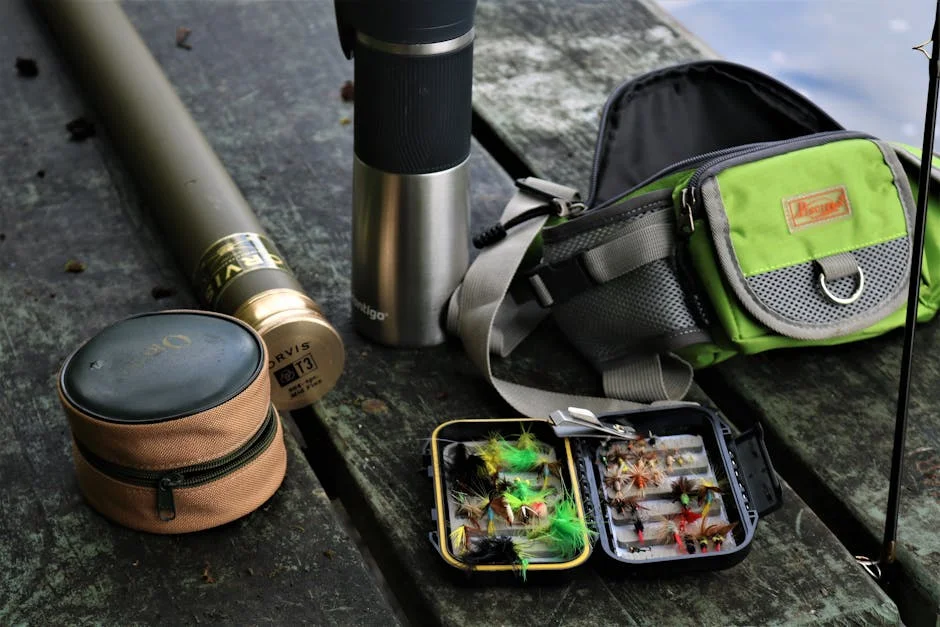
The Fly Fishing Poppers Flies, Fly Popper Lures Bass Bluegill Crappie Trout Salmon Panfish Perch Popper Flies Kit for Fly Fishing is a mid-range multi-species popper kit aimed at anglers who want a surface fly assortment covering bass, bluegill, panfish, crappie, and warm-water trout scenarios. Verified buyer notes indicate the kit includes a variety of popper body styles, colors, and sizes, with hook arrangements suited to typical warmwater and opportunistic presentation scenarios.
From a materials standpoint, popper flies use foam or balsa bodies to stay on the surface, with rubber legs, flash, and tail fibers that create action and disturbance on the strip. The “pop” comes from the cupped or flat face catching water and pushing it forward, creating sound and surface disturbance that draws aggressive strikes from predatory fish. For bass and panfish, this presentation is highly effective in warm, low-current water. For salmon and trout applications listed in the product description, poppers function best in slow water scenarios where fish are oriented upward.
Owner reviews note the kit offers useful variety for anglers building out a warmwater surface box or looking for an accessible entry point into popper fishing without investing in individual premium flies. Consistent feedback points to the variety of color options as a practical strength, since warmwater surface fishing conditions vary enough that color matching can make a difference. Less experienced tiers report the kits save significant bench time when exploring popper presentations for the first time.
A note from the technical side: popper flies require a fly rod with enough backbone to turn over the wind-resistant foam bodies efficiently. A 6 weight is generally considered the lower threshold for effective popper casting; a 7 or 8 weight handles them more comfortably, particularly in any wind. This overlaps well with lighter steelhead single-hand rod setups if you’re doing a mixed-species trip.
Check current price on Amazon.
Planning Your First Steelhead Trip
For trout anglers considering their first steelhead trip, honest expectation-setting matters. You may fish for two or three days and not hook a fish. That is a normal steelhead trip. The ratio of casts to takes is nothing like a productive tailwater nymph session. You are chasing an anadromous fish in a big river with a fly, and the difficulty is real.
Start on a guided trip if you can. A good steelhead guide will put you on productive water, show you the swing mechanics, help you read the run, and communicate the mindset shift required. The two-step swing method is simple enough to learn in an hour and requires years to refine. A guide can compress that curve substantially.
Pacific Northwest fisheries are the core of West Coast steelhead fly fishing. The Deschutes in Oregon, the Clearwater in Idaho, the Thompson in British Columbia (check current regulations and fish status), the Skagit and Sauk in Washington, the Umpqua, the Sandy: these are the names that come up in guide community discussion. Great Lakes steelhead on rivers like the Pere Marquette in Michigan and the Salmon River in New York offer another option, with runs in spring and fall that draw serious fly fishing attention.
The broader fish species resources at /species/ on this site can help contextualize how steelhead fit into the wider picture of anadromous and migratory fly fishing targets. The mental model for steelhead, searching for fish that aren’t actively feeding in their traditional sense, has parallels with other migratory species worth understanding before you commit to a long trip.
Frequently Asked Questions
What rod weight do I need for steelhead fly fishing?
For single-hand fishing on smaller steelhead rivers, an 8 or 9 weight rod in the 9-foot range is the standard recommendation. For larger western rivers requiring spey or switch casting, most guides recommend a 7 or 8 weight two-handed rod in the 11 to 13.5 foot range. The water size and casting style are the primary drivers, not just fish size. Verified buyer reports from steelhead guides consistently note that being undergunned on a big river creates real problems with line control.
What time of year is best for steelhead fly fishing?
Steelhead runs vary by river system and region, so there is no single answer. Summer-run steelhead in Pacific Northwest rivers like the Deschutes enter freshwater from June through October and tend to be more responsive to waking flies and surface presentations. Winter-run fish return from November through March and require deeper presentations with sinking tips. Great Lakes tributaries see strong spring runs in March and April.
Do I need to learn spey casting for steelhead fly fishing?
You do not need spey casting to catch steelhead, but it significantly improves your efficiency on large western rivers. Single-hand overhead casting works on smaller streams and in spots with room to back-cast. Spey and switch casting techniques cover more water per hour, reduce fatigue over a full day of swinging, and handle heavy sink tips more effectively. Field reports from Pacific Northwest guides indicate that most repeat steelhead anglers eventually invest time in spey casting because the advantages on big water are too practical to ignore.
What flies should I start with for steelhead?
Classic wet fly patterns, Egg-Sucking Leeches, Intruder-style articulated flies, and egg patterns are the core starting point for most steelhead fly boxes. For swinging, a selection of marabou and soft-hackle patterns in natural and bright colors covers most conditions. For indicator nymphing, heavy stonefly nymphs and egg patterns are consistent producers. Dry fly and waking patterns like the Bomber or Elk Hair Muddler apply in warmer water conditions above 50 degrees Fahrenheit.
How is Great Lakes steelhead fishing different from Pacific Northwest steelhead?
Great Lakes steelhead are introduced fish descended from Pacific Northwest stocks, primarily from Washington and Oregon, rather than native anadromous populations. They spend their “ocean” phase in the Great Lakes rather than saltwater, and return to tributary rivers to spawn each year. Field reports from Michigan and New York guide operations indicate the fishing is often more accessible to trout anglers transitioning from standard river techniques, with shorter, tighter rivers and fewer spey casting demands. The fish are real steelhead in behavior and fight, and many serious steelhead anglers fish both regions.
<script type="application/ld+json">
{
 "@context": "https://schema.org",
 "@type": "FAQPage",
 "mainEntity": [
 {
 "@type": "Question",
 "name": "What rod weight do I need for steelhead fly fishing?",
 "acceptedAnswer": {
 "@type": "Answer",
 "text": "For single-hand fishing on smaller steelhead rivers, an 8 or 9 weight rod in the 9-foot range is the standard recommendation. For larger western rivers requiring spey or switch casting, most guides recommend a 7 or 8 weight two-handed rod in the 11 to 13.5 foot range. The water size and casting style are the primary drivers, not just fish size. Verified buyer reports from steelhead guides consistently note that being undergunned on a big river creates real problems with line control."
 }
 },
 {
 "@type": "Question",
 "name": "What time of year is best for steelhead fly fishing?",
 "acceptedAnswer": {
 "@type": "Answer",
 "text": "Steelhead runs vary by river system and region, so there is no single answer. Summer-run steelhead in Pacific Northwest rivers like the Deschutes enter freshwater from June through October and tend to be more responsive to waking flies and surface presentations. Winter-run fish return from November through March and require deeper presentations with sinking tips. Great Lakes tributaries see strong spring runs in March and April. Checking with local fly shops on each specific river system before booking a trip is essential planning practice."
 }
 },
 {
 "@type": "Question",
 "name": "Do I need to learn spey casting for steelhead fly fishing?",
 "acceptedAnswer": {
 "@type": "Answer",
 "text": "You do not need spey casting to catch steelhead, but it significantly improves your efficiency on large western rivers. Single-hand overhead casting works on smaller streams and in spots with room to back-cast. Spey and switch casting techniques cover more water per hour, reduce fatigue over a full day of swinging, and handle heavy sink tips more effectively. Field reports from Pacific Northwest guides indicate that most repeat steelhead anglers eventually invest time in spey casting because the advantages on big water are too practical to ignore."
 }
 },
 {
 "@type": "Question",
 "name": "What flies should I start with for steelhead?",
 "acceptedAnswer": {
 "@type": "Answer",
 "text": "Classic wet fly patterns, Egg-Sucking Leeches, Intruder-style articulated flies, and egg patterns are the core starting point for most steelhead fly boxes. For swinging, a selection of marabou and soft-hackle patterns in natural and bright colors covers most conditions. For indicator nymphing, heavy stonefly nymphs and egg patterns are consistent producers. Dry fly and waking patterns like the Bomber or Elk Hair Muddler apply in warmer water conditions above 50 degrees Fahrenheit. Consulting with the fly shop on the river you're fishing will get you specific local pattern recommendations."
 }
 },
 {
 "@type": "Question",
 "name": "How is Great Lakes steelhead fishing different from Pacific Northwest steelhead?",
 "acceptedAnswer": {
 "@type": "Answer",
 "text": "Great Lakes steelhead are introduced fish descended from Pacific Northwest stocks, primarily from Washington and Oregon, rather than native anadromous populations. They spend their ocean phase in the Great Lakes rather than saltwater, and return to tributary rivers to spawn each year. Field reports from Michigan and New York guide operations indicate the fishing is often more accessible to trout anglers transitioning from standard river techniques, with shorter, tighter rivers and fewer spey casting demands. The fish are real steelhead in behavior and fight, and many serious steelhead anglers fish both regions."
 }
 }
 ]
}
</script>Where to Buy
Fly Fishing Poppers Flies, Fly Popper Lures Bass Bluegill Crappie Trout Salmon Panfish Perch Popper Flies Kit for Fly FishingSee Fly Fishing Poppers Flies, Fly Popper… on Amazon