Wader Care: Prevent Leaks and Extend Your Gear's Life

Affiliate disclosure: Some links on this page are affiliate links. If you buy through them we earn a small commission at no extra cost to you. Recommendations are research-driven; we don't claim personal use of every product reviewed. Product prices and availability are accurate as of the date published and are subject to change. Always check Amazon for current pricing before purchasing. Learn more.
Quick Picks
Granger's Grangers Rubber Boot Care - 5.2 fl oz Spray Bottle - Rubber Boot Conditioner to Revitalize & Protect
Buy on AmazonGEAR AID Revivex Suede Hiking and Work Boot Cleaner and Conditioning Kit for Waterproofing Breathable Gore-Tex Footwear
Buy on AmazonStormsure Footwear Repair Kit - Ultimate Solution for Boots, Shoes & Waders, Waterproof & Durable Adhesive Fix
Buy on Amazon| Product | Price Range | Top Strength | Key Weakness | Buy |
|---|---|---|---|---|
| Granger's Grangers Rubber Boot Care - 5.2 fl oz Spray Bottle - Rubber Boot Conditioner to Revitalize & Protect also consider | $$ | Buy on Amazon | ||
| GEAR AID Revivex Suede Hiking and Work Boot Cleaner and Conditioning Kit for Waterproofing Breathable Gore-Tex Footwear also consider | $$ | Buy on Amazon | ||
| Stormsure Footwear Repair Kit - Ultimate Solution for Boots, Shoes & Waders, Waterproof & Durable Adhesive Fix also consider | $$ | Buy on Amazon |
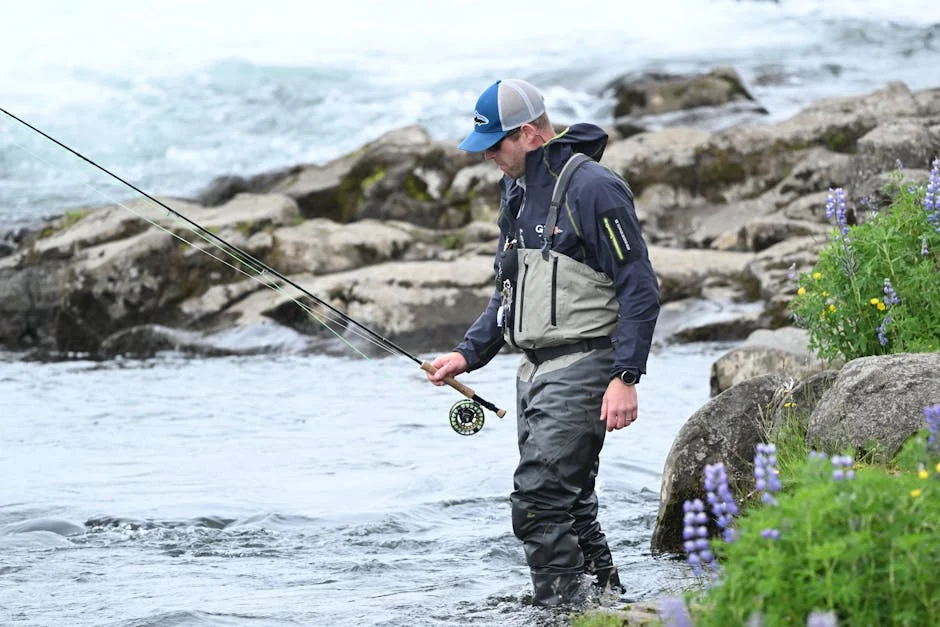
Waders fail quietly. A pinhole leak from a streamside boulder, a seam starting to separate at the ankle gusset, boot material going stiff and cracked after a season of hard use. Most of those failures are preventable with consistent maintenance, and most anglers skip it entirely until something is already wrong.
After going through two pairs of budget waders that blew seams before I expected, I started paying close attention to how I was caring for gear between seasons. What follows is what I’ve put together from owner reports, verified buyer feedback, and the product specs themselves.
Why Wader Care Actually Matters
There’s a version of the wader care conversation that gets skipped over a lot: the economic argument. Breathable waders are a significant gear investment. The quality gap between budget and premium is genuinely large in this category. I learned that lesson the hard way, replacing two failed pairs at the ankle gusset and crotch seam before finally moving to the Simms G3 Guide. By the time I counted the cost of the two failed pairs plus the replacement, I’d spent more than I would have on the premium wader the first time.
Proper maintenance extends the functional life of whatever wader you own, whether it’s a budget pair you’re trying to get two seasons out of or a premium breathable you want to keep performing for a decade. If you’re fishing 20 or more days a year, that math matters.
For a broader look at what to buy in the first place, the Waders & Wading Boots hub covers wader selection, fit, and boot pairing in detail.
How Breathable Waders Actually Fail
Understanding failure modes helps you know where to focus your maintenance effort.
The Membrane Breakdown Problem
Breathable waders rely on a laminated membrane, typically GORE-TEX or a proprietary equivalent, that allows vapor to pass outward while blocking water entry. That membrane is bonded to an outer face fabric. When oils, sunscreen residue, insect repellent, and compressed sediment accumulate on the face fabric, they clog the membrane’s microscopic pores. The wader still looks intact but stops breathing effectively.
When that happens, you notice moisture buildup inside the wader on warm days. Most anglers assume the wader is leaking. Often it’s not, it’s just not breathing. A proper wash and DWR restoration frequently fixes this without any patching required.
Seam Stress and Gusset Failure
Seam tape applied over welded or stitched seams is the weak point in every breathable wader design. The ankle gusset and the crotch seam take the most stress during wading, especially when you’re stepping high over current or crossing on uneven cobble. Over time, the seam tape adhesive fatigues. Early intervention with seam sealer or repair adhesive, before water is actually getting through, can add years to a wader’s life.
Boot Material Degradation
Wading boots and integrated rubber boot feet take different kinds of abuse than the wader upper. Rubber breaks down from UV exposure, road salt, and drying out between uses. Neoprene boot feet become brittle and lose their seal against the wader fabric. The fix is consistent conditioning, applied while the material is still pliable rather than after cracks have formed.
Wader Care Routine: The Basic Framework
This is the general framework that comes up consistently in verified owner reports and from longtime shop staff. Nothing proprietary here, just what actually works.
After every trip:
- Rinse the waders thoroughly, inside and out, with clean water.
- Turn them inside out and hang to dry completely before storage.
- Inspect the boot seams and gussets visually while rinsing.
Every few trips:
- Machine wash on gentle with a wader-specific cleaner or unscented liquid detergent. No fabric softener, ever. Softener coats the membrane and accelerates pore clogging.
- After washing, tumble dry on low heat or apply heat with a dryer for 20 minutes. This reactivates the DWR (durable water repellent) treatment on the face fabric.
Seasonally:
- Apply a DWR reproofing treatment if water no longer beads on the face fabric.
- Condition boot materials and rubber components.
- Inspect and seal any seam tape that is lifting or showing stress.
Top Picks for Wader Care Products
Granger’s Rubber Boot Care
Granger’s Rubber Boot Care is a spray conditioner designed specifically for rubber boots and rubber wading boot feet. At the mid-range price band, it’s positioned as a quality specialty product rather than a generic leather or synthetic conditioner.
Spec data shows the formula is designed to penetrate and condition rubber compounds, not just coat the surface. That distinction matters for wading boot rubber specifically, which goes through repeated wet-dry cycles and prolonged sun exposure. Verified buyers frequently note that the spray application is easy to use on textured boot soles and that the product does not leave a slick film that would compromise grip on wet rock surfaces.
Field reports indicate it works best when applied to clean, dry boots rather than immediately after a rinse. Owners note visible improvement in rubber pliability after application, particularly on boots that had begun to show surface cracking from dryout. The 5.2 fl oz spray bottle size is compact enough to store in a gear bag or keep on a shelf in the garage where you’re actually going to use it.
One note worth flagging from owner reviews: this is a conditioner, not a waterproofing agent. It keeps rubber flexible and extends its useful life. If your boot uppers are fabric or suede rather than pure rubber, you’d want a different product for those components.
Check current price on Amazon.
GEAR AID Revivex Suede Hiking and Work Boot Cleaner and Conditioning Kit
GEAR AID Revivex Suede Hiking and Work Boot Cleaner and Conditioning Kit addresses the specific care needs of suede, nubuck, and fabric wading boot uppers, including boots built on breathable GORE-TEX construction. This is a kit format, meaning it includes both a cleaner and a conditioning treatment in a single package, also at the mid-range price band.
The GORE-TEX compatibility callout in the product name matters for wading boot applications. Many modern wading boots use waterproof breathable liners in the boot upper, and standard cleaning products can compromise those liners or strip the DWR treatment from the face material. Verified buyers who use these boots for both hiking and wading report that the Revivex kit maintains waterproofing function after multiple applications across seasons.
Owner reviews from the hiking and trail running community, which overlaps with fly fishing gear in this product category, note that the cleaner handles mud and grime effectively without aggressive scrubbing. Field reports specific to wading application mention that suede uppers cleaned with this product resisted waterlogging better than untreated boots. The kit approach is useful because you’re not sourcing a cleaner and conditioner separately, which is how this kind of maintenance actually gets skipped.
One practical note from buyer feedback: the kit works best as a maintenance protocol rather than a rescue treatment. Suede that has been heavily waterlogged and poorly dried over multiple seasons may not fully recover. Starting this routine early in a boot’s life is where the value shows up.
Check current price on Amazon.
Stormsure Footwear Repair Kit
Stormsure Footwear Repair Kit is an adhesive-based repair system designed for boots, shoes, and waders. This is where the kit shifts from preventive maintenance into actual repair territory. Mid-range price band, and from the field reports, genuinely effective at what it claims.
The adhesive chemistry in Stormsure products is based on a flexible polyurethane compound that cures waterproof and remains flexible after drying. That flexibility is important for wader and boot applications because rigid repairs crack under the repeated flexing of wading. Verified buyers consistently note that the bond holds on both rubber and fabric substrates, and that repairs survive multiple seasons of use when applied correctly.
Field reports from wader users specifically highlight the product’s usefulness for sole separation, seam gaps in neoprene boot feet, and small punctures or tears in wader fabric. Owner reviews emphasize the importance of application technique: surfaces need to be clean and dry, and the adhesive benefits from cure time before the repair is put under load. Several verified buyers recommend applying a thin coat, allowing it to become tacky, then pressing and clamping rather than rushing the cure.
For wader seam repair specifically, owner feedback distinguishes between this product and dedicated seam sealers. Stormsure’s adhesive creates a physical bond over a gap, while seam sealer is typically applied over intact but fatiguing tape to reinforce it before failure. Both have a place in a maintenance kit. The Stormsure kit fits the repair role when something has already failed or is about to.
Check current price on Amazon.
Buying Guide: What to Look For in Wader Care Products
Matching the Product to the Material
Not all wader care products work on all wader materials, and using the wrong one can accelerate the damage you’re trying to prevent. Breathable wader fabrics, neoprene, rubber boot feet, and suede or fabric boot uppers each have specific needs. A rubber conditioner is the right tool for boot soles and neoprene gaskets. A membrane-safe cleaner is what you want for the wader upper fabric. Check the product label for explicit material compatibility before buying.
This matters particularly for breathable waders with GORE-TEX or comparable membranes. Oil-based conditioners that work fine on leather boots can clog breathable membranes. Products formulated for breathable footwear or waders will specify compatibility.
DWR Restoration vs. Waterproofing Treatments
There’s a meaningful distinction between restoring a wader’s existing DWR and applying a new waterproofing treatment. DWR (durable water repellent) is a factory-applied finish on the outer face fabric that causes water to bead and roll off. It degrades with use and washing, but it can be reactivated with low heat and restored with a reproofing spray or wash-in treatment.
Waterproofing treatments, by contrast, are typically heavier coatings applied to address actual membrane compromise. Most waders don’t need a full waterproofing treatment until they’re significantly aged. Regular DWR restoration, done a few times per season on heavily used waders, handles most breathability and water-beading issues without heavier intervention.
Repair Adhesives: Flexibility Is Non-Negotiable
If you’re buying an adhesive for wader or boot repair, flexibility after cure is the single most important characteristic. Standard contact cements and super glues cure rigid, which means the repair cracks at the first flex point. Waders and boots flex constantly during use. A flexible polyurethane or silicone-based adhesive stays bonded through that movement.
Cure time is the second consideration. Most flexible adhesives require 24 hours or more for a full waterproof bond. Owner reports consistently show that repairs that fail early were rushed. Plan your repair timing so the wader or boot can cure fully before it goes back in the water.
Sole Traction and Conditioner Compatibility
For anglers on Colorado tailwaters and similar technical wading, traction is a serious safety consideration. I made the switch to rubber soles with aluminum studs after Cheesman Canyon banned felt, and the traction performance with quality studded rubber is close enough to felt on most surfaces that I don’t miss it. But any conditioner applied to boot soles needs to be verified non-slick before you step on wet rock.
Granger’s Rubber Boot Care is flagged by verified buyers as grip-safe, but this is worth checking on any rubber conditioner you use. Apply to the upper boot and lower shaft, and test on a dry surface before trusting it on slick cobble.
Storage and Seasonal Prep
The care routine between seasons matters as much as the in-season maintenance. Storing waders compressed in a stuff sack, or folded along the same crease lines every year, accelerates seam stress and membrane fatigue. Hang storage, loosely folded with no tight compression points, is the standard recommendation from verified buyer reports and shop staff alike.
For a complete resource on wading gear selection and maintenance, including boot fit and sole type decisions, the hub page covers those topics in depth. The care products covered here slot into a broader system that starts with buying the right gear for your fishing.
Frequently Asked Questions
How often should I wash my breathable waders?
Verified owner feedback and manufacturer guidelines generally align on washing every five to ten uses, or whenever the face fabric stops beading water effectively. Washing more frequently than necessary is not harmful if you use the right detergent, but the more important variable is the detergent itself. Never use fabric softener, which coats the membrane. A wader-specific wash or unscented liquid detergent without additives is the correct choice for every wash cycle.
Can I use regular boot conditioner on wading boots?
It depends on the boot construction. Rubber-soled wading boots with rubber lower portions benefit from a rubber-specific conditioner like Granger’s Rubber Boot Care. Leather conditioners, especially oil-based formulations, are generally not appropriate for breathable boot membranes or synthetic upper materials. Suede and nubuck uppers with breathable liners need a product formulated for those materials, such as the GEAR AID Revivex kit, to avoid damaging the waterproof liner.
What’s the best way to find and repair a wader leak?
Fill the wader with air by closing the opening and rolling the top down, then submerge in a bathtub or stock tank. Bubbles indicate the leak location. Mark it with a marker while wet, then let the wader dry completely before applying a repair adhesive or patch. Owner reports on the Stormsure kit note that clean, dry surfaces are essential for a lasting bond.
How do I reactivate DWR treatment without buying a new product?
Tumble drying on low heat for 20 minutes after washing is often sufficient to reactivate existing DWR on a wader that still has some treatment left. Verified buyers and wader manufacturers both cite heat reactivation as the first step before applying any reproofing product. If water still does not bead after heat treatment, then a wash-in or spray DWR reproofing treatment is warranted. Save the reproofing product for when the heat reactivation stops working.
How long do wader repairs made with flexible adhesive typically last?
Owner reviews on flexible adhesive repairs, including Stormsure-based fixes, report functional repairs lasting multiple seasons when applied correctly. The critical variables are surface prep (clean and dry), adhesive type (flexible polyurethane rather than rigid), and cure time (full 24 hours minimum before water exposure). Repairs on high-flex areas like ankle gussets and boot seams see more stress than patches on the wader leg fabric, but properly bonded flexible adhesive handles the movement without cracking.
<script type="application/ld+json">
{
 "@context": "https://schema.org",
 "@type": "FAQPage",
 "mainEntity": [
 {
 "@type": "Question",
 "name": "How often should I wash my breathable waders?",
 "acceptedAnswer": {
 "@type": "Answer",
 "text": "Verified owner feedback and manufacturer guidelines generally align on washing every five to ten uses, or whenever the face fabric stops beading water effectively. Washing more frequently than necessary is not harmful if you use the right detergent, but the more important variable is the detergent itself. Never use fabric softener, which coats the membrane. A wader-specific wash or unscented liquid detergent without additives is the correct choice for every wash cycle."
 }
 },
 {
 "@type": "Question",
 "name": "Can I use regular boot conditioner on wading boots?",
 "acceptedAnswer": {
 "@type": "Answer",
 "text": "It depends on the boot construction. Rubber-soled wading boots with rubber lower portions benefit from a rubber-specific conditioner like Granger's Rubber Boot Care. Leather conditioners, especially oil-based formulations, are generally not appropriate for breathable boot membranes or synthetic upper materials. Suede and nubuck uppers with breathable liners need a product formulated for those materials, such as the GEAR AID Revivex kit, to avoid damaging the waterproof liner."
 }
 },
 {
 "@type": "Question",
 "name": "What's the best way to find and repair a wader leak?",
 "acceptedAnswer": {
 "@type": "Answer",
 "text": "Fill the wader with air by closing the opening and rolling the top down, then submerge in a bathtub or stock tank. Bubbles indicate the leak location. Mark it with a marker while wet, then let the wader dry completely before applying a repair adhesive or patch. Owner reports on the Stormsure kit note that clean, dry surfaces are essential for a lasting bond. Repairs made to damp fabric frequently fail within a few uses."
 }
 },
 {
 "@type": "Question",
 "name": "How do I reactivate DWR treatment without buying a new product?",
 "acceptedAnswer": {
 "@type": "Answer",
 "text": "Tumble drying on low heat for 20 minutes after washing is often sufficient to reactivate existing DWR on a wader that still has some treatment left. Verified buyers and wader manufacturers both cite heat reactivation as the first step before applying any reproofing product. If water still does not bead after heat treatment, then a wash-in or spray DWR reproofing treatment is warranted. Save the reproofing product for when the heat reactivation stops working."
 }
 },
 {
 "@type": "Question",
 "name": "How long do wader repairs made with flexible adhesive typically last?",
 "acceptedAnswer": {
 "@type": "Answer",
 "text": "Owner reviews on flexible adhesive repairs, including Stormsure-based fixes, report functional repairs lasting multiple seasons when applied correctly. The critical variables are surface prep (clean and dry), adhesive type (flexible polyurethane rather than rigid), and cure time (full 24 hours minimum before water exposure). Repairs on high-flex areas like ankle gussets and boot seams see more stress than patches on the wader leg fabric, but properly bonded flexible adhesive handles the movement without cracking."
 }
 }
 ]
}
</script>Where to Buy
Granger's Grangers Rubber Boot Care - 5.2 fl oz Spray Bottle - Rubber Boot Conditioner to Revitalize & ProtectSee Granger's Grangers Rubber Boot Care -… on Amazon