Used Fly Fishing Gear: Where to Buy and What to Look For

Affiliate disclosure: Some links on this page are affiliate links. If you buy through them we earn a small commission at no extra cost to you. Recommendations are research-driven; we don't claim personal use of every product reviewed. Product prices and availability are accurate as of the date published and are subject to change. Always check Amazon for current pricing before purchasing. Learn more.
Quick Picks
SF Pre-Tied Loop Fly Fishing Tapered Leader Nylon Clear Trout Freshwater Saltwater Bonefish Permit Bass Salmon Steelhead 7.5FT 9FT 10FT 12FT 15FT 0X 1X 2X 3X 4X 5X 6X 7X
Buy on AmazonMoonshine Rod Company Fast Action Fly Fishing Rod – Carbon Fiber Graphite Rod with Zippered Travel Case – Drifter II, Vesper, Epiphany ESN, Outcast, Phantom & Rambler Series - 2WT up to 12WT Rods
Buy on Amazon| Product | Price Range | Top Strength | Key Weakness | Buy |
|---|---|---|---|---|
| SF Pre-Tied Loop Fly Fishing Tapered Leader Nylon Clear Trout Freshwater Saltwater Bonefish Permit Bass Salmon Steelhead 7.5FT 9FT 10FT 12FT 15FT 0X 1X 2X 3X 4X 5X 6X 7X also consider | $$ | Buy on Amazon | ||
| Moonshine Rod Company Fast Action Fly Fishing Rod – Carbon Fiber Graphite Rod with Zippered Travel Case – Drifter II, Vesper, Epiphany ESN, Outcast, Phantom & Rambler Series - 2WT up to 12WT Rods also consider | $$ | Buy on Amazon |
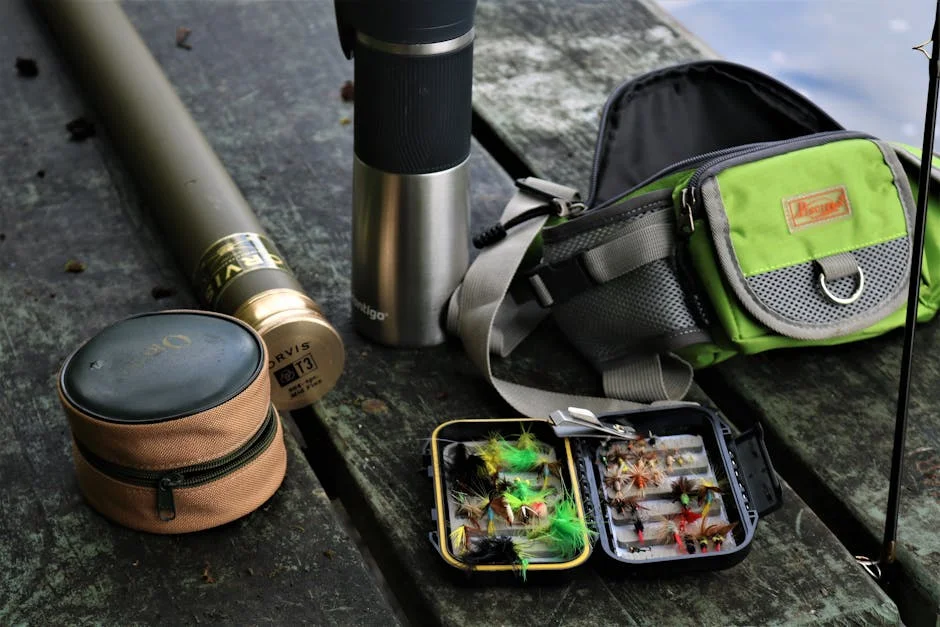
Used fly fishing gear is one of the best-kept open secrets in this sport. Rods, reels, waders, and lines hold their value well enough that smart buyers find real equipment at serious discounts, and sellers recoup enough to fund their next upgrade. The secondary market rewards people who know what to look for.
Twenty years in, I’ve bought and sold plenty of gear. I’ve also helped customers at Ark Anglers sort through this exact question. Here’s what I know about buying used, and where new gear still makes sense.
Why the Used Market Makes Sense for Fly Fishing Gear
Fly fishing equipment, especially in the mid and premium tiers, is built to last. A Sage blank doesn’t lose its action sitting in a closet for three years. A Hatch reel with a sealed drag runs the same whether it’s new or gently used. That durability is what makes the secondary market worth your time. Unlike consumer electronics that depreciate fast for functional reasons, a quality fly rod depreciates mostly because the owner bought something newer, not because the old one stopped working.
The used market is also where you find discontinued gear that was genuinely excellent. My Sage Z-Axis from 2009 still fishes, and I’d put its action against plenty of current mid-range rods. If you know what you’re looking at, older premium gear can outperform current budget gear at a similar price. That’s a real advantage for anglers willing to do a little research.
For new anglers especially, starting with used gear is a logical move. You haven’t committed to a style of fishing yet. Maybe you think you want to throw dries on small streams, then you fish a tailwater like Cheesman Canyon for the first time and realize you want to euro nymph. Buying used means that pivot costs you less. For deeper context on building a smart gear strategy at any experience level, the Guides & Resources hub is worth bookmarking.
What Used Gear to Buy (and What to Skip)
Rods
Used rods are often excellent buys. Carbon fiber graphite blanks don’t fatigue the way metal does. The main risks are hidden tip damage (look for hairline cracks near the tip-top), ferrule wear, and guide damage. Always flex the rod gently in the shop or ask the seller specifically about tip repairs. A rod that’s been repaired isn’t automatically a bad buy, but you need to know about it.
Look at the guides closely. Cracked or grooved guides will destroy your line. That’s a cheap fix if you’re handy, but factor it into the price negotiation. Handles are cosmetic. Cork handles that show wear are fine. Handles are replaceable if you care, but honestly most of us don’t.
Reels
Reels are where I’d be more selective on used buys. The drag system is the critical component, and wear on a drag isn’t always visible. For cork drag reels, ask how heavily the reel was used in saltwater or gritty conditions. For carbon stack drags (like you find in Hatch and Lamson), they tend to hold up better to wear. Test the drag through its full range if you can. Smooth startup is what you’re feeling for, not just smooth mid-range.
Arbor condition matters for line pickup rate. Check that the spool seats correctly and that the reel foot is straight. A bent reel foot is a deal-breaker because it stresses your rod seat every time you fish.
Lines
Skip used fly lines almost every time. Lines are consumables. UV degradation, memory coiling, and surface wear directly affect casting performance. The coating on a fly line is what allows it to shoot cleanly and float (or sink at the right rate). A used line that looks fine may have a compromised coating you can’t see until you’re on the water and your presentation is suffering. This is one category where new makes sense at almost every budget level.
Waders
Used waders are a calculated risk. Seam integrity is the issue. Delamination and pinhole leaks in the seams are almost impossible to spot without actually wearing the waders in water. If you’re buying used waders, negotiate hard on price, accept that you may need seam tape work, and treat them as a budget-tier purchase even if they’re a premium brand. The membrane itself can be assessed by holding the fabric up to light and checking for obvious wear zones, but seams are the real variable.
Leaders
This is one category where new is almost always the right call, and it’s also where cost matters least. Leaders are inexpensive enough that there’s no real financial case for buying used. A leader that’s been knotted, stretched, or stored poorly will cost you fish and frustration. Buy new, buy right.
Buying Guide: What to Look for in Used and New Fly Fishing Gear
Matching Gear to Water Type
The first question isn’t about brand or price band. It’s about where you’re fishing. Tailwater fishing on the South Platte or the Bighorn calls for different gear than freestone fishing on the Arkansas. Tailwaters tend toward technical presentations, smaller flies, lighter tippet, and longer leaders. Freestone water can be more forgiving on presentation but harder on equipment because of rocks, fast flows, and varied conditions.
A 9-foot 5-weight is genuinely versatile, but if your home water is a tight brushy stream, a shorter 4-weight serves you better. Used gear that’s sized wrong for your water is still the wrong gear. Be specific about your primary fishing situations before you buy anything.
Rod Action and What It Actually Means
Fast-action rods load primarily in the upper third of the blank. Moderate-action rods load through more of the blank. This matters for used rod shopping because “fast” and “moderate” aren’t always labeled consistently across manufacturers and eras. The best way to evaluate a used rod is to cast it, even if it’s just in a parking lot with a leader attached. You’re feeling for where the rod loads and whether that timing matches your stroke.
The Guides & Resources hub has more detail on matching rod action to fishing style, which is useful context before you start shopping used inventory where descriptions may be vague.
What Spec Sheets Tell You (and Don’t)
Modulus ratings on carbon fiber blanks indicate stiffness per unit weight. Higher modulus generally means lighter and more sensitive, but also more brittle. For used rods, this is relevant because high-modulus blanks are less forgiving of stress from poor casting mechanics or accidental impact. A used high-modulus rod that’s been fished hard deserves extra scrutiny for micro-cracks, especially near ferrules.
Line weight ratings and action ratings on older rods were often optimistic by current standards. A rod rated 5-weight from 2005 may cast more like a 5.5-weight by today’s standards. That’s not a flaw, it’s just calibration. Understanding this helps you evaluate older used rods without dismissing them unfairly.
Sourcing Used Gear Responsibly
Local fly shops are the best first stop. Staff can vouch for gear history, and you can inspect equipment in person. Online platforms (eBay, Facebook Marketplace, dedicated fly fishing forums) have broader inventory but higher risk. When buying online, ask for photos of guides, ferrules, tip sections, and any repairs. Ask directly about saltwater use, storage conditions, and any damage history.
Local fishing clubs and guide services sometimes sell used equipment that’s been maintained well. Guides often rotate gear on a regular schedule and sell functional rods and reels that have years of use left.
Top Picks: New Gear Worth Buying Alongside Used Finds
Even the most disciplined used-gear buyer needs certain things new. Leaders and lines top that list. Occasionally a rod or reel comes along at a mid price point that competes with used premium gear on value. Here are two worth knowing.
SF Pre-Tied Loop Fly Fishing Tapered Leader
The SF Pre-Tied Loop Fly Fishing Tapered Leader covers a wide range of applications, from trout freshwater situations to bonefish, permit, salmon, and steelhead, with available lengths from 7.5 feet through 15 feet and tippet sizes from 0X down to 7X. That range of options makes it practical for anglers fishing diverse water types without stocking a dozen different leader brands.
The pre-tied loop connection simplifies leader changes, which matters when you’re switching between rigs on tailwaters where presentations need to change quickly. Verified buyers note that the nylon construction turns over predictably and holds knots well, which is the basic requirement for a leader. Owner reviews from freshwater trout anglers report good performance on technical presentations, and field reports from saltwater users indicate it handles the demands of permit and bonefish flats work. At a mid price point, this is the kind of leader you buy in multipacks to keep your pack stocked without overthinking it. Spec data shows the taper profiles follow standard trout leader geometry, which aligns with what most anglers need for dry fly and nymph applications.
Check current price on Amazon.
Moonshine Rod Company Fast Action Fly Fishing Rod
The Moonshine Rod Company Fast Action Fly Fishing Rod is available across several series (Drifter II, Vesper, Epiphany ESN, Outcast, Phantom, and Rambler) spanning 2-weight through 12-weight configurations, which means there’s a version for almost any application from small stream fishing up to heavier saltwater and streamer work. It comes with a zippered travel case, which is a practical inclusion for anglers who drive to multiple destinations or travel by plane to fish the Madison or Snake.
Carbon fiber graphite construction puts this rod in the same material class as rods at higher price points. Owner reviews consistently note that the action is genuinely fast, which lines up with the spec sheet claims. Verified buyers in the euro nymphing community specifically mention the Epiphany ESN series as a legitimate option for anglers exploring that technique without committing to a premium-tier investment. Field reports from buyers fishing tailwaters describe accurate presentations at the short-to-medium casting distances that technical trout water requires. At a mid price point, this rod occupies the space where it competes directly with used mid-range gear from the last decade. If you’re deciding between a used older premium rod and this new mid-range option, it’s a legitimate comparison worth making based on your specific rod weight and application.
Check current price on Amazon.
One Thing Worth More Than Any Gear Decision
I’ll say this plainly because I believe it more than any gear opinion I hold. The best investment I ever made in this sport was hiring a guide twice in the years after I got serious, not as a first-trip guide, but specifically when I thought I already knew what I was doing.
The guide I hired on the Bighorn in 2009 showed me three things I’d been doing wrong for five years without knowing it. That single day changed more about my fishing than any rod or reel purchase I’ve made before or since. If you’re at that intermediate stage where you’re catching fish but something feels inconsistent, that’s the exact moment to hire a good guide. Not to be shown where the fish are. To find out what you don’t know you don’t know. No amount of used gear optimization closes that gap.
For more practical resources on building your knowledge as efficiently as your kit, the Guides & Resources hub covers techniques, gear decisions, and water-specific strategies worth reading through.
Frequently Asked Questions
Is used fly fishing gear worth buying for beginners?
Used gear is often a smart starting point for beginners, with some exceptions. Rods and reels from reputable brands hold up well and can be inspected before purchase. Leaders and lines should always be bought new because their performance depends on condition that’s hard to assess visually. Starting used gives you room to change directions on gear as your fishing style develops without absorbing the full cost of new equipment at every step.
What are the biggest risks when buying a used fly rod?
Hidden tip damage is the primary concern. Hairline fractures near the tip-top often aren’t visible without careful inspection in good light, and a compromised tip will fail under casting load. Ferrule wear is the second issue, specifically loose or cracked ferrule connections that affect action and can cause sections to separate mid-cast. Guide condition matters for line longevity, since grooved or cracked guides will abrade your fly line quickly and reduce casting performance over time.
How do I evaluate a used fly reel’s drag system?
Run the drag through its full range from fully loose to fully tight and feel for smooth, consistent resistance without any grabbing or slipping. Startup inertia is what you’re testing most critically, since a drag that grabs on initial line take can break light tippet. Ask specifically about saltwater use and gritty fishing conditions, since sediment contamination in a drag is a real issue that isn’t always visible. Carbon stack drags generally show less wear than cork systems under equivalent use.
When does buying new gear make more sense than used?
Lines and leaders should almost always be bought new because their performance depends on surface condition and memory that degrade with use and storage. Waders carry enough inspection risk that new often makes more sense unless the price is significantly discounted. For rods and reels, new makes sense when a current mid-range option at its new price is genuinely competitive with used premium gear from several years ago, which happens more often than you might expect at today’s mid-tier price points.
What rod weights and lengths hold their value best on the used market?
Nine-foot 5-weights are the most traded size, which means good availability but also more competition for quality pieces. Six-weights and 8-weights (for heavier freshwater and light saltwater) tend to trade at better relative value because the pool of buyers is smaller. Specialty lengths (8-foot 4-weights, 10-foot 3-weights for euro nymphing) sometimes carry premium used prices because they’re harder to find and buyers seeking them are motivated. Knowing demand patterns helps you time purchases and spot pricing anomalies.
<script type="application/ld+json">
{
 "@context": "https://schema.org",
 "@type": "FAQPage",
 "mainEntity": [
 {
 "@type": "Question",
 "name": "Is used fly fishing gear worth buying for beginners?",
 "acceptedAnswer": {
 "@type": "Answer",
 "text": "Used gear is often a smart starting point for beginners, with some exceptions. Rods and reels from reputable brands hold up well and can be inspected before purchase. Leaders and lines should always be bought new because their performance depends on condition that's hard to assess visually. Starting used gives you room to change directions on gear as your fishing style develops without absorbing the full cost of new equipment at every step."
 }
 },
 {
 "@type": "Question",
 "name": "What are the biggest risks when buying a used fly rod?",
 "acceptedAnswer": {
 "@type": "Answer",
 "text": "Hidden tip damage is the primary concern. Hairline fractures near the tip-top often aren't visible without careful inspection in good light, and a compromised tip will fail under casting load. Ferrule wear is the second issue, specifically loose or cracked ferrule connections that affect action and can cause sections to separate mid-cast. Guide condition matters for line longevity, since grooved or cracked guides will abrade your fly line quickly and reduce casting performance over time."
 }
 },
 {
 "@type": "Question",
 "name": "How do I evaluate a used fly reel's drag system?",
 "acceptedAnswer": {
 "@type": "Answer",
 "text": "Run the drag through its full range from fully loose to fully tight and feel for smooth, consistent resistance without any grabbing or slipping. Startup inertia is what you're testing most critically, since a drag that grabs on initial line take can break light tippet. Ask specifically about saltwater use and gritty fishing conditions, since sediment contamination in a drag is a real issue that isn't always visible. Carbon stack drags generally show less wear than cork systems under equivalent use."
 }
 },
 {
 "@type": "Question",
 "name": "When does buying new gear make more sense than used?",
 "acceptedAnswer": {
 "@type": "Answer",
 "text": "Lines and leaders should almost always be bought new because their performance depends on surface condition and memory that degrade with use and storage. Waders carry enough inspection risk that new often makes more sense unless the price is significantly discounted. For rods and reels, new makes sense when a current mid-range option at its new price is genuinely competitive with used premium gear from several years ago, which happens more often than you might expect at today's mid-tier price points."
 }
 },
 {
 "@type": "Question",
 "name": "What rod weights and lengths hold their value best on the used market?",
 "acceptedAnswer": {
 "@type": "Answer",
 "text": "Nine-foot 5-weights are the most traded size, which means good availability but also more competition for quality pieces. Six-weights and 8-weights for heavier freshwater and light saltwater tend to trade at better relative value because the pool of buyers is smaller. Specialty lengths such as 8-foot 4-weights and 10-foot 3-weights for euro nymphing sometimes carry premium used prices because they're harder to find and buyers seeking them are motivated. Knowing demand patterns helps you time purchases and spot pricing anomalies."
 }
 }
 ]
}
</script>Where to Buy
SF Pre-Tied Loop Fly Fishing Tapered Leader Nylon Clear Trout Freshwater Saltwater Bonefish Permit Bass Salmon Steelhead 7.5FT 9FT 10FT 12FT 15FT 0X 1X 2X 3X 4X 5X 6X 7XSee SF Pre-Tied Loop Fly Fishing Tapered … on Amazon