Wading Safety in Fly Fishing: Essential Techniques and Discipline

Affiliate disclosure: Some links on this page are affiliate links. If you buy through them we earn a small commission at no extra cost to you. Recommendations are research-driven; we don't claim personal use of every product reviewed. Product prices and availability are accurate as of the date published and are subject to change. Always check Amazon for current pricing before purchasing. Learn more.
Quick Picks
Aventik Fold-able Wading Staff Water Depth Safety Warning Sign Coated Stainless Steel Core T7075 Aluminum Body Corrosion Resistance Neoprene Sheath
Buy on AmazonAventik Fold-able Wading Staff Water Depth Safety Warning Sign Coated Stainless Steel Core T7075 Aluminum Body Corrosion Resistance Neoprene Sheath
Buy on Amazon| Product | Price Range | Top Strength | Key Weakness | Buy |
|---|---|---|---|---|
| Aventik Fold-able Wading Staff Water Depth Safety Warning Sign Coated Stainless Steel Core T7075 Aluminum Body Corrosion Resistance Neoprene Sheath also consider | $$ | Buy on Amazon | ||
| Smith Creek Wading Belt, Universal Size also consider | $$ | Buy on Amazon | ||
| Aventik Fold-able Wading Staff Water Depth Safety Warning Sign Coated Stainless Steel Core T7075 Aluminum Body Corrosion Resistance Neoprene Sheath also consider | $$ | Buy on Amazon |
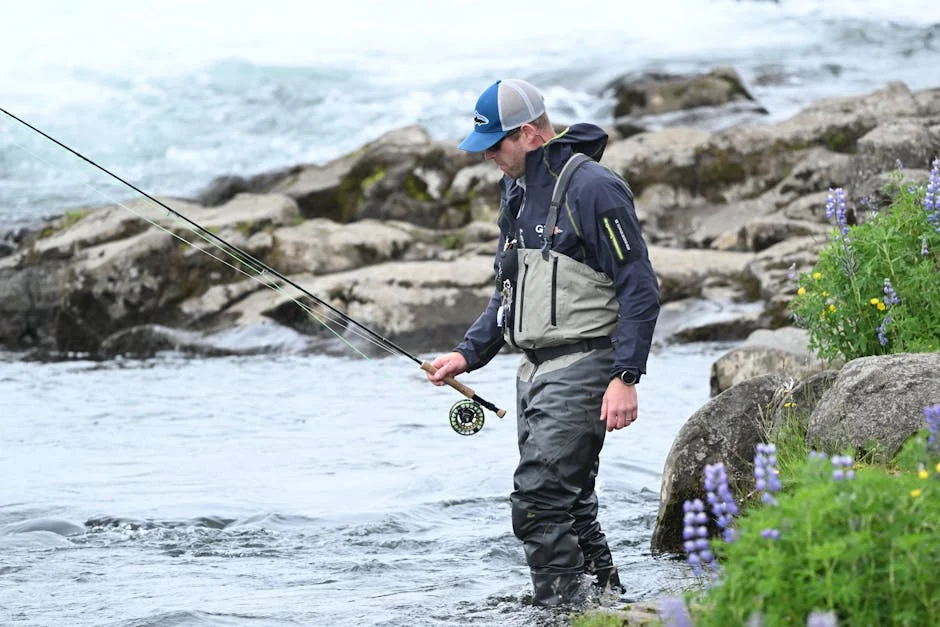
Wading moving water is one of the more honest risks in fly fishing. The river doesn’t care how many years you’ve been at it or how well you read a seam. A slick rock, a misjudged current speed, or a step into unseen depth can put you down fast. After twenty years on Colorado tailwaters and freestone rivers from the Arkansas to the Madison, I’ve learned that wading safety isn’t a beginner topic, it’s a discipline that experienced anglers take more seriously, not less.
The gear side of wading safety is covered in the broader Waders & Wading Boots section of this site. This article focuses on the specific tools and habits that keep you upright and out of trouble in moving water.
Why Wading Safety Deserves Its Own Conversation
Most fly fishing gear content focuses on what catches fish. Wading safety gear doesn’t make the cast better or improve your drift. It doesn’t show up in hero photos. But it’s the category of gear that, once in your life, may matter more than any rod or reel you own.
I’ve watched experienced anglers go down. I’ve slipped myself on algae-covered tailwater cobble at Cheesman Canyon more times than I’d like to admit. The difference between a wet leg and a full swim, or a full swim and something worse, often comes down to decisions made before you step in the water.
The three categories that matter most for wade safety are: wading staff use, wader fit and belt security, and boot sole traction. This article covers the first two in depth with specific product recommendations, and connects the traction discussion to what I’ve learned about sole selection on Colorado’s varied river types.
The Physics of Wading in Moving Water
Before the gear, the concept. Water exerts force. A moderate current pushing against your legs generates meaningful lateral force on your center of mass, and that force increases with depth and current speed in ways that aren’t always intuitive. Add an irregular riverbed, wet algae, and the weight of a chest pack, and you have a dynamic stability problem.
The wading staff adds a third point of contact. Human bipedal movement is inherently less stable than a tripod, which is exactly what a staff creates. The belt keeps waders from flooding if you do go down, which buys you time and preserves buoyancy. Sole traction reduces the probability of the initial slip. These aren’t redundant systems; they work together.
A guide I fished with on the Missouri years ago put it plainly: “Your wading staff is your brake pedal. You don’t need it until you really need it.” That stuck with me. I don’t fish without one anymore on any tailwater with significant flow.
What to Look for in Wading Safety Gear
Staff Construction and Folding Mechanism
A wading staff needs to deploy fast and lock solid. Two failure modes matter: collapse under load (dangerous) and difficulty deploying when you’re already on uncertain footing. The folding mechanism, whether bungee-cord internal or twist-lock segments, affects both.
Aluminum construction in the T7075 alloy range offers a good balance between weight and rigidity. Stainless steel cores in composite staffs address the twist-flex problem that pure aluminum sections can develop over time under lateral load. Rubber or carbide tips are a secondary consideration but affect grip on bedrock vs. gravel bottoms differently.
Wading Belt Fit and Function
Wader belts are the most underused piece of wading safety equipment in common use. Many anglers don’t bother cinching them properly, which defeats their purpose entirely. If you go down in moving water and your waders flood, the weight and drag can make self-rescue significantly harder.
A properly fitted wading belt traps an air pocket in the upper wader that provides real, if temporary, buoyancy assistance. It also slows the rate of flooding, which buys time. The belt should be snug enough to compress the wader material against your midsection. If you can pull the front of your wader top away from your body six inches while the belt is on, it’s not doing the job.
Traction: Rubber, Felt, and Studs
This topic generates more debate than almost anything in wading gear. My position, after switching away from felt when Cheesman Canyon implemented the ban: properly configured rubber with aluminum studs comes close enough to felt performance that I’ve stopped missing it on the waters I fish most.
The wading boot section covers sole options in more detail. For safety purposes, the key principle is that no single sole configuration is optimal for every bottom type. Hard algae-covered cobble on a tailwater wants studs. Loose freestone rock on the Arkansas can actually be trickier with studs because they catch in gaps between rocks and create unexpected pivot points. Know your water and configure accordingly.
The Wader Fit Connection to Safety
This is the piece that doesn’t get discussed enough in safety contexts. A poorly fitted wader creates water resistance while moving. Baggy material in the hips and thighs catches current, which pulls you off balance incrementally. I fished Simms Freestones for years in a size that was always a little wide through the hips, and I didn’t realize how much that extra material was affecting my stability until I moved to the trim-fit G3.
This isn’t a case for any specific brand over another. It’s a case for waders that actually fit your body. A trim, correctly sized wader moves with you rather than working against you in current.
Top Picks for Wading Safety Gear
Aventik Fold-able Wading Staff (Stainless Steel Core, T7075 Aluminum, Neoprene Sheath)
The Aventik Fold-able Wading Staff addresses the two primary structural concerns in a folding staff: core rigidity and corrosion resistance. The stainless steel core running through the T7075 aluminum body segments keeps the staff from developing the lateral flex that plagues cheaper all-aluminum designs under load. T7075 is an aircraft-grade aluminum alloy with meaningfully higher tensile strength than the more common 6061 alloy used in budget staffs.
The neoprene sheath on the grip section is a practical detail. Bare aluminum gets cold fast in winter wading conditions, and neoprene provides enough insulation that grip comfort stays reasonable even when the water is running in the 38-40 degree range that Colorado tailwaters hit in early spring.
The water depth safety warning sign feature is a design element worth noting. Color-coded depth indicators on the staff give a quick visual reference for how deep you’re wading, which sounds rudimentary but is genuinely useful in off-color or heavily tinted water where visual depth reading is compromised. Verified buyers report that the folding and deployment mechanism is reliable, with segments locking firmly under load. Owner feedback also notes the staff folds compact enough to clip to a pack without catching on brush.
Field reports indicate the carbide tip holds up well on rocky bottoms, which is the primary wear point on any wading staff. The mid-range price positioning puts this staff in a competitive bracket against several name-brand options, and the construction specs compare favorably.
Check current price on Amazon.
Smith Creek Wading Belt, Universal Size
The Smith Creek Wading Belt is a single-purpose piece of safety gear, and it does that purpose well. Verified buyers consistently cite the buckle as the standout feature: it releases with one hand under pressure, which matters if you’re in fast water and need to ditch gear. The universal sizing covers a wide range of waist measurements and adjusts without tools.
Wading belts often end up as an afterthought, either included cheaply with a wader purchase or skipped entirely. A dedicated aftermarket belt like this one addresses a real problem: the belts that ship with waders are frequently lightweight and minimal, sized for the wader rather than for the angler’s actual waist, and the buckle hardware is often the lowest-cost option available.
Owner reviews note that the width of this belt distributes pressure comfortably during extended wading sessions, which matters because a belt you loosen to relieve discomfort isn’t doing its safety job. The quick-release buckle mechanism receives consistent positive mentions in field reports, with buyers noting it functions smoothly even with wet hands, which is exactly when you need it to work. The mid-range price point is well below what most name-brand wader systems charge for comparable standalone belt hardware.
This is the kind of gear that sits quietly on your waders for hundreds of days on the water, and then one day earns its place completely.
Check current price on Amazon.
Aventik Fold-able Wading Staff (Second Configuration)
The Aventik Fold-able Wading Staff (ASIN B018TXKMUM) represents a variation in the Aventik wading staff line, sharing the core material approach of the stainless steel inner core and T7075 aluminum body construction but offering a different configuration for anglers who want options in length or attachment setup.
The corrosion resistance of this combination matters more than it might seem for a piece of gear that spends its life in water. Standard aluminum oxidizes and the anodizing on cheaper staffs breaks down at the segment joints over time, which is precisely where structural integrity matters most. The stainless core mitigates the worst of this because the load-bearing element doesn’t corrode even if the aluminum body develops surface oxidation.
Spec data confirms the neoprene sheath grip on this configuration, and field reports from buyers indicate the same solid lock-up under load that appears in feedback on the B072 configuration above. Verified buyers note the staff’s overall weight feels balanced, which reduces arm fatigue on long days that involve frequent repositioning. Owner reviews suggest the bungee cord internal retention system deploys quickly after the staff is clipped closed, with segments snapping into alignment reliably. If you’re fishing with a staff clipped to your pack for hours before you need it, fast deployment under uncertain footing conditions is the spec that matters.
Check current price on Amazon.
How to Wade Safer Without Buying Anything
Gear matters, but technique matters more. A few practices that have made a consistent difference over twenty years:
Face the current when crossing. Turning sideways to a strong current increases the surface area pushing against you and shifts your center of mass over a narrower base. Moving perpendicular to the flow with your body angled slightly upstream keeps you stable.
Shuffle, don’t step. On slick bottomed tailwaters, lifting a foot fully off the bottom to take a normal step breaks your contact with the riverbed entirely for a moment. Sliding one foot and then the other maintains constant contact and lets you feel the bottom change before committing your weight.
Look before you step. This sounds obvious until you’re focused on a rising fish forty feet upstream and shuffling toward it without looking down. The worst slip I’ve taken in twenty years happened exactly that way, on algae-covered cobble I’d walked over safely a dozen times before.
Know when to turn around. Current speed and depth compound each other. What’s wadeable at two feet of depth becomes genuinely dangerous at three feet in the same current. Build in a mental hard limit before you enter the water, and respect it when you reach it.
Frequently Asked Questions
Do I really need a wading staff if I’ve been wading for years?
Experience reduces but does not eliminate the risk of a fall in moving water. Algae growth, water level fluctuations, and fatigue all affect stability independently of skill level. Owner feedback from experienced anglers who added a staff to their kit consistently reports that they wished they’d started using one earlier. A wading staff is not an admission of limitation; it’s a third point of contact that improves stability for anyone.
What’s the difference between a wading belt and the belt that came with my waders?
Included wader belts are typically sized for the wader garment and built to a minimum cost specification. A dedicated wading belt is designed to fit your body, stay cinched under active wading conditions, and release quickly under load if needed. The buckle hardware and width of a purpose-built belt like the Smith Creek model are meaningfully different from generic included hardware, and the proper fit is what makes the safety function work correctly.
How do I know if my wading belt is tight enough?
The belt should compress the wader material against your midsection firmly enough that you can’t easily pull the front of the wader away from your body. A gap of more than a couple of inches means the belt isn’t positioned to trap an air pocket effectively if you go down. Check the fit each time you cinch it. Wader material and base layers shift between sessions, and what fit correctly last week may need adjustment.
Is a folding wading staff as strong as a one-piece staff?
Under normal wading loads, a well-constructed folding staff with a stainless or carbon core performs comparably to a one-piece staff. The failure point in folding staffs is the segment joints, which is why the core material matters. Bungee-cord connected segments without a rigid internal core can flex under lateral load, which undermines the stability purpose. Look for stainless or carbon core construction in any folding staff you’re depending on in serious current.
Can I wade without studs on a rubber-soled wading boot?
On many river types, yes. On tailwater bedrock covered in algae, plain rubber is genuinely inadequate and the risk of a fall is high. Aluminum studs added to a quality rubber sole dramatically improve traction on slick surfaces. The tradeoff appears on loose freestone cobble, where studs can catch between rocks awkwardly. Match your sole configuration to your primary water type, and if you fish both, consider a changeable sole system or carry a second pair of boots.
<script type="application/ld+json">
{
 "@context": "https://schema.org",
 "@type": "FAQPage",
 "mainEntity": [
 {
 "@type": "Question",
 "name": "Do I really need a wading staff if I've been wading for years?",
 "acceptedAnswer": {
 "@type": "Answer",
 "text": "Experience reduces but does not eliminate the risk of a fall in moving water. Algae growth, water level fluctuations, and fatigue all affect stability independently of skill level. Owner feedback from experienced anglers who added a staff to their kit consistently reports that they wished they'd started using one earlier. A wading staff is not an admission of limitation; it's a third point of contact that improves stability for anyone."
 }
 },
 {
 "@type": "Question",
 "name": "What's the difference between a wading belt and the belt that came with my waders?",
 "acceptedAnswer": {
 "@type": "Answer",
 "text": "Included wader belts are typically sized for the wader garment and built to a minimum cost specification. A dedicated wading belt is designed to fit your body, stay cinched under active wading conditions, and release quickly under load if needed. The buckle hardware and width of a purpose-built belt like the Smith Creek model are meaningfully different from generic included hardware, and the proper fit is what makes the safety function work correctly."
 }
 },
 {
 "@type": "Question",
 "name": "How do I know if my wading belt is tight enough?",
 "acceptedAnswer": {
 "@type": "Answer",
 "text": "The belt should compress the wader material against your midsection firmly enough that you can't easily pull the front of the wader away from your body. A gap of more than a couple of inches means the belt isn't positioned to trap an air pocket effectively if you go down. Check the fit each time you cinch it. Wader material and base layers shift between sessions, and what fit correctly last week may need adjustment."
 }
 },
 {
 "@type": "Question",
 "name": "Is a folding wading staff as strong as a one-piece staff?",
 "acceptedAnswer": {
 "@type": "Answer",
 "text": "Under normal wading loads, a well-constructed folding staff with a stainless or carbon core performs comparably to a one-piece staff. The failure point in folding staffs is the segment joints, which is why the core material matters. Bungee-cord connected segments without a rigid internal core can flex under lateral load, which undermines the stability purpose. Look for stainless or carbon core construction in any folding staff you're depending on in serious current."
 }
 },
 {
 "@type": "Question",
 "name": "Can I wade without studs on a rubber-soled wading boot?",
 "acceptedAnswer": {
 "@type": "Answer",
 "text": "On many river types, yes. On tailwater bedrock covered in algae, plain rubber is genuinely inadequate and the risk of a fall is high. Aluminum studs added to a quality rubber sole dramatically improve traction on slick surfaces. The tradeoff appears on loose freestone cobble, where studs can catch between rocks awkwardly. Match your sole configuration to your primary water type, and if you fish both, consider a changeable sole system or carry a second pair of boots."
 }
 }
 ]
}
</script>Where to Buy
Aventik Fold-able Wading Staff Water Depth Safety Warning Sign Coated Stainless Steel Core T7075 Aluminum Body Corrosion Resistance Neoprene SheathSee Aventik Fold-able Wading Staff Water … on Amazon