Euro Nymphing Setup for Beginners: Simple Techniques Explained

Affiliate disclosure: Some links on this page are affiliate links. If you buy through them we earn a small commission at no extra cost to you. Recommendations are research-driven; we don't claim personal use of every product reviewed. Product prices and availability are accurate as of the date published and are subject to change. Always check Amazon for current pricing before purchasing. Learn more.
Euro nymphing has a reputation for being complicated, gear-intensive, and reserved for anglers who’ve already mastered everything else. That reputation is mostly wrong. The core principle is simple: eliminate slack between your fly and your hand so you feel every take directly through the line. Everything else, the specialized rods, the sighter systems, the mono rigs, builds from that single idea.
George Daniel’s book “Dynamic Nymphing” sat on my shelf for a full year before I actually read it. When I finally did, in 2018, it reframed how I thought about subsurface fishing completely. Eight seasons of euro nymphing later, I fish it roughly 80% of the time I’m not throwing dries.
What Euro Nymphing Actually Is
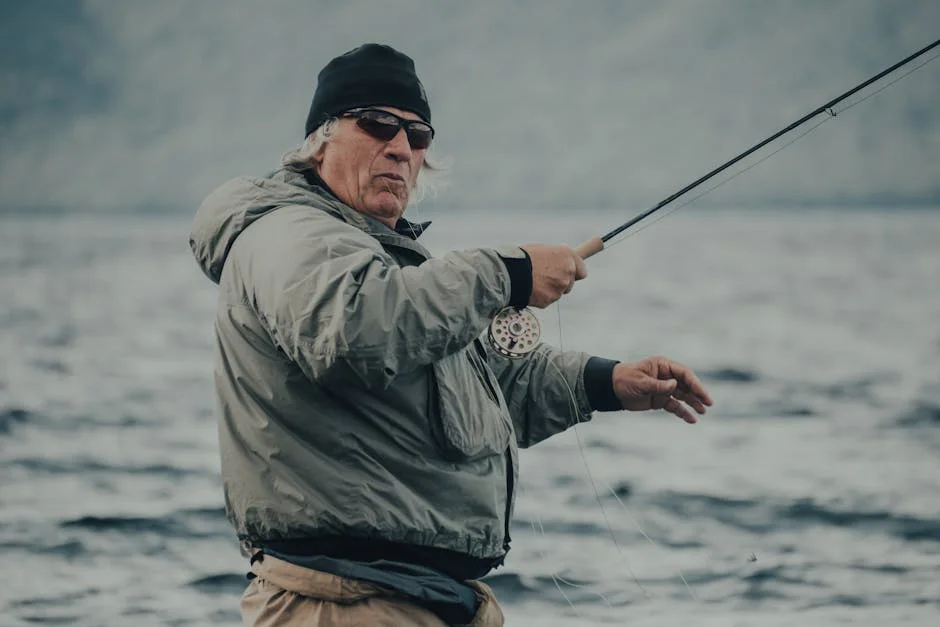
Euro nymphing is a contact nymphing technique where the angler maintains a tight connection between the rod tip and the flies at all times, eliminating the fly line belly that causes drag and delays strike detection. There’s no strike indicator. There’s no bobber. There’s no fly line in the water at all in most setups. The angler watches a colored section of the leader (the sighter) and feels the tippet for takes.
The technique originated in European competitive fly fishing circuits, specifically from Czech, French, and Spanish competition teams who developed it because competition rules limited the number of flies and required efficiency. When those competition methods crossed into recreational fishing in North America, anglers realized the same efficiency that won competitions also caught more fish under real-world conditions.
If you want more context on how euro nymphing fits into the broader landscape of subsurface and contact fishing methods, the Techniques & Methods hub is a good place to orient yourself before going deeper into any single approach.
The honest thing to say about euro nymphing versus indicator nymphing is this: I fished indicator nymphing for years and convinced myself the indicator was doing the work. It wasn’t. I was often fishing the wrong water, and the indicator just made the inactivity visible. When I moved to euro nymphing, there was nothing visual to watch except the sighter and the tippet. That forced me to actually learn to feel the bottom, read structure, and move to productive water instead of standing in one spot watching a bobber. The humbling realization was that a lot of my indicator fishing had been dragging flies through water that held no fish.
The Components of a Euro Nymphing Setup
The Rod
Euro nymphing rods are longer and lighter than standard trout rods, typically 10 to 11 feet in 2 to 4 weight. The length serves a specific purpose: it keeps more line off the water during the drift, reduces drag, and gives the angler reach to control the flies across multiple current seams. The soft tip section serves a different purpose, acting as a shock absorber so fish aren’t immediately felt and dropped, and also telegraphing subtle takes through the rod blank itself.
The Cortland Competition Nymph 10’6” 3wt has been my go-to for eight seasons. It doesn’t get the press that the Sage ESN or the Scott Flex get, and I’ve cast both at shows, but the Cortland holds its own at a fraction of the investment. For anglers starting out, this is an important point: you don’t need a premium rod to learn euro nymphing. A longer, lighter rod is helpful. A dedicated competition rod is not mandatory, especially in the early sessions.
That said, here’s a genuine opinion after twenty years of fishing: start with a standard 9’ rod and a monofilament leader before buying a dedicated euro nymphing rod. The core principle, eliminating slack, can be practiced with gear you already own. If the technique clicks for you within ten sessions (and for most anglers it does click), then invest in a dedicated rod. Don’t let the equipment barrier stop you from trying the technique.
The Line System
The line system in euro nymphing is where the technique diverges most sharply from traditional fly fishing. You are not casting a fly line. The whole point is that there is no fly line in the water. Instead, the system typically consists of a length of level monofilament or multifilament running line, a sighter section, a tippet ring, and the tippet to your flies.
The sighter is a brightly colored section of monofilament, often bi-colored, that serves as your visual strike indicator. It’s not floating on the water, it’s suspended in the air or just above the surface, and you’re watching for any hesitation, twitch, or upstream movement that signals a take. Learning to read the sighter took me a full season. My first twenty sessions felt like I was fishing worse than I ever had with an indicator, because I kept trying to watch the water surface for takes instead of learning to read the sighter and feel the tippet.
The Cortland Competition Nymph line is a level monofilament core with an integrated sighter. No fly line weight at all. The system is designed as a unit, and the specific line that comes with a euro nymphing setup matters more than most anglers realize. Zero sag in the system is the goal. Once you learn to feel a take through monofilament rather than through a fly line belly, the sensitivity difference is immediately obvious.
Tippet and Flies
Euro nymphing tippet is typically fluorocarbon in the 4X to 6X range, depending on the size of the flies and the water clarity. Most euro setups run two flies, a heavier point fly and a lighter dropper, on a system called a two-fly rig or a point-dropper rig. The heavier fly gets the system to depth; the lighter fly rides above it and often gets eaten by suspended fish.
Fly selection for euro nymphing skews toward heavily weighted patterns like tungsten bead nymphs, jig-style patterns (which ride hook-point-up and snag less), and slender, realistic imitations for tailwater fish. On Colorado tailwaters, I fish small Pheasant Tails, Frenchies, and RS2s in 18 to 22 sizes. On the Arkansas River freestone, I’ll go heavier and bigger, 14 to 16 jig-style hare’s ears and prince nymphs. The water type dictates pattern choice as much as the hatch does.
One lesson from a guide on the Bighorn that I carry into every euro nymphing session: four proven patterns fished with precision will outfish a fly box of 400 patterns fished with confusion. Confidence in your pattern and precision in your presentation matter more than pattern selection in most conditions.
Tippet Rings
Tippet rings are small metal rings (typically 2mm) that connect the sighter to the tippet section. They’re a small detail with a real practical purpose: they protect the sighter from repeated trimming as you change tippet lengths, and they give you a clean, consistent connection point. After a season of knotting directly to the sighter and shortening it faster than I wanted to, the tippet ring was an obvious addition.
How to Actually Fish a Euro Nymphing Setup
Positioning and Reach
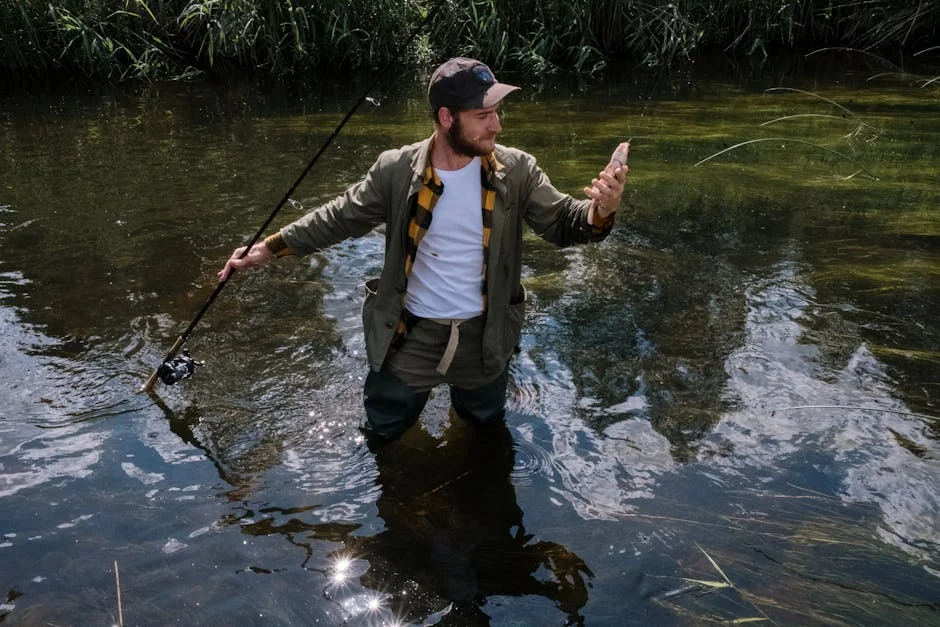
Euro nymphing rewards upstream or across-stream positioning more than downstream approaches. The goal is to cast upstream, lead the flies downstream at the pace of the current with the rod tip, and maintain tight contact throughout the drift. You are not mending. You are not throwing slack. You are tracking.
The reach of a longer rod means you can fish multiple current lanes from one position, which matters on technical tailwaters like Cheesman Canyon where wading into a productive run will push the fish you’re trying to catch. Staying back, keeping a low profile, and using the rod length to reach seams is often the difference between fish and no fish on pressured water.
Reading the Sighter
When the system is set up correctly and you’re in the right water, the sighter will do one of three things: drift downstream evenly (normal), stop suddenly (take, or bottom contact), or move upstream (almost always a take). The challenge for anglers coming from indicator nymphing is that these signals are subtler than a bobber plunging under the surface. The sighter twitch is often small. The upstream movement is often less than an inch.
The first step is learning to distinguish a take from bottom contact. Bottom contact feels like a brief stall. A take often has a slightly different character, a softer pause or a sideways movement, but this takes sessions to internalize. Guides who specialize in euro nymphing, like the guides at Ark Anglers in Salida, will show you this in real time, and real-time demonstration is much faster than reading about it.
Depth Control
Getting the flies to the right depth is the most important skill in euro nymphing, and it’s controlled through three variables: fly weight, tippet length, and angle of approach. Heavier flies reach depth faster but sacrifice some sensitivity. Longer tippets allow the flies to ride deeper but make strike detection slightly slower. A more upstream casting angle gives the flies more time to sink before the drift.
On the Arkansas River, which is freestone and often faster than Cheesman, I usually run a heavier point fly, sometimes two flies with weight, and a longer tippet section to get down. On Cheesman’s slower, clearer water, I’ll drop to lighter jig nymphs and a shorter tippet. The system is adjustable. That’s one of its genuine advantages over indicator nymphing, where changing depth means moving the indicator, not changing the whole physics of the rig.
Building a Euro Nymphing Setup: A Buying Guide
Rod Selection
The first decision in building a euro nymphing setup is the rod, and it’s where most of the investment will go. Dedicated euro nymphing rods run in the premium price range and are worth the investment once you’ve confirmed the technique works for your fishing. Before that point, a standard 9-foot 4 or 5 weight can be rigged with a mono leader and fished as a contact nymphing setup to learn the fundamentals.
When you’re ready for a dedicated rod, look for a length of 10 to 11 feet, a line weight of 2 to 4, and a flexible tip section. Competition-style rods are optimized for the lightest possible weight in hand, which matters over a long day of fishing because euro nymphing involves continuous active rod movement rather than the passive drift-and-watch of indicator fishing. For a broader look at how rod choice intersects with different fishing techniques, the Techniques & Methods section has context on matching equipment to approach.
Line and Leader System
The line system is the component most misunderstood by anglers transitioning from standard fly fishing. You are not buying a fly line in the traditional sense. You’re building or buying a mono rig: a long monofilament running line (often 20 to 30 feet of level mono), a sighter section, a tippet ring, and fluorocarbon tippet.
Pre-built euro nymphing lines like the Cortland Competition Nymph simplify this by integrating the sighter directly into the running line. For beginners, a pre-built line system is a better starting point than building your own mono rig, because the sighter placement and mono diameter are already calibrated for the technique. Building your own rig is a next-season project, not a first-session project.
Tippet and Hardware
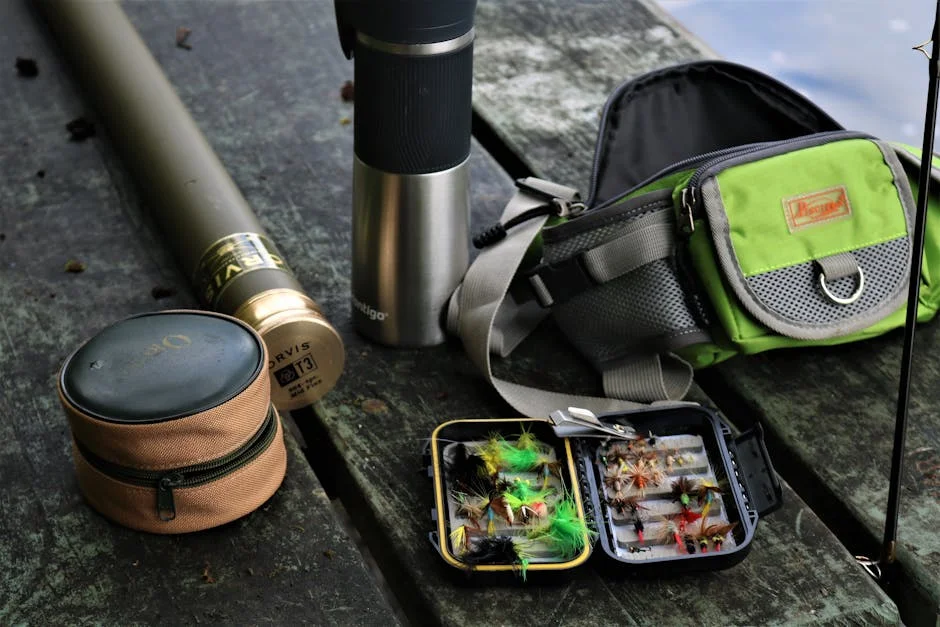
Fluorocarbon tippet in the 4X to 6X range is standard, and keeping several spools of different weights in your pack matters because you’ll be adjusting tippet length and diameter as conditions change. Tippet rings are small but worth buying in quantity since they’re easy to lose. A good tippet holder, one that keeps multiple spools organized and accessible, becomes more important in euro nymphing than in dry fly fishing because you’re changing tippet configurations more frequently.
The rest of the hardware is minimal: a small forceps, a nipping tool, and a small box of weighted jig-style nymphs. Euro nymphing is actually a relatively gear-light technique compared to streamer fishing or dry-dropper rigs, which is one of its underrated advantages for anglers who want to move quickly and cover water.
Wading and Positioning Gear
Euro nymphing rewards careful wading more than almost any other trout fishing technique. Because you’re working in close to the fish (often 15 to 30 feet of total leader and tippet), wading noise and visual disturbance matter. Felt-soled wading boots were long the standard for quiet wading, but studded Vibram rubber soles have largely replaced felt for anglers who move between different river systems and need to avoid transferring invasive species. My current setup uses Korkers Devil’s Canyon boots with Vibram soles and studs, which handles both the Arkansas River cobble and Cheesman’s slick bedrock.
Good polarized sunglasses become almost more important for reading water in euro nymphing than for spotting fish, because you’re looking at structure and current seams rather than a floating indicator. Reading the water is the skill. The sighter just gives you feedback on whether you’ve placed the flies correctly.
Frequently Asked Questions
Do I need a specialized rod to start euro nymphing?
No, and this point is worth being direct about. A standard 9-foot 4 or 5 weight rod rigged with a mono leader will teach you the core skill, which is maintaining contact with your flies through the drift. The specialized rod (longer, lighter, softer tip) improves sensitivity and reach noticeably, but it is not mandatory for learning. Most anglers who find the technique works for them within ten sessions will naturally want to invest in a dedicated rod at that point.
What length of tippet should I use in a euro nymphing rig?
Tippet length in euro nymphing is a depth-control variable, not a fixed number. Most setups run 18 to 36 inches of tippet to the point fly, with a dropper tag of 8 to 12 inches above it. Faster, deeper water generally calls for more tippet length to let the flies reach the bottom before the end of the drift. Slower, shallower tailwater runs often need a shorter tippet to keep the flies in the feeding zone without dragging bottom.
How is euro nymphing different from fishing a tight-line setup with an indicator?
The fundamental difference is that in euro nymphing, there is no indicator and no fly line in the water. The entire system is mono, from the connection at the fly line (or running line) all the way to the fly, and the sighter is suspended above the surface rather than floating on it. This eliminates the drag caused by fly line belly in the water and gives you a direct physical connection to the fly. Strike detection shifts from watching a floating indicator to reading a suspended sighter and feeling the tippet.
Can euro nymphing work on slower, spring creek-style water?
Yes, but it requires adjustment. The technique is often associated with faster pocket water and runs, where maintaining tension is easier. On slower tailwater like sections of the South Platte, lighter flies, longer tippets, and a more careful downstream-tracking approach are necessary to avoid dragging the flies unnaturally. The sighter can also be more difficult to read on flat water where the lack of current variation makes subtle takes harder to detect.
How many flies should I fish in a euro nymphing rig?
Most experienced euro nymphers fish two flies, a heavier point fly and a lighter dropper above it. The point fly provides weight to get the system to depth; the dropper rides above it and often targets fish suspended in the water column. Some anglers fish a single fly in very tight, technical situations or when pattern selectivity is extreme, as on a midge hatch with very educated tailwater fish. Three flies are legal in some states and some anglers use them, but two-fly rigs cover the majority of situations without adding tangle complexity.
<script type="application/ld+json">
{
 "@context": "https://schema.org",
 "@type": "FAQPage",
 "mainEntity": [
 {
 "@type": "Question",
 "name": "Do I need a specialized rod to start euro nymphing?",
 "acceptedAnswer": {
 "@type": "Answer",
 "text": "No, and this point is worth being direct about. A standard 9-foot 4 or 5 weight rod rigged with a mono leader will teach you the core skill, which is maintaining contact with your flies through the drift. The specialized rod (longer, lighter, softer tip) improves sensitivity and reach noticeably, but it is not mandatory for learning. Most anglers who find the technique works for them within ten sessions will naturally want to invest in a dedicated rod at that point."
 }
 },
 {
 "@type": "Question",
 "name": "What length of tippet should I use in a euro nymphing rig?",
 "acceptedAnswer": {
 "@type": "Answer",
 "text": "Tippet length in euro nymphing is a depth-control variable, not a fixed number. Most setups run 18 to 36 inches of tippet to the point fly, with a dropper tag of 8 to 12 inches above it. Faster, deeper water generally calls for more tippet length to let the flies reach the bottom before the end of the drift. Slower, shallower tailwater runs often need a shorter tippet to keep the flies in the feeding zone without dragging bottom. Adjust based on depth and current speed rather than following a fixed measurement."
 }
 },
 {
 "@type": "Question",
 "name": "How is euro nymphing different from fishing a tight-line setup with an indicator?",
 "acceptedAnswer": {
 "@type": "Answer",
 "text": "The fundamental difference is that in euro nymphing, there is no indicator and no fly line in the water. The entire system is mono, from the connection at the fly line (or running line) all the way to the fly, and the sighter is suspended above the surface rather than floating on it. This eliminates the drag caused by fly line belly in the water and gives you a direct physical connection to the fly. Strike detection shifts from watching a floating indicator to reading a suspended sighter and feeling the tippet."
 }
 },
 {
 "@type": "Question",
 "name": "Can euro nymphing work on slower, spring creek-style water?",
 "acceptedAnswer": {
 "@type": "Answer",
 "text": "Yes, but it requires adjustment. The technique is often associated with faster pocket water and runs, where maintaining tension is easier. On slower tailwater like sections of the South Platte, lighter flies, longer tippets, and a more careful downstream-tracking approach are necessary to avoid dragging the flies unnaturally. The sighter can also be more difficult to read on flat water where the lack of current variation makes subtle takes harder to detect. Slower water rewards the technique when the presentation is precise."
 }
 },
 {
 "@type": "Question",
 "name": "How many flies should I fish in a euro nymphing rig?",
 "acceptedAnswer": {
 "@type": "Answer",
 "text": "Most experienced euro nymphers fish two flies, a heavier point fly and a lighter dropper above it. The point fly provides weight to get the system to depth; the dropper rides above it and often targets fish suspended in the water column. Some anglers fish a single fly in very tight, technical situations or when pattern selectivity is extreme, as on a midge hatch with very educated tailwater fish. Three flies are legal in some states and some anglers use them, but two-fly rigs cover the majority of situations without adding tangle complexity."
 }
 }
 ]
}
</script>