South Platte Fly Fishing: A 20-Year Guide to Colorado's Premier River

Affiliate disclosure: Some links on this page are affiliate links. If you buy through them we earn a small commission at no extra cost to you. Recommendations are research-driven; we don't claim personal use of every product reviewed. Product prices and availability are accurate as of the date published and are subject to change. Always check Amazon for current pricing before purchasing. Learn more.
Quick Picks
A Fly Fishers Guide to the South Platte River: A Comprehensive Guide to Fly-Fishing the South Platte Watershed (The Pruett Series)
Buy on AmazonFly Fishing the South Platte River: An Angler's Guide (The Pruett Series)
Buy on Amazon| Product | Price Range | Top Strength | Key Weakness | Buy |
|---|---|---|---|---|
| Fly Fishing Guide to the South Platte River also consider | $$ | Buy on Amazon | ||
| A Fly Fishers Guide to the South Platte River: A Comprehensive Guide to Fly-Fishing the South Platte Watershed (The Pruett Series) also consider | $$ | Buy on Amazon | ||
| Fly Fishing the South Platte River: An Angler's Guide (The Pruett Series) also consider | $$ | Buy on Amazon |
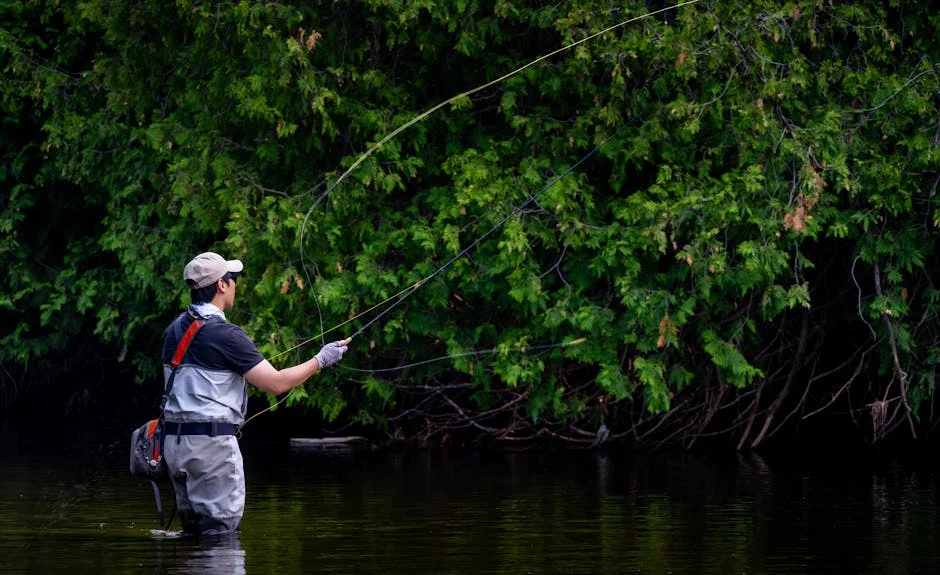
The South Platte River is one of Colorado’s defining fly fishing destinations, running through canyon tailwaters and open freestone stretches that together cover nearly every condition a trout angler will encounter in the West. I’ve been fishing the South Platte since 2004, beginning at Cheesman Canyon on my first day ever holding a fly rod, and I still make the drive down from Salida three or four times a year. That’s twenty years of watching this river, and it still teaches me something every trip.
What makes the South Platte genuinely worth studying, not just fishing, is how many different rivers it is in one watershed. The tailwater sections below reservoirs play nothing like the freestone miles above them. Understanding that difference is the foundation of fishing this system well.
The South Platte Watershed: What You’re Actually Dealing With
Before gear, before flies, before hatch charts, a first-time visitor to the South Platte needs to understand the basic geography of this system. The watershed covers a wide swath of central Colorado, feeding into multiple distinct fishing sections. If you’re researching Colorado waters and want a broader regional picture, our Waters & Destinations hub is a good starting point for putting the South Platte in context alongside other Front Range and mountain fisheries.
The main sections most fly fishers target fall into two categories. The first is the tailwater corridor, which includes Cheesman Canyon below Cheesman Reservoir and Eleven Mile Canyon below Eleven Mile Reservoir. These are cold, consistent, heavily pressured pieces of water. The second category is the freestone miles above those reservoirs, and the stretches of the main stem that behave differently depending on season and snowmelt.
Tailwater vs. Freestone: Two Different Mental Frameworks
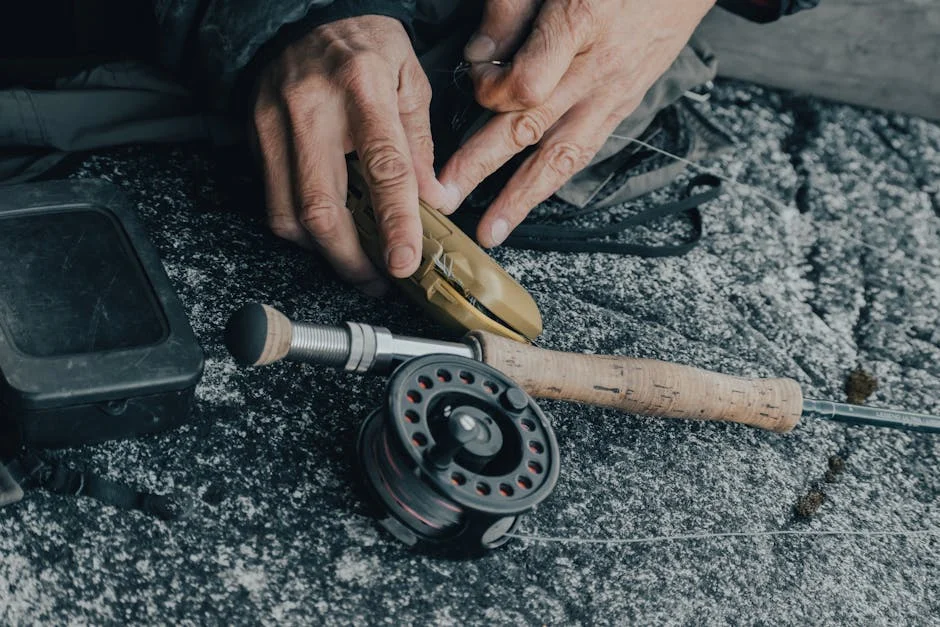
This is the opinion I’ll anchor everything else to: tailwaters and freestone rivers require different mental frameworks, not just different flies. On the South Platte tailwaters, you’re fishing water with consistent temperature, consistent flows, and consistent hatches. The fish are educated. They’ve seen every popular midge pattern. Presentation precision matters more than fly variety. I’ve had days at Cheesman where I changed tippet diameter twice before the fish started eating, not fly pattern, just tippet size.
Freestone sections of the South Platte reward a different skillset. You’re reading water quickly, moving through runs, throwing attractor patterns into foam lines. The fish haven’t seen every fly in the book. When I see anglers who exclusively fish tailwaters try freestone for the first time, they’re often too focused on matching a specific hatch when the fish just want a visible fly in the right lane. Fishing both types of water on the same system, sometimes the same day, is one of the things that has made the South Platte such a useful training ground over twenty years.
Cheesman Canyon Specifically
Cheesman is the section I know best. My first cast was there in 2004, and I’ve watched it change across two decades. The flows from Cheesman Reservoir are more consistent now than they were in my early years. The fish are bigger. Access pressure has increased considerably, especially on weekends from March through October.
The tailwater hatches at Cheesman are predictable in the best possible way. Midges produce year-round, usually best in the mornings with a secondary afternoon window. Blue-Winged Olives fire in spring and fall, often on overcast days when barometric pressure drops. The PMD hatch in July is legitimately the best dry fly fishing of the year on this stretch. If you can be at Cheesman in mid-July on a warm afternoon, that’s the window.
Eleven Mile Canyon and Spinney Area
Eleven Mile Canyon runs for several miles below Eleven Mile Reservoir and gets less attention than Cheesman, which means less pressure on weekdays. The fish population is healthy and the canyon itself offers good wading access in most flows. The section near Spinney Mountain Reservoir has a different character again, with larger, more open water that fishes differently than the canyon sections downstream.
Flows in both canyon sections are managed releases, so checking the USGS gauge before a trip is standard practice. I’ve been surprised by release changes that turned a wade-fishable run into blown-out water before.
Top Picks: Guidebooks for South Platte Fly Fishing
Reading a river over decades is one thing. But when I want to shortcut the learning curve on access points, hatch timing for sections I don’t fish regularly, or historical context for why the fishery is what it is, I turn to printed guidebooks. The South Platte has several in print. Here are the three worth knowing about.
Fly Fishing Guide to the South Platte River
Fly Fishing Guide to the South Platte River covers the watershed with an emphasis on practical access information: where to park, which sections hold fish in which seasons, and what the pressure looks like on each stretch. Verified buyers note that this guide is particularly useful for anglers who haven’t fished the canyon sections before and need a structured orientation to the access points.
Spec data shows this is a mid-range priced guide that sits in the same general tier as most regional fly fishing reference books. Field reports from fly fishing forums suggest it’s strongest on the Cheesman and Eleven Mile sections, which are the most popular and therefore the most thoroughly documented. Owner reviews mention that the hatch information is usable in practical terms, meaning it gives you enough to build a fly selection without overcomplicating the approach.
For a first trip to the South Platte tailwaters, this kind of structured reference helps orient you to a system that can feel overwhelming the first time you see how many miles of fishable water exist between Cheesman Reservoir and the canyon mouth.
Check current price on Amazon.
A Fly Fisher’s Guide to the South Platte River
A Fly Fishers Guide to the South Platte River: A Comprehensive Guide to Fly-Fishing the South Platte Watershed (The Pruett Series) takes a broader watershed approach than some of the single-section guides. This is part of the Pruett Series, which has a reputation among Colorado anglers for being methodical and genuinely useful rather than promotional. Owner reviews note the watershed-wide scope, which means coverage extends beyond the popular canyon sections into less-visited water.
Verified buyers indicate the hatch charts are detailed enough to serve as actual planning tools, not just general reference. For someone who wants to fish the South Platte system beyond just Cheesman and Eleven Mile, the broader watershed coverage gives this guide utility across multiple trips and multiple seasons. Field reports from Colorado fly fishing communities suggest this edition holds up well even years after publication because the tailwater character of the main sections doesn’t shift dramatically year to year.
The Pruett Series approach tends toward thoroughness over brevity, which suits anglers who want to understand why a section fishes the way it does, not just where to stand.
Check current price on Amazon.
Fly Fishing the South Platte River: An Angler’s Guide
Fly Fishing the South Platte River: An Angler’s Guide (The Pruett Series) is the other Pruett entry on the South Platte, and verified buyers who have both note some overlap in coverage but also meaningful differences in how each organizes its access and hatch information. This volume is particularly noted by owner reviews for its readable narrative approach alongside the practical data, which makes it more useful for reading at home before a trip than some of the more purely reference-oriented guides.
Spec data confirms mid-range pricing consistent with the Pruett Series generally. Field reports from anglers on Colorado fly fishing boards indicate this guide covers wade access points with good detail, which matters on a river where getting to the water can be as complicated as fishing it once you’re there. For anglers who like to combine practical reference with some background on the river’s character and history, this format works well.
Both Pruett volumes together give a reasonably complete picture of the watershed. If you’re going to own one, the choice between them comes down to whether you want broader watershed scope or more narrative depth on the primary sections.
Check current price on Amazon.
Buying Guide: Choosing a South Platte Guidebook
What Kind of Angler Are You Buying For
The most useful question before buying a South Platte guidebook is whether you’re buying for a first-time visitor or someone who already knows the primary sections. A first-time angler benefits most from structured access information and basic hatch data. Someone who’s fished Cheesman a dozen times is more likely to get value from watershed-wide coverage of sections they haven’t explored yet.
Owner reviews across all three titles in this category consistently reward guides that are specific about access. The South Platte’s canyon sections involve parking areas, walk-in distances, and flow-dependent wading conditions that change the experience significantly. Generic regional guides that don’t address this level of detail are less useful on a pressured tailwater system.
How Current Is the Information
Guidebook publication dates matter more on some rivers than others. On the South Platte tailwaters, the core hatch timing, basic fly selection, and primary access points have been stable enough that a guide published within the last decade or so remains useful. What changes more quickly is access regulation, parking, and specific section closures, which are better verified through the Colorado Parks and Wildlife website or a local shop before any trip.
At Ark Anglers in Salida, the standard advice before any South Platte trip is to call ahead and check current flows and any access changes regardless of what printed material says. Guidebooks orient you to a fishery. Real-time information keeps you out of trouble. Both have a role, and they work better together than either does alone.
Matching the Guide to Your Target Section
If your primary target is the Cheesman Canyon tailwater, any of the three guides reviewed here will give you functional coverage. Cheesman is the most documented section in the literature because it’s historically been the most productive and the most pressured. For the Eleven Mile Canyon section or Spinney area, look specifically at how much page space each guide allocates to those miles before buying.
For anglers who want to explore the full Waters & Destinations range of what the South Platte offers, the broader watershed guides have a meaningful advantage. The system above the reservoirs, the North Fork, and the stretches of the main stem through lower canyon country all fish differently and appear in some guides more thoroughly than others.
Hatch Charts and Fly Selection Guidance
The value of a printed hatch chart in 2024 is real but limited. It tells you the historical pattern, which on a consistent tailwater like Cheesman is reliable enough to use as a planning baseline. It doesn’t tell you what happened to the midge hatch after a week of high flows or what the fish are keying on this specific week.
Verified buyers note that the most useful guidebooks in this category treat hatch information as a framework rather than a prescription. The best use of printed hatch data is to build your starting fly selection before a trip, then adjust on the water based on what you’re actually seeing. That’s true on any tailwater, but especially on the South Platte where the fish get educated quickly on overused patterns.
Pairing a Guidebook With On-the-Ground Recon
No guidebook replaces talking to a local shop before fishing an unfamiliar section of the South Platte. The canyon sections change with flows. A run that fished perfectly in low water May conditions might be unwadeable at the same time of year in a high snowpack year. Field reports from South Platte regulars consistently note that local knowledge closes the gap between what a book describes and what you actually encounter.
The three guides reviewed here function best as pre-trip planning tools and in-field reference, not as real-time oracles. That’s the correct way to use any regional guidebook on a living, flow-variable river system.
Frequently Asked Questions
What is the best time of year to fly fish the South Platte?
The South Platte fishes well across multiple seasons because the tailwater sections maintain consistent temperatures year-round. Spring brings Blue-Winged Olive hatches on overcast days, particularly in April and May. July is prime for the PMD hatch on sections like Cheesman Canyon. Fall produces another BWO window and lighter crowds.
Do I need a guide to fish the South Platte for the first time?
A guide is not required but adds significant value on a first trip to the canyon sections. The South Platte tailwaters involve technical presentation, small flies, fine tippet, and educated fish that can frustrate experienced anglers who are new to this specific type of water. A half-day with a guide who knows Cheesman or Eleven Mile Canyon will compress your learning curve meaningfully. Guidebooks help with access and basic hatch orientation, but in-person instruction on a technical tailwater is harder to replicate from reading.
What flies should I bring to the South Platte?
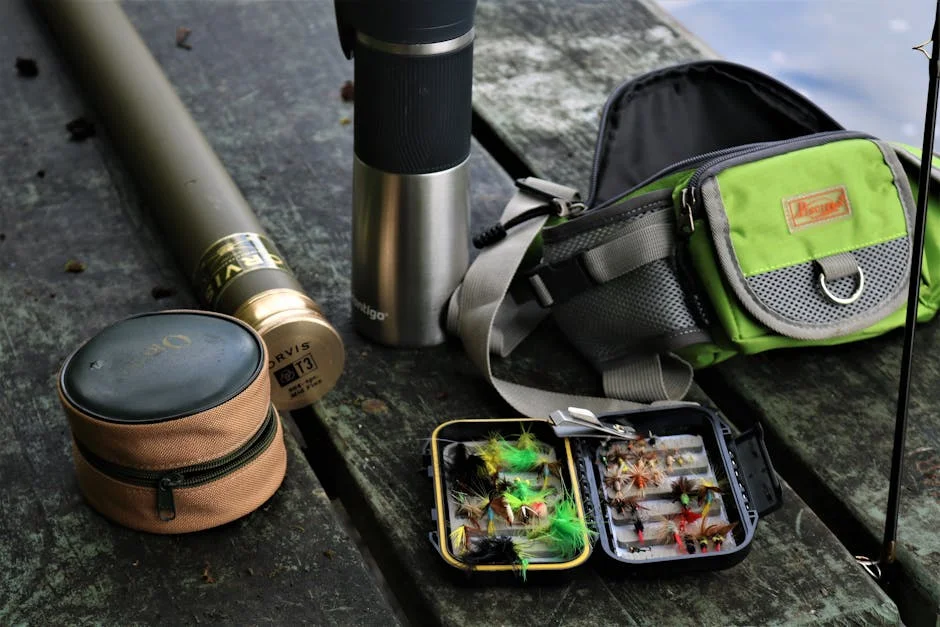
Midges are non-negotiable. Zebra midges, mercury midges, and midge larvae in sizes 20 through 26 cover the year-round baseline. Blue-Winged Olive patterns in sizes 18 through 22 are essential for spring and fall. A PMD selection in sizes 16 through 20 covers the July window on sections like Cheesman.
Is the South Platte catch-and-release only?
Regulations vary by section and change periodically, so verifying current rules through Colorado Parks and Wildlife before each trip is the correct approach. Several of the most popular sections, including portions of Cheesman Canyon, have had special regulations including catch-and-release requirements and artificial-lures-only restrictions. Buying a current license and reading the specific regulations for your target section before you fish protects both you and the fishery. Local fly shops can confirm current rules for specific stretches.
How does the South Platte compare to other Colorado tailwaters?
The South Platte tailwaters are among the most technical in Colorado, comparable in difficulty to the Dream Stream section near Spinney Mountain and more demanding than some of the lower-pressure freestone stretches in the state. The fish are large and educated, the presentations need to be precise, and the tippet needs to be fine. Compared to the Arkansas River freestone near Salida, the South Platte rewards a slower, more methodical approach. Both systems have their place in a complete Colorado fly fishing season.
<script type="application/ld+json">
{
 "@context": "https://schema.org",
 "@type": "FAQPage",
 "mainEntity": [
 {
 "@type": "Question",
 "name": "What is the best time of year to fly fish the South Platte?",
 "acceptedAnswer": {
 "@type": "Answer",
 "text": "The South Platte fishes well across multiple seasons because the tailwater sections maintain consistent temperatures year-round. Spring brings Blue-Winged Olive hatches on overcast days, particularly in April and May. July is prime for the PMD hatch on sections like Cheesman Canyon. Fall produces another BWO window and lighter crowds. Winter midging is productive for anglers comfortable with cold wading conditions and precise nymphing. Most local guides point to spring and fall as the most reliable seasons overall."
 }
 },
 {
 "@type": "Question",
 "name": "Do I need a guide to fish the South Platte for the first time?",
 "acceptedAnswer": {
 "@type": "Answer",
 "text": "A guide is not required but adds significant value on a first trip to the canyon sections. The South Platte tailwaters involve technical presentation, small flies, fine tippet, and educated fish that can frustrate experienced anglers who are new to this specific type of water. A half-day with a guide who knows Cheesman or Eleven Mile Canyon will compress your learning curve meaningfully. Guidebooks help with access and basic hatch orientation, but in-person instruction on a technical tailwater is harder to replicate from reading."
 }
 },
 {
 "@type": "Question",
 "name": "What flies should I bring to the South Platte?",
 "acceptedAnswer": {
 "@type": "Answer",
 "text": "Midges are non-negotiable. Zebra midges, mercury midges, and midge larvae in sizes 20 through 26 cover the year-round baseline. Blue-Winged Olive patterns in sizes 18 through 22 are essential for spring and fall. A PMD selection in sizes 16 through 20 covers the July window on sections like Cheesman. Pheasant tail nymphs and RS2s in multiple sizes round out a South Platte box. Carry multiple sizes of each pattern because the fish can key on specific sizes on pressured tailwater days."
 }
 },
 {
 "@type": "Question",
 "name": "Is the South Platte catch-and-release only?",
 "acceptedAnswer": {
 "@type": "Answer",
 "text": "Regulations vary by section and change periodically, so verifying current rules through Colorado Parks and Wildlife before each trip is the correct approach. Several of the most popular sections, including portions of Cheesman Canyon, have had special regulations including catch-and-release requirements and artificial-lures-only restrictions. Buying a current license and reading the specific regulations for your target section before you fish protects both you and the fishery. Local fly shops can confirm current rules for specific stretches."
 }
 },
 {
 "@type": "Question",
 "name": "How does the South Platte compare to other Colorado tailwaters?",
 "acceptedAnswer": {
 "@type": "Answer",
 "text": "The South Platte tailwaters are among the most technical in Colorado, comparable in difficulty to the Dream Stream section near Spinney Mountain and more demanding than some of the lower-pressure freestone stretches in the state. The fish are large and educated, the presentations need to be precise, and the tippet needs to be fine. Compared to the Arkansas River freestone near Salida, the South Platte rewards a slower, more methodical approach. Both systems have their place in a complete Colorado fly fishing season."
 }
 }
 ]
}
</script>Where to Buy
Fly Fishing Guide to the South Platte RiverSee Fly Fishing Guide to the South Platte… on Amazon