Roaring Fork Fly Fishing Guide: Seasonal Tactics and Access

Affiliate disclosure: Some links on this page are affiliate links. If you buy through them we earn a small commission at no extra cost to you. Recommendations are research-driven; we don't claim personal use of every product reviewed. Product prices and availability are accurate as of the date published and are subject to change. Always check Amazon for current pricing before purchasing. Learn more.
Quick Picks
Aventik Strike Indicator Hand Tied Floating Fly Fishing Nymphs & Dry Fly 12 pc Each Style Strike Indicator Fly Fishing
Buy on AmazonBooms Fishing FF3 7 PCS Fly Fishing Tools Kit, Fishing Knot Tool and Line Clipper Retractor, Magnetic Net Release with Lanyard, Fly Fishing Tippet Spool Holder, Hook Remover Forceps
Buy on Amazon| Product | Price Range | Top Strength | Key Weakness | Buy |
|---|---|---|---|---|
| Aventik Strike Indicator Hand Tied Floating Fly Fishing Nymphs & Dry Fly 12 pc Each Style Strike Indicator Fly Fishing also consider | $$ | Buy on Amazon | ||
| Booms Fishing FF3 7 PCS Fly Fishing Tools Kit, Fishing Knot Tool and Line Clipper Retractor, Magnetic Net Release with Lanyard, Fly Fishing Tippet Spool Holder, Hook Remover Forceps also consider | $$ | Buy on Amazon |
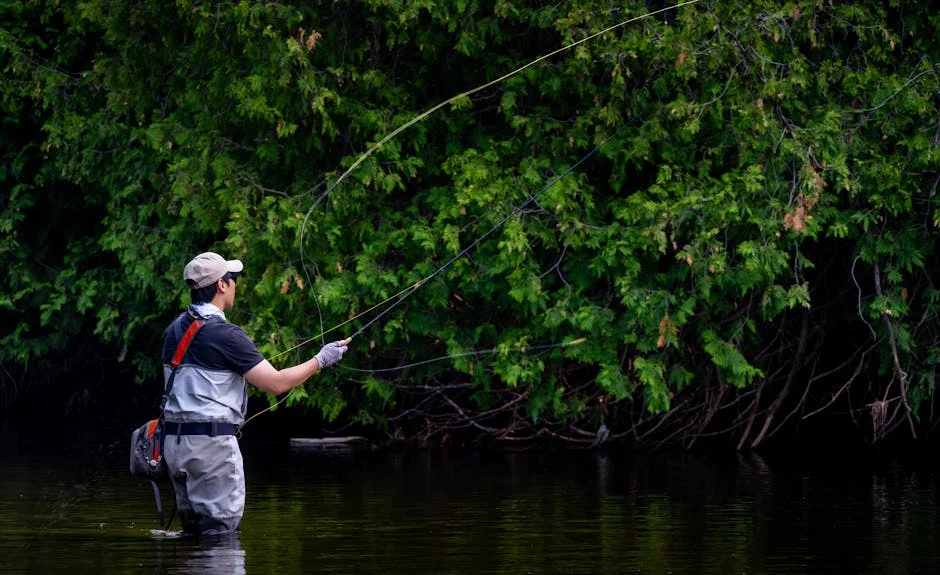
The Roaring Fork River drops out of the Independence Pass corridor and runs nearly 70 miles before joining the Colorado at Glenwood Springs, carrying cold, clear water through some of the most productive trout habitat in the state. It’s a river that rewards preparation. Anglers who show up knowing the seasonal rhythms, the access points, and the distinction between the upper freestone reaches and the lower tailwater-influenced stretches will consistently outfish those who don’t.
Colorado has no shortage of technically demanding water, and the Roaring Fork holds its own against any of it. If you’re building a mental map of the state’s best rivers, the Waters & Destinations hub is worth bookmarking before you plan any trip here.
Understanding the Roaring Fork System
Upper Freestone vs. Lower Tailwater Character
The Roaring Fork behaves like two different rivers depending on where you’re standing. Above Basalt, the upper river and its tributaries (Fryingpan, Snowmass Creek, Crystal River) carry classic freestone character: variable flows tied to snowmelt and precipitation, water temperatures that swing more dramatically through the season, and trout that respond well to attractor patterns and quick reads of structure.
Below Basalt, and especially as you move toward Carbondale and Glenwood Springs, the river picks up regulated flows from Ruedi Reservoir via the Fryingpan. That reservoir influence moderates temperatures and creates more consistent conditions in the lower reaches. The fish in that stretch start showing behavioral patterns closer to tailwater fish: more selective, more oriented to specific lanes, more likely to refuse a fly that’s dragging even slightly.
I fish both Cheesman Canyon on the South Platte and the Arkansas River out of Salida regularly, and that dual experience has sharpened my thinking about this. Tailwater fish and freestone fish require genuinely different mental frameworks, not just different flies. On a freestone stretch of the Roaring Fork above Basalt, mobility and confidence with attractor patterns will catch fish. On the lower river with reservoir influence behind it, that same approach will leave you frustrated. Anglers who train exclusively on one type of water often struggle when they cross over.
Seasonal Rhythms Worth Knowing
The Roaring Fork is a year-round fishery, but the seasons shape your approach significantly.
Spring runoff typically peaks between late April and early June depending on snowpack. The mainstem can blow out during peak runoff, but the Fryingpan tributary stays fishable much longer because Ruedi controls its flows. If you’re planning a May trip and want consistent water, the Fryingpan is often the better call.
Summer fishing from late June through August is historically strong. Blue-Winged Olives come off in mornings, caddis hatches fire in the evenings, and hoppers become viable along grassy banks by mid-July. The lower river near Glenwood sees PMD activity that can produce exceptional dry fly fishing on calm mornings.
Fall is when experienced anglers prioritize this system. September and October bring cooler water temperatures, reduced fishing pressure compared to summer, and the BWO hatches return with consistency. Brown trout start their pre-spawn movement, and larger fish that stayed tucked in deep water through summer become more aggressive. The fish aren’t easy, but they’re catchable if you’re fishing correctly timed patterns.
Winter fishing exists on the lower river and Fryingpan, primarily midge-dependent. Midges are the baseline hatch on any Colorado tailwater in cold months, and the Roaring Fork system is no exception.
Access, Regulations, and Public Water
Access on the Roaring Fork is a genuine logistical consideration. The river runs through Aspen and Basalt, and private land borders significant stretches. The Rio Grande Trail parallels much of the river through Aspen and provides walk-in access at various points, but the productive public water requires some research before you go.
The Crystal River confluence area near Carbondale offers good public access. The stretch through Glenwood Canyon, accessible via the bike path and frontage areas, gets overlooked by anglers chasing the more glamorous upper river sections.
Colorado Parks and Wildlife regulations designate portions of the Roaring Fork as Gold Medal water, with slot limits and fly-and-lure-only restrictions. Verify current regulations before any trip. The rules aren’t complicated, but ignoring them has consequences and the fish in Gold Medal sections are there because those regulations work.
Gear That Works on the Roaring Fork
The Roaring Fork’s variety of water types means your gear needs to handle multiple scenarios. An 8’6” to 9’ rod in 4 or 5 weight covers most situations. Euro nymphing setups (I’ve been on a Cortland Competition Nymph 10’6” 3wt for euro work since 2018) are particularly effective on the technical lower sections where tight-line nymphing keeps you in contact with the fly through complex currents.
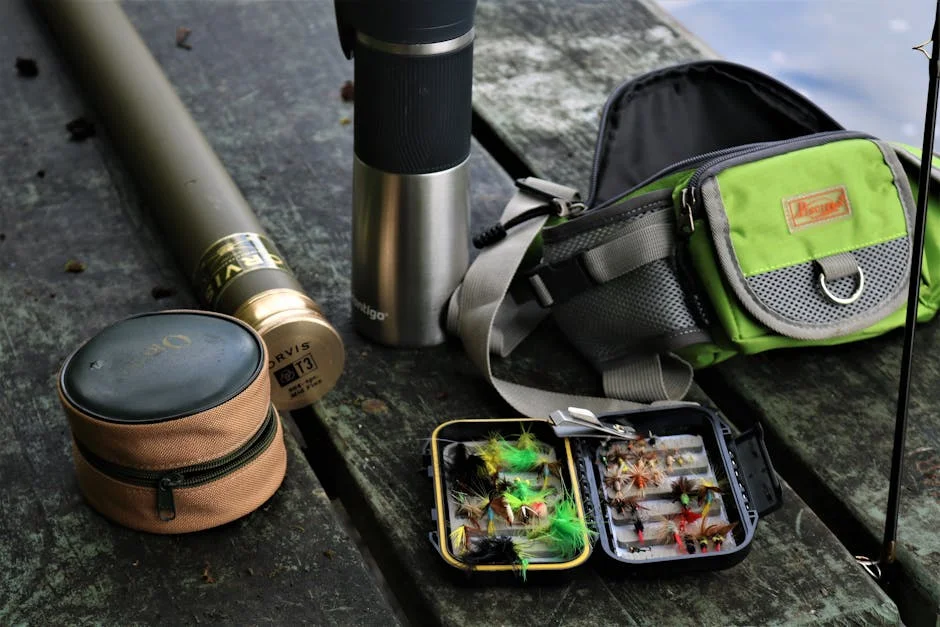
Indicators still have a place on the broader, deeper runs of the middle river. The right indicator setup gets your fly into the zone without spooking fish on moderate-depth water where euro methods can feel like you’re working too hard. That’s where organized indicator fly selections become genuinely useful, and where having your essential tools organized matters when you’re moving between runs.
Top Picks for Roaring Fork Gear
Aventik Strike Indicator Hand Tied Floating Fly Fishing Nymphs and Dry Fly 12 pc Each Style
The Aventik Strike Indicator Hand Tied Floating Fly Fishing Nymphs and Dry Fly 12 pc addresses a real gap in most anglers’ fly boxes: purpose-tied patterns designed specifically around indicator nymphing presentations, not just generic nymphs repurposed for the method. Verified buyers note that the hand-tied construction holds up through multiple fish and that the patterns are matched appropriately to the size range useful for Colorado trout fishing.
Field reports from online fly fishing communities indicate these flies perform on pressured water when fished with proper depth and mend control. The variety across the 12-piece sets lets you cover different zones in the water column, which matters on a river like the Roaring Fork where fish suspend at different depths depending on time of day and season. Owner feedback consistently mentions the flies sink quickly without excessive weight, which is exactly what you want for getting into feeding lanes without dragging through the bottom.
The criticism that surfaces in buyer reviews is about consistency, which is common with value-tier hand-tied imports. Not every fly in every pack is going to be tied identically. That’s not a disqualifier, but it’s worth checking each fly before you tie it on. At the mid-range price band, you’re getting enough flies to experiment with indicator nymphing methods without a significant financial commitment, which makes these a reasonable starting point for anglers still developing their nymph fishing approach on water like the Roaring Fork’s middle sections.
Check current price on Amazon.
Booms Fishing FF3 7 PCS Fly Fishing Tools Kit
The Booms Fishing FF3 7 PCS Fly Fishing Tools Kit brings together the tools most fly anglers reach for constantly: a knot tool, line clipper with retractor, magnetic net release with lanyard, tippet spool holder, and hook remover forceps. Verified buyers report the magnetic net release as the standout piece, noting the magnet strength is adequate for nets in the small-to-medium range and releases cleanly when you need it.
Field reports from fishing forums highlight the tippet spool holder as genuinely useful for anglers who carry multiple tippet sizes, which is standard practice on technical water where you might switch between 5X and 6X depending on what the fish are doing. Owner reviews note that the retractable clipper works reliably and that the forceps are stiff enough for hook removal without requiring excessive force on small hooks, which matters on size 18 to 22 flies common in Colorado tailwater and tailwater-adjacent fishing.
The mid-range price band positioning reflects what you’re getting: serviceable tools that handle daily fishing tasks, not precision instruments. Spec data shows the forceps are straight-jaw, which handles the vast majority of hook removal situations. Some buyers in premium tool territory will find the finish quality below what they’re accustomed to, but for an angler looking to consolidate their vest or chest pack tools into one organized kit, the FF3 delivers function at a sensible price point. On the Roaring Fork, where you might be switching flies, adjusting tippet, and releasing fish multiple times in a run, having these tools on your body and accessible matters more than their pedigree.
Check current price on Amazon.
Buying Guide: Matching Gear to the Roaring Fork
Rods and Line Weights for Variable Water
The Roaring Fork’s range from small tributary freestone to broad lower river runs means a single rod won’t optimize every situation. A 9-foot 5-weight covers the most scenarios and is the practical choice if you’re only bringing one rod. For technical smaller water above Basalt or the Fryingpan’s tighter reaches, an 8’6” 4-weight gives you better delicacy. For the broader lower river and streamer work in fall, a 9-foot 6-weight handles wind and heavier flies without strain.
Euro nymphing setups on longer rods (10 to 11 feet, 2 to 3 weight) are increasingly popular on the technical sections near Basalt and on the Fryingpan. Spec data on euro nymph lines shows the zero-stretch design keeps you in direct contact with the fly, which is the entire point of the method.
Strike Indicators: When and Where
Strike indicators aren’t a beginner-only tool. They’re the right presentation method for specific conditions: deeper runs of 3 to 5 feet, moderate current speeds, and fish that are suspended mid-column rather than hugging the bottom. The Roaring Fork’s middle and lower sections have plenty of water that fits this description.
The Waters & Destinations section of this site covers multiple Colorado rivers where indicator nymphing is the primary method, and the Roaring Fork belongs in that category for significant portions of its length. Matching indicator size to fly weight and water depth is the key adjustment most anglers underwork. Too large an indicator drags unnatural on slow water; too small and you can’t detect the subtle takes from educated fish.
Tippet Sizes and Material Choices
Colorado river trout, particularly in water with any tailwater influence, demand appropriate tippet diameter. On clear low flows typical of summer and fall on the Roaring Fork, 5X is a starting point, not the fine end. Verified buyers on tippet forums consistently recommend dropping to 6X for size 18 and smaller flies, which covers a significant portion of the Roaring Fork’s productive nymph and dry fly range.
Fluorocarbon tippet is worth the premium cost for subsurface fishing on clear water. Its lower refractive index compared to nylon is not imaginary, and field reports from technical Colorado water consistently indicate improved hook-up rates on educated fish. For dry fly fishing, quality nylon floats better and performs adequately given that the fly itself is the focal point.
Wading Safety and Footwear
The Roaring Fork’s riverbed is uneven, slick in sections, and variable by season. Studs are not optional on this water; they’re a baseline requirement. Felt soles with studs outperform rubber-only footwear on slick algae-covered cobble that characterizes much of the lower river in summer. Check local regulations, because felt sole restrictions apply in some Colorado waters and may apply to specific sections here.
Wading above Basalt in summer and early fall is generally manageable for experienced waders. Spring and early summer flows after snowmelt can move fast enough to be genuinely dangerous. If you’re uncertain about a crossing, don’t make it. The fish in the next run aren’t worth a bad wade-in.
Essential Tool Organization on the Water
Fly fishing on the Roaring Fork involves frequent fly changes, tippet adjustments, and fish handling. Having your tools accessible without digging through your pack is a quality-of-life factor that directly affects how many fish you catch. Every minute spent searching for forceps is a minute your fly isn’t in the water.
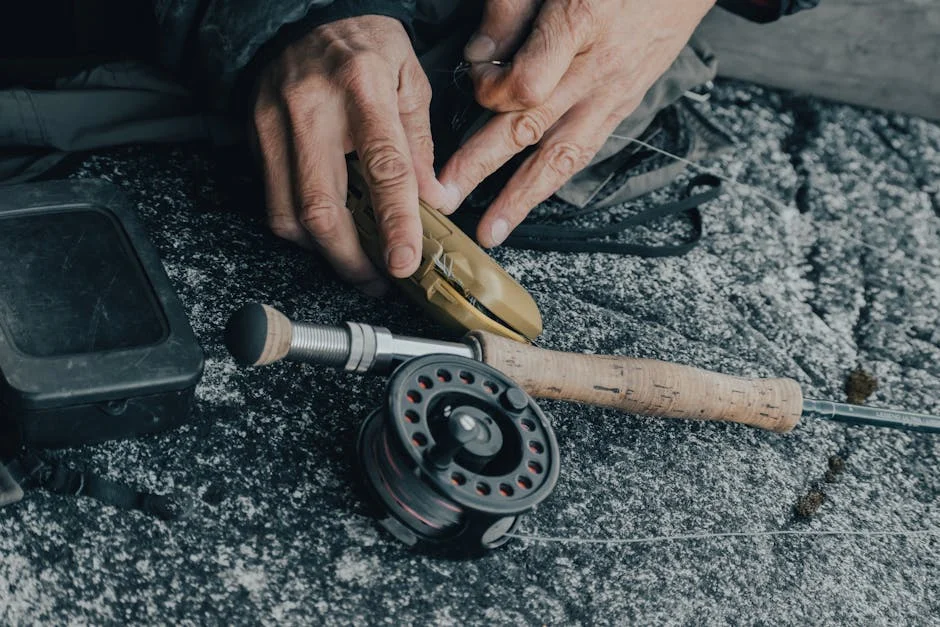
A well-organized tool kit on a retractor system keeps clippers, forceps, and indicators within reach. Chest packs and sling packs with multiple attachment points work better than vest pockets for tool access when you’re mid-wade. This isn’t a gear-acquisition argument; it’s a workflow argument. Organized tools mean faster fly changes and faster releases, both of which matter on productive water.
Closing Thoughts
The Roaring Fork rewards anglers who take the time to understand its character before wading in. The upper freestone water and the lower reservoir-influenced sections are fundamentally different fisheries sharing the same river corridor, and the mental framework you bring to one will work against you on the other if you’re not paying attention. That distinction is one of the things that makes this river genuinely interesting after repeated visits.
If the Roaring Fork fits into a broader Colorado fishing itinerary, check the full Waters & Destinations hub for context on how it compares to other front range and Western Slope fisheries. There’s a lot of good water in this state, and the Roaring Fork belongs near the top of any priority list.
Frequently Asked Questions
What flies work best on the Roaring Fork?
The Roaring Fork responds well to BWO patterns in spring and fall, caddis and hopper dry flies through summer, and midges year-round on the lower river. Nymphs in the size 16 to 20 range cover most subsurface feeding situations. Field reports from local guides consistently recommend Pheasant Tails, Hare’s Ear variants, and RS2 patterns for the lower sections with tailwater influence. Attractor patterns like Chubby Chernobyls work well on the upper freestone water from mid-July through September.
When is the best time of year to fish the Roaring Fork?
Late September through October is consistently cited by experienced anglers as the best overall window: BWO hatches return, crowds thin, and brown trout become active ahead of the spawn. Summer from late June to August offers reliable hopper and caddis fishing. Spring fishing exists but runoff complicates access on the mainstem; the Fryingpan tributary maintains fishable flows during heavy runoff because Ruedi Reservoir moderates releases.
Is the Roaring Fork suitable for wade fishing or is a boat necessary?
The Roaring Fork is primarily a wade fishing river, and most public access points are designed for wading anglers. A drift boat or raft does cover more water and accesses mid-river structure that waders can’t reach, but wade fishing the accessible public stretches is productive without a boat. The upper river and Fryingpan tributary are both too confined for boats through most productive sections. Good wading boots with studs and appropriate footwear are more important investments than boat access on this river.
What are the regulations on the Roaring Fork?
Portions of the Roaring Fork and Fryingpan tributary are designated Gold Medal water with specific slot limits and artificial fly-and-lure-only restrictions. Regulations can vary by section and are updated annually by Colorado Parks and Wildlife. Always verify current regulations on the CPW website before fishing. Felt sole restrictions may apply on certain stretches.
Do I need a guide for the Roaring Fork?
A guide isn’t required, but first-time visitors benefit significantly from local knowledge on access points, current productive sections, and fly selection. The Roaring Fork valley has several reputable fly shops in Basalt and Carbondale that provide up-to-date conditions reports and can point you toward open water. Experienced anglers comfortable with technical presentation and independent water reading can do well without a guide, particularly on well-documented public access stretches. For anglers newer to technical trout fishing, a half-day guided trip is worth the investment.
Where to Buy
Aventik Strike Indicator Hand Tied Floating Fly Fishing Nymphs & Dry Fly 12 pc Each Style Strike Indicator Fly FishingSee Aventik Strike Indicator Hand Tied Fl… on Amazon