Plan Your Fly Fishing Vacation: Research Tips and Tactics

Affiliate disclosure: Some links on this page are affiliate links. If you buy through them we earn a small commission at no extra cost to you. Recommendations are research-driven; we don't claim personal use of every product reviewed. Product prices and availability are accurate as of the date published and are subject to change. Always check Amazon for current pricing before purchasing. Learn more.
Quick Picks
Planning a fly fishing vacation is one of the better problems a person can have. Too many good rivers, not enough time off. Whether you’re eyeing a tailwater in the Rockies or a saltwater flat somewhere warm, the planning stage matters as much as the trip itself.
Two decades into this sport, I’ve learned that destination research done well saves more fish than any gear upgrade. What follows is practical guidance for anglers who want to fish unfamiliar water well, not just show up and hope.
For more planning tools and gear breakdowns, browse our Guides & Resources section before you book anything.
Why a Fly Fishing Vacation Is Different From a Fishing Trip
Most fishing trips are opportunistic. You’re near water, you bring a rod, you see what happens. A fly fishing vacation is something else. It’s a deliberate allocation of limited time and real money toward a specific angling experience. That shift in intentionality changes everything about how you should prepare.
I’ve made both kinds of trips. The opportunistic ones are fun. The intentional ones, when planned correctly, produce the fishing memories that actually stick. The difference almost always comes down to how seriously you took the preparation.
Tailwater vs. Freestone: The First Decision
Before you start researching destinations, know which type of water you’re going to. This matters more than most anglers realize, and I mention it in nearly every gear discussion because it genuinely changes your entire approach.
Tailwaters, releases below dams, tend to run cold and clear year-round. They hold large fish conditioned to specific hatches and presentations. Cheesman Canyon on the South Platte, the Bighorn in Montana, the Missouri in Montana below Holter Dam. These are technical fisheries where presentation refinement pays off enormously. They’re also forgiving in terms of timing because the temperature regulation keeps fish active across seasons.
Freestone rivers are rainfall and snowmelt dependent. The Arkansas below Salida is my home water, and it fishes completely differently in May runoff versus October low flows. Planning a freestone trip requires you to nail the timing window, often a narrower target than you’d expect.
Knowing which you’re chasing shapes your gear selection, your fly box priorities, and your guide expectations.
The Guide Question
Hire one. I’ll say it plainly: if you’re fishing water you’ve never seen, hire a local guide for at least one day of the trip.
This isn’t about being a beginner. The guide on the Bighorn I hired back in 2009 is one of the best investments I’ve made in twenty years of fishing. I thought I already knew what I was doing. I’d been fishing seriously for five years at that point. He showed me three things I was doing wrong, specifically in my drift control and my mend timing, that I had been doing wrong for all five of those years. I hadn’t caught it because I was still catching fish. He caught it in about forty minutes on the water.
That single day changed more about my fishing than any rod purchase. The gear matters. The local knowledge matters more.
If you’re unsure what to ask when hiring a guide or what to expect from a guided day, the Guides & Resources section at RM Fly Fishing has solid orientation material for anglers at every experience level.
Planning the Trip: What Actually Matters
Timing the Season Right
Every destination has a peak window, and that window is often narrower than the destination’s promotional materials suggest. Research hatch calendars for your target river. The Green Drake hatch on a Colorado tailwater and the salmonfly hatch on a Montana freestone are both legendary, but showing up a week early or a week late puts you on different water entirely.
Talk to fly shops near the water you’re targeting. Not the big online retailers, the local shops. A five-minute phone call to a shop on the river is worth more than an hour of forum reading. These folks are on the water daily. Ask what month they’d pick if they were fishing for themselves.
Matching Your Skills to the Water
This one stings a little to write, but it’s worth being honest about. Some destinations are genuinely not appropriate for certain skill levels, and matching the two well makes for a better trip.
Euro nymphing has been a primary technique on technical water since 2018. Technique proficiency on home water does not automatically transfer to new water, as unfamiliar currents present different challenges than those encountered on familiar stretches.
Ask yourself honestly: can you cast consistently to 40 feet in varying wind? Can you mend effectively? Do you know how to read seams in unfamiliar current? The answers tell you how much you’ll benefit from a guide and what kind of water will actually be satisfying versus frustrating.
Gear Prep for Destination Fishing
Don’t buy new gear for a trip unless you genuinely need it. New gear needs practice time to become functional, and a destination trip is not the moment to work out a new casting stroke with a rod you’ve owned for three weeks.
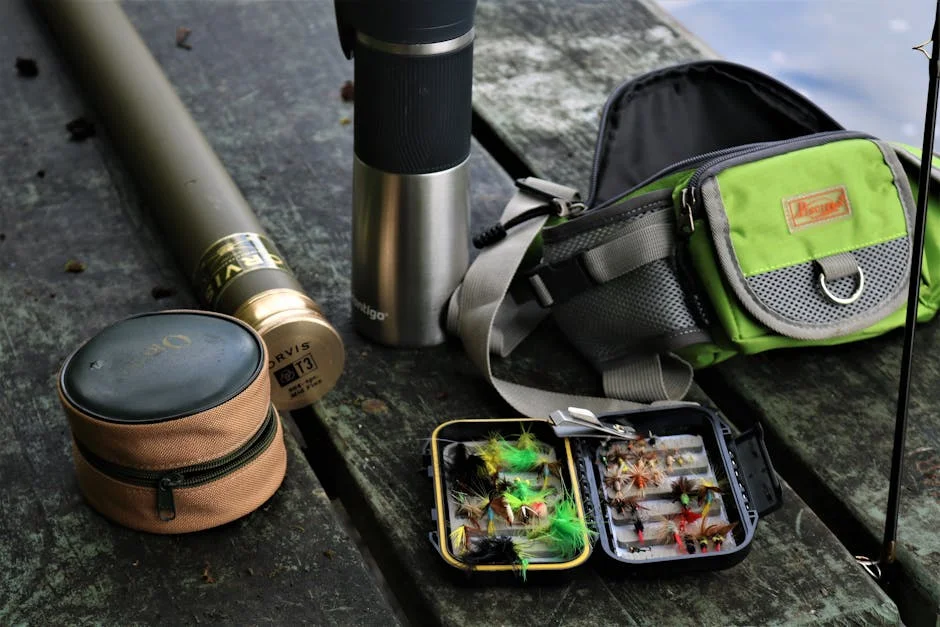
That said, review your consumables well before departure. Tippet, especially fluorocarbon in the diameter you actually fish, has a surprisingly short shelf life once the spool is opened. Leaders, split shot, and hook points all deserve inspection before you pack. Carry one more box of flies than you think you need, weighted toward patterns that work in the target region.
Reading the Water Before You Arrive
The best destination anglers I’ve met consistently do homework before they ever see the water. That means studying satellite imagery of the river bends, reading trip reports from the past few seasons, and understanding which access points require a hike versus which put you on fish immediately.
Books remain one of the most underrated research tools for destination fishing, specifically books that blend first-person observation with enough practical specificity to be genuinely useful. A well-written destination fishing book gives you the kind of contextual background that no YouTube video quite replicates.
Top Picks
Fifty Places to Fly Fish Before You Die
Fifty Places to Fly Fish Before You Die by Chris Santella sits in the mid-price range and is one of the more thoughtful starting points for destination research I’ve come across. The format is built around interviews with anglers, guides, and outfitters who actually know each featured destination rather than generic editorial copy, which is the right approach.
Verified buyers consistently note that the book functions less as a technical how-to and more as an orientation layer, helping you understand the character and context of each location before you dig into the river-specific research. Owner reviews mention destinations ranging from the obvious marquee rivers (the Madison, the Missouri, Patagonia) to genuinely obscure water that most anglers would never stumble onto independently.
Spec data shows the book covers fifty destinations across multiple continents, with contributions from local guides and notable anglers who have deep familiarity with each fishery. Field reports from the fly fishing community indicate it works best as a trip-inspiration tool and initial research anchor rather than a complete planning guide. You’ll still need to call the local shop, study recent reports, and probably talk to a guide before you book flights.
Where it earns its place is in the early phase of planning, when you’re trying to decide between destinations, not yet deep in logistics. If you’re staring at a map wondering whether to prioritize the Bighorn over the Deschutes over the San Juan over something in New Zealand, this book helps you frame those comparisons with real-world perspective from people who fish those places regularly.
The cons worth noting: destination-specific tactics and hatch information aren’t what this book is built to deliver. Treat it as the beginning of your research process, not the end of it.
Check current price on Amazon.
Frequently Asked Questions
How far in advance should I book a fly fishing vacation?
For popular destinations during prime season, six to twelve months out is not excessive. Bighorn River lodges and guided floats on the Madison during peak summer fill early, especially for multi-day trips. Off-season windows on tailwaters are sometimes bookable on shorter notice. The local fly shop near your target water is the most reliable source for current availability and realistic timing expectations.
Do I need a guide if I’m an experienced angler?
Experience on your home water does not automatically translate to new water, and that gap can cost you most of a trip. A local guide for at least one day shortens the learning curve dramatically and surfaces fish-holding spots that would take you days of solo exploration to find. After twenty years of fishing, hiring a guide on unfamiliar water is still one of the highest-return decisions I see anglers make.
What fly rod weight should I bring on a destination trip?
It depends entirely on target species and water type. A 5-weight covers most trout scenarios on mid-sized rivers. Large streamer water or bigger rivers often call for a 6-weight. If you’re going to saltwater flats, an 8- or 9-weight is standard.
Should I bring my own flies or buy them locally?
Bring a working foundation of your own proven patterns, then buy locally once you arrive. Local fly shops stock what’s actually producing on their water right now. Asking the shop staff what’s working in the current conditions is one of the most valuable conversations you can have on the first morning of a trip. Budget time and money for that stop before you hit the water.
What’s the biggest mistake anglers make on fly fishing destination trips?
Underestimating the value of preparation and overestimating how quickly they’ll adapt to unfamiliar water. Showing up without knowledge of the river’s seasonal character, current conditions, or basic access logistics wastes the first day or two. Do the research before you go, call the local shop, and consider booking a guided day near the start of the trip rather than the end so you can apply what you learn.
<script type="application/ld+json">
{
 "@context": "https://schema.org",
 "@type": "FAQPage",
 "mainEntity": [
 {
 "@type": "Question",
 "name": "How far in advance should I book a fly fishing vacation?",
 "acceptedAnswer": {
 "@type": "Answer",
 "text": "For popular destinations during prime season, six to twelve months out is not excessive. Bighorn River lodges and guided floats on the Madison during peak summer fill early, especially for multi-day trips. Off-season windows on tailwaters are sometimes bookable on shorter notice. The local fly shop near your target water is the most reliable source for current availability and realistic timing expectations."
 }
 },
 {
 "@type": "Question",
 "name": "Do I need a guide if I'm an experienced angler?",
 "acceptedAnswer": {
 "@type": "Answer",
 "text": "Experience on your home water does not automatically translate to new water, and that gap can cost you most of a trip. A local guide for at least one day shortens the learning curve dramatically and surfaces fish-holding spots that would take you days of solo exploration to find. After twenty years of fishing, hiring a guide on unfamiliar water is still one of the highest-return decisions I see anglers make."
 }
 },
 {
 "@type": "Question",
 "name": "What fly rod weight should I bring on a destination trip?",
 "acceptedAnswer": {
 "@type": "Answer",
 "text": "It depends entirely on target species and water type. A 5-weight covers most trout scenarios on mid-sized rivers. Large streamer water or bigger rivers often call for a 6-weight. If you're going to saltwater flats, an 8- or 9-weight is standard. Bring the rod you cast most confidently rather than buying something new specifically for the trip, unless there's a genuine gap in your setup."
 }
 },
 {
 "@type": "Question",
 "name": "Should I bring my own flies or buy them locally?",
 "acceptedAnswer": {
 "@type": "Answer",
 "text": "Bring a working foundation of your own proven patterns, then buy locally once you arrive. Local fly shops stock what's actually producing on their water right now. Asking the shop staff what's working in the current conditions is one of the most valuable conversations you can have on the first morning of a trip. Budget time and money for that stop before you hit the water."
 }
 },
 {
 "@type": "Question",
 "name": "What's the biggest mistake anglers make on fly fishing destination trips?",
 "acceptedAnswer": {
 "@type": "Answer",
 "text": "Underestimating the value of preparation and overestimating how quickly they'll adapt to unfamiliar water. Showing up without knowledge of the river's seasonal character, current conditions, or basic access logistics wastes the first day or two. Do the research before you go, call the local shop, and consider booking a guided day near the start of the trip rather than the end so you can apply what you learn."
 }
 }
 ]
}
</script>Where to Buy
Fifty Places to Fly Fish Before You DieSee Fifty Places to Fly Fish Before You Die on Amazon