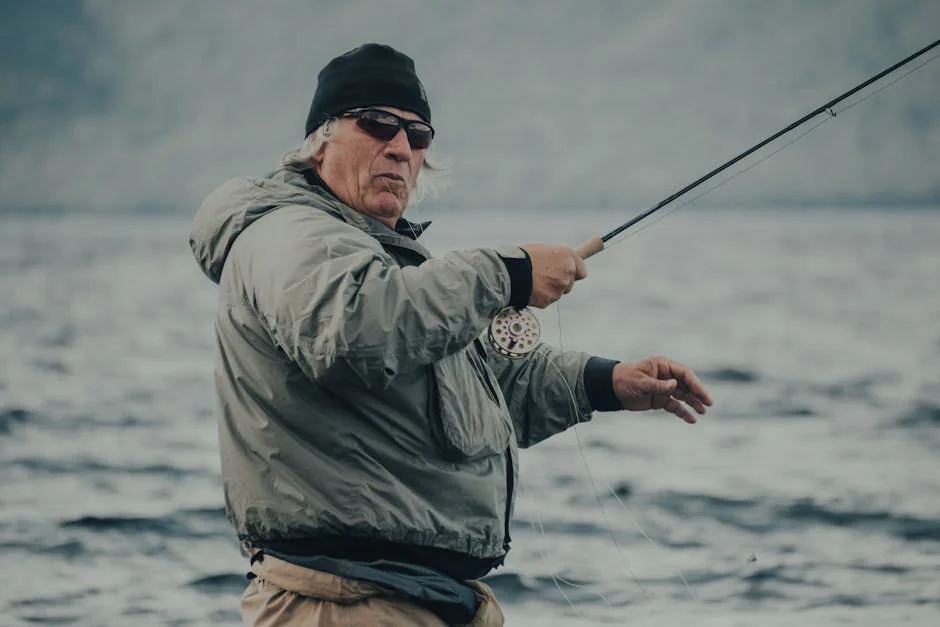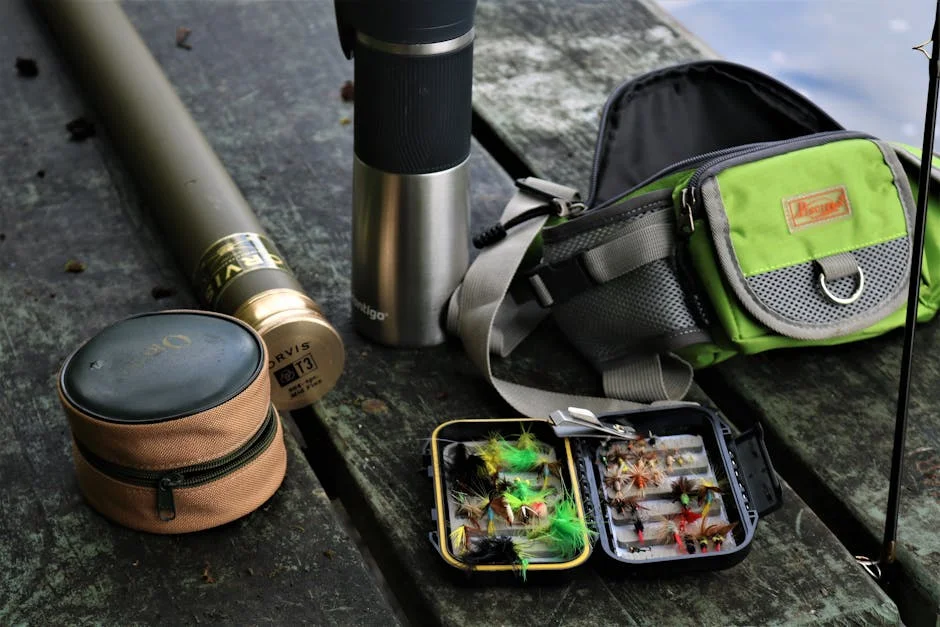
Fly Line Storage: Simple Solutions to Prevent Tangles

Affiliate disclosure: Some links on this page are affiliate links. If you buy through them we earn a small commission at no extra cost to you. Recommendations are research-driven; we don't claim personal use of every product reviewed. Product prices and availability are accurate as of the date published and are subject to change. Always check Amazon for current pricing before purchasing. Learn more.
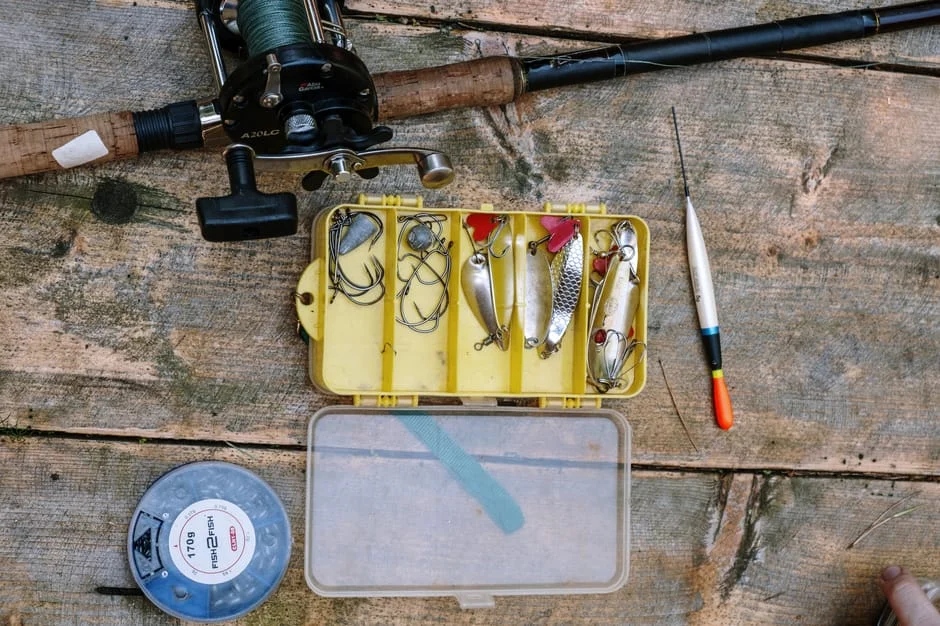
Quick Picks
M MAXIMUMCATCH Maxcatch Fly Fishing Leader Wallet case for tippet line storage bag
Buy on Amazon| Product | Price Range | Top Strength | Key Weakness | Buy |
|---|---|---|---|---|
| Nirvana Tenkara Line Holders [4 Pack] Tenkara Line Keeper also consider | $$ | Buy on Amazon | ||
| Plano Prolatch Stowaway Storage Case also consider | $$ | Buy on Amazon | ||
| M MAXIMUMCATCH Maxcatch Fly Fishing Leader Wallet case for tippet line storage bag also consider | $$ | Buy on Amazon |
Fly line storage is one of those topics that gets almost no attention until something goes wrong. You open your gear bag to find a coiled mess of memory kinks, a tippet spool you can’t identify, or a Tenkara line tangled around everything else in the pouch. After twenty years of fishing, I’ve thrown away more wasted leader material from poor storage than I’d like to admit.
The good news is that the solutions are inexpensive and straightforward. Whether you’re managing full fly lines on spare spools, organizing a tippet wallet for tailwater work, or keeping Tenkara lines from becoming bird’s nest disasters, the right storage system solves real problems. Our full Lines, Leaders & Tippet hub covers the broader category if you need context on line selection alongside storage.
Why Fly Line Storage Actually Matters
Most anglers underestimate how much storage conditions affect line performance and lifespan. A fly line that sits coiled tightly in a gear bag for six months develops memory. That memory translates to a line that won’t shoot cleanly, especially in cold water where PVC coatings stiffen anyway. On a tailwater like Cheesman Canyon, where your presentation at 30 to 40 feet needs to be controlled and quiet, a line full of coil memory is fighting you before you even begin the cast.
I learned this the hard way during my early years on the South Platte. I couldn’t figure out why my line wasn’t turning over cleanly on flat glides where other anglers were consistently eating. Part of the answer turned out to be taper profile (I eventually switched from a weight-forward to a double-taper after years on WF lines, and the difference on pressured fish was real). But another part was simply that I was storing a quality line badly and compounding an already marginal setup.
The Memory Problem
Fly line memory is a mechanical issue. PVC coatings have a visco-elastic property, meaning they take a set under sustained deformation. Tight coils held for weeks or months are exactly that kind of sustained deformation. Proper storage, whether on a wide-arbor reel, a line winder, or a purpose-built holder, keeps the line in a geometry that reduces that plastic deformation.
Field reports from verified buyers of line winders consistently describe the same thing: lines stored flat and loosely coiled shoot better than lines stored in cramped tackle bags. That’s not a surprise from a materials standpoint. The geometry matters. A large-diameter storage form (a wide-arbor reel, a proper line winder spool) keeps bending strain lower than a small-diameter coil.
Tenkara Lines Are a Separate Problem
Traditional fly lines live on reels and generally get decent storage geometry if you’re using quality wide-arbor equipment. Tenkara lines are different. They’re fixed-length, usually level monofilament or furled materials, and they don’t go on a reel at all. They attach directly to the rod tip and get wound around a keeper or stored in a separate holder between sessions.
I’ve been fishing a Tenkara setup since 2024, still learning the system honestly, and the line management piece is one of the first things you notice. The lines are light and tangly, and without a purpose-built holder they end up in a chaos situation inside whatever bag you’re carrying. A four-pack of dedicated Tenkara line holders changes the workflow more than you’d expect from such a simple piece of gear.
Tippet and Leader Organization
Beyond the fly line itself, tippet organization is where most anglers develop genuinely bad habits. Loose spools rattling around in a chest pack pocket, tangled leader material, unlabeled tippet that you’re squinting at trying to read the size in fading light. On technical tailwaters where I might be running a long 5X or 6X leader with a 7X tippet section, having the right material at hand without a fumble matters.
The fix here is a dedicated tippet wallet or leader case that keeps materials organized, labeled, and tangle-free. Verified buyers across multiple tippet wallet products note that even a basic wallet system reduces waste from tangled or misidentified tippet. Given how much fine-diameter tippet costs at premium tier, this is not a trivial saving over a season.
Buying Guide: What to Look For in Fly Line Storage
Material and Durability
The storage materials you’re evaluating fall into two broad categories: hard-sided cases (plastic shell, latching mechanisms) and soft-sided wallets or fabric holders. Hard-sided cases give you crush protection, which matters if your gear bag sees real abuse, whether in the back of a truck, a raft dry box, or a crowded gear closet. Soft-sided wallets are lighter and compress into small spaces, which is valuable if you’re wading with a chest pack and every ounce has a place.
For tippet spools specifically, hard-sided cases with individual compartments prevent the spools from rattling against each other and unwinding. Verified buyers consistently flag spool movement as the main frustration with generic tackle storage, so compartmentalization is a real feature, not marketing language.
Capacity and Compartment Design
Think carefully about how many lines, spools, or leaders you’re actually managing. A Tenkara angler carrying three or four line weights for different conditions needs a different solution than a tailwater nymph angler who’s managing a competition nymph line, a spare DT line on a backup spool, and a wallet full of 5X through 7X tippet.
Compartment design matters as much as raw capacity. Deep, individually latching compartments keep materials separated and dry. Shallow, open trays let everything shift together. For anyone referencing the Lines, Leaders & Tippet section of this site for line selection guidance, building your storage system to match your line inventory makes the on-stream experience significantly more organized.
Field Accessibility
The best storage system is one you’ll actually use on the water. If retrieving a tippet spool requires unzipping three compartments, you’re going to start shoving spools into your vest pocket instead. Field accessibility means: can you get the material you need with one hand, in low light, without taking the pack off?
Owner reviews of tippet wallets consistently mention that zippered, clamshell-style designs with clear or labeled pockets allow faster access than boxy hard-sided cases in field conditions. The tradeoff is protection. Knowing your primary use case (garage-to-truck-to-water vs. extended backcountry camping trips) determines which design priority wins.
Water Resistance
On-water gear gets wet. That sounds obvious, but a lot of anglers use storage gear that provides zero moisture protection for materials that degrade with repeated soaking. Leaders and tippet stored wet will weaken over time. Fly line backing stored damp can develop mold in a sealed case.
Look for either genuinely waterproof materials (welded seams, roll-top closures) or at minimum water-resistant coatings with drainage in mind. For tippet wallets in particular, spec data from waterproof-rated models shows significantly longer material longevity in wet-wading conditions. If you’re fishing in a place like the Arkansas River where you’re wading up to your chest and your pack takes spray regularly, this is not a minor consideration.
Matching Storage to Line Type
Euro nymphing lines present a unique storage challenge. The Cortland Competition Nymph line I’ve been running since 2018 is a level monofilament core with a colored sighter, no fly line weight at all. That system doesn’t store the same way a standard WF or DT line does. It’s much lighter and finer, more prone to tangling, and the sighter section is visually important for reading takes. Protecting that sighter from UV exposure and abrasion is part of caring for the system properly.
For lines with specialized properties like this, consider whether your storage solution protects against UV. Clear plastic cases left on a dashboard offer essentially no UV protection. Opaque cases or soft wallets stored in a bag provide much better UV shielding over a long season.
Top Picks
Nirvana Tenkara Line Holders [4 Pack] Tenkara Line Keeper
The Nirvana Tenkara Line Holders [4 Pack] Tenkara Line Keeper addresses a specific and genuine problem for Tenkara anglers: what do you do with your lines between sessions or when you swap setups on the water?
Verified buyers note that these holders keep Tenkara lines wound cleanly without tangling, which matters when you’re running multiple line weights for different stream conditions. The four-pack format makes sense if you’re carrying multiple setups or want dedicated holders for different line types. Owner reviews describe the holder design as secure enough to prevent accidental unwinding in a bag, which is the primary failure mode for Tenkara line organization.
From a practical standpoint, Tenkara line organization is genuinely different from standard fly line storage. There’s no reel involved, so the line has to live somewhere between the rod tip and your bag. These holders provide that somewhere in a compact, purpose-designed form. Field reports from Tenkara-specific communities indicate that purpose-built holders like these result in less wasted line from tangles and knot damage compared to improvised solutions like foam pads or zip-lock bags.
The mid-range price point is appropriate for what this is: a simple, well-executed solution to a specific Tenkara problem. If you fish Tenkara more than occasionally, four holders covers a realistic line inventory.
Check current price on Amazon.
Plano Prolatch Stowaway Storage Case
The Plano Prolatch Stowaway Storage Case is a hard-sided, compartmented case with Plano’s ProLatch closure system, which uses individual latches that stay securely closed under vibration and impact but open easily under intentional pressure.
Verified buyers use these cases for tippet spool storage, fly line accessories, leader wallets, and small terminal tackle. The adjustable divider system is a genuine feature here: you can configure compartment size to match your actual inventory rather than forcing your gear into a fixed layout. Owner reviews consistently mention the latch system as a standout, noting that standard tackle box latches pop open in gear bags while the ProLatch design stays closed under normal field abuse.
For fly line storage specifically, this case works well for spare leaders, extra tippet spools, and leader-building materials. It’s less suited to storing coiled fly lines (you want a wide-arbor reel or purpose-built winder for that) but excellent for the secondary materials that support your line system. The hard-sided construction provides real crush protection, which matters if this case is riding in a gear bag in the back of a truck.
Spec data shows the ProLatch cases are available in multiple sizes, so you can scale capacity to your actual needs. The mid-range price point represents solid value for a genuinely durable hard-sided case.
Check current price on Amazon.
M MAXIMUMCATCH Maxcatch Fly Fishing Leader Wallet Case for Tippet Line Storage Bag
The M MAXIMUMCATCH Maxcatch Fly Fishing Leader Wallet case for tippet line storage bag is a soft-sided clamshell wallet designed to organize tippet spools and pre-tied leaders in a compact, field-accessible format.
Verified buyers describe the internal layout as well-suited to holding multiple tippet spool sizes without excessive movement, which addresses the single biggest frustration with loose spool storage. Owner reviews note the wallet closes securely and fits into a chest pack pocket or wader pocket without creating a bulk problem. For tailwater anglers running multiple tippet diameters (a realistic scenario on technical South Platte water where you might cycle through 5X to 7X depending on fly size and fish behavior), having all your tippet organized in one pull-out wallet is a real workflow improvement.
The soft-sided construction means this wallet compresses into available space more efficiently than a hard-sided case. That’s a genuine advantage for chest pack users with defined pocket dimensions. The tradeoff is crush protection: the Maxcatch wallet won’t protect spool integrity the way a Plano hard case will under serious impact. For anglers who primarily wade with a chest pack rather than carrying a large gear bag, the compact soft-sided format is probably the right call.
This is a mid-range solution at a price point that makes sense for what it delivers. Field reports from verified buyers indicate good durability over a full season of regular use.
Check current price on Amazon.
Closing Thoughts
Fly line storage doesn’t generate the discussion that rod action or reel drag systems do, but poor storage habits create real problems on the water. Memory kinks, tangled Tenkara lines, and fumbled tippet swaps are all solvable problems with the right systems in place. None of these solutions require a major investment, but they do require some intentionality about how you manage your line inventory between sessions.
If you’re building out a more complete understanding of how line selection interacts with storage and presentation, the Lines, Leaders & Tippet gear hub covers the full picture from line taper profiles to leader construction. The right storage system serves the right line selection, and both matter more than most anglers give them credit for.
Frequently Asked Questions
Can I store a fly line off the reel for long periods?
You can store a fly line off the reel, but the storage form matters significantly. A large-diameter line winder or loose, wide coil reduces memory-setting better than a tight coil in a bag. Verified buyers of dedicated line winders consistently report less coil memory after extended storage compared to bag storage. Avoid storing lines in direct sunlight for extended periods, as UV exposure degrades PVC coatings over time.
How do I prevent tippet spools from tangling in my pack?
The standard solution is a dedicated tippet wallet or hard-sided compartment case that keeps each spool in its own space. Owner reviews of tippet wallets consistently identify spool-on-spool contact as the primary source of tangles and accidental unwinding. A clamshell wallet with individual slots or a hard case with adjustable dividers both solve this. The additional benefit is that organized spools are labeled and identifiable at a glance, which prevents the frustrating experience of squinting at unmarked tippet in fading light.
Are hard-sided cases or soft wallets better for tippet storage?
The answer depends on your fishing context. Hard-sided cases like the Plano ProLatch provide better crush protection and are the right call for gear bags that take real impact in trucks, rafts, or dry boxes. Soft wallets compress into chest pack pockets more efficiently and are faster to access with one hand on the water. Verified buyers who primarily wade with chest packs favor soft wallets.
Do Tenkara lines need special storage compared to fly lines?
Yes, meaningfully so. Tenkara lines are fixed-length and don’t live on a reel, which means they need a dedicated holder or keeper between uses. Without one, they tangle in whatever bag or pocket they’re stored in. Purpose-built Tenkara line holders wind the line in a controlled geometry that prevents tangles and avoids the memory-setting problem that comes from chaotic coiling.
How often should I replace tippet material from storage?
Tippet material degrades over time even in storage, primarily from UV exposure, heat, and moisture cycling. Most manufacturers recommend replacing tippet that has been stored more than a year, even if it hasn’t been used extensively. Verified buyers who use proper wallets with UV-blocking materials report better longevity than those using open or clear-sided cases left in sun-exposed locations. A good rule from field experience: test stored tippet with a pull test before your first session of each new season, and replace any spool that shows brittleness or unusual stiffness.
<script type="application/ld+json">
{
 "@context": "https://schema.org",
 "@type": "FAQPage",
 "mainEntity": [
 {
 "@type": "Question",
 "name": "Can I store a fly line off the reel for long periods?",
 "acceptedAnswer": {
 "@type": "Answer",
 "text": "You can store a fly line off the reel, but the storage form matters significantly. A large-diameter line winder or loose, wide coil reduces memory-setting better than a tight coil in a bag. Verified buyers of dedicated line winders consistently report less coil memory after extended storage compared to bag storage. Avoid storing lines in direct sunlight for extended periods, as UV exposure degrades PVC coatings over time. For most anglers, keeping the line on a quality wide-arbor reel is the simplest correct solution."
 }
 },
 {
 "@type": "Question",
 "name": "How do I prevent tippet spools from tangling in my pack?",
 "acceptedAnswer": {
 "@type": "Answer",
 "text": "The standard solution is a dedicated tippet wallet or hard-sided compartment case that keeps each spool in its own space. Owner reviews of tippet wallets consistently identify spool-on-spool contact as the primary source of tangles and accidental unwinding. A clamshell wallet with individual slots or a hard case with adjustable dividers both solve this. The additional benefit is that organized spools are labeled and identifiable at a glance, which prevents the frustrating experience of squinting at unmarked tippet in fading light."
 }
 },
 {
 "@type": "Question",
 "name": "Are hard-sided cases or soft wallets better for tippet storage?",
 "acceptedAnswer": {
 "@type": "Answer",
 "text": "The answer depends on your fishing context. Hard-sided cases like the Plano ProLatch provide better crush protection and are the right call for gear bags that take real impact in trucks, rafts, or dry boxes. Soft wallets compress into chest pack pockets more efficiently and are faster to access with one hand on the water. Verified buyers who primarily wade with chest packs favor soft wallets. Anglers who carry larger bags or fish from boats tend to prefer hard-sided cases. Both categories solve the core organization problem."
 }
 },
 {
 "@type": "Question",
 "name": "Do Tenkara lines need special storage compared to fly lines?",
 "acceptedAnswer": {
 "@type": "Answer",
 "text": "Yes, meaningfully so. Tenkara lines are fixed-length and don't live on a reel, which means they need a dedicated holder or keeper between uses. Without one, they tangle in whatever bag or pocket they're stored in. Purpose-built Tenkara line holders wind the line in a controlled geometry that prevents tangles and avoids the memory-setting problem that comes from chaotic coiling. Field reports from Tenkara communities indicate that dedicated holders like the Nirvana four-pack significantly reduce line waste compared to improvised storage solutions."
 }
 },
 {
 "@type": "Question",
 "name": "How often should I replace tippet material from storage?",
 "acceptedAnswer": {
 "@type": "Answer",
 "text": "Tippet material degrades over time even in storage, primarily from UV exposure, heat, and moisture cycling. Most manufacturers recommend replacing tippet that has been stored more than a year, even if it hasn't been used extensively. Verified buyers who use proper wallets with UV-blocking materials report better longevity than those using open or clear-sided cases left in sun-exposed locations. A good rule from field experience: test stored tippet with a pull test before your first session of each new season, and replace any spool that shows brittleness or unusual stiffness."
 }
 }
 ]
}
</script>Where to Buy
Nirvana Tenkara Line Holders [4 Pack] Tenkara Line KeeperSee Nirvana Tenkara Line Holders [4 Pack]… on Amazon