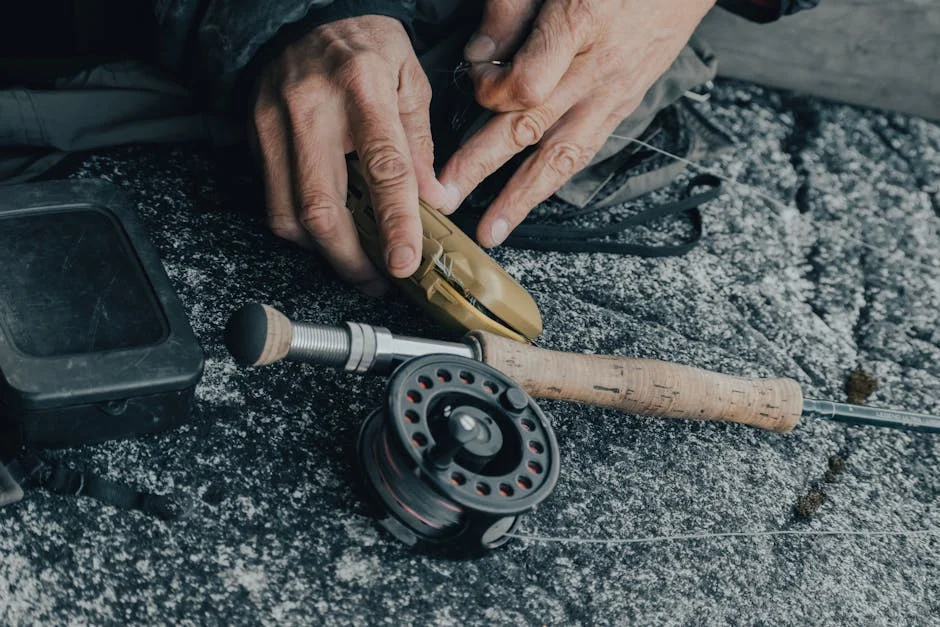
Fly Reel Maintenance: Keep Your Reel Running All Season

Affiliate disclosure: Some links on this page are affiliate links. If you buy through them we earn a small commission at no extra cost to you. Recommendations are research-driven; we don't claim personal use of every product reviewed. Product prices and availability are accurate as of the date published and are subject to change. Always check Amazon for current pricing before purchasing. Learn more.

Quick Picks
Clenzoil Marine & Tackle Reel Care Kit - with Fishing Reel Oil & Grease - All-in-One Cleaning Kit - for Freshwater & Saltwater Reels - Fish Reel Maintenance Kit
Buy on AmazonArdent Freshwater Fishing Reel Care Pack, Long Lasting Protection, Prevent Corrosion, Smooth Casting, Made in The USA
Buy on AmazonReelX Fishing Reel Grease, Marine-Grade Anti-Rust Lubricant for Bearings, Spinning, Baitcasting, Spincast, Fly, Trolling & Electric Reels, Corrosion Prevention & Control
Buy on Amazon| Product | Price Range | Top Strength | Key Weakness | Buy |
|---|---|---|---|---|
| Clenzoil Marine & Tackle Reel Care Kit - with Fishing Reel Oil & Grease - All-in-One Cleaning Kit - for Freshwater & Saltwater Reels - Fish Reel Maintenance Kit also consider | $$ | Buy on Amazon | ||
| Ardent Freshwater Fishing Reel Care Pack, Long Lasting Protection, Prevent Corrosion, Smooth Casting, Made in The USA also consider | $$ | Buy on Amazon | ||
| ReelX Fishing Reel Grease, Marine-Grade Anti-Rust Lubricant for Bearings, Spinning, Baitcasting, Spincast, Fly, Trolling & Electric Reels, Corrosion Prevention & Control also consider | $$ | Buy on Amazon |
Fly reels take more abuse than most anglers acknowledge. Sand, grit, river sediment, and repeated submersion work into drag systems and arbor hubs over a season, and a reel that performed perfectly in April can feel notchy or sticky by September. The fix is not complicated, but it does require some intention.
Good maintenance extends the service life of any reel, from a mid-range click-pawl to a premium large-arbor drag system. It also means the reel performs when it matters most, not just on the average 12-inch brown, but on the one fish that actually runs.
Why Reel Maintenance Gets Skipped (And Why That’s a Mistake)
There’s a tendency among trout anglers, especially those fishing smaller tailwaters and streams, to treat the reel as the least important piece of the system. The rod loads the line, the tippet connects the fly, the angler reads the water. The reel just holds the line. That logic holds up until it doesn’t.
Verified buyers and field reports from Colorado and Montana fly fishing communities consistently point to drag failure or rough drag performance as a contributing factor in lost trophy fish. The problem rarely surfaces on fish that don’t run. It surfaces on the fish you remember losing. A 22-inch brown on the Bighorn or a heavy cutthroat on the Madison will test a drag system in a way that a 13-inch tailwater rainbow simply won’t.
The mechanical reality is straightforward. Drag systems, whether cork-on-aluminum, carbon fiber disc stacks, or simple click-pawl mechanisms, rely on consistent contact between surfaces. When those surfaces collect grit, when lubricants dry out or break down, or when corrosion begins in a saltwater environment, the result is inconsistent friction. That inconsistency produces the stuttered-drag scenario that breaks tippet on a fast first run.
Maintenance doesn’t require a machine shop or specialized knowledge. It requires clean tools, appropriate lubricants, some patience, and a basic understanding of what type of drag system you’re working with.
For a deeper look at reel types and drag system comparisons across price bands, the Fly Reels hub page covers the full category.
Understanding Your Drag System Before You Service It
Not all fly reels use the same drag mechanism, and the maintenance approach differs depending on what you have. Getting this wrong, applying heavy grease to a carbon disc stack, for example, can actually degrade performance rather than improve it.
Click-Pawl Drag
Click-pawl systems are the simplest drag mechanism in fly fishing. A spring-loaded pawl engages a toothed gear on the spool, creating a ratcheting resistance. The Hardy Marquis and similar traditional reels use this design. Maintenance on click-pawl reels is minimal: clean the pawl and gear teeth, apply a light machine oil to the spring and pivot point, and check for wear on the pawl tip. Over-lubricating a click-pawl system can make it sluggish or cause the pawl to skip. Light is the operative word.
Disc Drag Systems
Most modern large-arbor reels, including sealed drag designs from Hatch, Ross, and similar manufacturers, use a disc drag system. These reels have either cork, Rulon, or carbon fiber drag surfaces pressing against a fixed plate. The drag knob adjusts compression on the disc stack. Field reports from owners of premium sealed-drag reels note that truly sealed systems require less frequent internal service, but the external drag knob threads, reel foot, and arbor hub still benefit from annual cleaning and a light application of appropriate lubricant.
Saltwater vs. Freshwater Maintenance Frequency
Water type changes how often you need to service a reel. Freshwater trout reels fished in Colorado tailwaters or freestone streams need a full cleaning and re-lube roughly once per season, more frequently if you fish heavy sand or silt conditions. Saltwater reels need cleaning after every use. Verified buyers and saltwater guides consistently emphasize that a single day on the flats without rinsing a reel in fresh water and applying corrosion protection can begin a rust process that’s difficult to reverse once it starts.
What You Actually Need to Service a Fly Reel
The tool list is short. A set of small screwdrivers, a lint-free cloth or cotton swabs, a shallow tray to hold parts, appropriate reel oil, and appropriate reel grease. The distinction between oil and grease matters and is worth addressing before covering specific products.
Oil is thin and flows into small clearances: bearings, pivot points, pawl springs. Grease is thicker and stays in place on surfaces that need sustained lubrication under pressure: drag surfaces, threaded components, and large mechanical interfaces. Using grease where oil is called for can gum up a bearing or slow a pawl. Using oil where grease is needed means the lubricant migrates away from the surface during use and leaves metal running dry.
Some complete reel care kits include both in formulations matched for fishing applications. The three products reviewed below all take a kit or targeted approach to this problem.
Top Picks for Fly Reel Maintenance
Clenzoil Marine & Tackle Reel Care Kit
The Clenzoil Marine & Tackle Reel Care Kit is a mid-range all-in-one cleaning and lubrication kit that targets both freshwater and saltwater reel maintenance. The kit includes Clenzoil’s CLP (cleaner, lubricant, protectant) formula along with application accessories designed for reel components.
Verified buyers note that the CLP formula performs well as a penetrating cleaner on corroded or sticky components before re-lubrication. Multiple owner reviews highlight that it works effectively on spinning reel bearings and baitcasting mechanisms, and field reports from fly anglers indicate it handles the drag surface and external hardware cleaning tasks on trout reels without issue.
The “all-in-one” framing is worth reading carefully. CLP formulas by design handle cleaning, light lubrication, and corrosion protection in one application. That makes them efficient for a quick post-trip wipe-down or external maintenance. For a full internal service requiring separate grease application on drag surfaces, owners recommend supplementing with a dedicated grease. The Clenzoil formula handles the cleaning and protection side of the equation reliably, but it is not a heavy-load drag grease substitute.
Owner reviews from saltwater users are particularly positive, noting that the corrosion protection properties perform well in marine environments. For Colorado or Wyoming freshwater anglers, the corrosion protection is secondary, but the penetrating cleaner function has value for removing dried sediment and breaking down old lubricant residue before a full service.
Check current price on Amazon.
Ardent Freshwater Fishing Reel Care Pack
The Ardent Freshwater Fishing Reel Care Pack is a mid-range kit formulated specifically for freshwater applications, manufactured in the USA. It includes both reel oil and reel grease in formulations matched to freshwater fishing conditions.
The freshwater-specific formulation is the notable characteristic here. Owner reviews consistently mention that the oil is appropriately thin for bearing and pawl applications without migrating or attracting debris the way some thicker multipurpose oils can. The grease formulation receives positive marks for staying in place on drag surfaces and threaded components through a full season of use without breaking down or washing out in wet conditions.
Verified buyers who service their own reels annually report that the Ardent kit covers the full maintenance workflow without requiring additional products for freshwater trout reels. The dual-product approach (separate oil and grease) aligns with the maintenance logic outlined above: thin lubricant for small clearances and moving pivot points, thicker grease for loaded drag surfaces and threads.
For Rocky Mountain trout anglers doing one full service per season on freshwater-only reels, the Ardent kit is well-matched to the application. Field reports indicate it performs well on a wide range of reel types from click-pawl vintage designs to modern disc drag systems, with owners noting that the volumes included in the pack are sufficient for multiple full service cycles.
Check current price on Amazon.
ReelX Fishing Reel Grease
The ReelX Fishing Reel Grease is a marine-grade, mid-range anti-rust lubricant grease designed for bearing and drag surface applications across a wide range of reel types, including fly reels. The formulation emphasizes corrosion prevention in marine environments, with verified buyers applying it to saltwater and freshwater applications alike.
Where the Ardent kit covers the full freshwater maintenance workflow, ReelX positions itself as a high-protection grease specifically for loaded surfaces in harsh conditions. Owner reviews from saltwater anglers are consistently positive about the anti-corrosion performance, and freshwater trout anglers note that the marine-grade protection, while more than necessary for most Colorado river conditions, doesn’t create any performance problems and provides an added margin against moisture.
Spec data and verified buyer reports indicate the grease consistency works well on drag disc surfaces and reel foot threads without becoming excessively stiff in cold temperatures, which matters for anglers fishing Colorado tailwaters in October and November or high-country streams in early season where ambient temperatures are low.
The ReelX grease is a single-product purchase rather than a complete kit, which means you’ll need a separate reel oil for bearing and pawl applications. Field reports suggest it fits well as a companion to a CLP product like the Clenzoil formula for anglers who want a dedicated high-protection grease on drag surfaces and use a penetrating oil product for the finer clearances. For anglers planning a mixed freshwater and saltwater schedule in the same season, the marine-grade anti-rust properties have clear practical value.
Check current price on Amazon.
Buying Guide: What to Look for in Fly Reel Maintenance Products
Match the Lubricant to the Drag Mechanism
The most important purchase decision in reel maintenance products is matching lubricant type and viscosity to the drag system you have. Cork drag surfaces perform best with light oil or cork-specific conditioners. Carbon fiber and Rulon disc stacks typically call for very light grease or manufacturer-specified lubricants. Click-pawl mechanisms need light machine oil, not grease.
Applying the wrong lubricant doesn’t just fail to help, it can actively degrade drag performance. Heavy grease on a cork drag can cause inconsistent slippage. Oil applied to a surface that needs grease will migrate and leave the surface dry under load. Reading the manufacturer’s recommendation for your specific reel before opening any maintenance product is a step worth taking.
For context on how different drag designs are built and what they’re optimized for, the reel buying guide and reviews section covers drag mechanism types in detail.
Freshwater vs. Saltwater Formulations
Corrosion protection becomes significantly more important in saltwater environments. Marine-grade formulations include higher concentrations of anti-rust compounds and are designed to displace water more effectively from metal surfaces after submersion. For freshwater-only trout anglers in Colorado or Wyoming, a marine-grade product isn’t wrong, it’s just more protection than the environment requires.
If your reel sees saltwater at any point in the season, either on a Keys or Belize trip or on a coastal steelhead run, a marine-grade lubricant is the appropriate choice regardless of how much freshwater fishing you also do. Corrosion from a single saltwater exposure can progress quickly if the reel is not properly cleaned and protected.
Kit vs. Individual Products
Complete reel care kits offer convenience and, in many cases, formulations that are designed to work together. They typically include both oil and grease, application tools, and sometimes a cleaner or CLP formula. For anglers who service their own reels once per season and don’t want to research individual products, a kit approach simplifies the process.
Individual products allow more targeted selection, particularly if you have reels with specific drag requirements or if you fish conditions that call for specialized anti-corrosion performance. A high-protection marine grease paired with a separate light reel oil covers a wider range of applications than most all-in-one kits.
Application Tools and Process Matter
Owner reviews across all three products covered here mention that application method affects results as much as product choice. Applying grease directly from a tube without cleaning old lubricant and debris first traps contamination in the drag system. A proper service sequence is: disassemble, clean all surfaces, inspect for wear, apply appropriate lubricant in appropriate quantity, reassemble, and test drag feel before fishing.
Cotton swabs, lint-free cloths, and a shallow parts tray are enough tooling for most reel service tasks. The most common owner error reported across verified buyer reviews is over-lubrication, particularly applying too much oil to bearings, which can attract debris and create drag inconsistency. Thin, even applications work better than heavy ones.
When to Service vs. When to Replace
Annual cleaning and re-lubrication handles most reel maintenance needs for trout anglers fishing freshwater. Signs that a reel needs more than maintenance include drag that is rough or notchy after full cleaning and re-lube, visible wear or pitting on drag surfaces, a click-pawl that skips rather than ratchets cleanly, or a spool that wobbles rather than spinning true.
Field reports from guide services on high-pressure rivers like the South Platte and Bighorn indicate that most reel failures in the field trace back to deferred maintenance rather than component failure. Parts wear faster when running dry or contaminated. Consistent annual service, particularly at the end of each season before storage, extends working life significantly and delays the point where repair or replacement becomes necessary.
Frequently Asked Questions
How often should I service my fly reel?
For freshwater trout reels used through a typical season, once per year is the standard recommendation from verified buyers and guide services. End-of-season is a practical time: clean out accumulated sediment and grit, replace old lubricant, and store the reel properly for winter. If you fish heavy silt or sand conditions, a mid-season inspection is worth adding. Saltwater reels require rinsing and external protection after every use, with a full internal service several times per season.
Can I use WD-40 on a fly reel?
WD-40 functions primarily as a water displacer and light penetrating solvent, not a sustained lubricant. Verified buyers and field reports consistently advise against using it as a reel lubricant. It evaporates quickly, leaves surfaces without adequate lubrication under load, and can degrade some drag materials including cork. It has a legitimate use as a pre-cleaning penetrant to loosen corroded components before a proper service, but it should be fully cleaned off before applying appropriate reel oil or grease.
Do I need different products for a click-pawl reel vs. a disc drag reel?
The lubricant requirements differ between the two. Click-pawl mechanisms need light machine oil on the spring and pivot point, with minimal application. Disc drag systems need light grease formulated for drag surfaces, applied sparingly. Over-lubricating either system creates problems: thick grease on a click-pawl can slow pawl engagement, while insufficient grease on a disc drag leaves surfaces running dry under load.
Should freshwater anglers use marine-grade reel lubricants?
Marine-grade formulations are not harmful to freshwater reels and provide additional corrosion protection that does no damage in a non-saltwater environment. The practical consideration is cost and necessity. For a freshwater-only reel that never sees salt, a freshwater-specific product like the Ardent kit is well-matched and cost-appropriate. If the same reel sees saltwater at any point, a marine-grade lubricant is worth using for all service cycles to ensure adequate protection.
Is it worth servicing a mid-range reel, or should I just replace it?
Owner experience and verified buyer reports consistently support servicing rather than replacing, particularly for mid-range reels with no visible component damage. Drag discs, drag cork, and pawl springs are inexpensive parts available for most production reels. A full cleaning and re-lube on a reel with a sticky or rough drag frequently restores smooth performance. The exception is visible scoring or pitting on drag surfaces, worn pawl tips that skip rather than engage cleanly, or frame cracks. Otherwise, a proper service is almost always the right call before spending on a replacement.
<script type="application/ld+json">
{
 "@context": "https://schema.org",
 "@type": "FAQPage",
 "mainEntity": [
 {
 "@type": "Question",
 "name": "How often should I service my fly reel?",
 "acceptedAnswer": {
 "@type": "Answer",
 "text": "For freshwater trout reels used through a typical season, once per year is the standard recommendation from verified buyers and guide services. End-of-season is a practical time: clean out accumulated sediment and grit, replace old lubricant, and store the reel properly for winter. If you fish heavy silt or sand conditions, a mid-season inspection is worth adding. Saltwater reels require rinsing and external protection after every use, with a full internal service several times per season."
 }
 },
 {
 "@type": "Question",
 "name": "Can I use WD-40 on a fly reel?",
 "acceptedAnswer": {
 "@type": "Answer",
 "text": "WD-40 functions primarily as a water displacer and light penetrating solvent, not a sustained lubricant. Verified buyers and field reports consistently advise against using it as a reel lubricant. It evaporates quickly, leaves surfaces without adequate lubrication under load, and can degrade some drag materials including cork. It has a legitimate use as a pre-cleaning penetrant to loosen corroded components before a proper service, but it should be fully cleaned off before applying appropriate reel oil or grease."
 }
 },
 {
 "@type": "Question",
 "name": "Do I need different products for a click-pawl reel vs. a disc drag reel?",
 "acceptedAnswer": {
 "@type": "Answer",
 "text": "The lubricant requirements differ between the two. Click-pawl mechanisms need light machine oil on the spring and pivot point, with minimal application. Disc drag systems need light grease formulated for drag surfaces, applied sparingly. Over-lubricating either system creates problems: thick grease on a click-pawl can slow pawl engagement, while insufficient grease on a disc drag leaves surfaces running dry under load. Many complete reel care kits include both oil and grease, which covers both reel types from a single purchase."
 }
 },
 {
 "@type": "Question",
 "name": "Should freshwater anglers use marine-grade reel lubricants?",
 "acceptedAnswer": {
 "@type": "Answer",
 "text": "Marine-grade formulations are not harmful to freshwater reels and provide additional corrosion protection that does no damage in a non-saltwater environment. The practical consideration is cost and necessity. For a freshwater-only reel that never sees salt, a freshwater-specific product like the Ardent kit is well-matched and cost-appropriate. If the same reel sees saltwater at any point, a marine-grade lubricant is worth using for all service cycles to ensure adequate protection."
 }
 },
 {
 "@type": "Question",
 "name": "Is it worth servicing a mid-range reel, or should I just replace it?",
 "acceptedAnswer": {
 "@type": "Answer",
 "text": "Owner experience and verified buyer reports consistently support servicing rather than replacing, particularly for mid-range reels with no visible component damage. Drag discs, drag cork, and pawl springs are inexpensive parts available for most production reels. A full cleaning and re-lube on a reel with a sticky or rough drag frequently restores smooth performance. The exception is visible scoring or pitting on drag surfaces, worn pawl tips that skip rather than engage cleanly, or frame cracks. Otherwise, a proper service is almost always the right call before spending on a replacement."
 }
 }
 ]
}
</script>Where to Buy
Clenzoil Marine & Tackle Reel Care Kit - with Fishing Reel Oil & Grease - All-in-One Cleaning Kit - for Freshwater & Saltwater Reels - Fish Reel Maintenance KitSee Clenzoil Marine & Tackle Reel Care Ki… on Amazon