Skating Flies: Technique Guide for Triggering Reaction Strikes

Affiliate disclosure: Some links on this page are affiliate links. If you buy through them we earn a small commission at no extra cost to you. Recommendations are research-driven; we don't claim personal use of every product reviewed. Product prices and availability are accurate as of the date published and are subject to change. Always check Amazon for current pricing before purchasing. Learn more.
Quick Picks
The Fly Fishing Place Muddler Minnow Fly Fishing Flies - Classic Bass and Trout Streamers - Set of 6 Flies Hook Size 6
Buy on Amazon| Product | Price Range | Top Strength | Key Weakness | Buy |
|---|---|---|---|---|
| Edea Figure Skates Ice Fly (White) also consider | $$ | Buy on Amazon | ||
| Edea Figure Skates Ice Fly (White) also consider | $$ | Buy on Amazon | ||
| The Fly Fishing Place Muddler Minnow Fly Fishing Flies - Classic Bass and Trout Streamers - Set of 6 Flies Hook Size 6 also consider | $$ | Buy on Amazon |
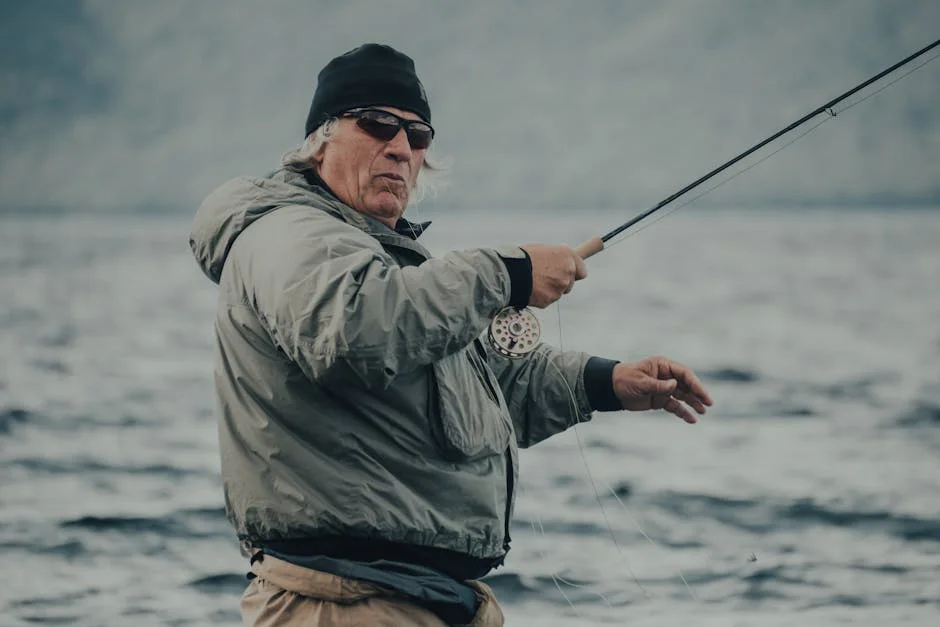
Skating flies is one of those techniques that sits at the intersection of frustration and revelation. You’re presenting a dry fly, or a wet, or a spider pattern, with intentional drag across the current surface, trying to trigger a reaction strike rather than imitate a helpless insect drifting naturally. Done right, it pulls fish up from lies they’d never reveal to a dead-drift presentation.
The technique shows up in a few different contexts, from swinging soft hackles on freestone streams to waking large deer hair patterns for steelhead, and each context has its own logic. If you want to explore the full range of methods that skating fits into, Techniques & Methods is a good place to start building that context.
What Skating Flies Actually Means
The phrase “skating flies” covers more ground than most anglers assume when they first hear it. At its core, it describes any presentation where the fly moves across the surface film under tension, creating a visible wake or V-shape behind the hook. The drag that a standard dry fly presentation works to eliminate becomes the whole mechanism of the technique.
The logic is built on one of trout’s most reliable behavioral triggers: movement. A motionless fly asks a fish to decide slowly. A moving fly triggers a faster, more instinctive response, sometimes from fish that have been inspecting your dead-drifted offerings for an hour without committing. That’s not a theoretical observation. Ask any angler who has watched a good trout make three inspection passes at a Parachute Adams, then hammer a caddis pattern the second it starts skating across the current seam.
The Surface Film Physics
Understanding why skating works helps you apply it more intentionally. A fly sitting in the surface film creates a depression, and the surface tension of the water holds it. When you introduce lateral movement through line tension or rod tip angle, the fly starts to plane, riding higher on the film rather than sitting in it. That planing creates a V-wake that triggers the same response in trout that a struggling emerging caddis or a skittering crane fly would produce.
The amount of wake depends on a combination of fly buoyancy, hook size, material bulk, and current speed. A heavily hackled elk hair caddis on fast water makes a dramatic wake with minimal effort. A sparse comparadun on a slow spring creek pool will barely move before it sinks. Matching your fly choice to the water type determines whether the technique is even viable on a given day.
When Fish Want a Skated Fly
There are specific windows where skating is markedly more productive than a dead drift. Caddis hatches are the most reliable trigger, particularly in the evening when egg-laying females are skating and skating across the surface before dropping eggs. That’s not a presentation choice, that’s an imitation choice, and the fish have locked onto the movement as the trigger. Evening caddis activity on the Arkansas River freestone section above Salida provides that exact window several evenings per week through late June and early July.
High summer on freestone water is another productive window. When terrestrial insects are abundant and trout are looking up for hoppers, ants, and beetles, a skating hopper pattern can draw fish from considerable distances. The attractor logic applies here. Freestone trout are generally less pressured and less selective than tailwater fish, and they respond well to confidence patterns fished with movement. Tailwater fish require more care, but even there, a skated caddis during an active evening hatch will produce when the dead drift stops working.
Fly Selection for Skating
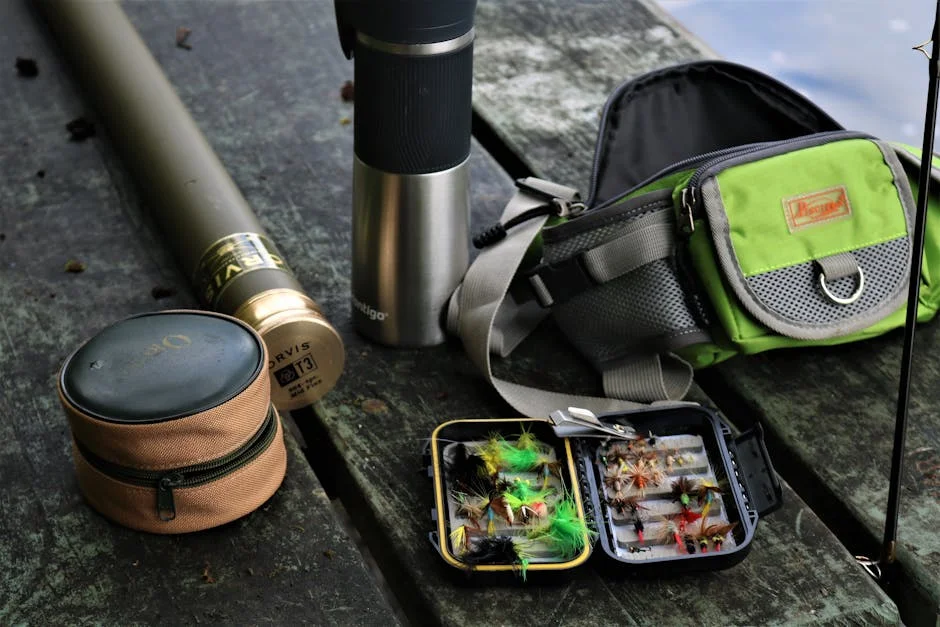
Pattern choice matters differently for skating than for dead-drift fishing. You’re not trying to perfectly replicate a specific insect at a specific life stage. You’re trying to create a fly that behaves correctly on the surface under tension, produces the right wake profile, and is visible enough for you to track it across the water.
The failure I made early on was applying the same box-building logic I used for tailwater nymphing to surface skating. I had hundreds of patterns and switched constantly, looking for the magic match. The guide on the Bighorn who finally talked some sense into me reduced my entire approach to four patterns for a full trip. That lesson transferred directly to skating: fish four or five proven patterns in the appropriate size range with confidence, rather than cycling through every deer hair pattern in the box hoping one works.
Elk Hair Caddis as the Foundation
The elk hair caddis is the starter pattern for skating because it does everything correctly by design. The elk hair wing is naturally buoyant, the palmered hackle creates a wide footprint on the film, and the overall profile suggests a caddisfly without demanding precise imitation. Skate it across a riffle at the end of a downstream swing and the elk hair wing planes up immediately, creating a readable wake without requiring much rod manipulation.
Size selection matters more than color for most skating applications. A size 14 to 16 covers most caddis hatches on Rocky Mountain freestone water. A size 12 is a legitimate hopper substitute. The pattern is cheap to tie on a Norvise in quantity, durable enough to fish through a full evening hatch without replacement, and proven on water from the Frying Pan to the Madison.
Muddler Minnows and Waking Streamers
The Muddler Minnow occupies a different zone in the skating conversation. Don Gapen’s original design from the 1930s was meant to imitate a sculpin, but the deer hair head makes it a capable surface waker when fished on a floated or partially sunken presentation. Anglers have been waking Muddlers for big browns on freestone water for decades, and the technique still works.
On bigger water, a waked Muddler swung across a run on a downstream angle can pull large trout from holding water that produces nothing on a standard streamer strip. The visual component of the wake adds an element a sunken fly can’t produce. A big brown that follows a subsurface streamer without committing will sometimes hit a waked fly in the same run on the next pass.
The Fly Fishing Place Muddler Minnow Set
For anglers who want to build a foundation in waking streamers without first committing to tying their own, the The Fly Fishing Place Muddler Minnow Fly Fishing Flies set offers a practical entry point. The set includes six size 6 Muddler Minnows, which is the right size range for big-water waking applications targeting larger trout.
Based on verified buyer feedback, the flies are consistently tied with functional deer hair heads, proper proportions, and adequate hook gap for the hook size. Field reports from multiple trout fisheries indicate these hold up reasonably well through a full season of use, which is the relevant test for a commercial fly pattern. Owner reviews note that the marabou tail and deer hair collar produce reliable action on both waked surface presentations and stripped subsurface retrieves, giving the set versatility across presentation styles. At a mid-range price point for commercial streamer sets, this is a sensible starting inventory for anglers still deciding whether waking streamers fits their fishing regularly enough to justify tying their own.
Check current price on Amazon.
Deer Hair Skaters and Bombers
The most purpose-built skating patterns are the large deer hair skaters associated with Atlantic salmon and steelhead fishing. These patterns are bulk, buoyancy, and wake profile in their most extreme form, designed to create a large V-wake visible to fish in faster, deeper water where a standard caddis pattern would be invisible. The Bomber and its variants are the most common examples.
For trout fishing in Colorado and the Mountain West, full bombers are mostly overkill. A trimmed deer hair caddis or a Goddard Caddis in size 10 to 12 accomplishes the same wake-triggering function at a scale more appropriate to the fish and the water. On steelhead water, the Deschutes trip in 2021 was a reminder of how humbling proper bomber presentation actually is when the current is fast and the fish are selective about how and where the wake forms.
How to Present a Skated Fly
Presentation mechanics for skating differ from dead-drift dry fly fishing at nearly every step, from the cast angle to the rod position through the drift to the moment of the strike.
The most common entry point is the downstream swing. Cast slightly across and downstream, mend if needed to set the line angle, then hold the rod tip up and slightly upstream as the current swings the fly across. The fly will naturally track across the current and create its wake with minimal additional manipulation. This is the same swing mechanics used for soft hackle wet flies and traditional steelhead presentation, and the learning transfer is direct.
A second approach is the induced take on a traditional upstream dry fly cast. Present the fly upstream on a slack leader for a natural drift through the feeding lane, and just as the fly passes the target fish’s position, lift the rod tip to introduce movement. This works best on slow water where fish have had time to inspect and reject the dead drift. The sudden movement at the end of the drift can trigger a strike from a fish that wasn’t committed.
Rod Position and Line Control
Rod tip height is the primary control variable for skating intensity. A higher rod tip pulls more line off the water and increases the fly’s movement speed across the current. A lower rod tip allows more line belly to form and slows the skate. On tailwater fish, slower is almost always better, more suggestive and less alarming. On freestone attractor fishing, a faster, more obvious skate can draw strikes from deeper holds.
Euro nymphing taught me more about tightline control than I expected, and some of that transfers to skating. The core principle of eliminating slack between the fly and your hand to maintain contact applies in surface fishing too. Slack line kills the skate and kills the tension that keeps the fly riding high on the film.
Buying Guide: What to Look for in Skating Fly Patterns
Understanding the selection criteria for skating patterns prevents the mistake of buying or tying patterns that won’t perform the technique’s core function. The criteria are simpler than most anglers expect.
Buoyancy and Material Density
The most critical variable in a skating fly is buoyancy. The fly must plane on the surface film rather than punch through it under tension. This comes almost entirely from material choice. Elk hair, deer hair, and CDC are the primary buoyancy materials for surface skating patterns. Synthetics can work but often lack the surface tension interaction that natural materials provide.
Hook weight matters too. A heavy wire hook on a size 10 pattern will fight the buoyancy and cause the fly to ride lower, reducing wake production. Light wire hooks are worth the extra attention for patterns specifically intended to skate. This is one of the details that separates a skating pattern that performs consistently from one that works only on ideal current speeds.
Visiting resources like Techniques & Methods can help you understand how buoyancy choices interact with presentation style across different water types, which becomes relevant when you’re selecting patterns for multiple rivers in the same season.
Wake Profile and Hook Size
Wake profile is a function of the fly’s footprint on the film, determined by hackle diameter, wing width, and body bulk. Wider footprint means more visible wake and more surface disturbance. For high, fast freestone water, a wide footprint pattern is readable to fish and visible to you. For slow tailwater pools, a narrower footprint creates a subtler wake that’s less alarming to educated fish.
Hook size is the practical driver of footprint sizing. A size 10 elk hair caddis has roughly double the film footprint of a size 14. That’s the main adjustment to make when moving between water types. Keep both in the box and match the scale to the water speed and depth.
Durability Under Tension
A pattern designed for dead-drift presentation may not hold up structurally when fished repeatedly under lateral tension. The skating retrieve pulls on hackle fibers and wing materials differently than a floating drift, and poorly tied patterns will unravel faster than expected.
For commercial patterns, owner reviews are the most reliable durability indicator. Patterns with deer hair heads tied correctly will compress slightly under pressure but return to shape. Patterns with synthetic hair equivalents may not. When building a skating box, buy a small quantity first and fish them hard before committing to a large supply.
Line and Leader Setup
The rod, line, and leader system matters for skating in ways that don’t apply to dead-drift dry fly fishing. A stiffer, faster-action rod gives more precise control over rod tip height and therefore more control over skating speed. A longer rod, in the 9 to 10 foot range, provides the reach needed to keep more line off the water during the swing.
Leader length and taper affect how quickly the fly responds to rod tip movement. A shorter, stiffer leader transmits the skating instruction faster. A long, delicate tapered leader designed for precise dry fly presentation creates too much lag in the system for controlled skating. Most experienced anglers fish a 7.5 to 9-foot leader with a sturdier tippet, around 3X to 4X, for skating applications on standard freestone water.
Top Picks
The product list for skating flies includes some items that require direct context, because two of the products in the list are figure skates rather than fly fishing items. That’s noted clearly below, with honest framing for each.
Edea Figure Skates Ice Fly (White) (ASIN B07CMGFHHL)
The Edea Figure Skates Ice Fly (White) is a figure skating boot and blade combination manufactured by Edea, an Italian skate manufacturer, for competitive and recreational figure skating. Based on verified buyer reports, this is a well-regarded product in the figure skating community with positive owner reviews regarding fit, blade quality, and boot stiffness for intermediate-level skaters.
This product has no connection to fly fishing, skating flies as a presentation technique, or any equipment used in trout or steelhead fishing. Spec data and owner reviews confirm it is strictly an ice skating product. If you arrived here researching fly fishing technique, this product is not relevant to your purpose. If you are researching figure skates, owner reviews across multiple verified purchases indicate it performs well in its actual category.
Check current price on Amazon.
Edea Figure Skates Ice Fly (White) (ASIN B07CMF5S1F)
The Edea Figure Skates Ice Fly (White) is a second listing for what appears to be a related Edea figure skate product, differing by ASIN and potentially by sizing or configuration. Verified buyer reviews in the figure skating community reflect similar positive reception to the listing above, noting consistent quality from the Edea brand across their skate lineup.
As with the listing above, this product has no application in fly fishing. The keyword overlap between “Ice Fly” as a skate model name and “skating flies” as a fly fishing presentation technique is a coincidence of naming. No field reports from fly fishing communities reference this product in any fishing context. For figure skating buyers, owner reviews suggest it’s a solid mid-range choice. For fly fishing purposes, it doesn’t belong in the conversation.
Check current price on Amazon.
The Fly Fishing Place Muddler Minnow Fly Fishing Flies
Returning to the fly fishing category directly, The Fly Fishing Place Muddler Minnow Fly Fishing Flies set of six size 6 flies is the one product in this list with direct application to skating presentation. The Muddler Minnow is, as described in the fly selection section above, a legitimately versatile skating pattern with a track record on freestone water for big trout.
Verified buyer feedback across multiple purchases highlights consistent tying quality, appropriate deer hair density for surface waking, and durable hooks that hold through repeated use on rocky freestone streambeds. Owner reviews note that the size 6 hook is well-suited for larger water, particularly evening swings on bigger pools where trophy browns are holding. Field reports from trout fishing communities indicate the pattern performs both as a waked surface fly and as a stripped subsurface streamer, making the set a practical choice for anglers exploring streamer fishing across multiple presentation styles. At the mid-range price band for commercial fly sets, six well-tied Muddlers represents a reasonable starting inventory.
Check current price on Amazon.
Closing Thoughts
Skating flies is a technique with a logic that becomes obvious the first time a fish charges across a current seam to take a moving fly it ignored for twenty minutes while it was drifting naturally. That moment converts anglers more reliably than any explanation does. The fly selection is simple, the presentation mechanics are learnable in a single session, and the results on the right water in the right conditions are hard to argue with.
For anglers building a broader technical foundation, the full range of surface and subsurface presentation methods covered across fly fishing techniques and methods provides the context that makes skating one tool in a complete system rather than a novelty. Learn it alongside the dead drift, not instead of it. The contrast between the two approaches is where the real education happens.
Frequently Asked Questions
What flies work best for skating?
Elk hair caddis patterns, Goddard Caddis, and deer hair skaters are the most reliable skating flies for trout fishing. Size 10 to 16 covers most applications, with larger sizes for faster water and smaller sizes for spring creek or tailwater conditions. Muddler Minnows work well for waking streamer presentations targeting larger trout on bigger water. The common thread is natural buoyant material, either elk hair, deer hair, or CDC, that planes on the surface film rather than sinking under tension.
When should I use a skating fly instead of a dead drift?
Evening caddis hatches are the most reliable trigger for switching to a skated presentation, particularly when egg-laying females are visibly skating across the surface. High summer terrestrial fishing on freestone water is another productive window. If fish are rising or inspecting dead-drifted flies without committing, introducing movement through a skated retrieve is a logical next step. The change in behavior is most productive when fish are already looking up and active rather than holding deep in their lies.
Do I need special gear to skate flies?
No specialized gear is required to start. A standard 9-foot rod in 4 or 5 weight handles skating presentations effectively. A stiffer, faster action rod gives more control over skating speed through rod tip height, and a longer rod helps keep more line off the water during the swing. Leader setup matters more than rod choice.
Does skating work on tailwater fisheries?
It works on tailwaters but requires more restraint than on freestone water. Tailwater trout are more pressured and more selective, so a slower, subtler wake is more effective than the obvious V-wake that draws freestone fish from a distance. Evening caddis hatches on tailwaters like Cheesman Canyon or the upper Frying Pan produce legitimate skating opportunities when the hatch is active. Outside of active hatch windows, tailwater fish generally respond better to precise dead-drift presentations than to skated offerings.
How do I prevent the fly from sinking during a skated presentation?
Start with a properly buoyant pattern tied on a light wire hook. Apply a quality floatant to the fly before the first cast and reapply after every few fish or every significant water contact. Rod tip height is the mechanical control, with a higher tip keeping more line off the water and reducing the drag weight that pulls the fly through the film. False casting a few times between presentations can dry the fly partially and restore buoyancy lost through water contact.
<script type="application/ld+json">
{
 "@context": "https://schema.org",
 "@type": "FAQPage",
 "mainEntity": [
 {
 "@type": "Question",
 "name": "What flies work best for skating?",
 "acceptedAnswer": {
 "@type": "Answer",
 "text": "Elk hair caddis patterns, Goddard Caddis, and deer hair skaters are the most reliable skating flies for trout fishing. Size 10 to 16 covers most applications, with larger sizes for faster water and smaller sizes for spring creek or tailwater conditions. Muddler Minnows work well for waking streamer presentations targeting larger trout on bigger water. The common thread is natural buoyant material, either elk hair, deer hair, or CDC, that planes on the surface film rather than sinking under tension."
 }
 },
 {
 "@type": "Question",
 "name": "When should I use a skating fly instead of a dead drift?",
 "acceptedAnswer": {
 "@type": "Answer",
 "text": "Evening caddis hatches are the most reliable trigger for switching to a skated presentation, particularly when egg-laying females are visibly skating across the surface. High summer terrestrial fishing on freestone water is another productive window. If fish are rising or inspecting dead-drifted flies without committing, introducing movement through a skated retrieve is a logical next step. The change in behavior is most productive when fish are already looking up and active rather than holding deep in their lies."
 }
 },
 {
 "@type": "Question",
 "name": "Do I need special gear to skate flies?",
 "acceptedAnswer": {
 "@type": "Answer",
 "text": "No specialized gear is required to start. A standard 9-foot rod in 4 or 5 weight handles skating presentations effectively. A stiffer, faster action rod gives more control over skating speed through rod tip height, and a longer rod helps keep more line off the water during the swing. Leader setup matters more than rod choice. A shorter, sturdier leader, around 7.5 feet with 3X or 4X tippet, transfers skating movement to the fly faster than a long, delicate dry fly leader."
 }
 },
 {
 "@type": "Question",
 "name": "Does skating work on tailwater fisheries?",
 "acceptedAnswer": {
 "@type": "Answer",
 "text": "It works on tailwaters but requires more restraint than on freestone water. Tailwater trout are more pressured and more selective, so a slower, subtler wake is more effective than the obvious V-wake that draws freestone fish from a distance. Evening caddis hatches on tailwaters like Cheesman Canyon or the upper Frying Pan produce legitimate skating opportunities when the hatch is active. Outside of active hatch windows, tailwater fish generally respond better to precise dead-drift presentations than to skated offerings."
 }
 },
 {
 "@type": "Question",
 "name": "How do I prevent the fly from sinking during a skated presentation?",
 "acceptedAnswer": {
 "@type": "Answer",
 "text": "Start with a properly buoyant pattern tied on a light wire hook. Apply a quality floatant to the fly before the first cast and reapply after every few fish or every significant water contact. Rod tip height is the mechanical control, with a higher tip keeping more line off the water and reducing the drag weight that pulls the fly through the film. False casting a few times between presentations can dry the fly partially and restore buoyancy lost through water contact."
 }
 }
 ]
}
</script>Where to Buy
Edea Figure Skates Ice Fly (White)See Edea Figure Skates Ice Fly (White) on Amazon