Cast Into Wind Fly Fishing: Techniques and Gear Guide

Affiliate disclosure: Some links on this page are affiliate links. If you buy through them we earn a small commission at no extra cost to you. Recommendations are research-driven; we don't claim personal use of every product reviewed. Product prices and availability are accurate as of the date published and are subject to change. Always check Amazon for current pricing before purchasing. Learn more.
Quick Picks
| Product | Price Range | Top Strength | Key Weakness | Buy |
|---|---|---|---|---|
| Matter of Style: Fly Fishing into the Winds of Change also consider | $$ | Buy on Amazon | ||
| Cast, Catch, Release: Finding Serenity and Purpose through Fly Fishing also consider | $$ | Buy on Amazon | ||
| Casts in the Wind: Fly Fishing Tales also consider | $$ | Buy on Amazon |
Wind is the variable that humbles even experienced casters. After twenty years on the water, I still have days where a gusting headwind turns a straightforward presentation into an exercise in frustration. The mechanics of casting into wind are learnable, though, and the mental side of it matters just as much as technique.
The literature and storytelling around this topic can sharpen your thinking before you’re standing on the bank. Below are three books worth keeping on your shelf, plus a practical buying guide for anglers who want to cast into wind fly fishing situations with more confidence and less cursing.
What Casting Into Wind Actually Tests
Wind doesn’t punish bad casters more than good ones. It punishes sloppy loop control at every skill level. A tight loop punches through a headwind because the smaller the loop, the less surface area exposed to resistance. A wide open loop catches air like a sail and dumps the leader in a pile six feet short of where you intended. The physics here aren’t complicated, but executing tight loops under pressure, when the cast has to land right or the fish is gone, takes repetition.
Fly fishing technique covers a lot of territory, and if you want a deeper look at the full spectrum of presentation methods, the Techniques & Methods hub is a good place to browse. Wind is one variable within a larger system of skills that build on each other.
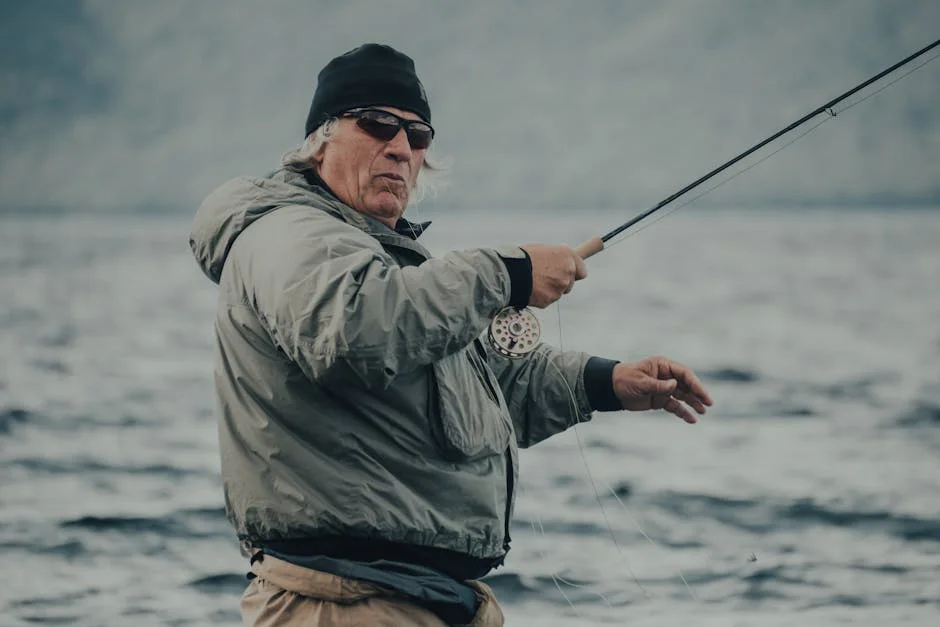
The two mechanical adjustments that matter most in a headwind are trajectory and casting plane. Lower trajectory, meaning driving the cast slightly downward on the forward stroke rather than launching upward, keeps the line and leader from ballooning up into the wind. Tilting the casting plane so the rod tracks at a slight angle from vertical, closer to sidearm, lets you keep your loop tighter and brings the fly in from the side rather than directly overhead. Both adjustments feel unnatural at first. Both become instinctive with practice.
Crosswinds are a different problem. A wind blowing left to right pushes your line downstream of your intended lane and drags the fly before it lands. The fix here is to aim upwind of your target and let the wind carry the presentation into position. On technical tailwater stretches, like the South Platte through Cheesman Canyon, where you might be targeting a specific foam line two inches wide, this kind of wind compensation requires a different kind of precision than a headwind situation. You’re not just punching through resistance. You’re predicting drift.
Tailwind is what anglers assume they want. It’s not always a gift. A tailwind pushes your fly line faster than your casting stroke and can cause the leader to blow over and collapse before turnover completes. The adjustment is to slow the forward stroke and let the wind assist rather than fight it. This is a timing problem, and timing problems in fly casting are almost always solved by slowing down, not speeding up.
Reading the Wind Before You Cast
One habit I picked up from fishing with more experienced anglers on the Bighorn and Madison is to watch the water surface and the vegetation upstream before picking up the rod. Wind direction at water level is not always the same as wind direction ten feet up. In canyon sections, the walls redirect airflow in unpredictable ways. You might feel a quartering headwind at your casting position while the wind twenty feet overhead is running perpendicular.
The other thing worth noting is that wind changes during a session. On the Arkansas River below Salida, I’ve started mornings in dead calm and had gusts arriving by mid-morning that completely altered the presentation approach. When that happens, the wrong response is to keep casting the same way and hope the wind stops. The right response is to reassess the casting angle, shorten the presentation if needed, and work the water that the wind makes accessible rather than fighting for the water it doesn’t.
Top Picks: Books That Improve How You Think About Casting Into Wind
These three titles approach the subject from different angles. Two are narrative and reflective. One is a collection of tales that capture what it feels like when conditions fight back. None of them are how-to manuals in the traditional sense, but all three shaped how owner communities describe thinking about fishing in difficult conditions.
Matter of Style: Fly Fishing into the Winds of Change
Matter of Style: Fly Fishing into the Winds of Change takes its title literally and figuratively. Based on reader reviews, the book uses wind as both a physical condition and a metaphor for adapting to change in the sport, including changing fisheries, changing techniques, and changing relationships with water over a lifetime of angling.
Verified buyers note that the writing is reflective rather than instructional, meaning you won’t find step-by-step casting adjustments here. What you will find, according to owner reports, is the kind of observational writing that reframes how you think about the conditions you’re fishing in. Wind stops being an obstacle and starts being part of the environment you’re working with rather than against. That mental shift has practical consequences on the water.
Field reports from fly fishing reading communities describe the book as belonging in the same shelf space as essays on the philosophy of the sport. It’s not a quick read for techniques. It rewards slow reading, preferably during the off-season, when you have time to think about what you want out of a season rather than just what you want out of a day.
Check current price on Amazon.
Cast, Catch, Release: Finding Serenity and Purpose through Fly Fishing
Cast, Catch, Release: Finding Serenity and Purpose through Fly Fishing covers more ground than wind-specific casting situations, but owner reviews consistently point to passages about managing frustration in difficult conditions as some of the most useful writing in the book.
Verified buyers describe a chapter structure that moves from the basics of presentation to the mental side of dealing with days when nothing works, and wind is a recurring example of the kind of obstacle that tests patience before it tests technique. The framing around purpose and intentionality resonates with anglers who’ve reached a level where gear and technique are mostly sorted and the remaining growth is attitudinal.
Spec data shows the book is mid-range priced and sits comfortably in the gift category for anglers at any experience level. Field reports from fly fishing book communities suggest it’s been given as a gift frequently, which is usually a sign the writing holds up across a range of backgrounds and experience levels.
Check current price on Amazon.
Casts in the Wind: Fly Fishing Tales
Casts in the Wind: Fly Fishing Tales is the most directly on-theme of the three titles. Based on verified buyer reviews, this is a collection of narrative accounts where wind is often a central character in the story rather than a background detail.
Owner reports describe stories set across a variety of waters and conditions, with contributors who write from direct experience fishing in challenging wind. The anthology format means quality varies by piece, as is typical with collections, but verified buyers note that the strongest entries are worth the price of the full book. The tales capture something that technical writing often misses, which is the specific texture of the frustration, and occasionally the comedy, that comes with fishing in conditions that aren’t cooperating.
Field reports from angling literature communities suggest this title is particularly useful for anglers who process experience narratively rather than analytically. If you learn more from stories than from diagrams, this is the one to pick up first.
Check current price on Amazon.
Buying Guide: Choosing Reading Material That Sharpens Your Wind Casting
The practical value of angling literature isn’t always obvious until you’ve had the experience of reading something that clicks with a water-side problem you couldn’t solve. Here’s what to look for when choosing books to improve your thinking around difficult casting conditions.
Narrative vs. Instructional: Know What You’re Buying
Not all fly fishing books are the same kind of resource. Instructional texts give you drills, diagrams, and technical explanations. Narrative texts give you experience vicariously, which trains pattern recognition and problem-solving in a different way. The three titles covered here lean toward narrative.
If you’re a newer angler who doesn’t yet have a solid casting foundation, pair a narrative book with an instructional resource. The mental framing from narrative writing is more useful once you have enough experience to recognize the situations being described. Anglers with five or more seasons will get more out of reflective writing than those still building fundamental technique. You can explore both categories at the Techniques & Methods hub.
Matching Content to Your Water
A book that focuses on spring creek casting situations won’t map perfectly onto freestone river wind problems. When evaluating any fishing literature, check whether the author’s home water resembles the conditions you’re fishing. Tailwater fishing and freestone fishing, as I’ve found over years on both the South Platte and the Arkansas, require genuinely different mental frameworks.
Wind behaves differently in canyon tailwater sections than on open meadow freestone water. Canyon walls create directional turbulence and gusting patterns that don’t follow the steady headwind or crosswind scenarios most instructional content describes. Open meadow water gives you more consistent but often stronger wind exposure. The reading material that helps most will have been written by someone who’s fished conditions similar to yours.
Experience Level and Reading Depth
Reflective fly fishing literature tends to reward more experienced readers because the observations reference situations you’ve already encountered. A story about adapting a cast to a shifting canyon crosswind lands differently after you’ve experienced exactly that than it does before you have.
That said, the books reviewed here are written accessibly enough that intermediate anglers, roughly five to fifteen years in, will find value in them. Beginners may want to hold some titles for later. The best fishing books often improve on a second read, years after you first encountered them, because your experience has caught up with what the author was describing.
How to Use Books Alongside On-Water Practice
Reading about casting into wind and actually doing it are two separate things, but the best outcomes come from connecting them deliberately. One approach is to read a chapter or section during the off-season and then identify a specific practice goal for the following session. Focused repetition with a clear objective, tightening your loop on forward stroke, for example, builds skill faster than undirected repetition.
I spent years building a fly box with 400-plus patterns because I was convinced I needed a specific fly for every situation. A guide on the Bighorn eventually showed me that four proven patterns outperform a hundred options fished with less confidence. The same principle applies here. Reading widely is valuable, but picking two or three specific ideas from what you read and working them deliberately is what actually changes how you cast.
Budget Considerations for Fly Fishing Literature
All three books covered here fall in the mid-range price band, meaning they’re accessible without being disposable. Fly fishing literature at this price point typically indicates serious authorship, proper editing, and content that holds up past a single reading.
Budget-tier fishing books often recycle generic instruction without the specificity that makes a book genuinely useful. Premium-tier titles sometimes veer into collector territory where production values exceed practical content. Mid-range fly fishing literature hits a sweet spot for anglers who want substantive reading without paying for photography-driven coffee table presentation.
Closing Thoughts
Casting into wind is one of those skills that you genuinely can’t fully acquire from reading alone. The loop has to be tight. The trajectory has to be adjusted. The timing has to become instinctive. All of that comes from standing in moving water with wind in your face and figuring it out session by session.
What good reading gives you is the mental framing to make those sessions more productive. Stories about anglers who’ve faced the same conditions, and adapted rather than quit, build the kind of patience that keeps you casting when everything is fighting back. If you want to keep building across all the variables that make fly fishing complicated, the full Techniques & Methods archive is a good ongoing resource.
The wind is part of it. Always has been.
Frequently Asked Questions
What is the most effective technique for casting into a headwind?
The most effective adjustment is tightening your loop on the forward stroke by accelerating through a shorter arc. Lower your casting trajectory slightly so you’re driving the fly forward and down rather than up and into the wind. Hauling, if you’re comfortable with a single or double haul, adds line speed that helps the cast punch through resistance. Shorter casts with a tight loop outperform longer casts with an open loop in headwind conditions.
Should I use a heavier fly line to cast into wind?
Spec data suggests a heavier line can add mass that helps punch through wind, and many anglers step up a line weight on particularly gusty days. However, field reports from experienced casters indicate that loop control matters more than line weight in most headwind situations. A heavier line helps most when the headwind is consistent and strong. In gusty or shifting conditions, better timing and tighter loops tend to outperform the brute-force approach of adding line mass.
Does rod action affect casting performance in wind?
Yes, and the effect is meaningful. Faster-action rods load and unload quickly, which produces higher line speed and tighter loops that handle headwind better. Slower-action rods are harder to cast into headwind because the longer loading arc gives more opportunity for wind interference. Owner reviews of fast-action rods frequently mention wind performance as a noted advantage.
Are there fly fishing books specifically focused on casting technique in difficult conditions?
Most fly fishing books that address difficult conditions do so within broader coverage of technique, presentation, and water reading rather than isolating wind as a standalone subject. The three titles reviewed here use wind as a thematic and narrative element rather than as a purely technical topic. For pure casting instruction in wind, verified buyers often recommend pairing narrative literature with dedicated casting instructional DVDs or video content alongside book reading.
How do crosswinds differ from headwinds in terms of casting adjustment?
Crosswinds require a different adjustment than headwinds. Where a headwind calls for tighter loops and lower trajectory, a crosswind calls for aim compensation, casting upwind of your target and letting the wind carry the presentation into position. Crosswinds also create line bow during drift, which accelerates drag. Field reports from technical tailwater anglers note that crosswind line management, including mending immediately after presentation, matters as much as the cast itself in maintaining a drag-free drift.
<script type="application/ld+json">
{
 "@context": "https://schema.org",
 "@type": "FAQPage",
 "mainEntity": [
 {
 "@type": "Question",
 "name": "What is the most effective technique for casting into a headwind?",
 "acceptedAnswer": {
 "@type": "Answer",
 "text": "The most effective adjustment is tightening your loop on the forward stroke by accelerating through a shorter arc. Lower your casting trajectory slightly so you're driving the fly forward and down rather than up and into the wind. Hauling, if you're comfortable with a single or double haul, adds line speed that helps the cast punch through resistance. Shorter casts with a tight loop outperform longer casts with an open loop in headwind conditions."
 }
 },
 {
 "@type": "Question",
 "name": "Should I use a heavier fly line to cast into wind?",
 "acceptedAnswer": {
 "@type": "Answer",
 "text": "Spec data suggests a heavier line can add mass that helps punch through wind, and many anglers step up a line weight on particularly gusty days. However, field reports from experienced casters indicate that loop control matters more than line weight in most headwind situations. A heavier line helps most when the headwind is consistent and strong. In gusty or shifting conditions, better timing and tighter loops tend to outperform the brute-force approach of adding line mass."
 }
 },
 {
 "@type": "Question",
 "name": "Does rod action affect casting performance in wind?",
 "acceptedAnswer": {
 "@type": "Answer",
 "text": "Yes, and the effect is meaningful. Faster-action rods load and unload quickly, which produces higher line speed and tighter loops that handle headwind better. Slower-action rods are harder to cast into headwind because the longer loading arc gives more opportunity for wind interference. Owner reviews of fast-action rods frequently mention wind performance as a noted advantage. Moderate-action rods can still handle wind if the caster compensates with technique, but fast action makes the adjustment easier."
 }
 },
 {
 "@type": "Question",
 "name": "Are there fly fishing books specifically focused on casting technique in difficult conditions?",
 "acceptedAnswer": {
 "@type": "Answer",
 "text": "Most fly fishing books that address difficult conditions do so within broader coverage of technique, presentation, and water reading rather than isolating wind as a standalone subject. The three titles reviewed here use wind as a thematic and narrative element rather than as a purely technical topic. For pure casting instruction in wind, verified buyers often recommend pairing narrative literature with dedicated casting instructional DVDs or video content alongside book reading."
 }
 },
 {
 "@type": "Question",
 "name": "How do crosswinds differ from headwinds in terms of casting adjustment?",
 "acceptedAnswer": {
 "@type": "Answer",
 "text": "Crosswinds require a different adjustment than headwinds. Where a headwind calls for tighter loops and lower trajectory, a crosswind calls for aim compensation, casting upwind of your target and letting the wind carry the presentation into position. Crosswinds also create line bow during drift, which accelerates drag. Field reports from technical tailwater anglers note that crosswind line management, including mending immediately after presentation, matters as much as the cast itself in maintaining a drag-free drift."
 }
 }
 ]
}
</script>Where to Buy
Matter of Style: Fly Fishing into the Winds of ChangeSee Matter of Style: Fly Fishing into the… on Amazon