Double Haul Cast: Master This Essential Fly Fishing Technique

Affiliate disclosure: Some links on this page are affiliate links. If you buy through them we earn a small commission at no extra cost to you. Recommendations are research-driven; we don't claim personal use of every product reviewed. Product prices and availability are accurate as of the date published and are subject to change. Always check Amazon for current pricing before purchasing. Learn more.
Quick Picks
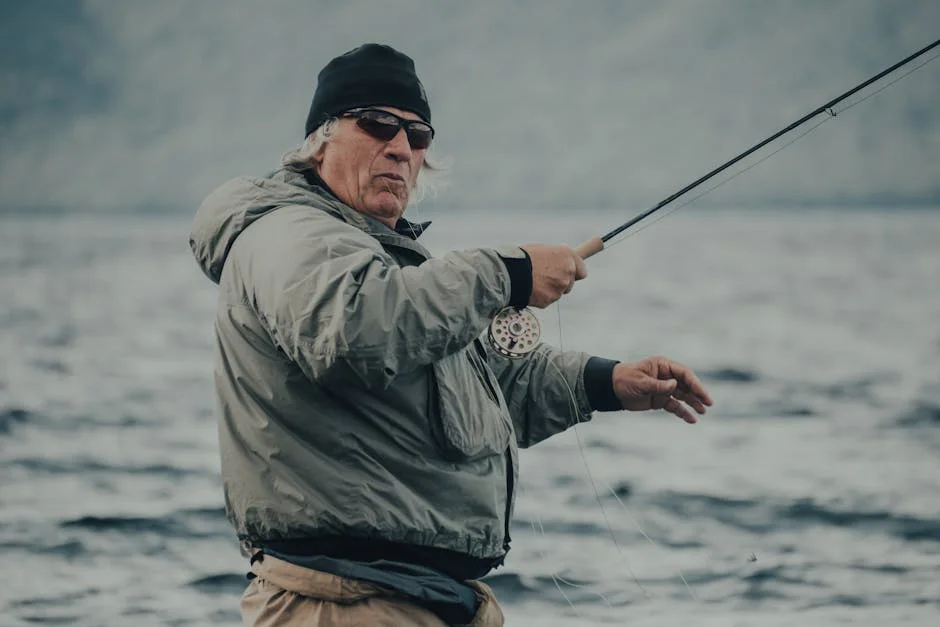
The double haul cast is one of those skills that separates anglers who can cast from anglers who can fish. It adds line speed without adding effort, which means you can reach fish in wind, punch heavy streamers into tight windows, or lay out a long presentation on flat water without muscling the rod.
Learning it properly takes honest repetition and, usually, good instruction. The mechanics are simple on paper and tricky in practice.
What the Double Haul Cast Actually Does
Before getting into mechanics, it helps to understand the physics. Most casting instruction focuses on the rod hand, but the line hand is doing half the work in a double haul, maybe more. The haul accelerates the line independent of the rod stroke, which increases line speed in both directions of the cast without requiring you to widen your casting arc or force the rod harder.
For a thorough breakdown of all casting variations and when each applies, the Techniques & Methods hub covers the full range of fly fishing methods worth knowing.
The result is a tighter loop, faster line, and more energy delivered to the fly. That matters on a windward bank of the South Platte where you’re trying to reach a rising fish sixty feet out and the afternoon thermal is pushing straight into your face. It also matters when you’re throwing a cone-head streamer on a 6wt and the fly is fighting you on the backcast.
The Single Haul First
If you’re still smoothing out your single haul, start there. The double haul is additive. You’re building a second motion onto a stroke that should already be clean. Anglers who try to learn both hauling motions simultaneously before their forward cast is consistent tend to compound errors.
The single haul on the backcast is the easier of the two motions. You pull down as the rod loads on the back stroke, then let the line slip back up through the guides as the rod stops. If that single motion isn’t automatic yet, the double haul will feel like trying to pat your head and rub your stomach while also making a good cast.
The Mechanics, Step by Step
The haul begins as the rod tip starts accelerating. Not before. Not after the rod has loaded. The timing is concurrent with the rod stroke, which is the part most anglers get wrong on first attempts. A late haul is just yanking line after the fact and does almost nothing for loop shape or line speed.
Here is a simplified breakdown of the sequence:
Backcast haul: As you begin the backcast stroke, pull the line hand sharply downward, maybe eight to twelve inches for most trout fishing situations. The motion is decisive, not a slow draw. As the rod stops on the back loop and the line extends behind you, let the line hand drift back up toward the stripper guide. This drift is passive, not a push.
Forward cast haul: As the rod loads into the forward stroke, haul again with the line hand in a downward pull. Stop the rod, shoot the line, and follow through. The second haul is typically shorter and tighter than the first for most freshwater applications.
The drift between hauling motions is where most beginners lose the thread. Letting the line hand drift back up during the pause is not optional. If your hand stays low after the backcast haul, you’ve reduced the distance available for the forward haul and introduced slack into the system.
Tailwater vs. Freestone Applications
This is worth addressing directly because the two water types ask different things of you as a caster.
On tailwaters, the double haul earns its keep in two situations: long presentations to wary fish in low clear water, and casting across currents where you need to land the fly accurately before mending. Cheesman Canyon, for example, regularly demands sixty-foot presentations with precise slack management on the drift. The double haul gets you there without the rod-wrenching effort that collapses loop shape.
On freestone streams, including the Arkansas River stretches I fish regularly out of Salida, the double haul is more situational. You’re often casting shorter distances, under thirty-five feet, where hauling adds little. But when you’re working pocket water and need to punch a weighted nymph rig upstream with authority, a half haul on the backcast alone can make the difference between a cast that turns over and one that piles up.
The broader point is that the double haul is not a distance-only skill. Casting instructors will tell you it’s about line speed, and line speed solves problems at every distance once you understand what those problems are.
Learning Curve and Common Errors
After twenty years, I’ve watched a lot of anglers learn to haul, and the errors cluster around two habits.
The first is hauling too early. The line hand starts pulling before the rod has begun to load, which creates slack rather than tension. The haul is only useful if the rod and line hand are working together, not racing each other.
The second error is insufficient drift. The line hand drops on the backcast haul and stays there, leaving the angler with nowhere to go on the forward haul. The drift back up to the stripper guide is the reset. Skipping it is like pulling a bowstring without letting it return to the bow.
Timing is best learned slowly. If you can find an open field and slow your casting stroke to an almost exaggerated tempo, the coordination between rod hand and line hand becomes visible. Speed it up only after the sequence feels automatic at slower tempo.
Buying Guide: Resources for Learning the Double Haul Cast
There is no shortage of casting instruction content, but quality varies significantly. The best resources share a few characteristics: they show the haul in real time and in slow motion, they address the drift explicitly, and they correct common errors rather than just demonstrating ideal form. Watching perfect technique is useful, but understanding where it goes wrong is more useful.
If you are interested in building a complete casting skillset, the fly fishing techniques and methods section at RM Fly Fishing is a good starting point for understanding how casting skills connect to broader on-water decisions.
Physical vs. Video Instruction
In-person casting instruction with a certified casting instructor is the fastest route to a clean double haul. A good instructor can identify your specific timing error in two or three casts in ways that no video can match. If there is a local fly shop with casting clinics, that is the first call to make.
Video instruction is not a replacement, but it is genuinely useful as a supplement. Being able to pause, rewind, and study a casting motion frame by frame helps anglers who are self-coaching between lessons. The key is choosing video from instructors who explain the mechanics rather than just demonstrate them.
What to Look for in Casting Instruction Video
Good casting video slows down the haul motion so the timing relationship between rod and line hand is clear. The drift phase should be shown and named explicitly. Many anglers watch casting video for years and miss the drift entirely because the camera angle does not emphasize it.
Look for instruction that addresses common errors, not just ideal form. Seeing the wrong version executed side by side with the correct version accelerates learning significantly. If the video only shows a competent caster making good casts, you will learn what it looks like but not how to get there.
Practice Setup and Gear Considerations
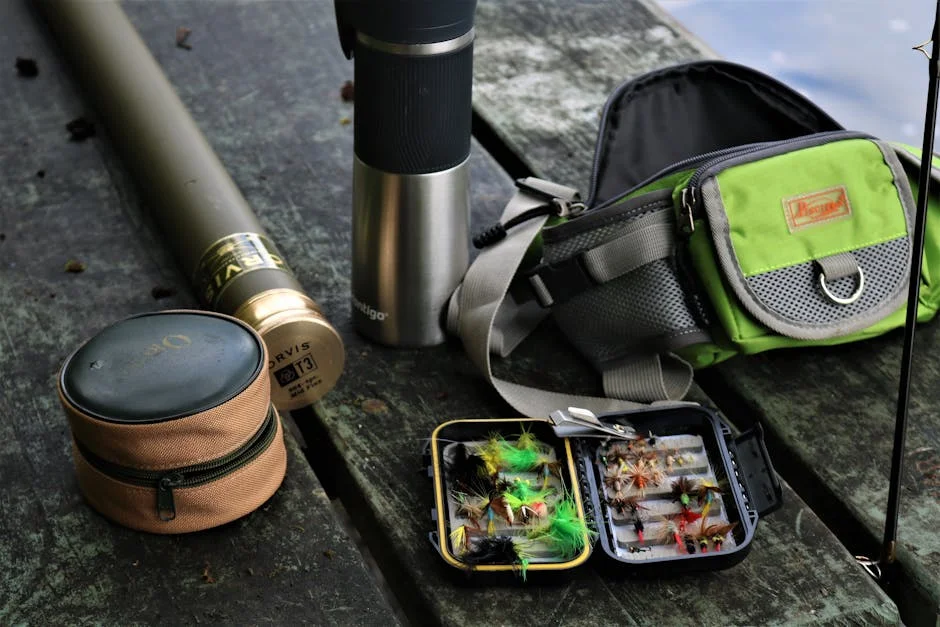
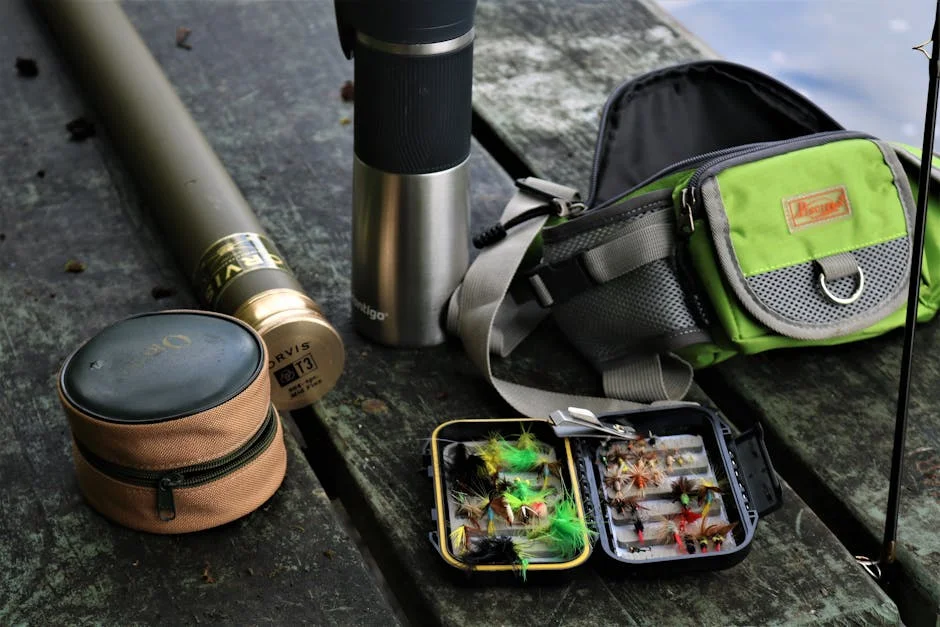
A grass field or a still pond are the best practice environments. Grass eliminates the variable of actually hooking fish, which removes distraction from the mechanics. A piece of yarn on the end of a leader (no hook, no fly) reduces snag risk and keeps the focus on the stroke.
For rod and line choice during practice, use whatever you fish most often. Learning the double haul on a 9’ 5wt and then transferring to a 6wt streamer rod takes adjustment. The haul timing shifts slightly with heavier lines and stiffer blanks, so practicing on your primary setup makes the learned motion directly applicable on the water.
Realistic Expectations
Most anglers develop a functional double haul within ten to twenty practice sessions if they have access to good instruction and make honest repetitions. Functional means it increases line speed consistently, loops are tighter than without hauling, and the timing is reliable under mild wind stress.
Mastery takes longer. A double haul that holds up under pressure, with a heavy fly, in wind, while reading water and managing a drift, is a different skill than one that works on a practice field on a calm afternoon. Setting realistic expectations prevents the discouragement that comes from measuring practice field results against guide-quality casting.
Top Picks
The Double Haul with Rhea Topping (Tutorial Fly Casting DVD)
The Double Haul with Rhea Topping is a dedicated instructional DVD focused entirely on the double haul cast, taught by Rhea Topping, a casting instructor with considerable credentials in fly casting education.
At the mid-range price band, it sits above the free video content available online, and the question worth asking is whether the structured format and focused subject matter justify that difference. Based on verified buyer reviews, the consensus is that it does for anglers who are serious about fixing specific haul technique problems rather than picking up general tips.
Owner reviews consistently note that the pacing is methodical without being tedious. The instruction breaks the haul into its component phases, addresses the drift explicitly (which matters, as discussed above), and shows errors alongside correct technique. That error-correction component is what reviewers cite most often as the differentiator from free online alternatives.
Field reports from the fly casting community indicate the DVD format presents one limitation that is structural rather than instructional: you cannot search by topic the way you can with indexed online video. If you want to jump directly to the drift explanation, you are working through chapter navigation rather than a search bar. For anglers who learn linearly, this is not a problem. For those who learn by revisiting specific segments repeatedly, it adds friction.
The subject focus is worth emphasizing. This is not a general fly casting instructional that covers the double haul as one chapter among many. The entire runtime is dedicated to the double haul, which means the depth of explanation reflects that focus. Spec data shows the runtime is sufficient to cover setup, backcast haul, forward haul, drift, common errors, and fishing applications, without feeling padded.
Verified buyers with prior casting experience report getting more from it than beginners do, which is consistent with the technique itself. The double haul is not a first casting skill. Anglers who already cast reasonably well and are working to add hauling report cleaner results than those who are still building fundamental stroke mechanics.
For anglers in regions without access to in-person casting instruction clinics, the structured format of this DVD functions as a reasonable substitute for the early phases of learning. It will not replace a certified instructor, but it will give you a framework to practice against before your first lesson or between lessons.
Check current price on Amazon.
Closing Thoughts
The double haul cast is not a specialty skill reserved for guides and tournament casters. It is a functional technique that solves real problems on real water: wind, distance, heavy flies, and tight loops under pressure. The time investment to develop it pays off quickly once the timing becomes automatic.
The honest assessment after twenty years is that most intermediate anglers could benefit from spending a season working specifically on hauling mechanics rather than adding new techniques or gear. A clean double haul on a 5wt trout rod will improve your fishing in more situations than a new rod will, which is the kind of thing that feels obvious once you have the skill and is easy to dismiss before you do.
For additional casting resources and technique breakdowns, visit the Techniques & Methods hub at RM Fly Fishing.
Frequently Asked Questions
How long does it take to learn the double haul cast?
Most anglers develop a functional double haul within ten to twenty dedicated practice sessions, assuming they have access to quality instruction and are making intentional repetitions rather than just throwing line. A functional haul means it reliably increases line speed and tightens loops. Consistent performance under real fishing conditions, with wind and a heavy fly, takes additional time and on-water experience to develop. Starting with a single haul on the backcast before adding the full double haul sequence shortens the learning curve considerably.
Do I need a special rod or line to practice the double haul?
No. Practice on whatever rod and line combination you fish most often. The haul timing shifts slightly between a 4wt trout rod and a 9wt saltwater setup, so building the motor pattern on your primary outfit makes the skill directly transferable to your actual fishing situations. A piece of yarn on the leader instead of a fly is helpful during practice sessions on grass or still water because it eliminates snag risk and keeps focus on the casting mechanics rather than fly presentation.
Is the double haul only useful for long-distance casting?
No, and this is one of the more persistent misconceptions about the technique. The double haul increases line speed, which solves problems at multiple distances. Into a headwind at thirty-five feet, a haul can be the difference between a cast that turns over and one that collapses. Throwing a weighted streamer or a two-fly nymphing rig, hauling helps load the rod with heavier terminal tackle regardless of casting distance.
What is the most common mistake beginners make when learning the double haul?
Hauling too early is the error that appears most consistently among beginners. The line hand begins pulling before the rod has loaded, which introduces slack rather than increasing line speed. The haul is only productive when the rod and line hand are working together in coordinated timing. The second most common error is skipping the drift between hauling motions, which leaves the line hand in a low position with no room to complete the forward haul effectively.
Can I learn the double haul from video instruction alone?
Video instruction alone is workable but slower than combining it with in-person feedback. A certified casting instructor can identify your specific timing error in a handful of casts in ways that self-coaching from video cannot replicate efficiently. That said, quality video instruction that shows errors alongside correct technique and addresses the drift phase explicitly does give you a useful practice framework. Video works best as a supplement to in-person instruction, or as the primary resource when no local casting instruction is available.
<script type="application/ld+json">
{
 "@context": "https://schema.org",
 "@type": "FAQPage",
 "mainEntity": [
 {
 "@type": "Question",
 "name": "How long does it take to learn the double haul cast?",
 "acceptedAnswer": {
 "@type": "Answer",
 "text": "Most anglers develop a functional double haul within ten to twenty dedicated practice sessions, assuming they have access to quality instruction and are making intentional repetitions rather than just throwing line. A functional haul means it reliably increases line speed and tightens loops. Consistent performance under real fishing conditions, with wind and a heavy fly, takes additional time and on-water experience to develop. Starting with a single haul on the backcast before adding the full double haul sequence shortens the learning curve considerably."
 }
 },
 {
 "@type": "Question",
 "name": "Do I need a special rod or line to practice the double haul?",
 "acceptedAnswer": {
 "@type": "Answer",
 "text": "No. Practice on whatever rod and line combination you fish most often. The haul timing shifts slightly between a 4wt trout rod and a 9wt saltwater setup, so building the motor pattern on your primary outfit makes the skill directly transferable to your actual fishing situations. A piece of yarn on the leader instead of a fly is helpful during practice sessions on grass or still water because it eliminates snag risk and keeps focus on the casting mechanics rather than fly presentation."
 }
 },
 {
 "@type": "Question",
 "name": "Is the double haul only useful for long-distance casting?",
 "acceptedAnswer": {
 "@type": "Answer",
 "text": "No, and this is one of the more persistent misconceptions about the technique. The double haul increases line speed, which solves problems at multiple distances. Into a headwind at thirty-five feet, a haul can be the difference between a cast that turns over and one that collapses. Throwing a weighted streamer or a two-fly nymphing rig, hauling helps load the rod with heavier terminal tackle regardless of casting distance. Distance casting is one application, but it is not the primary reason most freshwater anglers need the skill."
 }
 },
 {
 "@type": "Question",
 "name": "What is the most common mistake beginners make when learning the double haul?",
 "acceptedAnswer": {
 "@type": "Answer",
 "text": "Hauling too early is the error that appears most consistently among beginners. The line hand begins pulling before the rod has loaded, which introduces slack rather than increasing line speed. The haul is only productive when the rod and line hand are working together in coordinated timing. The second most common error is skipping the drift between hauling motions, which leaves the line hand in a low position with no room to complete the forward haul effectively. Both errors are timing issues, not strength issues."
 }
 },
 {
 "@type": "Question",
 "name": "Can I learn the double haul from video instruction alone?",
 "acceptedAnswer": {
 "@type": "Answer",
 "text": "Video instruction alone is workable but slower than combining it with in-person feedback. A certified casting instructor can identify your specific timing error in a handful of casts in ways that self-coaching from video cannot replicate efficiently. That said, quality video instruction that shows errors alongside correct technique and addresses the drift phase explicitly does give you a useful practice framework. Video works best as a supplement to in-person instruction, or as the primary resource when no local casting instruction is available."
 }
 }
 ]
}
</script>Where to Buy
The Double Haul with Rhea Topping (Tutorial Fly Casting DVD)See The Double Haul with Rhea Topping (Tu… on Amazon