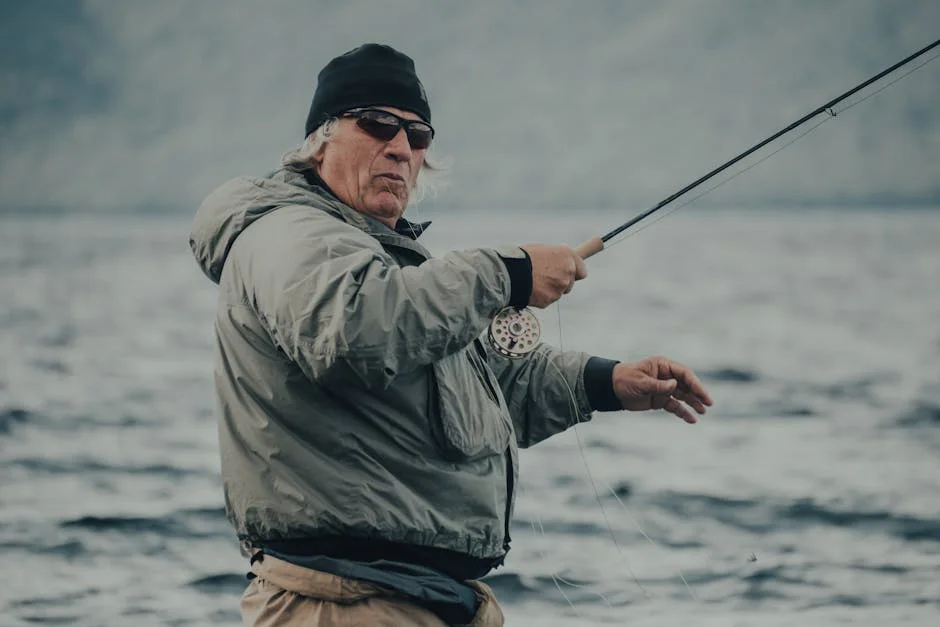
Pocket Water Fly Fishing: Technique Guide for Trout

Affiliate disclosure: Some links on this page are affiliate links. If you buy through them we earn a small commission at no extra cost to you. Recommendations are research-driven; we don't claim personal use of every product reviewed. Product prices and availability are accurate as of the date published and are subject to change. Always check Amazon for current pricing before purchasing. Learn more.
Quick Picks
Fly Fishing Poppers, Topwater Fishing Lures Bass Crappie Bluegill Sunfish Panfish Trout Salmon Perch Steelhead Flies for Fly Fishing Bass Panfish Bluegill Trout Salmon
Buy on AmazonBionic Fly Fishing Bait, Flies Fishing Lures Kit Trout Jigs Swimbaits Dry Flies Fly Fishing Lures Fish Attractant Fly Fishing Hook for Saltwater Freshwater Bass Panfish 15mm
Buy on AmazonWild Water Fly Fishing 60 Most Popular Flies in Mini-Mega Assortment with Small Fly Box incl. Dry, Caddis, Nymph, Wooly Bugger for Trout, Panfish, Crappie, Sunfish
Buy on Amazon| Product | Price Range | Top Strength | Key Weakness | Buy |
|---|---|---|---|---|
| Fly Fishing Poppers, Topwater Fishing Lures Bass Crappie Bluegill Sunfish Panfish Trout Salmon Perch Steelhead Flies for Fly Fishing Bass Panfish Bluegill Trout Salmon also consider | $$ | Buy on Amazon | ||
| Bionic Fly Fishing Bait, Flies Fishing Lures Kit Trout Jigs Swimbaits Dry Flies Fly Fishing Lures Fish Attractant Fly Fishing Hook for Saltwater Freshwater Bass Panfish 15mm also consider | $$ | Buy on Amazon | ||
| Wild Water Fly Fishing 60 Most Popular Flies in Mini-Mega Assortment with Small Fly Box incl. Dry, Caddis, Nymph, Wooly Bugger for Trout, Panfish, Crappie, Sunfish also consider | $$ | Buy on Amazon |
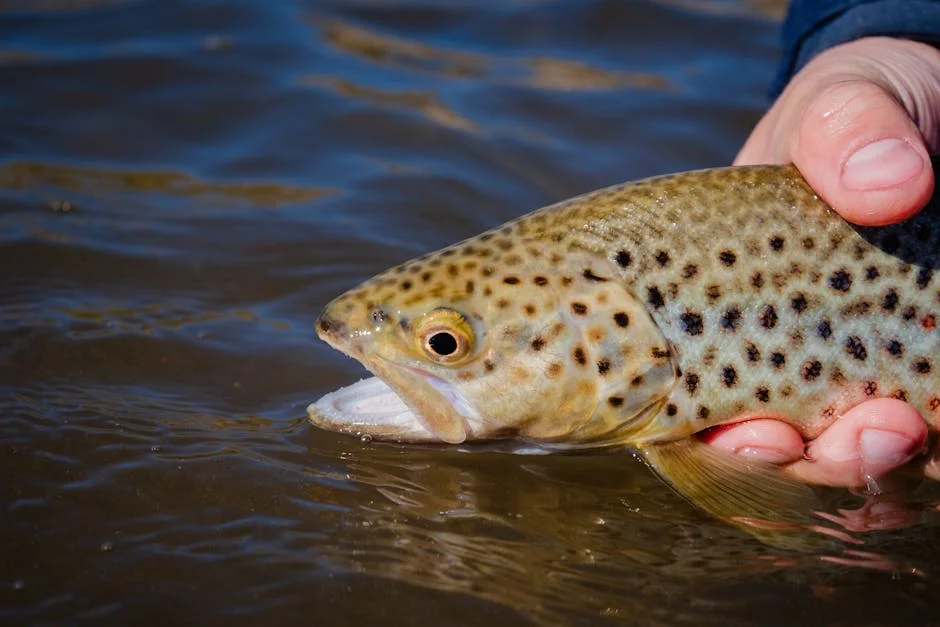
Pocket water is some of the most productive and most overlooked trout habitat on any river. The broken, aerated chutes between boulders, the compressed seams behind mid-channel rocks, the brief calm spots where fast water dumps into slower pools, these spots hold fish that rarely see a fly presented well.
Reading pocket water takes different thinking than a long tailwater flat or a slow-moving pool. The currents are short, complex, and unforgiving of slack line. Get the technique right, though, and pocket water rewards you with aggressive takes and fish that haven’t been educated by a hundred anglers drifting the same seam.
Why Pocket Water Demands Its Own Approach
Pocket water fly fishing isn’t a single technique. It’s a set of decisions you make quickly, repeatedly, over a stretch of river that might look like chaos until you learn to break it into small, readable pieces. Each pocket is its own micro-habitat with its own current speed, depth, and feeding lane. Trout holding in pockets are usually opportunistic feeders, they’re not studying every fly the way a tailwater fish will. But they’re also not easy. A sloppy presentation on a pocket that’s only two feet wide will put the fish down before you even know it was there.
The techniques that work here draw from the full toolkit. Euro nymphing, dry-dropper rigs, stripped streamers, and surface poppers all have legitimate roles depending on season, water temperature, and what the fish are doing. If you want to read deeper into how these methods fit together, the Techniques & Methods section of this site is a good place to start building that bigger picture.
The mistake I made for years was fishing pocket water like I was fishing a tailwater. I’d spend too long on a single pocket, trying to dial in pattern specificity the way I would on Cheesman Canyon or Eleven Mile. A guide I fished with on the Bighorn eventually made it plain: on freestone water, mobility beats precision. Pick your best attractor pattern, get a clean drift through the pocket, and if the fish isn’t there in three or four casts, move upstream.
Reading the Micro-Habitats
The Boulder Seam
The most visible pocket water target is the slack water immediately behind a large boulder. Current splits around the rock, meets again downstream, and creates a wedge of calmer water. Trout hold at the rear edge of that calm water, facing upstream into the seam where food gets funneled toward them.
The key presentation detail: your fly needs to land in the seam, not in the dead calm. The dead calm is where the fish wait. The seam is their food delivery lane. Cast two to three feet upstream of the boulder face so your fly has time to sink and reach depth before it reaches the fish. On deeper pockets with visible structure, a tight-line nymph rig will tell you immediately when you’ve made contact with the bottom, that feedback is something an indicator can’t give you at close range in fast water.
The Plunge Pool
Where a chute of fast water drops into a deeper depression, you get a plunge pool. These are high-oxygen, cooler environments that attract fish in summer heat. The foam line at the head of the plunge will carry most of the surface food, but the real fish, especially larger ones, often hold on the edges where the current slows.
I fished indicator nymphing for years and missed a lot of plunge pools because my indicator would drag through the seam before my flies reached depth. Converting to tight-line nymphing on these pockets was the single biggest change I made to my freestone fishing. The current complexity in a plunge pool means you’re reaching the target zone with almost no fly line on the water, just a long leader and direct contact.
The Compression Zone
Less discussed than boulder seams or plunge pools, compression zones form where fast water gets squeezed between two obstacles, then expands and slows on the downstream side. The expanded, slower water is where fish stack up. These pockets can be deceptively short, sometimes two to three feet of fishable water, but in high summer on the Arkansas, I’ve seen these spots hold multiple fish stacked behind a single mid-channel rock.
Short accurate casts matter more here than anywhere else in pocket water. If you’re working upstream, you’ll often be casting no more than twenty feet. That’s a casting scenario where your rod’s tip sensitivity matters a lot more than its power.
Tackle Setup for Pocket Water
Rod and Line Considerations
Pocket water is where a shorter or more versatile rod setup pays off. A 9-foot 5-weight is still the all-around choice, but a shorter rod in the 8- to 8.5-foot range gives you better line control when you’re mending in tight quarters and casting through overhanging brush. The Orvis Helios I run in 8’6” 4-weight gets more use on small freestone pocket water than any of my other rods.
For tight-line or Euro nymphing in pockets, the longer competition-style rod is still an advantage because you’re lifting, not casting, most of the fly line. I’ve run Euro setups on pocket water since 2018, and the technique is genuinely better suited to short-drift, high-complexity water than indicator nymphing. That said, Euro nymphing gets oversold as requiring specialized, expensive equipment. You can eliminate slack with a long monofilament leader on a standard 9-foot rod and get most of the benefit. Try that first before committing to a dedicated Euro setup.
Leader and Tippet
Pocket water doesn’t always demand ultra-fine tippet. The broken surface light and aerated water give you more presentation forgiveness than a flat tailwater pool. On the Arkansas, I’ll run 4X fluorocarbon in choppy pocket water where I’d go to 5X or 6X on a flat below a dam. That said, keep your tippet to leader connection clean, a wind knot or hinge in your leader will absolutely wreck your drift in a two-foot pocket where there’s no room to recover.
Fly Selection for Pocket Water
Pocket water fish are opportunistic but not dumb. The most effective approach I’ve found, after years of overthinking pattern selection, is a short list of proven flies rather than a box of four hundred. A guide on the Bighorn drilled this into me: four confident patterns will outfish forty uncertain ones. In pocket water, presentation and water reading matter far more than the exact pattern.
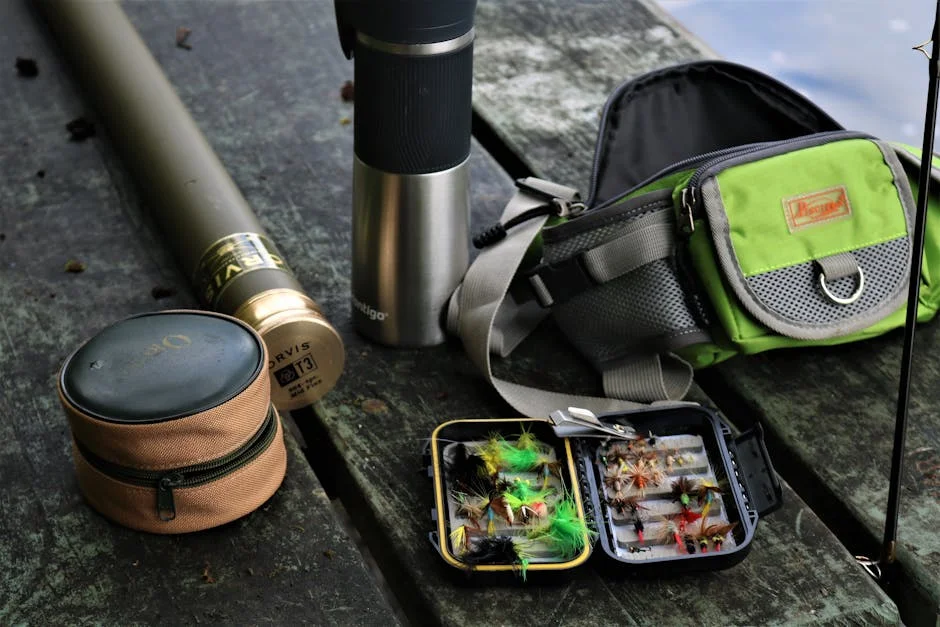
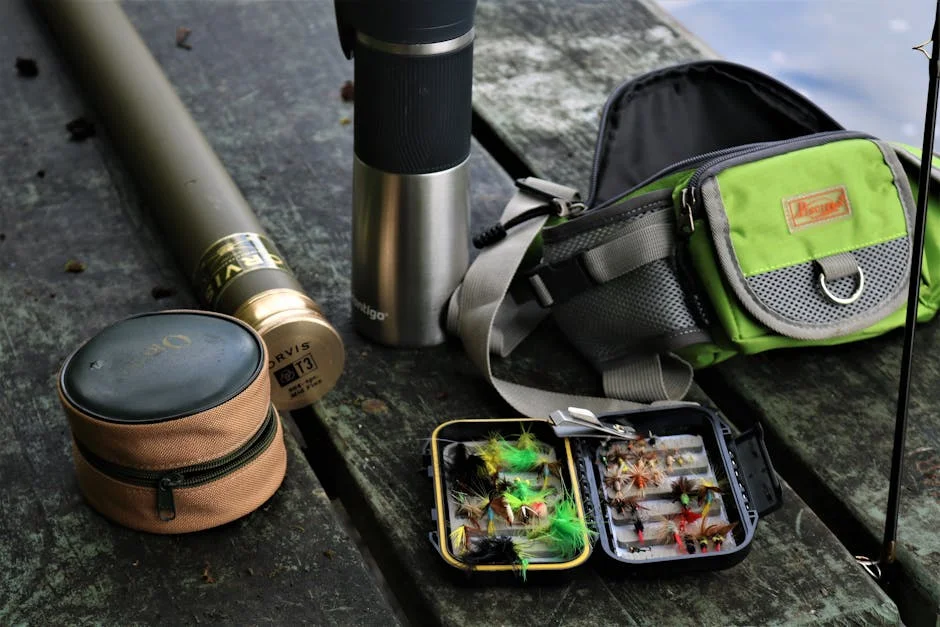
That said, having the right categories covered, dry attractors, subsurface nymphs, and something with movement for streamier pockets, gives you the flexibility to adapt as conditions change. The products below represent three different approaches to stocking a pocket water fly box.
Top Picks for Pocket Water Flies
Fly Fishing Poppers, Topwater Fishing Lures Bass Crappie Bluegill Sunfish Panfish Trout Salmon Perch Steelhead Flies
Fly Fishing Poppers, Topwater Fishing Lures Bass Crappie Bluegill Sunfish Panfish Trout Salmon Perch Steelhead Flies for Fly Fishing Bass Panfish Bluegill Trout Salmon might seem like an odd recommendation for trout pocket water, but surface poppers have a legitimate role in pockets during summer evenings when panfish and small trout are actively feeding near the surface in slower-moving micro-eddies. Verified buyers note these poppers produce well on calm eddy pockets at low light, particularly for bluegill and small bass in mixed-species water. Spec data shows these are tied on mid-range hooks with foam bodies that create reliable pop and splash action on even a short strip. Field reports from multi-species anglers indicate the action holds up well after repeated casts, which matters in pocket water where you’re picking up and casting again frequently. The mid price band makes this an accessible way to add a surface option without committing to premium hand-tied poppers.
Check current price on Amazon.
Bionic Fly Fishing Bait, Flies Fishing Lures Kit Trout Jigs Swimbaits Dry Flies Fly Fishing Lures Fish Attractant Fly Fishing Hook for Saltwater Freshwater Bass Panfish 15mm
The Bionic Fly Fishing Bait, Flies Fishing Lures Kit Trout Jigs Swimbaits Dry Flies Fly Fishing Lures Fish Attractant Fly Fishing Hook for Saltwater Freshwater Bass Panfish 15mm is a soft-plastic fly-style bait that bridges the gap between traditional fly patterns and jig-style lures. Owner reviews note these are particularly effective in pocket water because their 15mm profile matches the size of many aquatic insects and small baitfish that wash through chutes and seams. Verified buyers fishing freestone streams in the Southeast report good results dead-drifting these through plunge pools with minimal added weight. The soft bionic material produces a lifelike wobble even at low drift speeds, which can trigger takes from pocket-water trout that might ignore a stiffer pattern. At mid price band, this is worth adding as a complement to a traditional nymph selection.
Check current price on Amazon.
Wild Water Fly Fishing 60 Most Popular Flies in Mini-Mega Assortment with Small Fly Box
For anglers building a pocket water fly box from scratch, the Wild Water Fly Fishing 60 Most Popular Flies in Mini-Mega Assortment with Small Fly Box incl. Dry, Caddis, Nymph, Wooly Bugger for Trout, Panfish, Crappie, Sunfish provides a practical starting point. The 60-fly kit covers the core categories you need for pocket water: dry attractors, caddis patterns, nymphs, and a few Wooly Buggers for streamy pockets where movement matters. Spec data confirms the assortment includes elk hair caddis, parachute adams-style dries, pheasant tail and hare’s ear nymphs, and several bead-head variations, which is essentially the categories I’d build by hand if starting over. Owner reviews from trout anglers note the hook quality is adequate for mid-range use and the included small fly box keeps the assortment organized. The mid price band makes this a reasonable choice for newer anglers who want coverage across multiple techniques without yet committing to a curated, self-tied box. Verified buyers note that selecting four or five patterns to focus on from within the kit, rather than rotating all 60, produces better results and better confidence on the water.
Check current price on Amazon.
Pocket Water Buying Guide
Choosing the Right Fly Profiles for Broken Water
Pocket water imposes constraints on fly selection that don’t apply the same way to flat pools. Flies need to sink quickly in plunge pools, stay visible in aerated white water, and remain hook-up-friendly despite frequent contact with rocky structure. For subsurface fishing, bead-head nymphs with tungsten rather than brass heads sink faster in the short window you have before your drift ends. For surface fishing, high-floating caddis and parachute patterns with visible post colors hold up better in choppy currents than flush-floating emergers.
The broader principle is matching fly category to pocket type. Plunge pools favor heavy nymphs and droppers. Boulder seams favor size 14-16 attractors and soft hackles. Compression zones, especially in lower light, can produce on streamers stripped through the expansion water. Learning to read which pocket calls for which approach is the core skill, and building a fly selection that covers all three categories gives you the flexibility to adapt without switching rigs constantly.
Euro Nymphing vs. Dry-Dropper in Pocket Water
Pocket water is where the Euro nymphing vs. indicator debate gets most interesting. Euro nymphing (tight-line nymphing) is genuinely better suited to short, complex drifts where current speed changes constantly, because you’re maintaining direct contact with the fly and feeling takes rather than watching a float. You can also adjust depth and weight mid-session without re-rigging, which matters when you’re moving from shallow compression zones to deeper plunge pools every few hundred feet.
Dry-dropper rigs have their own advantage in pocket water: the dry fly gives you a visual strike indicator while also fishing productively as a surface fly. In summer, when caddis are active, a dry-dropper with a size 14 elk hair caddis and a size 18 soft hackle dropper will fish both levels simultaneously. The limitation is that complex multi-directional currents will drag a dry-dropper rig quickly. This is where tight-line presentations win on the most technical micro-pockets. Both have roles, and if you want to explore the full range of nymphing approaches, the fishing techniques library at /techniques/ covers those comparisons in detail.
Reading Water Speed and Knowing When to Move
The single biggest mistake on pocket water is spending too long on a single spot. Tailwater fishing trains anglers to be patient because a flat with thirty feeding fish rewards persistent, precise casting. Pocket water rewards movement. Each pocket might hold one to three fish, and if you’ve made four clean presentations without a take, the productive move is to step upstream and find the next pocket.
Water speed tells you roughly how much time you have for a drift. In fast water, even a perfect cast gives you a two-to-three second productive drift window. In a slower eddy pocket, you might get ten to fifteen seconds. Calibrate your casting rate to the water speed, not to your comfort level. Anglers who came up on slow tailwater often cast too infrequently on pocket water and miss fish simply by not covering enough water.
Footwear and Wading in Pocket Water
Pocket water wading is harder than wading flat water. The substrate is usually cobble or bedrock, the currents change direction frequently, and you’re stepping around structure rather than through open gravel. Studded boots with Vibram rubber soles (like the Korkers Devil’s Canyon setup I’ve used for years) give you grip on both algae-covered rocks and dry exposed boulders that standard felt can’t handle in the same session.
Wading slow and deliberate matters more on pocket water than anywhere else. Moving too fast will push fish out of the pockets ahead of you. The rule I follow: two steps, pause, look, cast. Then move. It feels slower than you want to fish, but the fish you don’t spook are the fish you catch.
Closing Thoughts
Pocket water is where technique and water reading intersect most directly. You can be carrying the right flies, the right rod, and the right line, and still blank if you’re fishing the wrong lanes or moving too slowly through unproductive water. The skills compound over time, and after twenty years I still find pocket water humbling in the best way. There’s always a seam I didn’t see or a presentation angle I didn’t try.
If you’re interested in pairing pocket water technique with a broader understanding of nymphing methods and presentation strategies, the full Techniques & Methods library is worth working through systematically.
Frequently Asked Questions
What rod length works best for pocket water fly fishing?
A 9-foot 5-weight covers most pocket water situations, but shorter rods in the 8- to 8.5-foot range give better line control in tight quarters and brushy banks. Longer rods in the 10-foot range are useful for Euro nymphing pockets without needing to cast much fly line. The right answer depends on whether you’re primarily fishing dry flies, tight-line nymphs, or a mix. Start with what you own and adjust based on the specific water you’re fishing most.
Is Euro nymphing better than indicator nymphing in pocket water?
Euro nymphing has real advantages in pocket water because direct contact with the fly lets you feel takes in complex, multi-directional currents where an indicator would drag immediately. Indicator nymphing still works on slower eddy pockets where you have enough drift time for the float to work. Neither method is universally better. Anglers who learn both will fish pocket water more effectively than those who commit exclusively to one approach without understanding where each one breaks down.
How many fly patterns do I actually need for pocket water?
Far fewer than most fly boxes suggest. Four to six proven patterns covering dry attractors, bead-head nymphs, and one soft hackle or wet fly will handle the majority of pocket water situations on most freestone rivers. A guide on the Bighorn demonstrated this to me with four flies over an entire trip. Confidence in a small selection and a clean presentation will outperform a box of forty uncertain patterns.
What tippet strength should I use in choppy pocket water?
Broken surface light and aerated water give you more tippet forgiveness in pocket water than flat tailwater pools. On most freestone pocket water, 4X fluorocarbon is a reasonable starting point for nymphs in size 14-18. Go to 5X or 6X only if you’re fishing smaller midges or if the water clears into a slower eddy pool. The more important variable is keeping the tippet to leader connection free of wind knots, which will kill your drift in short pockets with no room to recover.
Can pocket water fishing work for panfish and bass, not just trout?
Pocket water structure holds bass, bluegill, and panfish in warmwater rivers just as effectively as it holds trout. The same reading principles apply: fish hold in the slack water behind rocks, in compression zones downstream of structure, and along seams where fast water meets slow. Surface poppers stripped through eddy pockets at low light produce aggressive strikes from bass and panfish. Adjust your fly size and presentation speed, but the water-reading logic transfers directly from trout pocket water to warmwater streams.
<script type="application/ld+json">
{
 "@context": "https://schema.org",
 "@type": "FAQPage",
 "mainEntity": [
 {
 "@type": "Question",
 "name": "What rod length works best for pocket water fly fishing?",
 "acceptedAnswer": {
 "@type": "Answer",
 "text": "A 9-foot 5-weight covers most pocket water situations, but shorter rods in the 8- to 8.5-foot range give better line control in tight quarters and brushy banks. Longer rods in the 10-foot range are useful for Euro nymphing pockets without needing to cast much fly line. The right answer depends on whether you're primarily fishing dry flies, tight-line nymphs, or a mix. Start with what you own and adjust based on the specific water you're fishing most."
 }
 },
 {
 "@type": "Question",
 "name": "Is Euro nymphing better than indicator nymphing in pocket water?",
 "acceptedAnswer": {
 "@type": "Answer",
 "text": "Euro nymphing has real advantages in pocket water because direct contact with the fly lets you feel takes in complex, multi-directional currents where an indicator would drag immediately. Indicator nymphing still works on slower eddy pockets where you have enough drift time for the float to work. Neither method is universally better. Anglers who learn both will fish pocket water more effectively than those who commit exclusively to one approach without understanding where each one breaks down."
 }
 },
 {
 "@type": "Question",
 "name": "How many fly patterns do I actually need for pocket water?",
 "acceptedAnswer": {
 "@type": "Answer",
 "text": "Far fewer than most fly boxes suggest. Four to six proven patterns covering dry attractors, bead-head nymphs, and one soft hackle or wet fly will handle the majority of pocket water situations on most freestone rivers. A guide on the Bighorn demonstrated this to me with four flies over an entire trip. Confidence in a small selection and a clean presentation will outperform a box of forty uncertain patterns. Adding patterns should follow identified gaps, not anxiety."
 }
 },
 {
 "@type": "Question",
 "name": "What tippet strength should I use in choppy pocket water?",
 "acceptedAnswer": {
 "@type": "Answer",
 "text": "Broken surface light and aerated water give you more tippet forgiveness in pocket water than flat tailwater pools. On most freestone pocket water, 4X fluorocarbon is a reasonable starting point for nymphs in size 14-18. Go to 5X or 6X only if you're fishing smaller midges or if the water clears into a slower eddy pool. The more important variable is keeping the tippet to leader connection free of wind knots, which will kill your drift in short pockets with no room to recover."
 }
 },
 {
 "@type": "Question",
 "name": "Can pocket water fishing work for panfish and bass, not just trout?",
 "acceptedAnswer": {
 "@type": "Answer",
 "text": "Pocket water structure holds bass, bluegill, and panfish in warmwater rivers just as effectively as it holds trout. The same reading principles apply: fish hold in the slack water behind rocks, in compression zones downstream of structure, and along seams where fast water meets slow. Surface poppers stripped through eddy pockets at low light produce aggressive strikes from bass and panfish. Adjust your fly size and presentation speed, but the water-reading logic transfers directly from trout pocket water to warmwater streams."
 }
 }
 ]
}
</script>Where to Buy
Fly Fishing Poppers, Topwater Fishing Lures Bass Crappie Bluegill Sunfish Panfish Trout Salmon Perch Steelhead Flies for Fly Fishing Bass Panfish Bluegill Trout SalmonSee Fly Fishing Poppers, Topwater Fishing… on Amazon